

Red River time capsule
Descendant of Selkirk settlers writes social history based on stories she heard as a child and recipes handed down through generations
Advertisement
Read this article for free:
or
Already have an account? Log in here »
To continue reading, please subscribe:
Digital Subscription
One year of digital access for only $1.44 a week*
- Enjoy unlimited reading on winnipegfreepress.com
- Read the E-Edition, our digital replica newspaper
- Access News Break, our award-winning app
- Play interactive puzzles
*Billed as $5.77 plus GST every four weeks. After 52 weeks, price increases to the regular rate of $19.95 plus GST every four weeks. Offer available to new and qualified returning subscribers only. Cancel any time.
To continue reading, please subscribe:
Add Free Press access to your Brandon Sun subscription for only an additional
$1 for the first 4 weeks*
- Enjoy unlimited reading on winnipegfreepress.com
- Read the E-Edition, our digital replica newspaper
- Access News Break, our award-winning app
- Play interactive puzzles
*Your next Brandon Sun subscription payment will increase by $1.00 and you will be charged $17.95 plus GST for four weeks. After four weeks, your payment will increase to $24.95 plus GST every four weeks.
Read unlimited articles for free today:
or
Already have an account? Log in here »
Hey there, time traveller!
This article was published 23/08/2012 (5033 days ago), so information in it may no longer be current.
About five years ago, Noni Campbell-Horner was sorting through old papers from the homes of her deceased mother and aunt.
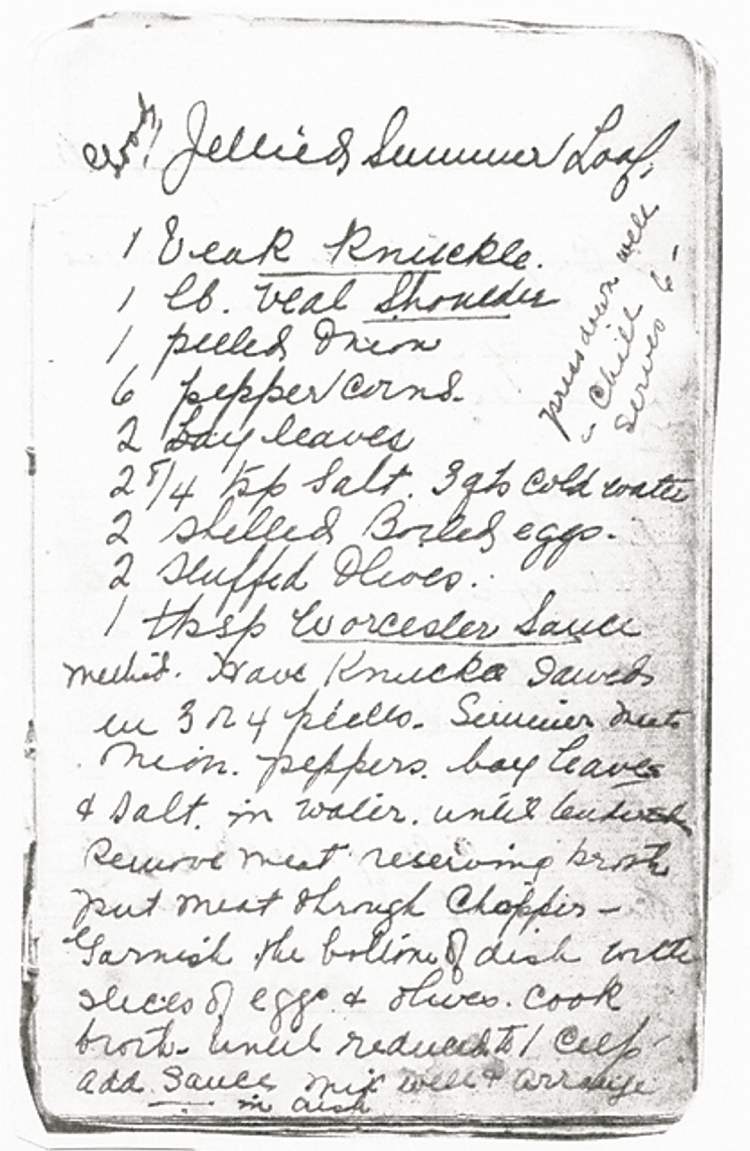
She came upon several handwritten recipe books, the oldest started by her grandmother in 1908.
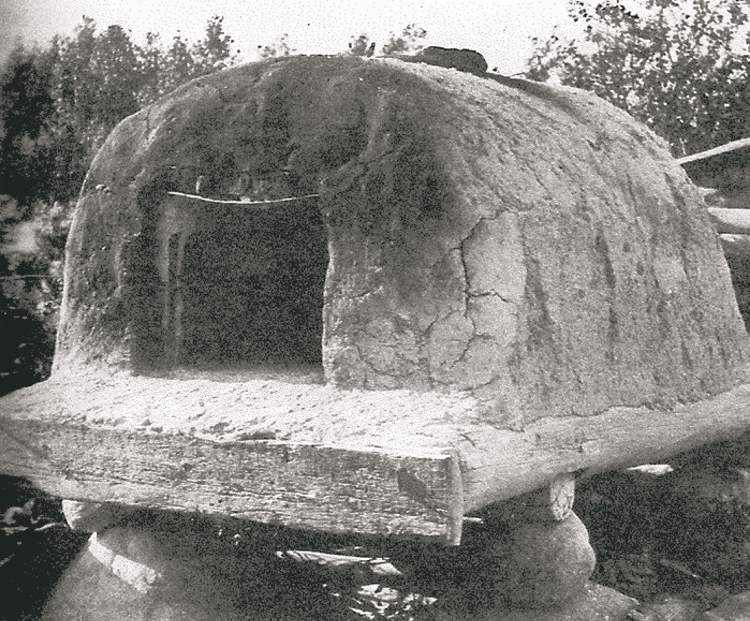
The recipes had been handed down through generations, some dating from Red River pioneer days. The pages almost seemed to give off an aroma of buffalo stew cooked over an open fire (the recipe called for “about one pound of dried buffalo chunks”) and saskatoon pie baked in an outdoor clay oven.
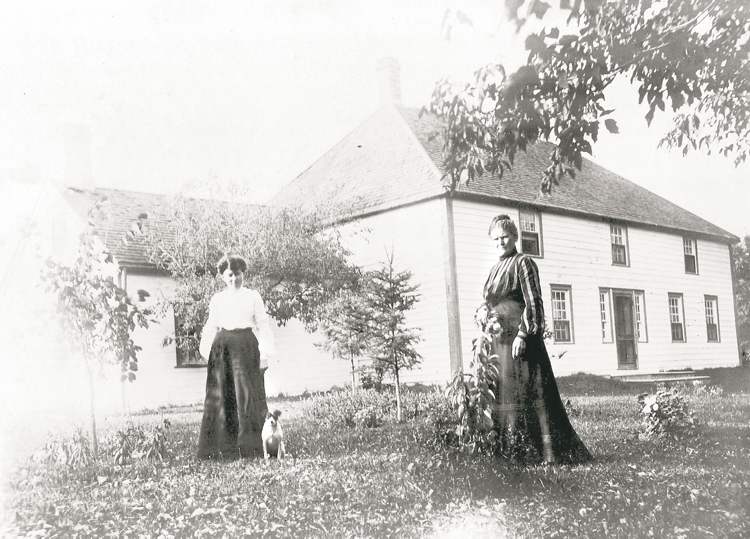
They recorded how to make mincemeat, oatcakes, pickled peaches and plums, “bread sauce” for turkey, a dessert called “treacle sponge,” a cabbage dish called Rumbledethumps, bannock and Scotch broth.
There were even instructions for “black bun,” the pastry-crusted fruitcake traditionally brought by the “first-footer,” the first visitor to arrive at a home after midnight on Hogmanay, the Scottish New Year.
To the history-loving Campbell-Horner, the recipes were a domestic time capsule — a link to her hardy and resourceful female ancestors in the Red River Settlement, the forerunner of Winnipeg.
“I said, ‘I have to do something with this. It’s too important to toss,'” recalls Campbell-Horner, who is in her 60s, was born in Edmonton and now divides her time between Alberta and British Columbia.
Though the clan branched off into Alberta after four generations, Campbell-Horner is intensely proud of being a sixth-generation descendant of two families that arrived from Scotland in the 1815 third party of Selkirk settlers: the Alexander McBeath (now McBeth) family and the William Bannerman family, both recalled in Winnipeg street names.
“I’ve never had a need to go rushing back to Scotland,” she says about her heritage. “We are people of the Red River.”
The bubbly former nurse has long dabbled in writing, but had never been published. Inspired by the rediscovered recipes and by stories she heard as a child about Old Kildonan (the close-knit Scots-Presbyterian community that descended from the settlers), she set out to write a social history of Red River and her female forebears’ role in it.
She planned to self-publish the book as a legacy for her two grown daughters. But the project happened to coincide with the 200th anniversary of the 1812 arrival of the first Selkirk settlers. The novice author pitched her manuscript to Winnipeg’s Great Plains Publications, and the result is the hot-off-the-press Red River Remembered: A Bicentennial Collection of Stories and Recipes.
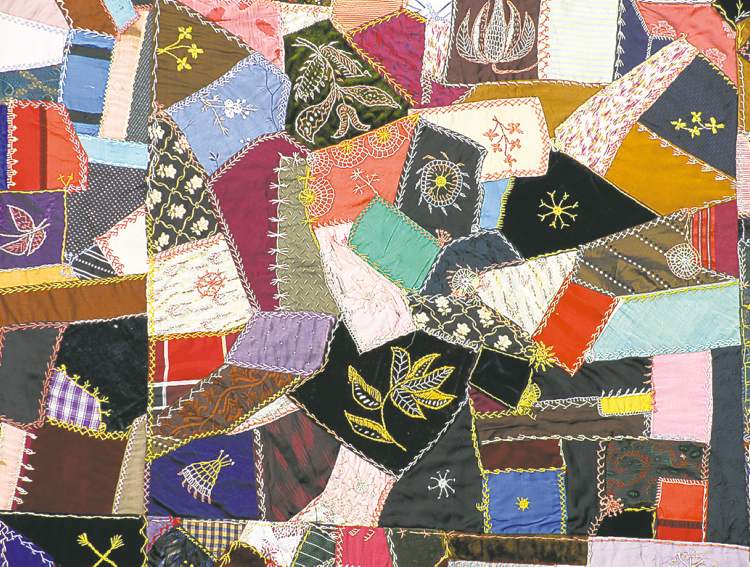
The book’s cover reproduces a 1901 quilt stitched and embroidered by the author’s grandmother, a strong-willed dynamo who stood four-foot-10.
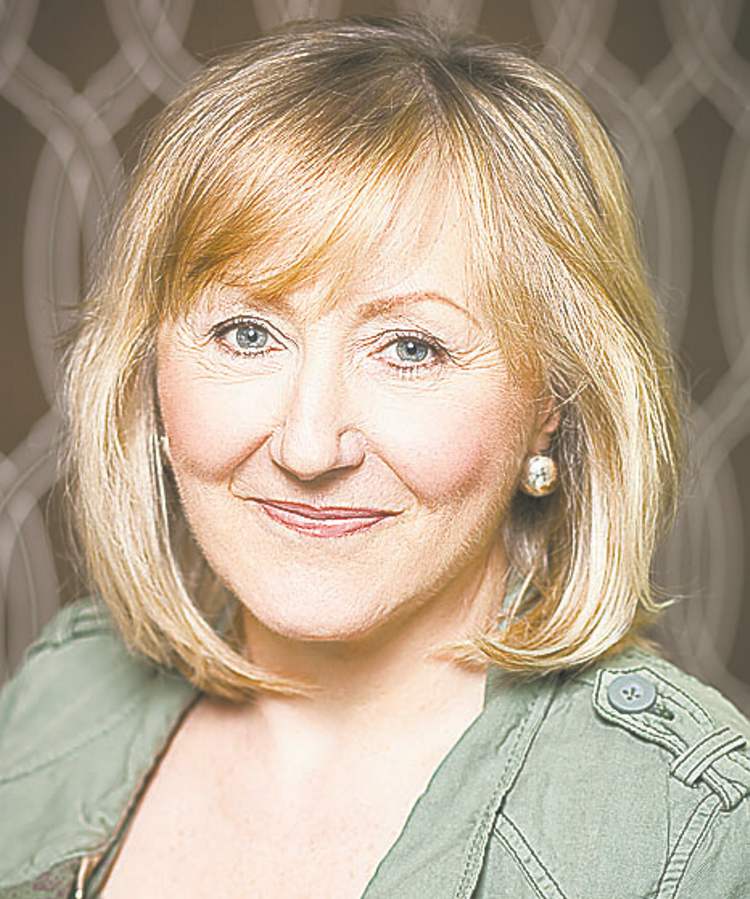
Campbell-Horner will be in town for a signing of the $24.95 softcover at McNally Robinson Booksellers on Sept. 8 from 11 a.m. to 1 p.m. That evening, she’ll attend the grand Bicentenary Dinner at the Winnipeg Convention Centre. (See www.redriver200.ca for bicentennial events and information.)
Campbell-Horner conducted research, but unearthed few records of women’s day-to-day lives in early Manitoba. She did find a copy among her grandmother’s belongings of the 1923 book Women of Red River: Being a Book Written From the Recollections of Women Surviving From the Red River Era by W. J. Healy.
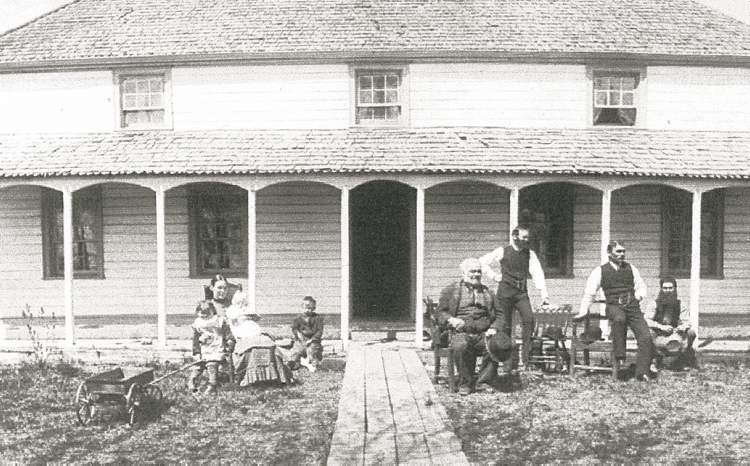
It proved to be a rich source of first-person accounts from old-timers, including Campbell-Horner’s great-great-aunt, Janet (Jennie) Bannerman. The Bannerman farmhouse is long gone, but it was very similar to the 1851 home of their friends, the Inksters, now preserved as Seven Oaks House Museum.
Campbell-Horner notes that one woman in the settlement saw her first apple in the late 1860s and her first tomato in 1874. The book pays tribute to the ways early cooks made do with what they had.
The author didn’t want to modernize the recipes — about 140 of them — and hasn’t necessarily tested them. She transcribed them verbatim, as documents of an era.
Because some date from a time when ovens lacked precise temperatures, the instructions may say something like, “bake in a moderate oven until done.”
Some call for quantities such as “a large handful.”
“They didn’t have measuring cups or measuring spoons,” Campbell-Horner notes.
Even when she was a child in the 1950s, her grandmother didn’t measure. She still had the kind of flip-out bins for flour and sugar that sound like the ones at Dalnavert Museum.
“She would just stick a teacup in there, scoop it out, plonk it into a big pottery bowl, and off she’d go.”
alison.mayes@freepress.mb.ca
Shortbread
Here’s the Christmas shortbread recipe handed down in the author’s family:
1 cup butter
¾ cup brown sugar
2 cups flour
A pinch of salt
Preparation: Cream the butter and sugar until light and gradually mix in the flour and salt. Knead until the mixture holds together, then roll out on a lightly floured board to about a half-inch thickness, in a circle. Cut into wedges like a pie. Place on baking sheet and bake at 300 degrees F for about 15 minutes, until they are a very delicate brown in colour. Do not over-bake.
Scotch Broth
(recipe from the author’s great-grandmother, Isabella Bannerman McBeth)
1/3 cup pot or pearl barley, soaked in water overnight
2 lbs lamb, cut in small pieces, fat removed
Lamb bones from the butcher
1 onion, chopped
2 Yukon Gold potatoes, peeled and chopped
1 leek (just use the white part), chopped
5 carrots, peeled and chopped
3 parsnips, peeled and chopped
4 stalks celery, chopped
1 fennel bulb, chopped
2 turnips, peeled and chopped

Handful of parsley
Thyme, basil and rosemary to taste, if you wish
Pepper
Preparation: Place the lamb and bones in a stock pot. Cover with about 10 cups of cold water. Bring to a boil and skim as necessary. Cook for about 45 minutes at simmer. After the last skimming, remove the bones and add the veggies and the drained barley. Simmer until the barley and veggies are cooked. Add herbs and pepper.
History
Updated on Thursday, August 23, 2012 9:21 AM CDT: corrects error in recipe, adds photos