Anything seemed possible, even talking to the dead

Advertisement

Advertise with us

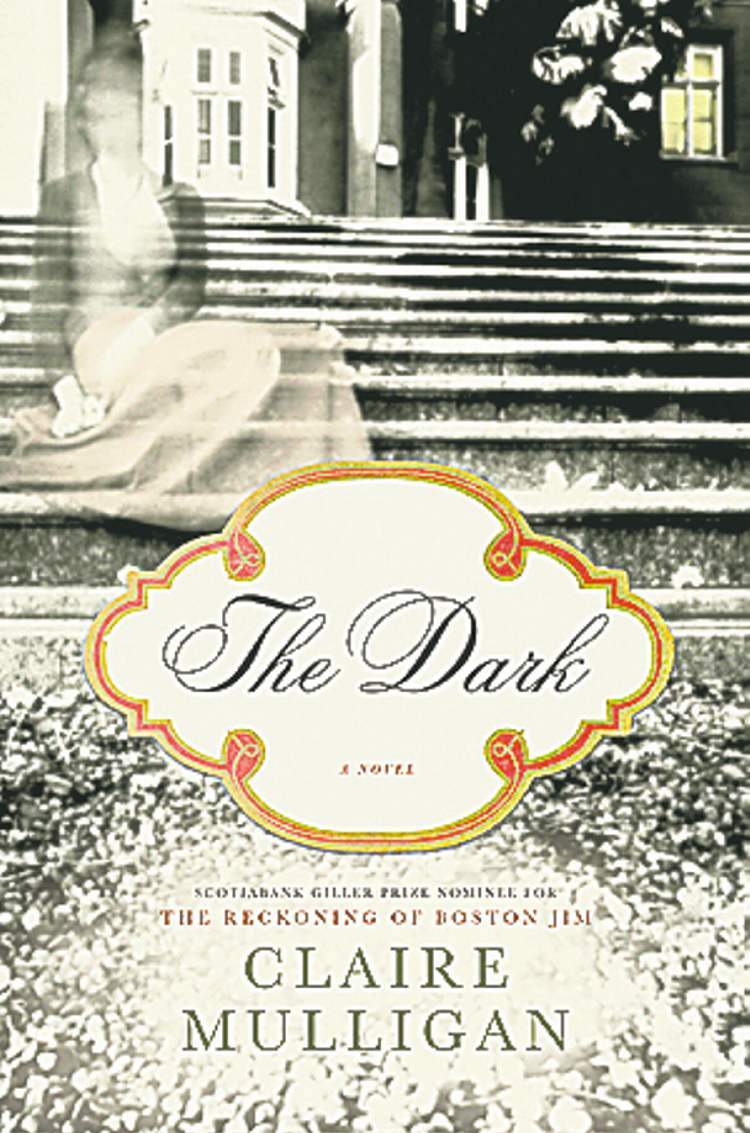
Canadian writer Claire Mulligan has based her compelling historical novel on the strange but true story of three American sisters who were avatars of the 19th-century's popular spiritualist movement.

Read this article for free:


or

Already have an account? Log in here »

To continue reading, please subscribe:

Subscribe and receive a limited-edition Free Press branded hat or tote.

Digital Subscription

One year of digital access for only $205*

  • Enjoy unlimited reading on winnipegfreepress.com
  • Read the E-Edition, our digital replica newspaper
  • Access News Break, our award-winning app
  • Play interactive puzzles

*First annual payment billed as $205.00 + GST for one year. This annual subscription will automatically renew at $233.00 + GST every 52 weeks (10% off the regular annual price of $259.35). Offer available to new and qualified returning subscribers only. Cancel any time.

To continue reading, please subscribe:

Add Free Press access to your Brandon Sun subscription for only an additional

$1 for the first 4 weeks*

  • Enjoy unlimited reading on winnipegfreepress.com
  • Read the E-Edition, our digital replica newspaper
  • Access News Break, our award-winning app
  • Play interactive puzzles
Start now

*Your next Brandon Sun subscription payment will increase by $1.00 and you will be charged $17.95 plus GST for four weeks. After four weeks, your payment will increase to $24.95 plus GST every four weeks.

Opinion

Hey there, time traveller!
This article was published 25/05/2013 (4838 days ago), so information in it may no longer be current.

Canadian writer Claire Mulligan has based her compelling historical novel on the strange but true story of three American sisters who were avatars of the 19th-century’s popular spiritualist movement.

In 1848, Maggie and Kate Fox, two girls living with their family in a sleepy town in New York State, played a mischievous nighttime prank on their mother.

Using a system of rapping sounds, the girls showed they could communicate with the spirit of a dead pedlar buried under their house.
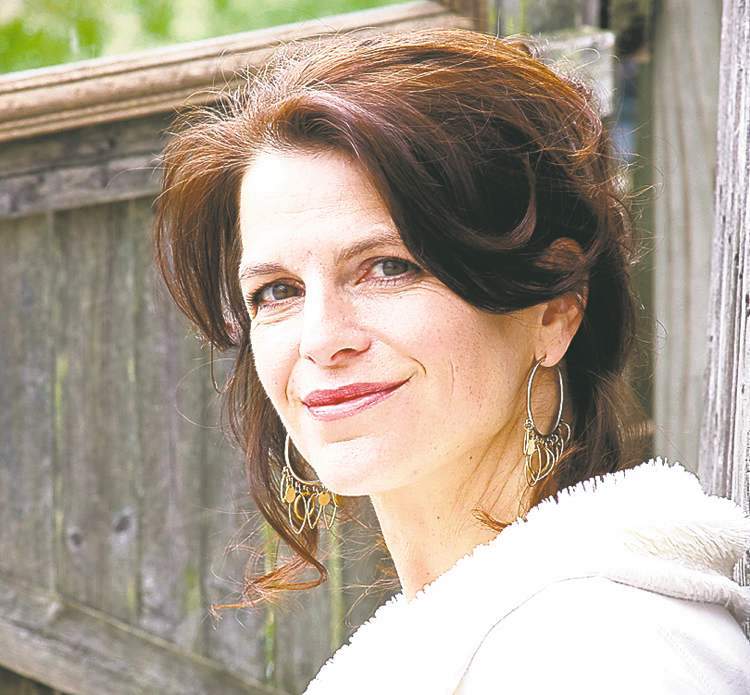
Claire Mulligan
Claire Mulligan

One spirit led to another, and under the skilful management of their ambitious older sister Leah, Maggie and Kate took their show on the road, offering demonstrations of spirit rappings and becoming famous and wealthy in the process.

The Dark opens in 1893 with the once-celebrated Maggie on her deathbed — now poor, alone and addicted to the popular opiate-laced remedy laudanum. A nurse comes to care for her during her final days and so hears and later recounts the story of Maggie’s life.

Each of the 47 chapters begins with the nurse recounting a conversation between herself and Maggie. This conversation provides the transition to the next reminiscence, which often includes memories and stories from the other characters.

Using these conversations to spark the flashbacks seems disruptive to the narrative flow. But by the last third of the novel, the nurse succeeds in becoming a character in her own right, and indeed plays a pivotal role by the end of the novel.

Mulligan, a B.C. native who lives and teaches in Pennsylvania, used the technique of characters telling other characters’ stories, albeit more seamlessly and to better effect, in her first novel, The Reckoning of Boston Jim, longlisted for the 2007 Giller Prize.

As in her previous novel, Mulligan displays her talent for historical research in The Dark. She uses the surging changes of the mid-19th century, including women’s suffrage, the Temperance movement, the abolition of slavery and the carnage of the American Civil War, as well as inventions such as the telegraph, to show a time in which anything seemed possible. Even talking to the dead.

As in Jane Austen’s novels, the precarious struggle of women for social standing and security independent of men is a strong plot element. In The Dark, readers also get a taste of the boisterous American sensibility, as when the sisters try to join Barnum’s circus, or Maggie needs to hide in a closet from a lynch mob, or when the presence of spirits in the room coincides with the liberal use of alcohol.

Love, longing and marriage occur frequently but fleetingly throughout the sisters’ lives. Leah is married three times, and Kate becomes widowed with two children. Maggie’s lover, the famous Arctic adventurer Elisha Kent Kane, disapproved of her profession and failed to fulfil his promises of a formal marriage before his death.
American Barbara Weisberg documented the Fox sisters’ fascinating story in her 2005 book Talking to the Dead, which Mulligan acknowledges as one of her many sources.

There is also a young adult novel, Dianne K. Salerni’s We Hear the Dead (2010), which has been made into a short film premier®ing at Cannes this year.

The popularity of the TV reality series Long Island Medium proves that even today people still try to communicate with the dead — for curiosity, for solace in their grief or, sometimes, as with the Fox sisters, as a way to make a living.

Mulligan serves up plenty of the practical and earthly methods by which spirits can seem to speak, but she also dishes out a few ghosts — ultimately leaving a sense of mystery about what exactly is going bump in the dark.

Mary Horodyski is a writer, researcher and archivist in Winnipeg.

Report Error Submit a Tip

More Stories

Roadside giants towering symbols of Canada’s quirkiness

Jen Zoratti 4 minute read Preview

Roadside giants towering symbols of Canada’s quirkiness

Jen Zoratti 4 minute read Yesterday at 2:01 AM CDT

Could you imagine a Canada without Mr. PG repping Prince George, B.C.? Or the Big Nickel in Sudbury? Or, my personal favourite, Happy Rock in Gladstone?

Earlier this summer, CBC’s Cost of Living looked at the economics of these giant roadside attractions — of which there are more than 1,500 in Canada — and the cost of keeping them.

Some are falling into disrepair — this is why public art funding is necessary, by the way, not just for construction, but maintenance — and some towns are weighing whether or not that money is better spent elsewhere.

The main character of the story: Tyra the Tyrannosaurus, the rather literal symbol of Drumheller, Alta., a.k.a. the Dinosaur Capital of the World since 2000, who could be facing extinction after the lease agreement between the town and the Drumheller and District Chamber of Commerce ends in 2029.

Read
Yesterday at 2:01 AM CDT

BigXThaPlug misses Country Rising appearance after arrest

1 minute read Yesterday at 12:05 PM CDT

Country-rap headliner BigXThaPlug, scheduled to appear at the third annual Country Rising festival at Blue Cross Park on Friday, missed performing at the festival after being arrested on drug charges in Texas earlier in the day.

According to Dallas’s KDFW, the performer, born Xavier Landum, was arrested by the Allen Police Department and booked into the Collin County Jail on Friday.

The jail’s website states Landum was charged with driving while intoxicated, marijuana possession of less than two ounces, and unlawful possession of a firearm.

‘Strong sense of unity’

By Melissa Martin 6 minute read Preview

‘Strong sense of unity’

By Melissa Martin 6 minute read Yesterday at 5:14 PM CDT

Manitoba government and business leaders are rallying behind Prime Minister Mark Carney’s plan to fight back, after a sudden collapse of trade talks between the U.S. and Canada sparked a new salvo of U.S. tariffs on some Canadian goods.

On Saturday, after Carney vowed to respond with retaliatory tariffs, Manitoba premier Wab Kinew said his government stood “100 per cent” behind the prime minister’s plan to respond to what Kinew called U.S. president Donald Trump’s “unjustified and immoral” tariffs.

“History will not be kind to Donald Trump, so we should never appease him,” Kinew said. “We should fight back, which is what Canada is doing today.”

Kinew met reporters for a brief news conference at the legislature on Saturday afternoon, about an hour after finishing a call with Carney and the other premiers. There was a “really strong sense of unity” on that call, Kinew said, and emphasized that he backs the federal decision to “walk away from what would have been a bad deal.”

Read
Yesterday at 5:14 PM CDT

Frustration mounts as drug raids sweep problems out of downtown, into West End

Scott Billeck 7 minute read Preview

Frustration mounts as drug raids sweep problems out of downtown, into West End

Scott Billeck 7 minute read Friday, Aug. 21, 2026

West End business owners say their neighbourhood has been under siege for months, and some believe downtown police drug sweeps have made things worse by pushing more street disorder in their direction — and pushing customers away.

Read
Friday, Aug. 21, 2026

Anything seemed possible, even talking to the dead

Reviewed by Mary Horodyski 4 minute read Preview

Anything seemed possible, even talking to the dead

Reviewed by Mary Horodyski 4 minute read Saturday, May. 25, 2013

Canadian writer Claire Mulligan has based her compelling historical novel on the strange but true story of three American sisters who were avatars of the 19th-century's popular spiritualist movement.

In 1848, Maggie and Kate Fox, two girls living with their family in a sleepy town in New York State, played a mischievous nighttime prank on their mother.

Using a system of rapping sounds, the girls showed they could communicate with the spirit of a dead pedlar buried under their house.

One spirit led to another, and under the skilful management of their ambitious older sister Leah, Maggie and Kate took their show on the road, offering demonstrations of spirit rappings and becoming famous and wealthy in the process.

Read
Saturday, May. 25, 2013

Plenty of alternatives to U.S. wines on the shelves

Ben Sigurdson 5 minute read Preview

Plenty of alternatives to U.S. wines on the shelves

Ben Sigurdson 5 minute read Yesterday at 6:00 AM CDT

In February 2025, Manitoba (and most other provinces) pulled American liquor from store shelves as part of the ongoing trade dispute with the United States.

Then in December, the province followed a similar course to others and put American booze that was already on hand back on shelves, selling off inventory that had been wasting away in warehouses for months, and directing proceeds from those sales to charities.

Lineups sprung up at numerous stores as consumers snapped up bestselling American products — think Maker’s Mark, Jack Daniel’s, Apothic Red and the like. After that initial rush, what was left has been languishing on shelves ever since, with many products eventually being drastically discounted for a quick sale, lest they become too long in the tooth.

I decided early on not to write about/review U.S. products in this space until things were well and truly sorted. But a few months back, I found myself in the mood for a big, oaky red wine and — in a moment of weakness, or nostalgia, or maybe just curiosity — I picked up a $30-ish California Cabernet Sauvignon.

Read
Yesterday at 6:00 AM CDT