Astronaut wives land in the kitchen
Advertisement
Read this article for free:
or
Already have an account? Log in here »
To continue reading, please subscribe:

Digital Subscription
One year of digital access for only $205*
- Enjoy unlimited reading on winnipegfreepress.com
- Read the E-Edition, our digital replica newspaper
- Access News Break, our award-winning app
- Play interactive puzzles
*First annual payment billed as $205.00 + GST for one year. This annual subscription will automatically renew at $233.00 + GST every 52 weeks (10% off the regular annual price of $259.35). Offer available to new and qualified returning subscribers only. Cancel any time.
To continue reading, please subscribe:
Add Free Press access to your Brandon Sun subscription for only an additional
$1 for the first 4 weeks*
- Enjoy unlimited reading on winnipegfreepress.com
- Read the E-Edition, our digital replica newspaper
- Access News Break, our award-winning app
- Play interactive puzzles
*Your next Brandon Sun subscription payment will increase by $1.00 and you will be charged $17.95 plus GST for four weeks. After four weeks, your payment will increase to $24.95 plus GST every four weeks.
Read unlimited articles for free today:
or
Already have an account? Log in here »
Hey there, time traveller!
This article was published 08/06/2013 (4825 days ago), so information in it may no longer be current.
This account of a group of trailblazing women who belonged to a stellar American club isn’t bad, but it’s not out of this world, either.
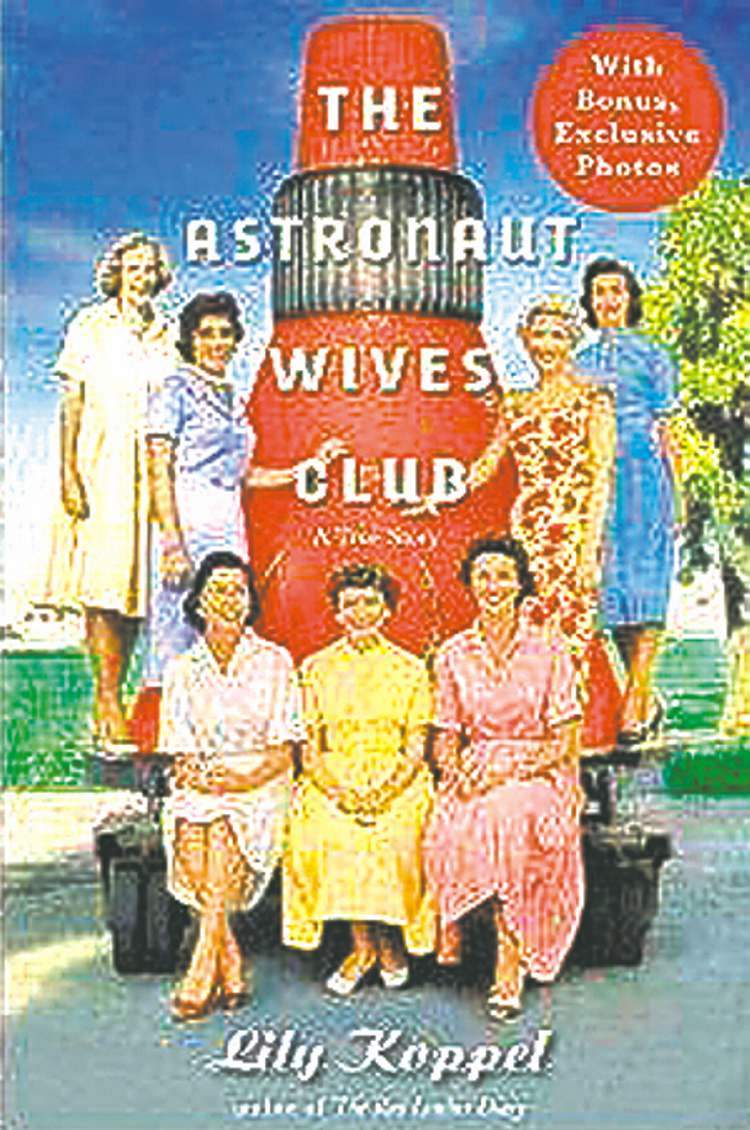
In The Astronauts Wives Club, New York journalist Lily Koppel tells the lipsticked, coiffed and NASA-managed story of the wives left back on Earth as their husbands made history in the early years of the U.S space program.
Koppel is best known for 2008’s The Red Leather Diary, about an abandoned diary she found near her apartment in New York City.

Though born well after the era she portrays in The Astronaut Wives Club, Koppel captures the purported glamour of the 1960s, not unlike TV’s Mad Men.
In her telling, one naive American military wife after another is spun out of her routine orbit of kids and base life and into a whirlwind of photo shoots, political meet-and-greets and ticker-tape parades.
The book launches in 1961 with the stories of the wives of the Mercury Seven astronauts — men like Alan Shepard and John Glenn — who flew the first American missions in space, in a desperate bid to beat the Russians to the moon.
Some of the wives were unassuming, such as Annie Glenn. Her marriage to John, the first American to orbit the Earth, was legend for being rock solid.
Annie spoke with a lisp. It was her husband, on the launch pad of his scrubbed Mercury Seven mission, who denied a very unhappy vice-president Lyndon Johnson access to his family home because his wife was too shy to let him in.
Other astronaut husbands were not so noble and Koppel hints at the dark side of being a member of the club. They turned to each other for guidance, support and tips on dealing with the press and other women, “the cookies,” who chased their husbands.
Trudy Cooper kept a previous marriage under wraps. This wouldn’t matter today, but public knowledge of it then could have ruined her husband Gordon’s chances in the program.
Koppel recounts details of the Apollo program and the first moon landing. She introduces Marilyn Lovell, immortalized in the movie Apollo 13, but her treatment is superficial. Photographs taken in the astronauts’ living rooms, as their wives and children watched the 1969 moon landing, provide more information.
In true and fairly common American style, Koppel looks after her heroes. She provides some detail about their carousing, but she does it all with a sprinkling of moon dust, so as to keep their reputations intact.
She tells of one attempted suicide by a deceased test pilot’s wife and it isn’t necessarily clear what happens. About half the couples divorce. But move along, nothing to see here.
The modern reader is more generous with their heroes’ personal failings. The Astronaut Wives Club would do better with less moon dust and more grit, perhaps even dirt.
Granted it was a different era, where women stood by their men, but Koppel seems to leave the first women of space in shiny kitchens with beehive hairdos. She mentions the changing social mores of the era, a la Mad Men, but she doesn’t fault the wives for sticking to their traditional values.
Perhaps it was a matter of access. At times it seems as if Koppel is working more from archival material than current interviews. Maybe the wives of America’s legendary astronauts preferred their own type of space.
A former foreign correspondent, Jackie Shymanski is director of communications and public affairs at CancerCare Manitoba.