Hilarious tale of caddish children’s author
Advertisement
Read this article for free:
or
Already have an account? Log in here »
To continue reading, please subscribe:

Digital Subscription
One year of digital access for only $205*
- Enjoy unlimited reading on winnipegfreepress.com
- Read the E-Edition, our digital replica newspaper
- Access News Break, our award-winning app
- Play interactive puzzles
*First annual payment billed as $205.00 + GST for one year. This annual subscription will automatically renew at $233.00 + GST every 52 weeks (10% off the regular annual price of $259.35). Offer available to new and qualified returning subscribers only. Cancel any time.
To continue reading, please subscribe:
Add Free Press access to your Brandon Sun subscription for only an additional
$1 for the first 4 weeks*
- Enjoy unlimited reading on winnipegfreepress.com
- Read the E-Edition, our digital replica newspaper
- Access News Break, our award-winning app
- Play interactive puzzles
*Your next Brandon Sun subscription payment will increase by $1.00 and you will be charged $17.95 plus GST for four weeks. After four weeks, your payment will increase to $24.95 plus GST every four weeks.
Read unlimited articles for free today:
or
Already have an account? Log in here »
Hey there, time traveller!
This article was published 21/09/2013 (4722 days ago), so information in it may no longer be current.
Have you ever wondered about the people who write children’s books? Surely they must be kind, gentle and trustworthy souls, and certainly not narcissistic, substance-abusing and philandering cads.
If you hold the former opinion, you’ve yet to be introduced to the 38-year-old title character in Torontonian Scott Carter’s second novel.
Carter’s absorbing followup to his 2010 debut, Blind Luck, is the hilarious and suspenseful story of Barrett Fuller, whose bestselling “Mil Bennett” series he has written under a pseudonym, for obvious reasons.
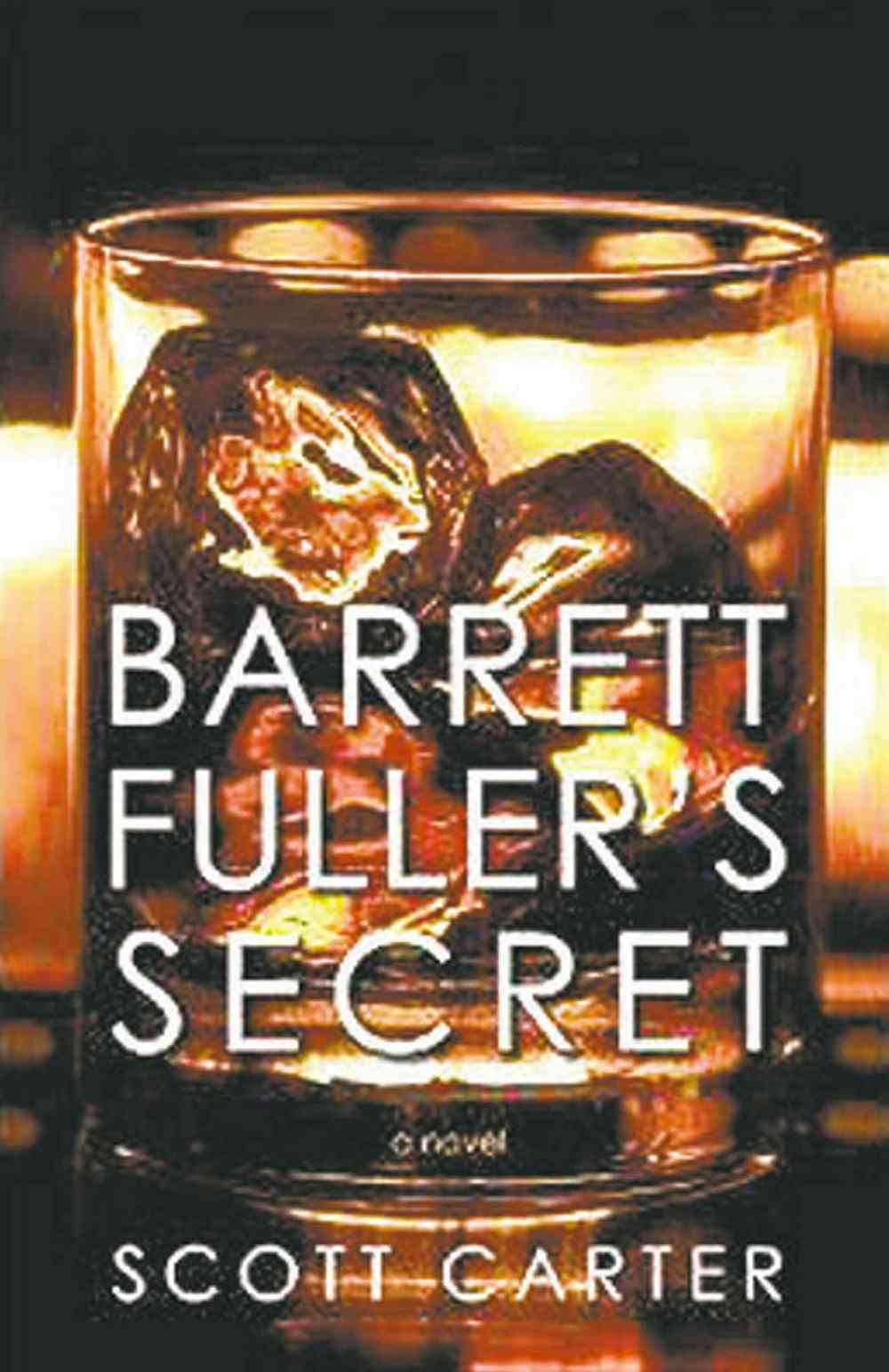
If anyone were to learn of his actual nature (“immature, irresponsible and inane”), his true proclivities would end his popularity, not to mention deplete his wealth.
Barrett values his money above all else, and being blackmailed would be his nightmare.
Then the nightmare comes true. Anonymous children begin delivering extortion letters to his walled mansion gates, threatening to destroy both his career and his fortune should he fail to comply with their demands, termed “opportunities.”
They require him to atone for his wantonness and gluttony by donating to children’s organizations or selling of some of his properties, for instance.
Carter depicts Barrett’s Mils Bennett series, by the way, as being as popular as the Harry Potter books (although Carter never mentions Potter by name).
Barrett’s series consists of modern fables of sorts. Each story offers a moral, and he’s being blackmailed because of the contradiction between his books and the way he lives.
The kids are just the delivery people, an important point, because all the letters threaten to expose his caddishness, of which the kids are unaware. The kids are paid to do it by someone who knows Barrett personally.
Carter endows his story with depth in the characters of Barrett’s younger sister, Carol, a graphic designer whose financial situation is a tad different from her brother’s, and her 11-year-old son, Richard.
Richard’s father is a minor character, who, thorough a rollicking set of circumstances, has been ejected from the family. Naturally, Barrett has neither stayed in contact with Carol, nor given her any financial support throughout the years.
Over the course of Carter’s surprisingly exciting and evocative tale, relationships among Carol, Richard and Barrett acquire meaning, though, initially, not through Barrett’s free will.
Unsurprisingly, Richard is one of the millions of Mil Bennett fans. Not revealing his true nature is one way that Barrett maintains his distance from everyone, except for those who provide him with money or pleasure.

Carter again does a wonderful job of creating a well-imagined character in Richard. The relationship between the sensitive, thoughtful boy and his reluctant uncle reveals aspects of Barrett’s character long ago suppressed or denied.
The question is whether the companionable relationship between Barrett and Richard will be enough to change the man.
Barrett Fuller’s secret may be that he actually is the decent, responsible and reliable sort of children’s novelist, or it may be that his mansion walls simply are what they appear to be, and not a way to keep meaning, trust and hurt at bay.
Elizabeth Hopkins is a Winnipeg writer and, unfortunately, not an evil, famous and rich one.