Incredible lightness of being Mennonite
Winnipeg novel boasts upbeat tone despite some heavy literary themes
Advertisement
Read this article for free:
or
Already have an account? Log in here »
To continue reading, please subscribe:

Digital Subscription
One year of digital access for only $205*
- Enjoy unlimited reading on winnipegfreepress.com
- Read the E-Edition, our digital replica newspaper
- Access News Break, our award-winning app
- Play interactive puzzles
*First annual payment billed as $205.00 + GST for one year. This annual subscription will automatically renew at $233.00 + GST every 52 weeks (10% off the regular annual price of $259.35). Offer available to new and qualified returning subscribers only. Cancel any time.
To continue reading, please subscribe:
Add Free Press access to your Brandon Sun subscription for only an additional
$1 for the first 4 weeks*
- Enjoy unlimited reading on winnipegfreepress.com
- Read the E-Edition, our digital replica newspaper
- Access News Break, our award-winning app
- Play interactive puzzles
*Your next Brandon Sun subscription payment will increase by $1.00 and you will be charged $17.95 plus GST for four weeks. After four weeks, your payment will increase to $24.95 plus GST every four weeks.
Read unlimited articles for free today:
or
Already have an account? Log in here »
Hey there, time traveller!
This article was published 19/10/2013 (4702 days ago), so information in it may no longer be current.
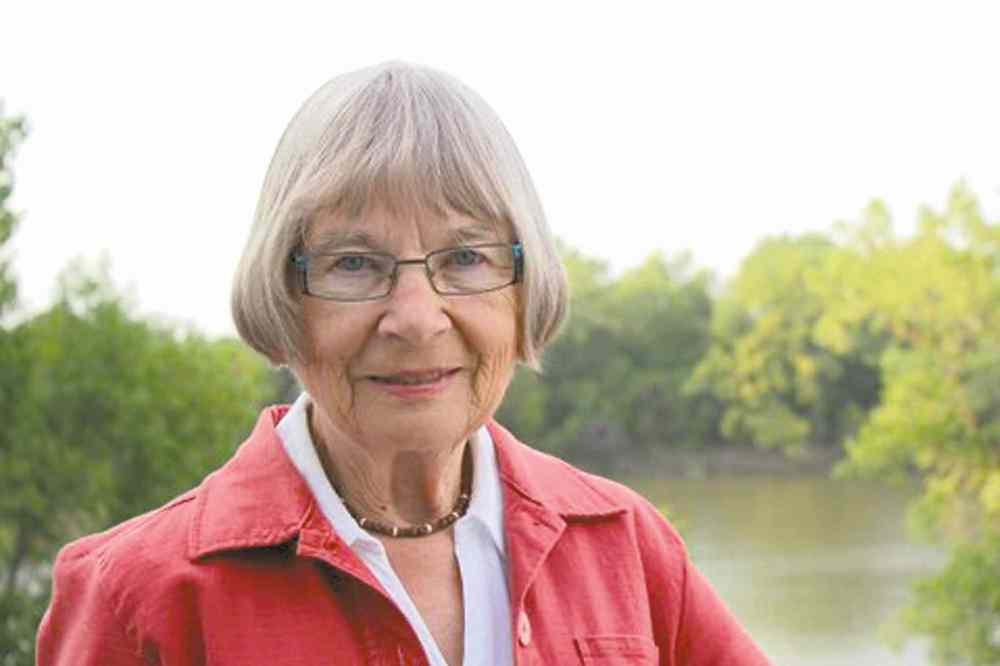
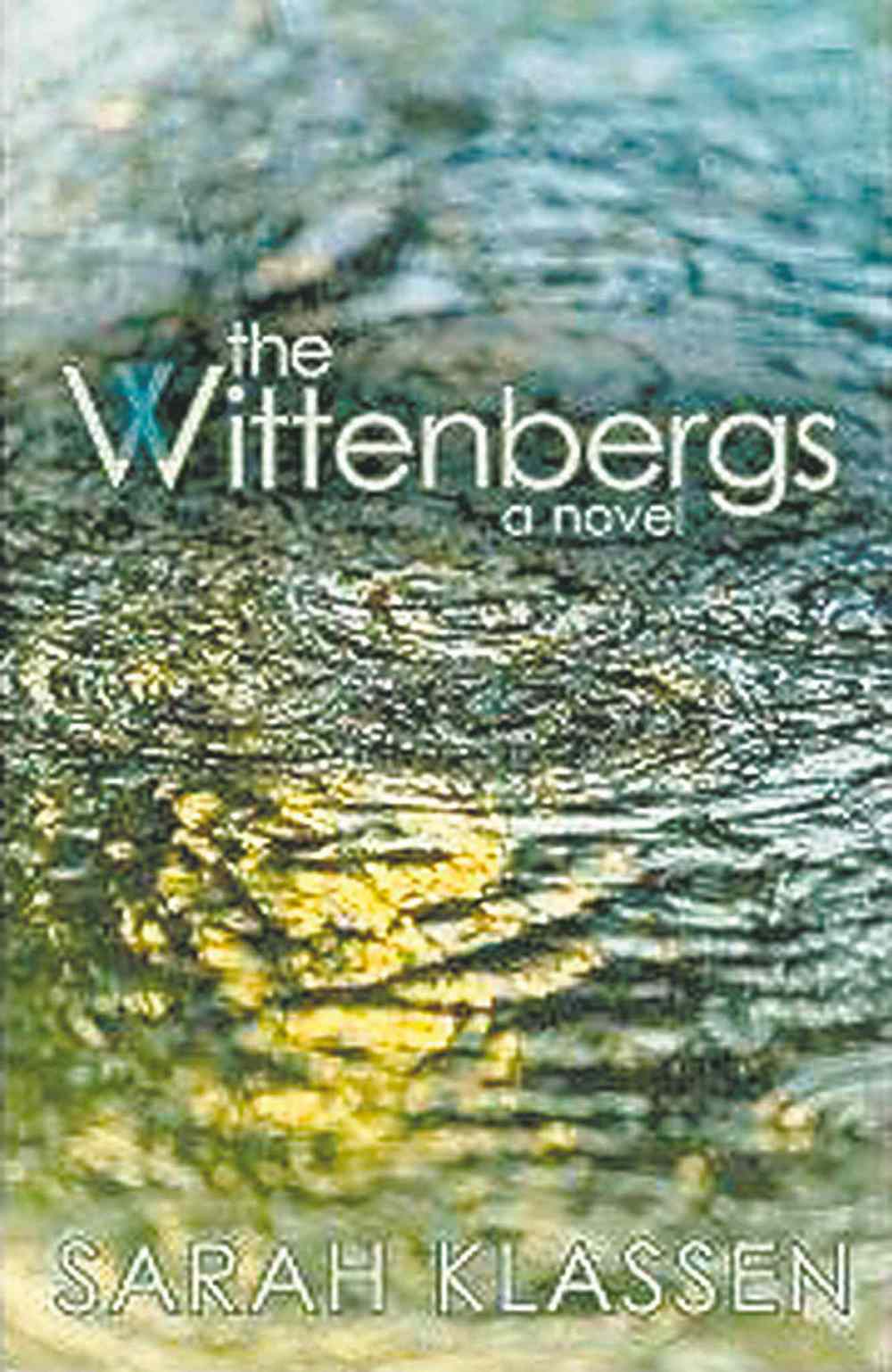
Sarah Klassen’s debut novel is a simple but moving story about a Winnipeg Mennonite family’s attempt to connect their past to their future.
Klassen, herself a Winnipeg Mennonite, has published two collections of short stories but is best known for her poetry, the most recent collection of which was 2012’s Monstrance.
In The Wittenbergs, she uses graceful prose and a fluid story structure to explore themes of guilt, atonement, responsibility, belonging and, above all, finding meaning in a Mennonite heritage. Despite the heavy themes, the novel’s tone remains encouraging rather than depressing.
The story, told in the third person and present tense, takes place primarily in early-1990s Winnipeg, when Eaton’s was still open, the original Jets were still playing and the threat of war in Iraq was looming.
Parts of the story also take place in pre-revolutionary Russia, recounting the experiences of the Wittenberg ancestors as their way of life turns from peaceful prosperity to war, poverty and famine in the Soviet era.
The Wittenbergs, a middle-class Mennonite family living in North Kildonan, seem all right on the surface, but in reality, they aren’t doing so well. Dad Joseph, a high school vice-principal at the fictional George Sutton Collegiate, is gunning for a promotion to principal, but he driven off course by his attraction to his co-worker, who also happens to be his daughter’s English teacher.
Stay-at-home-mom Millicent, a non-Mennonite, felt she didn’t belong anywhere even before marrying into a family that hasn’t quite accepted her. Now she has sunken into an alcoholic depression.
Meanwhile, oldest daughter Alice has just given birth to her second child. Both are afflicted with a hereditary genetic disorder and no one, least of all her husband, seems able to cope with it or offer her the help she wants.
Younger daughter Mia is carrying the worries of the whole family on her shoulders, while trying to catch the eye of a handsome yet indifferent classmate and trying to help her longtime friend Danny, whose troubles are worse than their other friends know.
Mia’s only solace comes from her visits to “GranMarie,” Joseph’s father and the family matriarch, where she pleads for GranMarie to share stories of the family’s ancestors in Russia.
“GranMarie gave us a lovely inheritance,” Mia says to her family. “She brought her memories with her to Canada and gave us our stories.”
Mia decides to record her grandmother’s stories, facing lack of interest from the rest of her family and her grandmother’s own memory loss and reluctance to revisit painful experiences.
But as Mia delves deeper into her family history and learns about her heritage, she begins to find the strength to face her own problems. If Mia can interest the family in their heritage, maybe they can find a sense of togetherness and get a chance to heal and grow close again.

The Wittenbergs naturally begs comparison to Klassen’s contemporaries Miriam Toews and David Bergen, who also frequently use their Mennonite heritage in their novels.
But unlike Toews’ scathing condemnation in A Complicated Kindness or Bergen’s milder criticism in The Age of Hope, The Wittenbergs celebrates both Mennonite heritage and religion. It is to Klassen’s credit that her novel manages this without feeling like propaganda.
Kathryne Cardwell is a non-Mennonite Winnipeg writer.