Marriage to Muslim a mistake for feminist
Advertisement
Read this article for free:
or
Already have an account? Log in here »
To continue reading, please subscribe:

Digital Subscription
One year of digital access for only $205*
- Enjoy unlimited reading on winnipegfreepress.com
- Read the E-Edition, our digital replica newspaper
- Access News Break, our award-winning app
- Play interactive puzzles
*First annual payment billed as $205.00 + GST for one year. This annual subscription will automatically renew at $233.00 + GST every 52 weeks (10% off the regular annual price of $259.35). Offer available to new and qualified returning subscribers only. Cancel any time.
To continue reading, please subscribe:
Add Free Press access to your Brandon Sun subscription for only an additional
$1 for the first 4 weeks*
- Enjoy unlimited reading on winnipegfreepress.com
- Read the E-Edition, our digital replica newspaper
- Access News Break, our award-winning app
- Play interactive puzzles
*Your next Brandon Sun subscription payment will increase by $1.00 and you will be charged $17.95 plus GST for four weeks. After four weeks, your payment will increase to $24.95 plus GST every four weeks.
Read unlimited articles for free today:
or
Already have an account? Log in here »
Hey there, time traveller!
This article was published 16/11/2013 (4702 days ago), so information in it may no longer be current.
In the depressing aftermath of the Arab Spring, the West watches elected Islamists thrown out in Egypt and insurgent Islamists waging civil war against brutal dictatorship in Syria. An insider’s view of human rights in Muslim countries should be welcome.
Unfortunately, this often harrowing memoir is not focused or hard-hitting enough to provide much new or clear insight.
Phyllis Chesler is a feminist psychologist and author. She has written a number of books on women’s issues, including the 1973 bestseller Women and Madness. In 2005’s The Death of Feminism, she argued that political correctness and cultural relativism were preventing feminists from condemning developing world and Muslim violations of women’s rights.
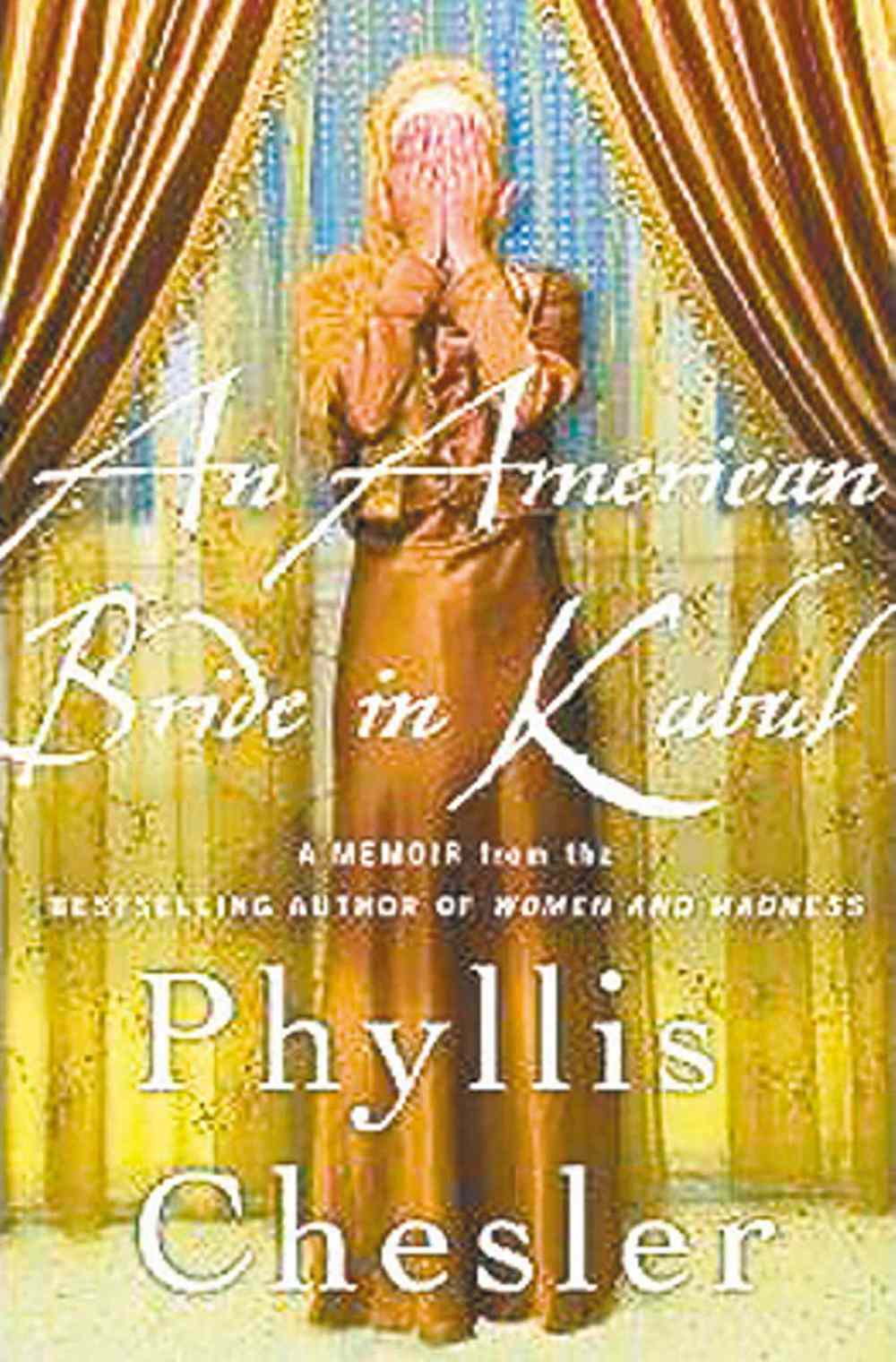
Chesler met Abdul-Kareem at Bard College in New York in 1959 when she was 18, and they were married in 1961. Neither family — her religious Jewish parents, nor his wealthy Muslim side in Afghanistan — approved.
After a quick tour of Europe, the couple went to Kabul, where, Chesler states, “I was held captive.”
Abdul-Kareem’s father, his mother, his father’s other wives, and the rest of the family, tried to force Phyllis into their complicated life, but she could not handle the change in her husband, or the “culture where extreme gender apartheid was the norm.”
In spite of her romantic admiration of many aspects of Afghanistan, she grew restive and weaker and eventually contracted hepatitis. After five months she returned to the U.S. on a temporary visa, never to return to Afghanistan.
She credits these months in her early life with fostering her feminism, and her staunch support for human rights, especially in the Middle East. She struggles with her explanation of why it took her 50 years to write this book.
The first half of her memoir, documenting her stay in Kabul, is almost nightmarish in its depiction of the inhumane conditions of her “deadening torpor of a protected life under house arrest.” Like Betty Mahmoody, of Not Without My Daughter fame, Chesler found her husband changed when he arrived in his own culture from the man she thought she knew.
Her account is punctuated with cogent references to her massive research into other accounts of Western contact with Muslim cultures. Her book includes seven-plus pages of bibliography, which she collected after her short time in Abdul-Kareem’s family harem.
However, her chronicle of captivity is presented rather flatly, in the present tense. Selections from her diary sometimes seem indistinguishable in tone from the main narration.
Chesler continues to have contact with Abdul-Kareem, who escaped before Russian occupation in the late 1970s. Her unusual nostalgia, and affection for some in the family, sometimes undercut the impact of the emotional and physical violence she experienced.
The second section of American Bride begins with an account of her efforts to get a divorce or have the marriage annulled. She had given up her U.S. passport and travelled as an Afghan, prompting problems with immigration bureaucracy.
The rest of the book includes chapters on Jews in Muslim countries, again drawing on her extensive bibliography, and effects of 9/11 on the world and in her life. She presents an account of courageous aid workers and reformers in the chapter “America in Afghanistan.”

Throughout, Chesler chronicles significant abuses against human rights using her experience and others’.
She unconvincingly asserts Abdul-Kareem’s desire to reform Afghanistan’s misogynistic culture. Her description of him as “my measure of Afghanistan… a genteel, dapper, hopeful, soft-spoken fellow” does not fit the man who often ignored her, or hit her, during her time in Kabul, and even tried to force her to stay by impregnating her when she was ill.
A more trenchant account and analysis of her life could have been very valuable to Westerners struggling to understand the difficulties of the Middle East. While her grace toward her captors and their country is admirable, it undermines the effectiveness of her story.
Bill Rambo teaches at the Laureate Academy in St. Norbert.