

Staying afloat
Olympian's memoir details triumphs and turmoil
Advertisement
Read this article for free:
or
Already have an account? Log in here »
To continue reading, please subscribe:
Digital Subscription
One year of digital access for only $1.44 a week*
- Enjoy unlimited reading on winnipegfreepress.com
- Read the E-Edition, our digital replica newspaper
- Access News Break, our award-winning app
- Play interactive puzzles
*Billed as $5.77 plus GST every four weeks. After 52 weeks, price increases to the regular rate of $19.95 plus GST every four weeks. Offer available to new and qualified returning subscribers only. Cancel any time.
To continue reading, please subscribe:
Add Free Press access to your Brandon Sun subscription for only an additional
$1 for the first 4 weeks*
- Enjoy unlimited reading on winnipegfreepress.com
- Read the E-Edition, our digital replica newspaper
- Access News Break, our award-winning app
- Play interactive puzzles
*Your next Brandon Sun subscription payment will increase by $1.00 and you will be charged $17.95 plus GST for four weeks. After four weeks, your payment will increase to $24.95 plus GST every four weeks.
Read unlimited articles for free today:
or
Already have an account? Log in here »
Hey there, time traveller!
This article was published 25/01/2014 (4509 days ago), so information in it may no longer be current.
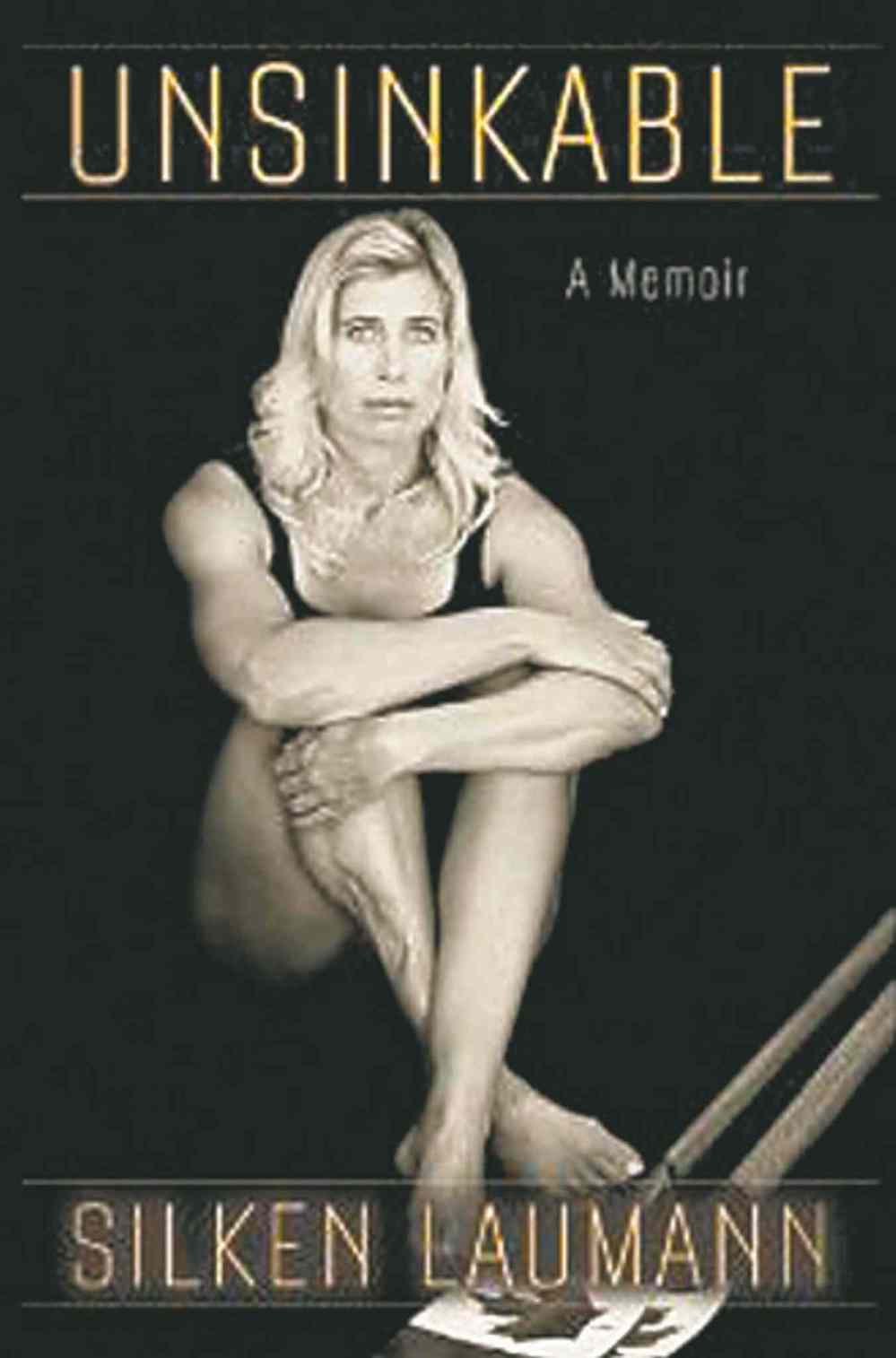
In less than one month, Canadians will be awake at odd hours watching our Olympic athletes doing their best to own the podium at the Winter Games in Sochi, Russia. Among the books hitting the shelves to coincide with Olympic season is Unsinkable, a memoir by former champion rower Silken Laumann.
In 1992, Laumann was the reigning world champion in the single skulls and was seen as Canada’s best hope for gold in rowing at the Summer Games in Barcelona. That outlook changed dramatically while she was training on May 15, when her boat collided with another carrying two German rowers.
Her right ankle was shattered and lower leg muscles were stripped away from the bone. There were serious questions as to whether Laumann would ever row, or possibly even walk, again.
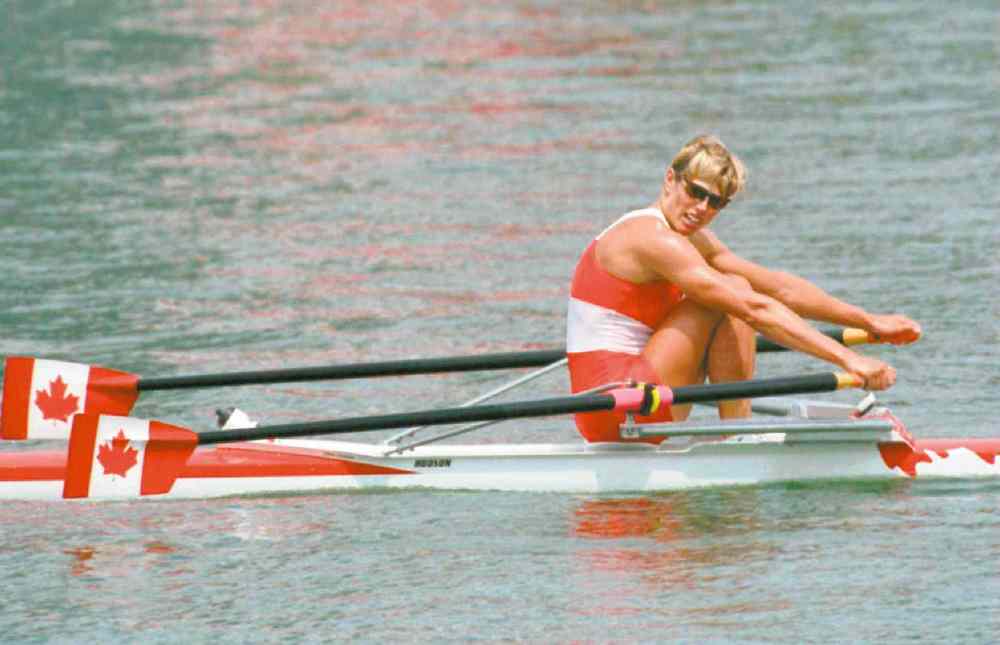
What followed was one of the great inspirational comeback stories in Olympic history. Twenty-seven days and five painful operations later, Silken Laumann was back training on the water. On Aug. 2 she won bronze in her event and earned more attention than many Canadians who won gold that year.
Her descriptions of the accident and subsequent recovery are truly compelling. More than anything, these pages speak to the fierce determination and singular focus all elite athletes must have to achieve their goals.
“I became a bit like a bull in a china shop, barrelling over anyone or anything that got in the way of my healing. Though I tried to do this with some kindness and respect for others, I imagine my laser focus and extreme intensity left a trail of hurt,” she writes.
In 1995, Laumann endured another huge disappointment and more emotional trauma when she was stripped of a gold medal at the Pan Am Games in Argentina. Fighting a bad cold before the games, she tested positive for pseudoephedrine, a banned substance that was in her cold medication. Nine years later, the drug was removed from the IOC’s list of banned substances.
A large portion of the book deals with Laumann’s life after her athletic career ended — since retiring from competition in 1999 she has had a successful career as a motivational speaker and a professional writer — and before it ever began.
Advance promotion by the publisher hinted that “dark secrets” would be revealed about both periods in her life, and the book does not disappoint. Writing about her childhood, she tells a dramatic tale about her parents, whose early lives in Germany were dominated by the horrors of the Second World War, and the deprivations of the postwar period before they emigrated to Canada in the late 1950s.
The description she gives of life with her mother once the family was living in Mississauga in the 1960s is one of someone seriously afflicted with mental illness.
“Mom would get worked into a frenzy — screaming and sobbing and throwing dishes. She would howl that she was going to gas us all. Her threat was that she would kill herself and take us with her. She never did anything to show that she’d go through with it, but I slept with my window open,” Laumann writes.
Her father encouraged her interest in athletics, and her first opportunity to excel came in running, which her dad has done most of his life and continues to do in his late 70s. From her mother came endless put-downs she says left her with a terrible lack of self-worth. This section of the book tends to wander, but it does bridge fairly successfully to the period that follows her glory years as a rower.

Despite all the challenges, Laumann’s post-Olympic story seemed destined to have a happy ending, particularly on the home front, but a 14-year marriage to fellow rower John Wallace that produced two children ended suddenly to her great shock and surprise. On March 28, 2002, Wallace said to his wife one morning, “I don’t think I want to be married anymore.”
In 2008, she found love and happiness with GoodLife Fitness CEO David Patchell-Evans, himself a North American rowing champion, but it hasn’t been a walk in the park. His daughter Kilee is severely autistic, and while Laumann tackled this task with the same determination she’s brought to her other challenges, she admits to occasional resentment over the toll it takes on their everyday lives.
Laumann has coped with depression and eating disorders, and has been in therapy for more than a decade, as well as on medication. The memoir gets a bit repetitive when dealing with all the post-Olympic issues, but offers some worthwhile reflections on what she has learned over the course of her personal journey.
Roger Currie is a Winnipeg writer and broadcaster. He is heard regularly on CJNU, 93.7 FM.
History
Updated on Saturday, January 25, 2014 8:16 AM CST: Tweaks formatting.