Hillary Clinton biography a presidential puff piece
Advertisement
Read this article for free:
or
Already have an account? Log in here »
To continue reading, please subscribe:
Digital Subscription
One year of digital access for only $1.44 a week*
- Enjoy unlimited reading on winnipegfreepress.com
- Read the E-Edition, our digital replica newspaper
- Access News Break, our award-winning app
- Play interactive puzzles
*Billed as $5.77 plus GST every four weeks. After 52 weeks, price increases to the regular rate of $19.95 plus GST every four weeks. Offer available to new and qualified returning subscribers only. Cancel any time.
To continue reading, please subscribe:
Add Free Press access to your Brandon Sun subscription for only an additional
$1 for the first 4 weeks*
- Enjoy unlimited reading on winnipegfreepress.com
- Read the E-Edition, our digital replica newspaper
- Access News Break, our award-winning app
- Play interactive puzzles
*Your next Brandon Sun subscription payment will increase by $1.00 and you will be charged $17.95 plus GST for four weeks. After four weeks, your payment will increase to $24.95 plus GST every four weeks.
Read unlimited articles for free today:
or
Already have an account? Log in here »
Hey there, time traveller!
This article was published 15/03/2014 (4603 days ago), so information in it may no longer be current.
JONATHAN Allen, award-winning White House bureau chief for the mostly web-based Politico, and Amie Parnes, White House correspondent for The Hill newspaper, have written a 440page puff piece extolling Hillary Clinton’s suitability for the American presidency.
Written in breathless, tabloid-style prose without the virtue of tabloid-style brevity, their book provides no insight into Clinton’s principles and beliefs beyond “her legacy as a manager and the narrative of strong leadership she would present if she ran for president.”
What it does inadvertently provide is an insight into how meretricious modern politics have become. Hillary and her husband, Bill, appear to see themselves less as advocates for the electorate than as commodities with a “brand” to protect and embellish. In the authors’ words, they are “exceptional retail politicians.”
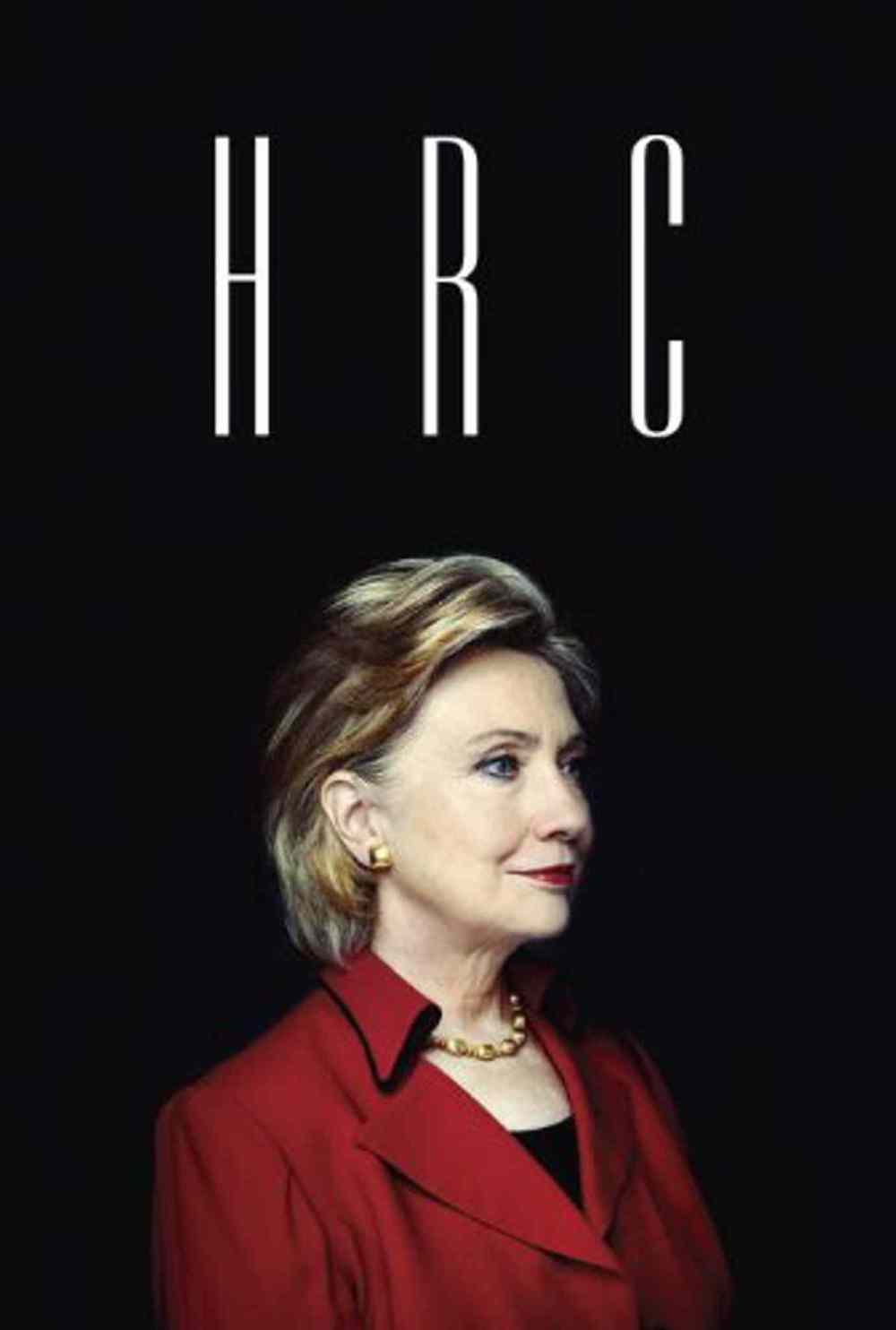
Undaunted by the fact that the purpose of a brand, in the marketplace, is to hide reality by creating an illusion of value, Hillary insists on being called “HRC,” agonizes over whether her Twitter biography should refer to her as a “pantsuit fashionista” or a “pantsuit aficionado,” and seeks charities to sponsor that would not inflame partisan tensions or alienate the business community.
So eager are the authors themselves to help polish the brand, they sometimes forget what they have written. They say that Hillary agreed to become Secretary of State because “(Obama) asked her to serve her country, and she couldn’t turn him down.”
However, the entire previous chapter is a blow-by-blow account of how Hillary played hardball with Obama, indeed turning him down repeatedly until he agreed to help her with the huge debt she had run up during the primaries campaign and give her a free hand in picking her own staff.
The authors boast that they interviewed more than 200 people, most on the condition of anonymity. It’s hard to see why that condition mattered, as most of the quotes are highly flattering of Clinton.
A fairly representative such quote: “One member of Defense Secretary Robert Gates’ inner circle said ‘…you know, she’s inexhaustible. She’s tough-minded, and then you come to actually like her… and she’s charming and she’s funny and she’s interesting and she’s inquisitive and she’s engaging.’ ” The authors make much of Clinton’s introduction of the concept of “smart power” to America’s foreign policy. However, when applied to Egypt and Bahrain (the latter conveniently ignored by the authors) it seems to amount to the usual support of friendly dictators until no longer practicable.
The authors find it harder to defend her department’s failures in the terrorist attack on the U.S. consulate in Benghazi, Libya. In mitigation, they give the last word to Gen. David Petraeus, who praises Clinton for, in the aftermath of the attack, being “extraordinarily resolute, determined and controlled.” She refused TV interviews soon after the attack because it “was a politically risky proposition.” Instead, UN Ambassador Susan Rice went on the Sunday morning shows and destroyed her own career by repeating inaccurate briefing notes.
Throughout the book, the authors show Hillary and Bill displaying unparalleled tactical brilliance, thinking many steps ahead while rewarding friends and ruthlessly punishing enemies.
While everything the Clintons do seems calculated to increase their wealth and power, including positioning Hillary for a successful presidential run in 2016, the authors provide no clear picture of what a president Hillary Clinton would do about regulating Wall Street, creating jobs, supporting trade unions, funding social programs or improving public education.
For all that, Hillary Clinton is a remarkable and talented person. She deserves a more honest assessment than a 440-page Hallmark card.
John K. Collins believes politicians should be expected to put the public interest before private gain.