Slick fiction: Stenson’s oilsands novel anything but crude
Advertisement
Read this article for free:
or
Already have an account? Log in here »
To continue reading, please subscribe:

Digital Subscription
One year of digital access for only $205*
- Enjoy unlimited reading on winnipegfreepress.com
- Read the E-Edition, our digital replica newspaper
- Access News Break, our award-winning app
- Play interactive puzzles
*First annual payment billed as $205.00 + GST for one year. This annual subscription will automatically renew at $233.00 + GST every 52 weeks (10% off the regular annual price of $259.35). Offer available to new and qualified returning subscribers only. Cancel any time.
To continue reading, please subscribe:
Add Free Press access to your Brandon Sun subscription for only an additional
$1 for the first 4 weeks*
- Enjoy unlimited reading on winnipegfreepress.com
- Read the E-Edition, our digital replica newspaper
- Access News Break, our award-winning app
- Play interactive puzzles
*Your next Brandon Sun subscription payment will increase by $1.00 and you will be charged $17.95 plus GST for four weeks. After four weeks, your payment will increase to $24.95 plus GST every four weeks.
Read unlimited articles for free today:
or
Already have an account? Log in here »
Hey there, time traveller!
This article was published 27/09/2014 (4381 days ago), so information in it may no longer be current.
Whether you view Alberta’s oilsands developments as a carbon bomb set to render our planet uninhabitable or as a technological marvel propping up our nation’s economy, their invisibility in Canadian fiction seems to support the criticism that our literature is too internal, too domestic and too historically focused.
And so Alberta’s Fred Stenson — a writer uniquely qualified to meet this challenge — has done Canadian literature a service by producing the long-awaited oilsands novel.
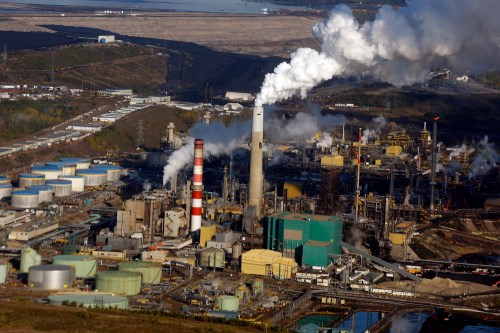
Who By Fire, Stenson’s ninth book of fiction, tells two stories drenched in hydrocarbons: that of the Ryder family of southwestern Alberta, whose lives are turned upside-down by the arrival of a plant processing sour gas (rich in poisonous hydrogen sulfide) in 1960, and that of late-middle-aged Bill Ryder, the senior engineer in charge of sulphur processing at a present-day Fort McMurray-area oilsands plant.
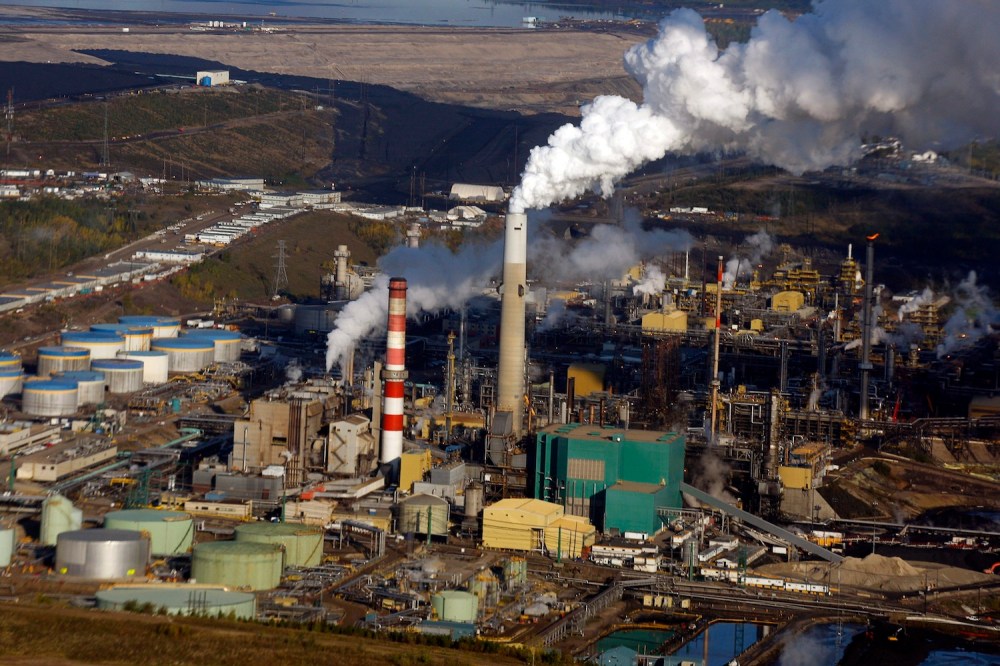
It’s a story of corporations getting their way, regardless of environmental consequences, and of the physical, financial, and emotional hardship they cause.
Stenson, whose own farm family was one of the first to win in court against the oil and gas industry, is best known for his literary westerns, The Trade, Lightning and The Great Karoo, which explored the transformation of prairie life. Not coincidentally, the villain in The Trade was a corporation: the Hudson Bay Company.
In Who By Fire, we first see the sour gas plant from pre-school-aged Billy Ryder’s perspective as a thing of mythic power: “like the fire in the Bible that burns without wood, or the fire that comes out of the rubbed lantern in Illustrated Folk Tales of the World. A genie set free after a thousand years.”
That opening promises a story about forces on a grand scale, but for the most part this is a quiet, fine-grained novel. In both narrative threads the suffering is relatively low-key: psychological and emotional, rather than catastrophic. Childhood emotional harm makes adult Bill a VLT addict; the casino seems to be symbolic of the way our oil-based economy doubles down on its bets.
There’s a ripped-from-the-headlines aspect to the contemporary plotline, as when we hear references to a controversial report on cancer in the downstream community of Fort Chipewyan. The popular media image of Fort McMurray as a modern Dodge City emerges when Bill’s overworked therapist rants: “I treat meth addicts, crackheads, alcoholics who beat their wives and children so badly ambulances have to be called.”
(To be fair, a Winnipeg mayor who could get our homicide and violent crime rates down to Fort McMurray’s level would be re-elected for life.)

Stenson captures some of the absurdities of resource development in Canada, including the pandering and posturing about environmental and cultural sensitivity. When Bill first meets his love interest, Marie, a woman from the neighbouring First Nations community, she tells him she’s tired of meeting the oil company’s community relations representative because he “always brings tobacco, in a cloth bag or sometimes in a brand-new leather pouch. If it’s a bag he puts a pretty-coloured ribbon on it. Like it was 1875 and I had never seen a store.”
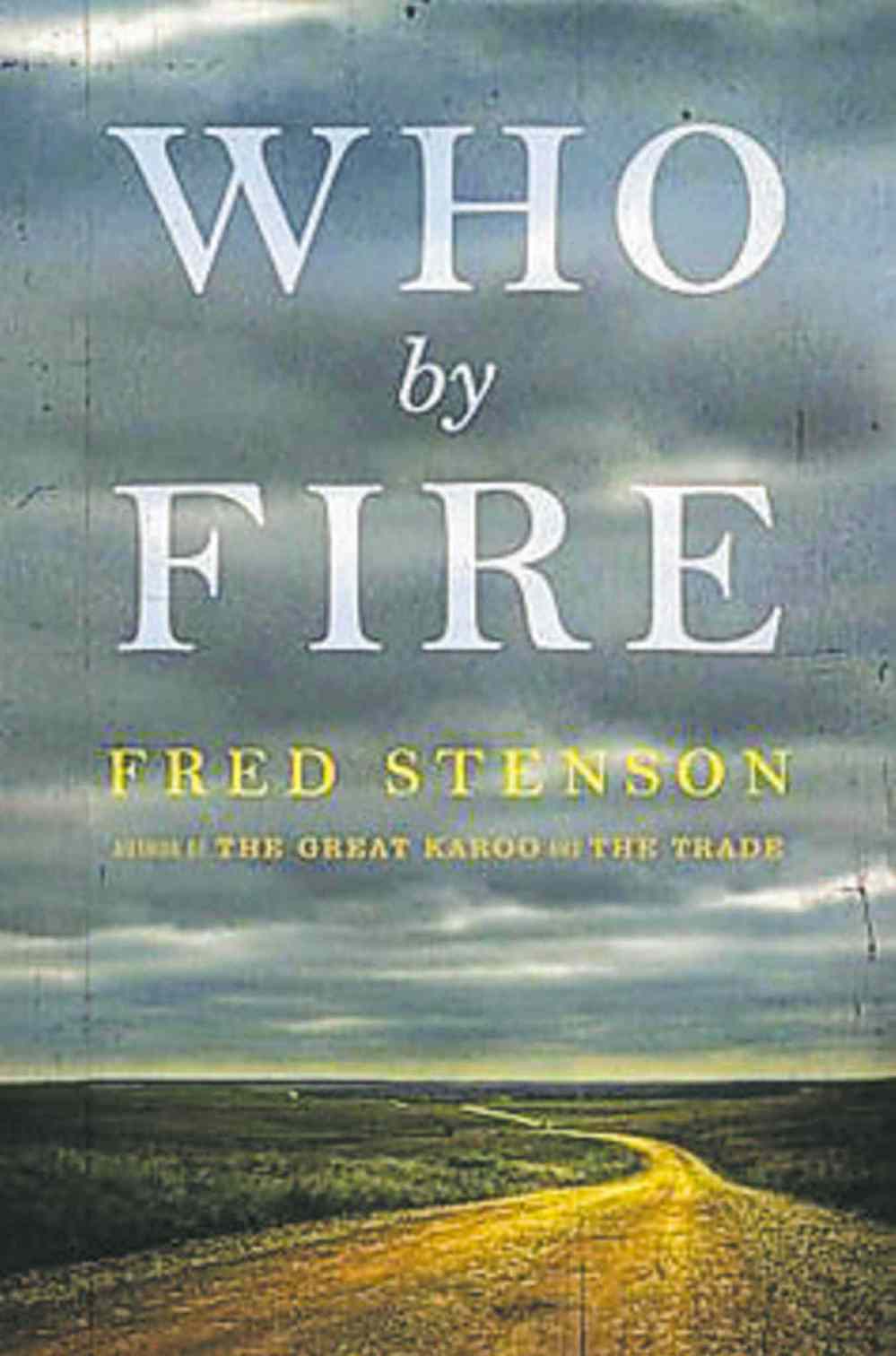
He portrays a corporate world in which oil companies have become better at speaking in soothing tones and issuing mild mea culpas, all the while speeding up their efforts to pump every last drop. And though he holds out some hope for personal healing from psychological wounds, he’s clear that neither the oil companies nor the Alberta government are likely to change course.
As Bill puts it: “Hope’s not my department.”
Bob Armstrong is a Winnipeg writer whose first full-time job was covering the oilsands for the Fort McMurray newspaper.
History
Updated on Saturday, September 27, 2014 8:32 AM CDT: Formatting.