New look at North Korea explores first Communist leader, air force defector
Advertisement
Read this article for free:
or
Already have an account? Log in here »
To continue reading, please subscribe:

Digital Subscription
One year of digital access for only $205*
- Enjoy unlimited reading on winnipegfreepress.com
- Read the E-Edition, our digital replica newspaper
- Access News Break, our award-winning app
- Play interactive puzzles
*First annual payment billed as $205.00 + GST for one year. This annual subscription will automatically renew at $233.00 + GST every 52 weeks (10% off the regular annual price of $259.35). Offer available to new and qualified returning subscribers only. Cancel any time.
To continue reading, please subscribe:
Add Free Press access to your Brandon Sun subscription for only an additional
$1 for the first 4 weeks*
- Enjoy unlimited reading on winnipegfreepress.com
- Read the E-Edition, our digital replica newspaper
- Access News Break, our award-winning app
- Play interactive puzzles
*Your next Brandon Sun subscription payment will increase by $1.00 and you will be charged $17.95 plus GST for four weeks. After four weeks, your payment will increase to $24.95 plus GST every four weeks.
Read unlimited articles for free today:
or
Already have an account? Log in here »
Hey there, time traveller!
This article was published 21/03/2015 (4137 days ago), so information in it may no longer be current.
North Korea has become a missile-flaunting pariah over the past several decades, practising self-imposed isolation while exercising societal control through political coercion, physical punishment and a carefully orchestrated narrative of the country’s history.
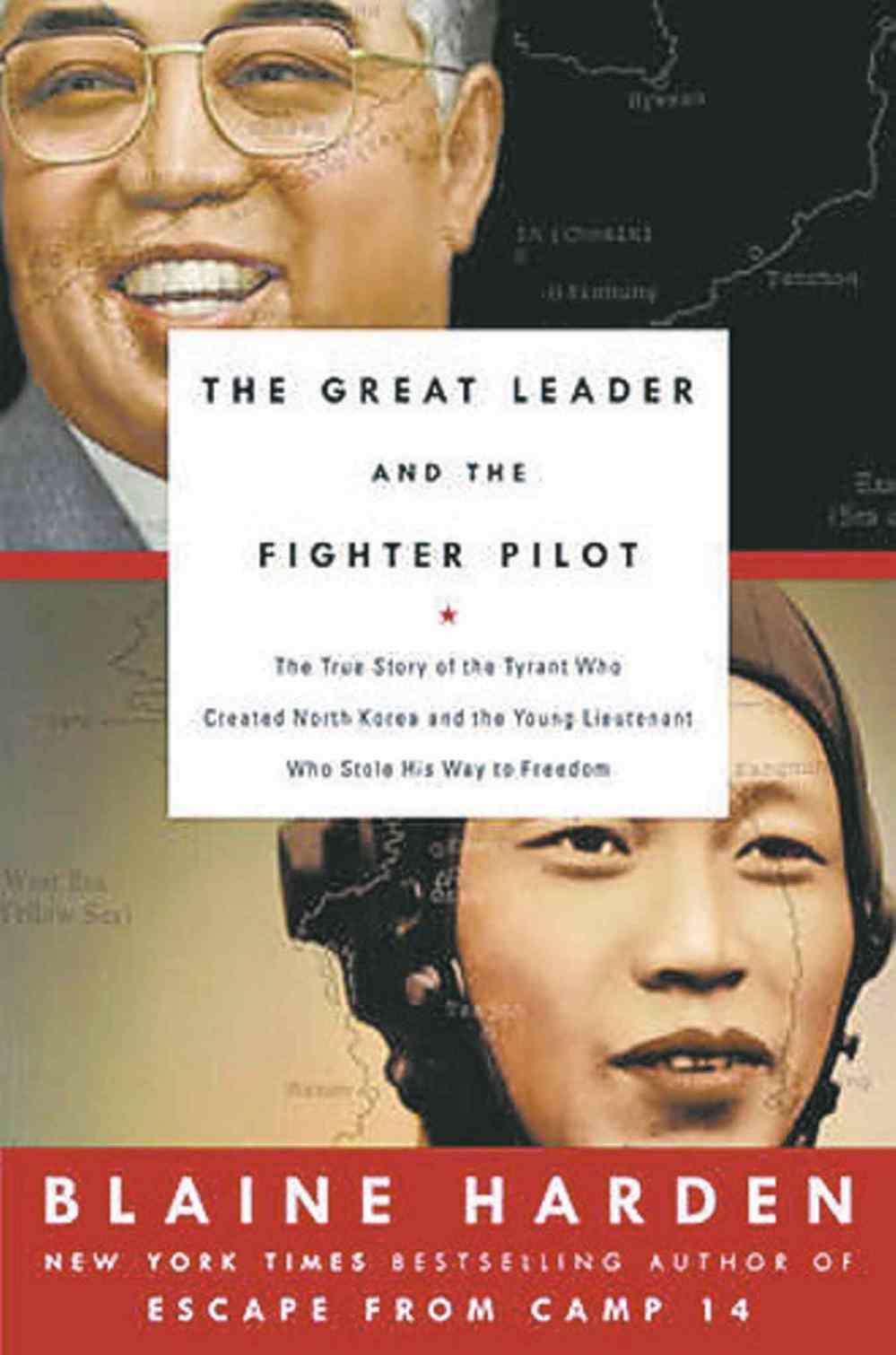
How the northern half of a small peninsula became an international enigma is now explained through two engaging biographies found in an enlightening, deftly-constructed and carefully researched polemic where two intertwined themes are revealed in an all-encompassing subtitle: The True Story of the Tyrant Who Created North Korea and the Young Lieutenant Who Stole His Way to Freedom.
Harden is a veteran correspondent with the Washington Post and a reporter for PBS’s Frontline who also authored a bestseller in 2012 (Escape From Camp 14) that offered a glimpse into North Korea’s highest-security gulag at the same time as another book — Nothing To Envy, published that same year and written by Los Angeles Times foreign bureau chief Barbara Demick — shed more light on North Korea’s secretive society.
Harden’s newest book also presents a brief but balanced analysis of the Korean War, showing how relentless American bombing campaigns so traumatized North Koreans that past, present and future welded into one peculiar status quo.
He traces Kim Il Sung’s ascendancy and subsequent legacy as North Korea’s Communist leader while chronologically following the life-altering moments of No Kum Sok, a young fighter pilot in Kim’s air force.
Harden shows how, when Kim’s armed forces invaded South Korea on June 25, 1950, in an attempt to unify the peninsula under Communist rule, even his Soviet ally, Joseph Stalin, “wondered out loud if the Americans might interfere,” while another ally, China’s Mao, openly viewed Kim as “an irritating incompetent.”
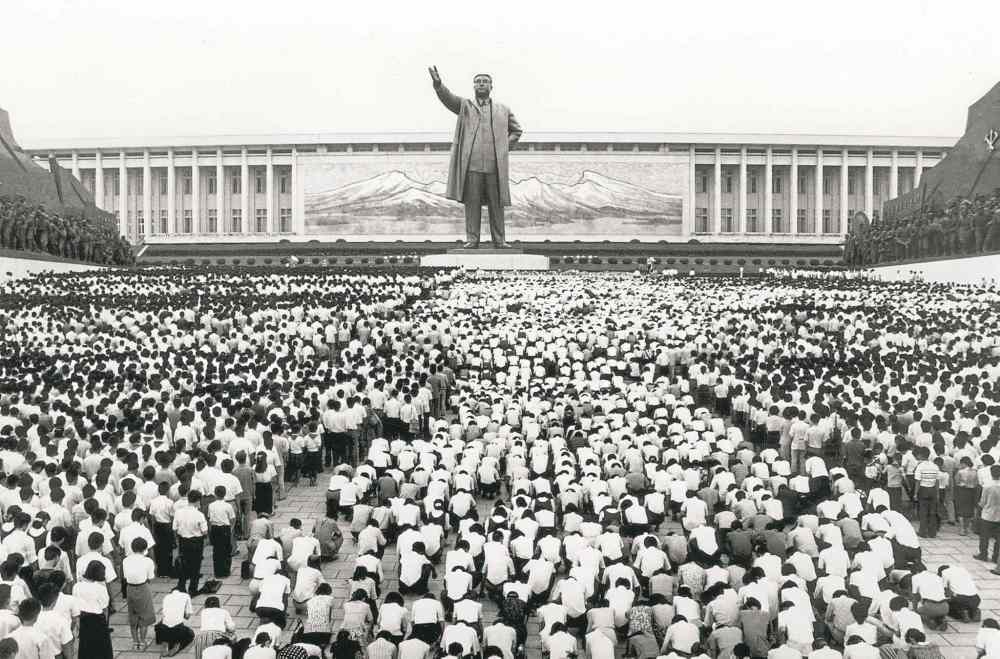
He examines Kim Il Sung’s role as a war strategist, identifying weaknesses the former guerilla leader overcame by promoting a “ridiculous cult of personality,” erecting thousands of statues in his own honour and expanding the scope and severity of Stalinist-style purges while executing hundreds of “hostile and reactionary elements.”
American involvement in protecting South Korea is shown to have been supported by NATO members including Canada, but by affirming the Chinese and Soviet assistance given to Kim’s armed forces, Harden concludes that North Korea simply became a convenient battleground.
When the thinly disguised proxy war between the Cold War’s two superpowers ended July 27, 1953, without a declared winner, Kim not only cleverly manipulated Communist allies to help in reconstructing his country but, according to Harden, also “isolated North Korea from the outside world,” making it a prison state “with the Great Leader as warden.”
The horrendous death toll of North Korean civilians “never embarrassed politicians in the United States,” even though as one example shows, the city of Chongjin was almost obliterated by a massive American bombing campaign that killed “about a hundred thousand people.”
Several decades later, North Korea’s ruling elite still supplements anti-Western rhetoric with chilling narratives about the war, instilling in its citizens an enduring fear and hatred of the U.S. and its allies.
Harden states that the U.S. air force’s bombing and napalming “was a propaganda gift to the Kim family,” now headed by Kim Jong Un, and is a gift that “just keeps on giving.”
Harden’s portrayal of No Kum Sok emphasizes an early dislike of living under stern Communist rule, revealing that by age 13, No “began to dream about stealing away to America.”
He adds that when No was training to be a fighter pilot, he hid his intentions, even helping to produce a pro-Communist newspaper for his airbase and making himself “its hyper Communist editor-in-chief,” fooling Kim’s ubiquitous spies who watched for potential defectors.
No arrived in South Korea shortly after the war ended, landing his MiG-15 among stunned American pilots at an airbase near Seoul, South Korea, after a spectacular 17-minute dash to freedom.

Especially intriguing is Harden’s disclosure of a long-secretive bounty of $100,000 advertised via air-dropped leaflets to Communist pilots during the war as an incentive for delivering one of those fearsome MiG-15s to the U.S. air force.
The young 21-year-old North Korean pilot who did just that, and eventually received the money, is today a wealthy 82-year-old American citizen renamed Kenneth Rowe.
He claims he had no knowledge of a reward when he defected.
Joseph Hnatiuk is a retired teacher in Winnipeg.
History
Updated on Saturday, March 21, 2015 8:18 AM CDT: Formatting.