Bad moon rising
Fogerty details rocky relationship with CCR bandmates, decades of legal troubles

Advertisement
Read this article for free:
or
Already have an account? Log in here »
To continue reading, please subscribe:

Digital Subscription
One year of digital access for only $205*
- Enjoy unlimited reading on winnipegfreepress.com
- Read the E-Edition, our digital replica newspaper
- Access News Break, our award-winning app
- Play interactive puzzles
*First annual payment billed as $205.00 + GST for one year. This annual subscription will automatically renew at $233.00 + GST every 52 weeks (10% off the regular annual price of $259.35). Offer available to new and qualified returning subscribers only. Cancel any time.
To continue reading, please subscribe:
Add Free Press access to your Brandon Sun subscription for only an additional
$1 for the first 4 weeks*
- Enjoy unlimited reading on winnipegfreepress.com
- Read the E-Edition, our digital replica newspaper
- Access News Break, our award-winning app
- Play interactive puzzles
*Your next Brandon Sun subscription payment will increase by $1.00 and you will be charged $17.95 plus GST for four weeks. After four weeks, your payment will increase to $24.95 plus GST every four weeks.
Read unlimited articles for free today:
or
Already have an account? Log in here »
Hey there, time traveller!
This article was published 14/11/2015 (3913 days ago), so information in it may no longer be current.
John Fogerty played a mean axe during his time leading Creedence Clearwater Revival, as well as during his solo career. The songs are so catchy and hold many fond memories for his fans.
So it’s a shame that in his memoir, Fortunate Son, Fogerty instead has an axe to grind with the record company who ripped him off, his old CCR bandmates and even rival rock ‘n’ rollers like the Grateful Dead, rather than focusing more on the great songs he created.
Fogerty joins a cavalcade of rock stars from yesteryear to put out memoirs, but Fortunate Son lacks the self-deprecating humour and heartfelt confessions of Keith Richards’ My Life, which kick-started the trend of baby-boomer musicians becoming authors.
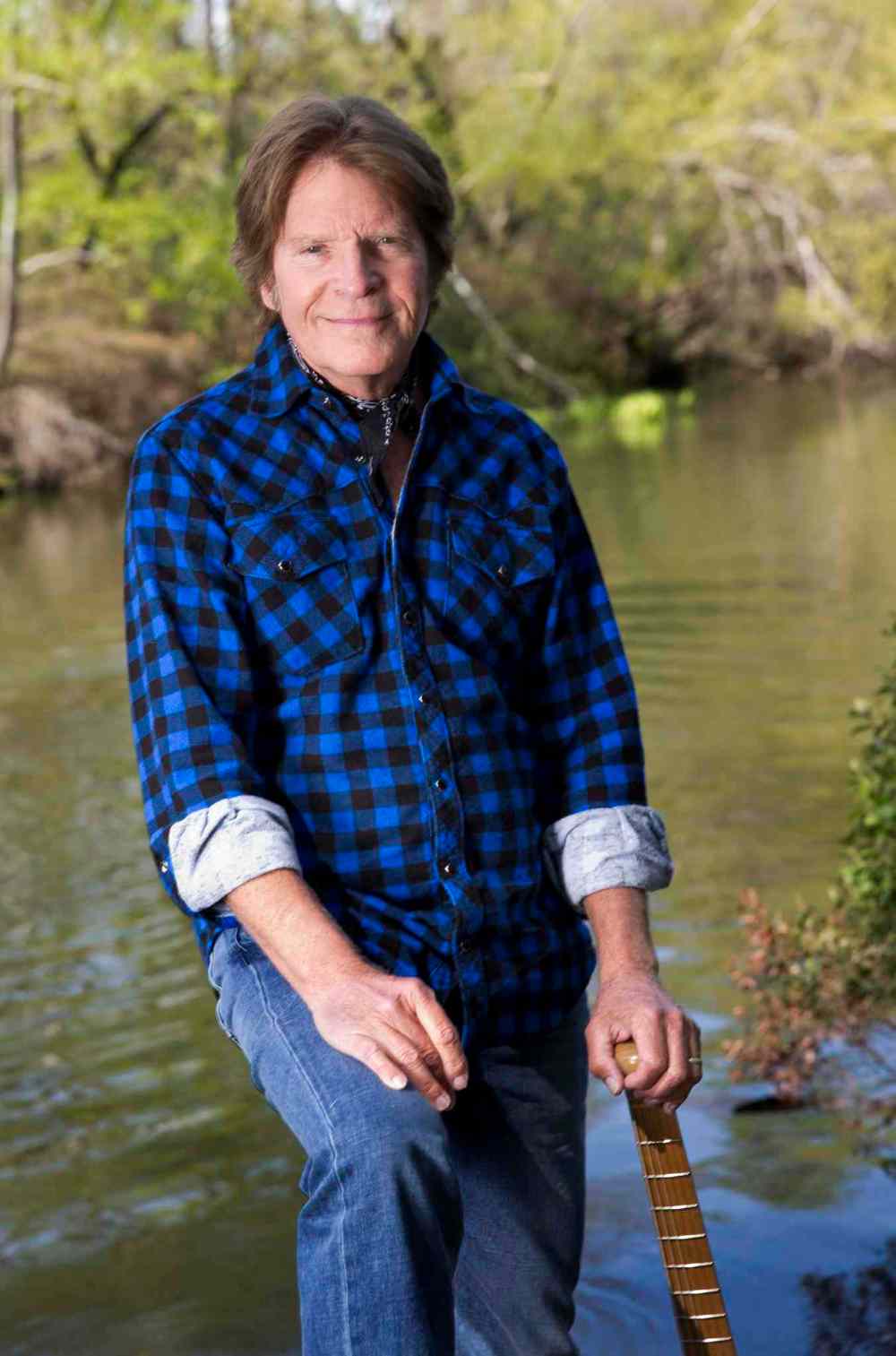
What Fogerty provides is lawsuits galore. His courtroom battles with Fantasy Records’ Saul Zaentz are legend in the rock ‘n’ roll community.
Zaentz signed the band to a hellish contract — Fogerty says it turned him into a songwriting slave — and made Fogerty’s life a misery until Zaentz died in 2014, which was likely the catalyst for Fogerty to tell his life story and unload a lifetime of emotional baggage at the same time.
It’s a veritable run through the legal jungle as Fogerty uses the memoir to once again prove he didn’t plagiarize himself when he wrote The Old Man Down the Road for his 1985 hit album Centerfield.
Fogerty includes some interesting description of the trial, such as expert testimony from music experts who deconstructed The Old Man Down the Road down to each note and compared it to CCR’s Run Through the Jungle, which Fogerty wrote in 1970.
The whole thing would be ridiculous if it wasn’t also true. All the legal wrangling robbed Fogerty of his creativity, he says, and he battled alcohol problems for many years.
Fogerty dusts off some old grudges, giving CCR bandmates Doug Clifford, Stu Cook and even his brother Tom Fogerty a literary hiding for what he calls their betrayals.
The four of them usually shared songwriting royalties while they were together, from 1967 to 1972. But Fogerty never passes up on the opportunity to remind everyone he was the one who wrote all those hits, arranged all those songs and even played most of the instruments when the other guys couldn’t pick up the tunes.
There’s no other side of the story, however, when Fogerty writes that he was just trying to put out the best records he could and dismisses whatever the other guys could do.
Nowadays, Fogerty tours as a solo artist and Clifford and Cook — Tom Fogerty died in 1990 — have created Creedence Clearwater Revisited to join rock’s nostalgia circuit. The chances of the three remaining CCR members getting back together and reliving those five magical years would appear to be less than zero, if Fogerty’s book is to be believed.
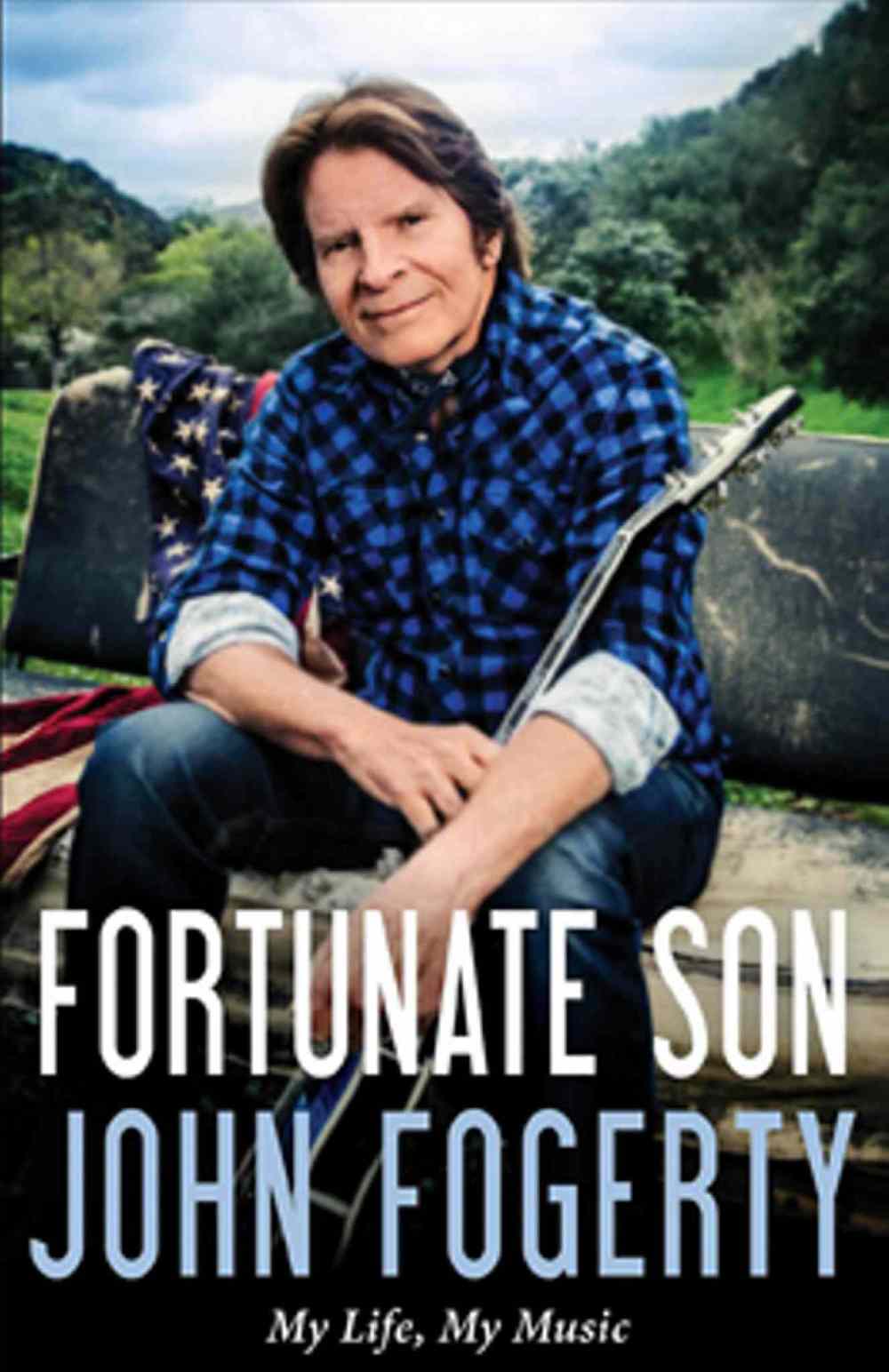
It’s a shame because Fortunate Son is at its best when chronicling CCR’s time together and their coming up with all those hits, taking over the charts after the Beatles broke up.

Fogerty delves into the songwriting process — he even describes which guitar played which part of each song — that provide valuable inspiration for musicians and rock ‘n’ roll fans alike.
He also shares how he pretty much created his classic swamp-rock sound (despite being from California), which proved to be the golden goose for CCR, its loathesome record company, and of course all their lawyers.
Despite all of Fogerty’s contempt, his memoir is far from a failure. It’s actually a fairly good owner’s manual for a rock band; follow CCR’s path to success and you’ll have five awesome years — and over four decades of legal headaches you wouldn’t wish on your worst enemy.
Alan Small is the Arts and Life editor of the Winnipeg Free Press.
Alan Small
Reporter
Alan Small was a journalist at the Free Press for more than 22 years in a variety of roles, the last being a reporter in the Arts and Life section.
Our newsroom depends on a growing audience of readers to power our journalism. If you are not a paid reader, please consider becoming a subscriber.
Our newsroom depends on its audience of readers to power our journalism. Thank you for your support.
Fortunate Son: John Fogerty My Life, My Music
By John Fogerty
Little, Brown, 416 pages, $32
Alan Small
Reporter
Alan Small was a journalist at the Free Press for more than 22 years in a variety of roles, the last being a reporter in the Arts and Life section.
Our newsroom depends on a growing audience of readers to power our journalism. If you are not a paid reader, please consider becoming a subscriber.
Our newsroom depends on its audience of readers to power our journalism. Thank you for your support.
Advertisement Advertise With Us
Advertisement Advertise With Us