

Story of Brazilian drug kingpin not so cut and dried
Advertisement
Read this article for free:
or
Already have an account? Log in here »
To continue reading, please subscribe:
Monthly Digital Subscription
$1 per week for 24 weeks*
- Enjoy unlimited reading on winnipegfreepress.com
- Read the E-Edition, our digital replica newspaper
- Access News Break, our award-winning app
- Play interactive puzzles
*Billed as $4.00 plus GST every four weeks. After 24 weeks, price increases to the regular rate of $19.95 plus GST every four weeks. Offer available to new and qualified returning subscribers only. Cancel any time.
Monthly Digital Subscription
$4.99/week*
- Enjoy unlimited reading on winnipegfreepress.com
- Read the E-Edition, our digital replica newspaper
- Access News Break, our award-winning app
- Play interactive puzzles
*Billed as $19.95 plus GST every four weeks. Cancel any time.
To continue reading, please subscribe:
Add Free Press access to your Brandon Sun subscription for only an additional
$1 for the first 4 weeks*
- Enjoy unlimited reading on winnipegfreepress.com
- Read the E-Edition, our digital replica newspaper
- Access News Break, our award-winning app
- Play interactive puzzles
*Your next Brandon Sun subscription payment will increase by $1.00 and you will be charged $17.95 plus GST for four weeks. After four weeks, your payment will increase to $24.95 plus GST every four weeks.
Read unlimited articles for free today:
or
Already have an account? Log in here »
Hey there, time traveller!
This article was published 09/01/2016 (3772 days ago), so information in it may no longer be current.
If one seeks contemporary proof of Shakespeare’s adage about how “uneasy lies the head that wears a crown,” there are few better places to took than Brazil.
Current president Dilma Rousseff is dogged by charges of corruption and faces the prospect of impeachment. Her chief opponent, Eduardo Cunha, the speaker of the lower house of the Brazilian congress, may also be finding it hard to get a good night’s sleep — a congressional investigation was recently launched into the source of the funds in his overseas bank accounts.
Even those who set aside the crown might well be tossing and turning: investigators are nipping at the heels of former president Luiz In°cio Lula da Silva. While in office, this former trade unionist not only presided over a period of sustained economic expansion, he put in place policies that directed the benefits of that growth to the economically disadvantaged. The revelation that many of his associates had sticky fingers threatens to taint his legacy.
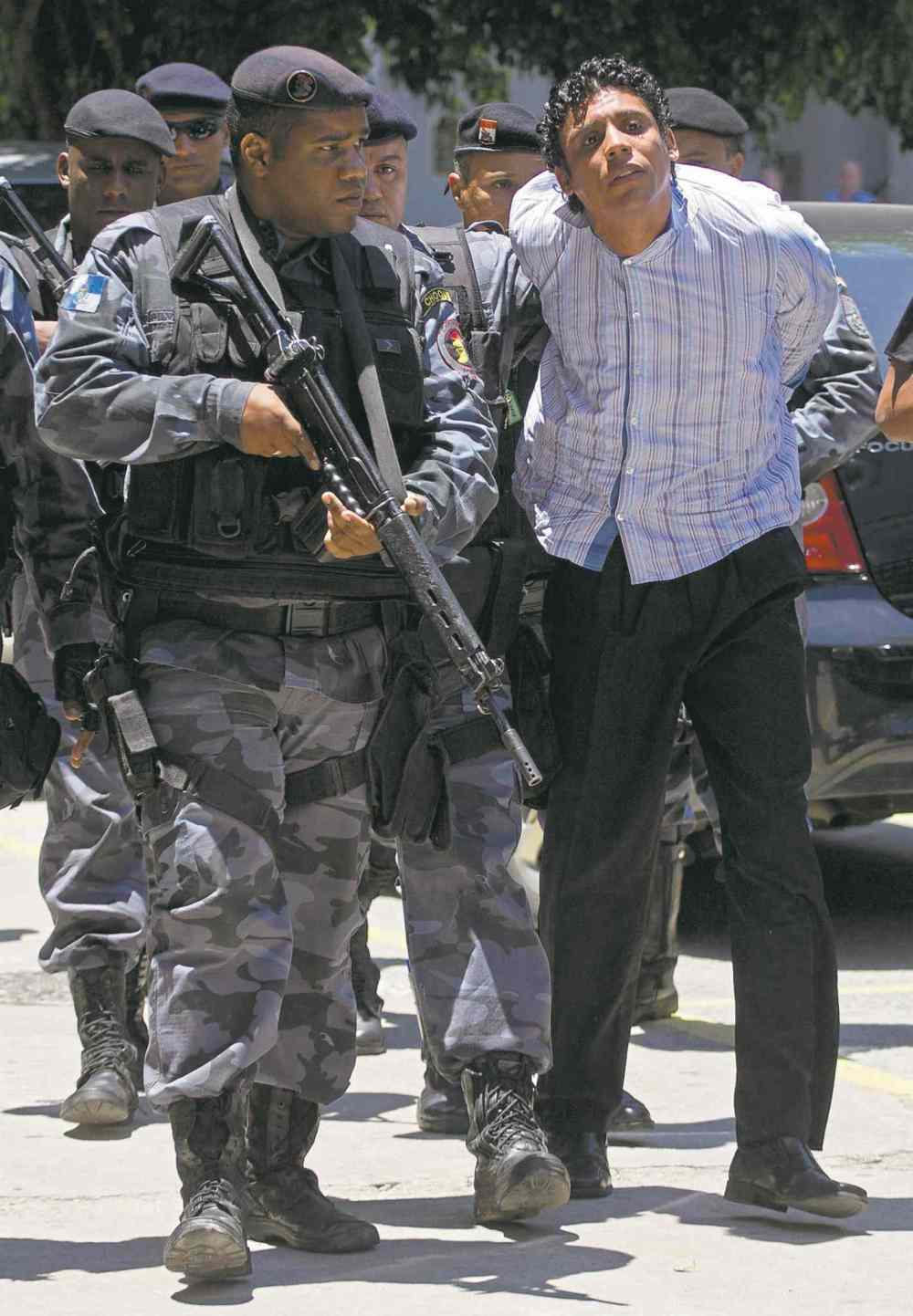
British journalist Misha Glenny’s new book, Nemesis: One Man and the Battle for Rio, is an attempt to burnish the reputation of another Brazilian who reached the top only to take a terrible fall. Ant¥nio Francisco Bonfim Lopes, who came to be known simply as “Nem,” was the Don of Rocinha, one of the favelas or slum of Rio de Janeiro, for six years. One of his predecessors was murdered in the prison cell from which he had for many years overseen drug trafficking in Rocinha, his successor was allegedly assassinated by members of an elite police squad, another leader died in a shootout with the police, while yet another was shot down by rival gangsters.
The gangs that these men led made their money selling marijuana and cocaine, often to residents of the city’s more affluent districts. They ran Rochinha as their own fiefdom, imposing despotic order on communities that the state had for decades largely abandoned. When one of them tried to retire, chaos broke and the police forced him to return to restore order.
Glenny portrays Nem as a mixture of Don Corleone, Robin Hood and Boss Tweed. Forced into a life of crime to pay for his daughter’s medical treatment, he used a portion of his cocaine profits to provide social services to residents of the favela. His soldiers also served as an informal police force, putting an end to theft and violent crime. According to Glenny, the murder rate fell by two-thirds during the years Nem was in charge.
Glenny stresses it was Nem’s policy to keep violence to a minimum, suggesting events only turned tragic when his youthful supporters slipped from his control.
This does not easily square with Nem’s treatment of the various women in his life. Glenny attributes the death rates and the violence against his wives and girlfriends to a mix of macho culture and political necessity, writing that Nem “believed that he had no choice but to behave high-handedly, even violently towards his several women in order to sustain his authority.”
Here, as in several points in the narrative, Glenny comes dangerously close to serving as Nem’s apologist rather than his chronicler.
Nem’s career as crime boss came to a safe end in November 2011 when he was either captured by police or succeeded in turning himself in — as with much of this story, it all depends on whose version you choose to believe. The hero of the book is currently is in prison, perhaps to be shortly joined by the country’s current leaders.
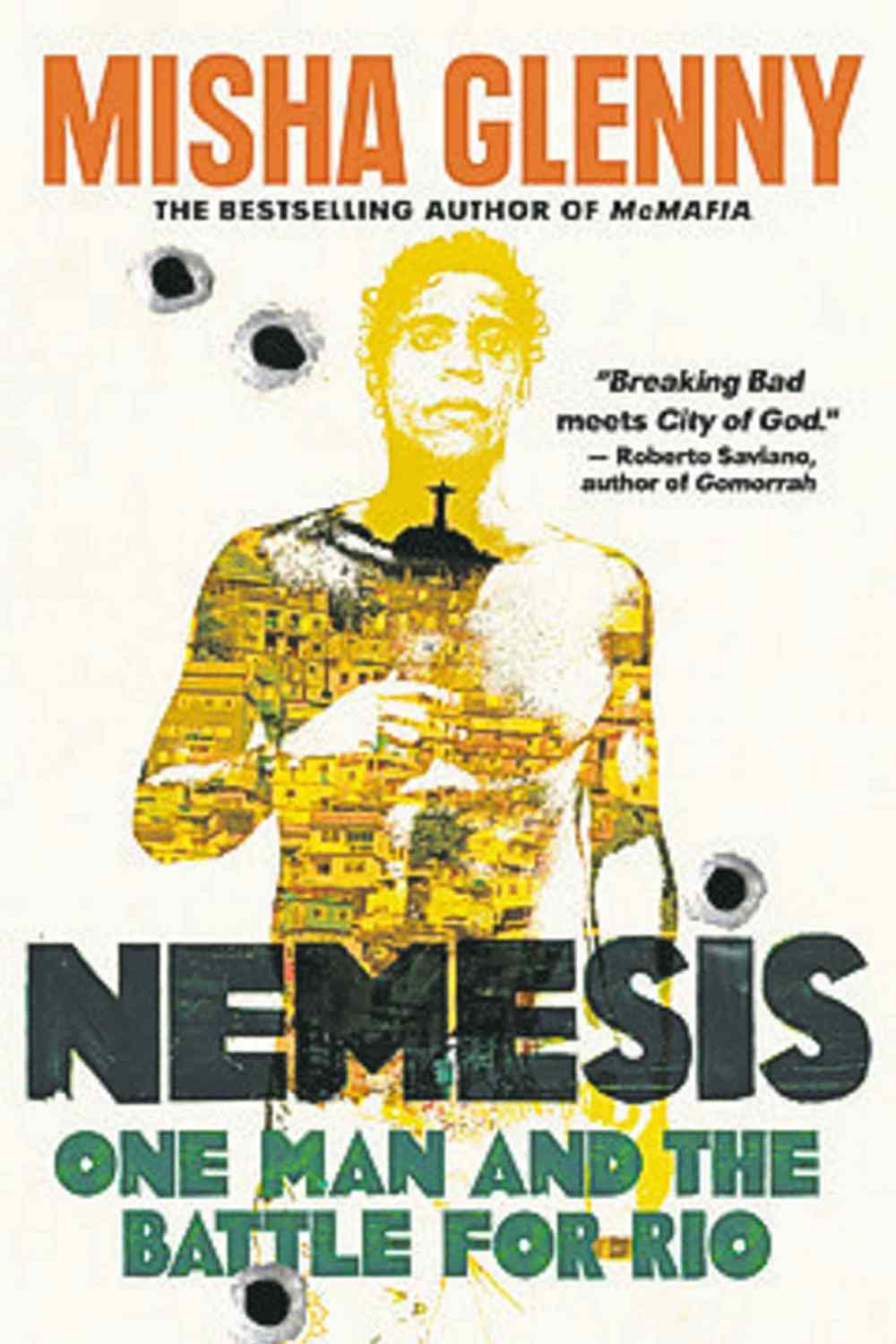
If Glenny’s tale is true then Nem, like his future cellmates, is a good person caught up in a bad system, working to ease the lives of the nation’s dispossessed by ensuring a portion of the revenue gained from the sale of commodities was allocated to social spending.
Doug Smith is a Winnipeg writer and editor.
History
Updated on Saturday, January 9, 2016 9:45 AM CST: Formatting.