Mark Kingwell’s dense essays disappoint
Advertisement
Read this article for free:
or
Already have an account? Log in here »
To continue reading, please subscribe:

Digital Subscription
One year of digital access for only $205*
- Enjoy unlimited reading on winnipegfreepress.com
- Read the E-Edition, our digital replica newspaper
- Access News Break, our award-winning app
- Play interactive puzzles
*First annual payment billed as $205.00 + GST for one year. This annual subscription will automatically renew at $233.00 + GST every 52 weeks (10% off the regular annual price of $259.35). Offer available to new and qualified returning subscribers only. Cancel any time.
To continue reading, please subscribe:
Add Free Press access to your Brandon Sun subscription for only an additional
$1 for the first 4 weeks*
- Enjoy unlimited reading on winnipegfreepress.com
- Read the E-Edition, our digital replica newspaper
- Access News Break, our award-winning app
- Play interactive puzzles
*Your next Brandon Sun subscription payment will increase by $1.00 and you will be charged $17.95 plus GST for four weeks. After four weeks, your payment will increase to $24.95 plus GST every four weeks.
Read unlimited articles for free today:
or
Already have an account? Log in here »
Hey there, time traveller!
This article was published 23/01/2016 (3854 days ago), so information in it may no longer be current.
There’s lots of fresh insights in University of Toronto philosopher Mark Kingwell’s latest book, but they’re frequently obscured by his ponderous prose.
Kingwell is much-published (16 prior books). His best-known work is 2002’s snappily titled In Pursuit of Happiness: Better Living from Plato to Prozac.
He earned his writerly chops as a columnist for the National Post in the late 1990s, so he knows how to write for a mass-market audience.
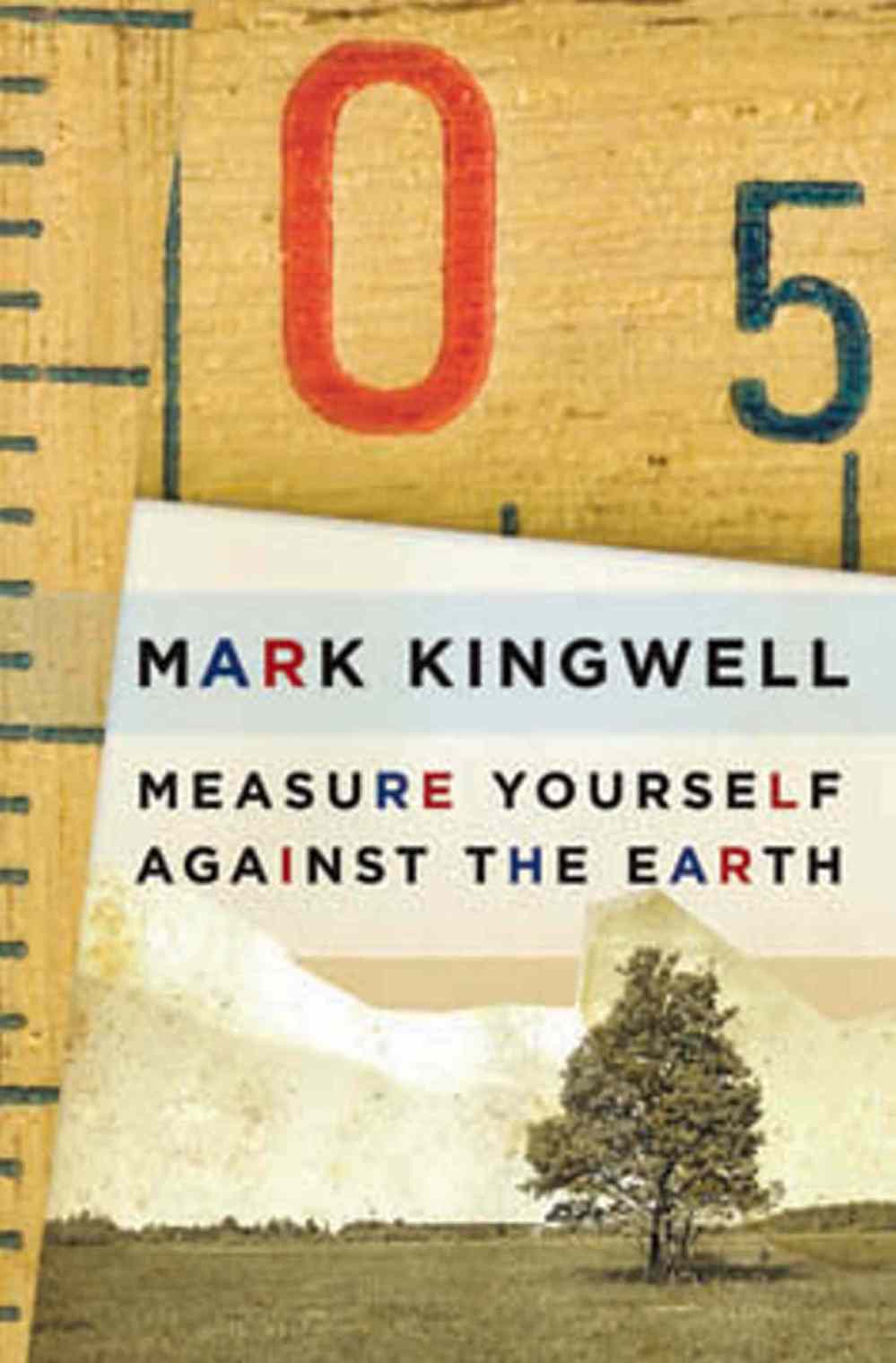
Which is why this collection is a disappointment.
The 26 pieces are loosely collected under five topics: travel, writers and writing, ethics, words and images and meditations (personal and political).
Kingwell examines a grab bag of mainly cultural stuff: architecture, photography, grammar (the Oxford comma’s disappearance), once-famous-now-forgotten 20th-century writers (Michael Arlen, Carl Van Vechten), hotel bars as venues of seduction, the future of reading, the self-made-man archetype in American fiction, urban architecture and landscapes.
The quality of the essays varies wildly; worse, far too many aren’t accessible to the average reader. Unless you have a grounding in philosophy, esthetics, social contract theory or law, you can’t begin to grasp some of his arguments. Even if you have the credentials, it’s often tough to follow.
Witness, for example, the following:
“If corporations are persons under the law, giving them rights and limited liability, perhaps persons should consider themselves corporations: that is, as entities composed not, primarily, of individual needs and desires driven from a notional ‘inside’ but, rather, nodes or clusters of the shared social imaginary. Thus our struggles to seek and find happiness, to sustain life narratives, to realize desires which we can never fully comprehend in ourselves.”
Or this: “If the Barcelona Pavilion is a kind of essay in the negative capability of affordances, offering a sort of phenomenological bracketing of everyday spaces, the gallery-wall drawings are its necessary inverse, the wall itself brought into sharp focus.”
Sometimes you’re left to conclude his denser assertions aren’t profound at all — just muddled.
There’s also a dubious editorial decision in how the book rolls out. Kingwell and his editors chose to lead with the book’s longest and least-accessible piece, The Asshole Effect and the Honeymoon of Stupidity. It considers everything from public rudeness to electoral politics, but it’s so full of five-dollar words and grandiose sentences weighed down by multiple subordinate clauses, readers are apt to abandon the book right then and there.
Which is a shame, because he floats some interesting observations in subsequent essays. In fact, following the book’s lamentable introductory piece is an excellent trio of essays on walking — walking in cityscapes, walking in philosophy and literature, and walking as a trigger of memory.
But too many of the interesting ideas in this collection are submerged in sanctimonious language that renders them dull and opaque. Better had Kingwell returned to the chattier, less didactic prose style that earned him a wide audience via his National Post columns.
Douglas J. Johnston is a Winnipeg lawyer and writer.