Viola the vanguard
Desmond's plight highlights a history of segregation in Canada
Advertisement
Read this article for free:
or
Already have an account? Log in here »
To continue reading, please subscribe:

Digital Subscription
One year of digital access for only $205*
- Enjoy unlimited reading on winnipegfreepress.com
- Read the E-Edition, our digital replica newspaper
- Access News Break, our award-winning app
- Play interactive puzzles
*First annual payment billed as $205.00 + GST for one year. This annual subscription will automatically renew at $233.00 + GST every 52 weeks (10% off the regular annual price of $259.35). Offer available to new and qualified returning subscribers only. Cancel any time.
To continue reading, please subscribe:
Add Free Press access to your Brandon Sun subscription for only an additional
$1 for the first 4 weeks*
- Enjoy unlimited reading on winnipegfreepress.com
- Read the E-Edition, our digital replica newspaper
- Access News Break, our award-winning app
- Play interactive puzzles
*Your next Brandon Sun subscription payment will increase by $1.00 and you will be charged $17.95 plus GST for four weeks. After four weeks, your payment will increase to $24.95 plus GST every four weeks.
Read unlimited articles for free today:
or
Already have an account? Log in here »
Hey there, time traveller!
This article was published 06/02/2016 (3822 days ago), so information in it may no longer be current.
In 1946, Viola Desmond, a young Halifax beautician and businesswoman, walked into the Roseland Theatre in New Glasgow and sat downstairs in the “whites only” section. She was arrested.
Forcibly removed from the theatre by the male manager and a police officer, she was hauled to the county jail where she remained in a small cell overnight. Brought before a local judge the next day, she was found guilty of “not paying the one-cent difference in the tax between the seats in the two sections of the theatre.”
More than a half a century later, in 2010, Nova Scotia granted an apology and free pardon to Desmond, who died in 1964 at the age of 50.
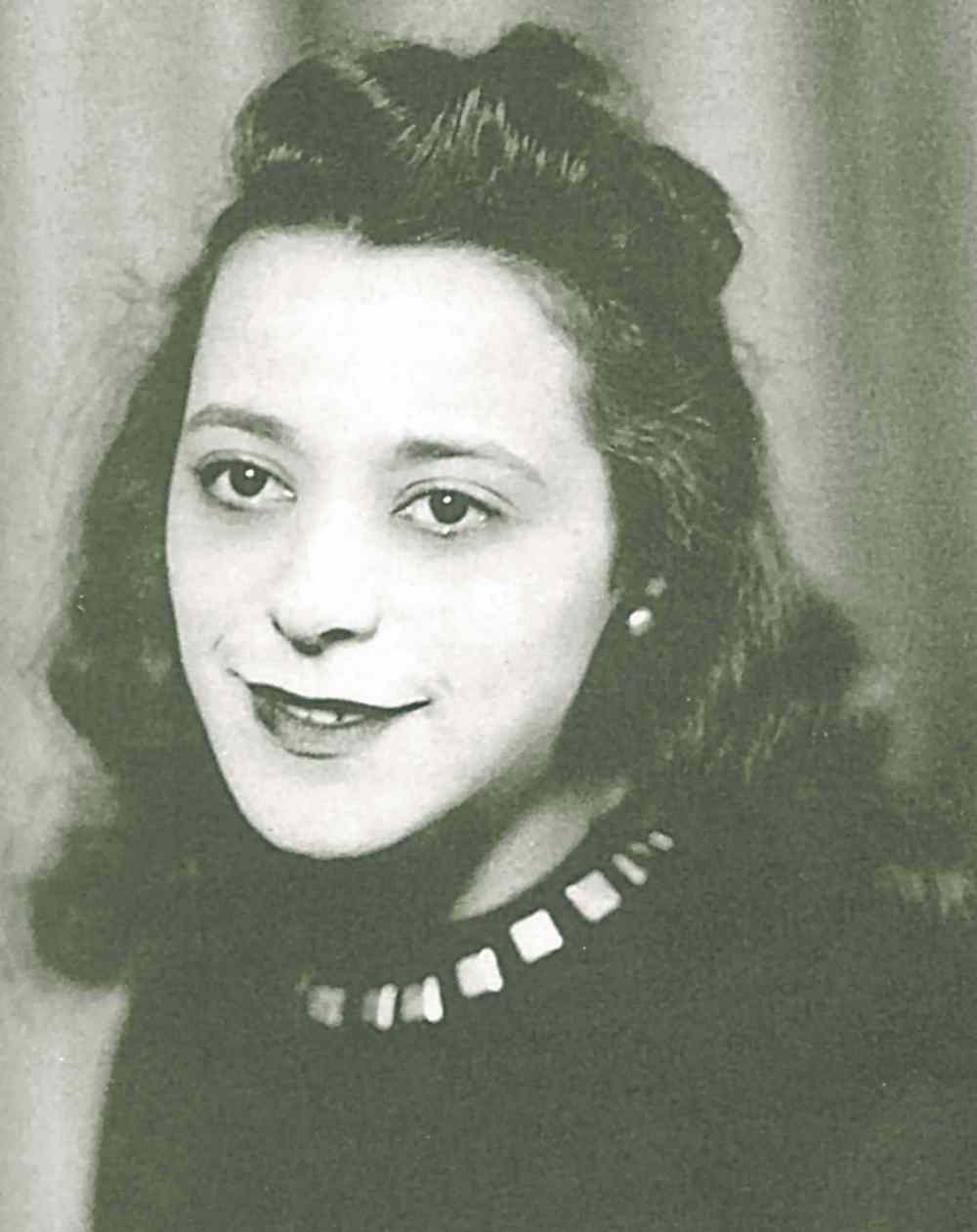
Desmond’s refusal to move from the “whites only” section took place nine years before Rosa Parks’ famous refusal in the United States, but still today many Canadians are unfamiliar with Desmond’s story or even that racial segregation, the Ku Klux Klan and slavery existed in Canada.
That’s the gist of Graham Reynolds’ scholarly, informative contribution to African-Canadian history, which documents the segregated Canada that Desmond grew up in.
A professor of history at Cape Breton University, Reynolds collaborated with Desmond’s younger sister, Wanda Robson, whose personal story and the way it intertwines with her sister’s is also included.
The slender volume is being published just in time to coincide with Black History Month, celebrated in February in both Canada and the U.S.
Far from a light read, the first two chapters are fairly academic in tone, and are densely packed with facts and details. Each chapter is followed by copious notes, and numerous references are listed at the end.
Thankfully, an abundance of historic documents, old photos, letters and newspaper articles support and enhance the narrative.
“What Canadians do know is often the American example,” says Reynolds. Canadians may know of the Underground Railroad, for example, but “very little, if any, attention is given to the larger context of this history, particularly to the struggle among former slaves and other black immigrants” and the “discrimination and segregation that they experienced after arriving in Canada.”
Reynolds begins by tracing some of the history of slavery from its establishment “under French rule in the 18th century” to the Underground Railroad of the 19th century. “The French, along with the British, Dutch, Spanish and Portuguese were major players in the slave trade,” he says, with the importation of African slaves to Canada beginning in 1687.
Reynolds notes newspapers in Lower Canada, as early as 1752, carried advertisements for slaves. One ad that year listed six slaves for sale, among them young boys “healthy and well shaped” and a female “negro wench… Creole born.”
He describes the arrival of Loyalist slaveholders to Nova Scotia, discusses the defence of slavery in America and quotes Thomas Jefferson as saying that blacks were “inferior to the whites in the endowments of both body and mind.”
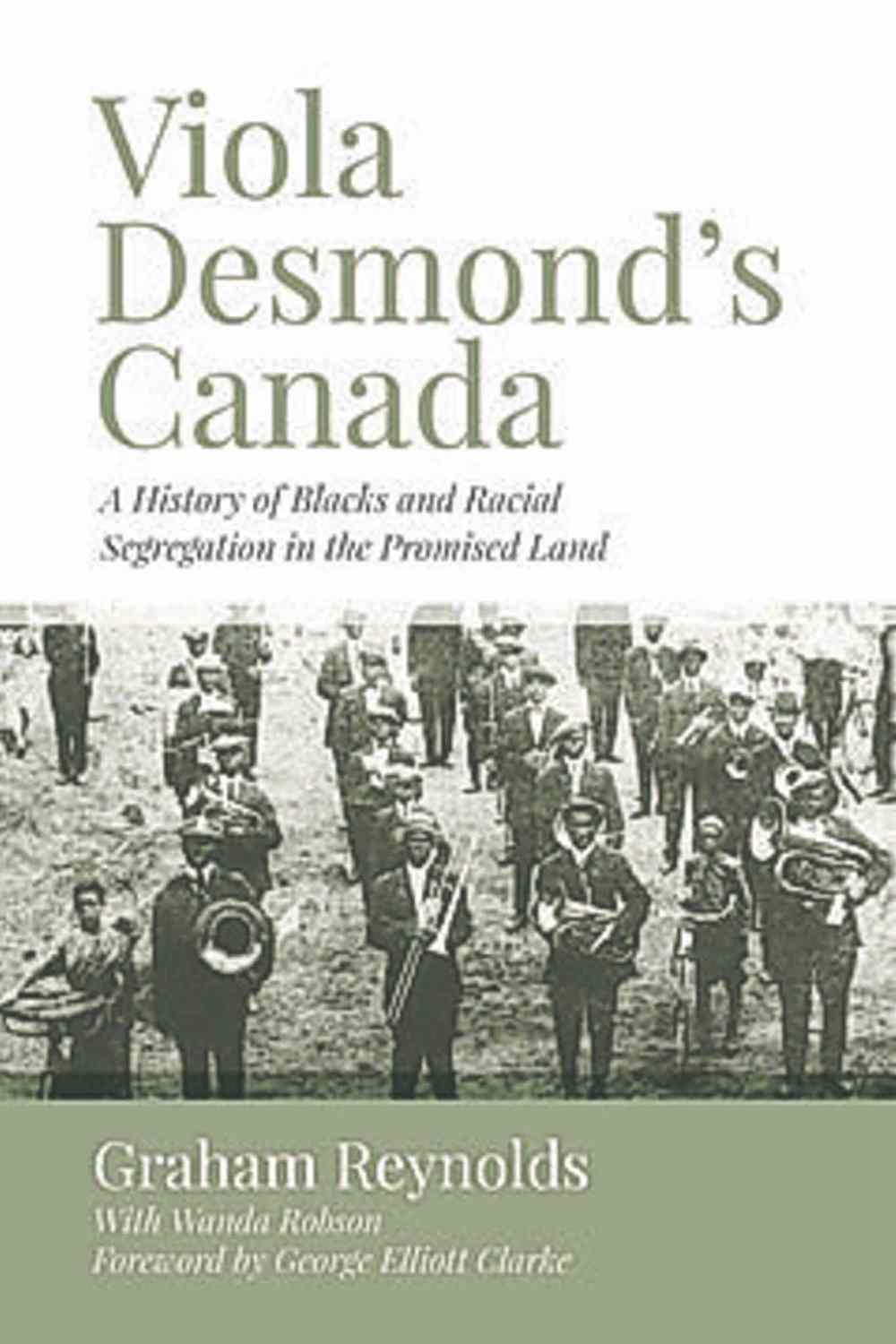
Slavery was abolished by the British Empire in 1834 but racism continued long after, he explains, with segregation being practised unevenly in Canadian schools, theatres, restaurants, hotels and many other public places.

He focuses to a large extent on Nova Scotia, where Viola Desmond and many African-Canadians lived, but also on parts of Ontario. Dresden, Ont., he notes, was the subject of an exposé by Maclean’s in 1949 and was “infamous as one of Canada’s most visibly racist communities.” In Dresden, Reynolds notes, blacks were not allowed to enter hotels, restaurants, regular barber shops or churches at all.
In later chapters Reynolds describes the “dramatic growth of the Ku Klux Klan which reached its peak during the late 1920s.” He also describes Pearleen Oliver and her pioneering efforts to allow black women into nursing schools in Canada.
Reynolds explores a dark chapter of Canada’s past, much of which is eye-opening and disturbing. The stories of Viola Desmond and Pearleen Oliver are perhaps the most accessible, but the book’s more scholarly beginning, once navigated, provides much valuable background to anyone interested in Canadian history.
Cheryl Girard is a Winnipeg writer.