A mother’s guilt
Parents of Columbine killer missed warning signs
Advertisement
Read this article for free:
or
Already have an account? Log in here »
To continue reading, please subscribe:

Digital Subscription
One year of digital access for only $205*
- Enjoy unlimited reading on winnipegfreepress.com
- Read the E-Edition, our digital replica newspaper
- Access News Break, our award-winning app
- Play interactive puzzles
*First annual payment billed as $205.00 + GST for one year. This annual subscription will automatically renew at $233.00 + GST every 52 weeks (10% off the regular annual price of $259.35). Offer available to new and qualified returning subscribers only. Cancel any time.
To continue reading, please subscribe:
Add Free Press access to your Brandon Sun subscription for only an additional
$1 for the first 4 weeks*
- Enjoy unlimited reading on winnipegfreepress.com
- Read the E-Edition, our digital replica newspaper
- Access News Break, our award-winning app
- Play interactive puzzles
*Your next Brandon Sun subscription payment will increase by $1.00 and you will be charged $17.95 plus GST for four weeks. After four weeks, your payment will increase to $24.95 plus GST every four weeks.
Read unlimited articles for free today:
or
Already have an account? Log in here »
Hey there, time traveller!
This article was published 26/03/2016 (3803 days ago), so information in it may no longer be current.
When Edvard Munch painted his torturous image of open-mouthed agony shrieking in existential terror and named it The Scream, Sue Klebold of Colorado wouldn’t be born for another 55 years.
But what Mrs. Klebold learned on a sunny spring afternoon in 1999 was excruciating — even more piercing than the sound of fingernails scratching a blackboard. The Scream became her portrait; The Scream became her.
Thus began this mother’s spiral into an abattoir of madness, of unrelenting demons competing to rise up and destroy her in a world that would hate her for giving birth to a child killer and not foreseeing the horror her beautiful boy would later unleash.
Because that day, April 20, her teenaged son Dylan and a school friend calmly walked into Columbine High School in Jefferson County, Colo. and, in minutes, shot 13 people to death — 12 students and one teacher — and tried to murder another 24 they only wounded. They then committed suicide. It was one of the worst mass killings in U.S. history.
Only three days before, the same Dylan — known in the family as the “Sunshine Boy” — had been enjoying his senior prom.
For Sue, what happened amid the litter of bodies was a life-changing and horrific ambush, as unexpected and bewildering as going to the zoo and finding your kid on display as one of the predators.
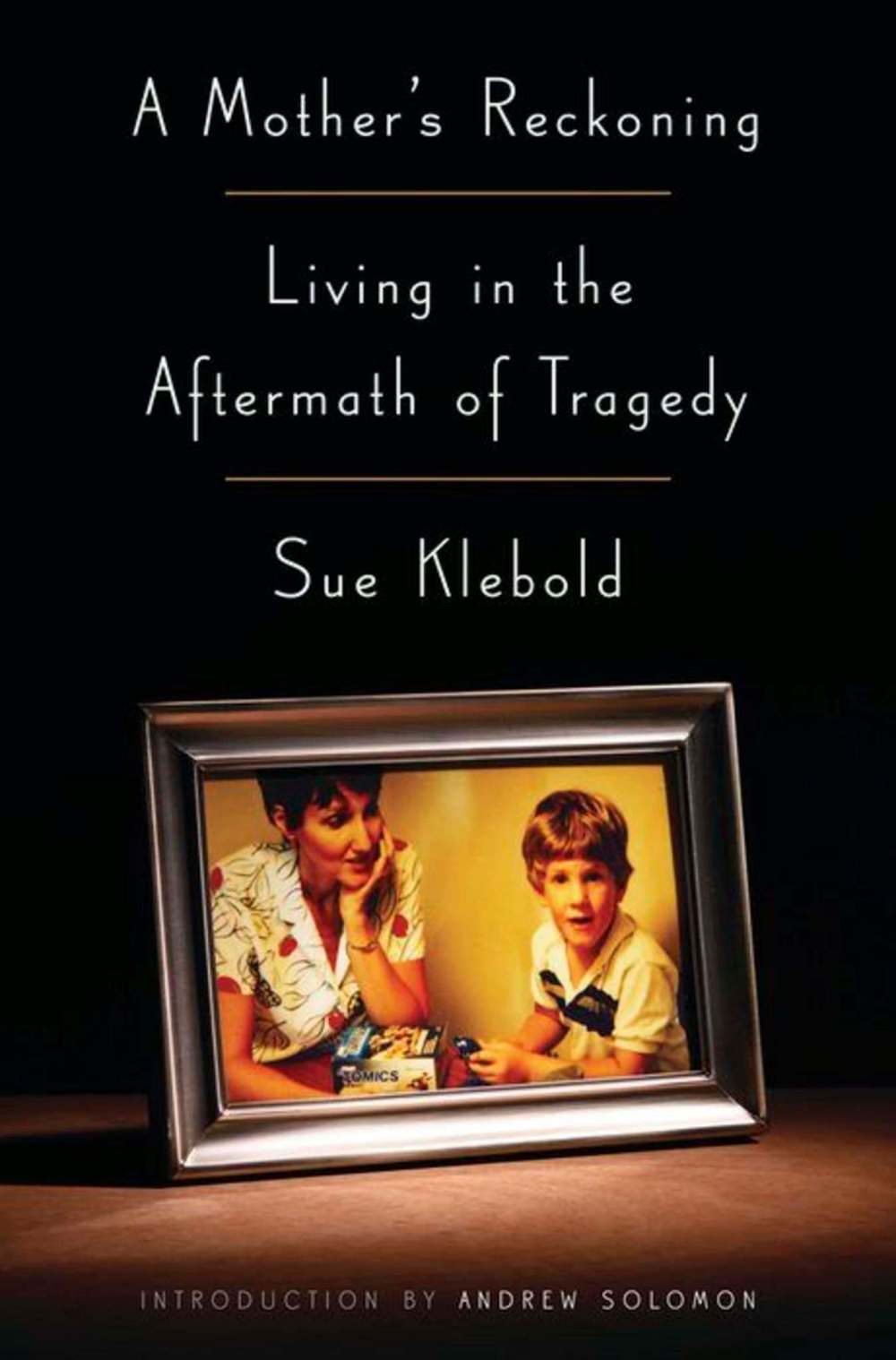
As achingly described in A Mother’s Reckoning — at times the reader may wish Sue Klebold’s searing prose was waterproof — she went within hours from contented suburban life to an infernal world of guilt and self-reproach that she’s still trying to understand and shed with courage, some 17 years after the family nightmare began.
The most riveting statement is her lucid explanation of what she, her husband and their older son did when vociferous legions assaulted both their family integrity and their domestic space to seek revenge for what the angry, ignorant unforgiving said they failed to do — spot the dangers in Dylan’s mind and get him help before it was too late. There were even death threats.
Sue explains that in response to these critical hordes, and amid their tsunami of grief over Dylan’s death and the horror he unleashed, what the Klebolds did in self-defence was cover every window in the house, retreat to a solitary lamp in a backroom, weave themselves into a single protective ball and reassure each other they wouldn’t commit suicide.
To any mom or dad the truth in Sue’s story is frightening: Even though this was a good family, parenthood is a crapshoot — even if you own the casino. There is no Parenthood U.
The Klebolds were a happy couple: educated, mature, intelligent, in an above-average domestic environment, supporting and engaging their boys. They had no reason to suspect much was amiss in the minds of their offspring beyond the odd run-in with immaturity and one minor scrape with the law.
Fear always trumps reason, so it took some time for Sue to begin asking herself questions.
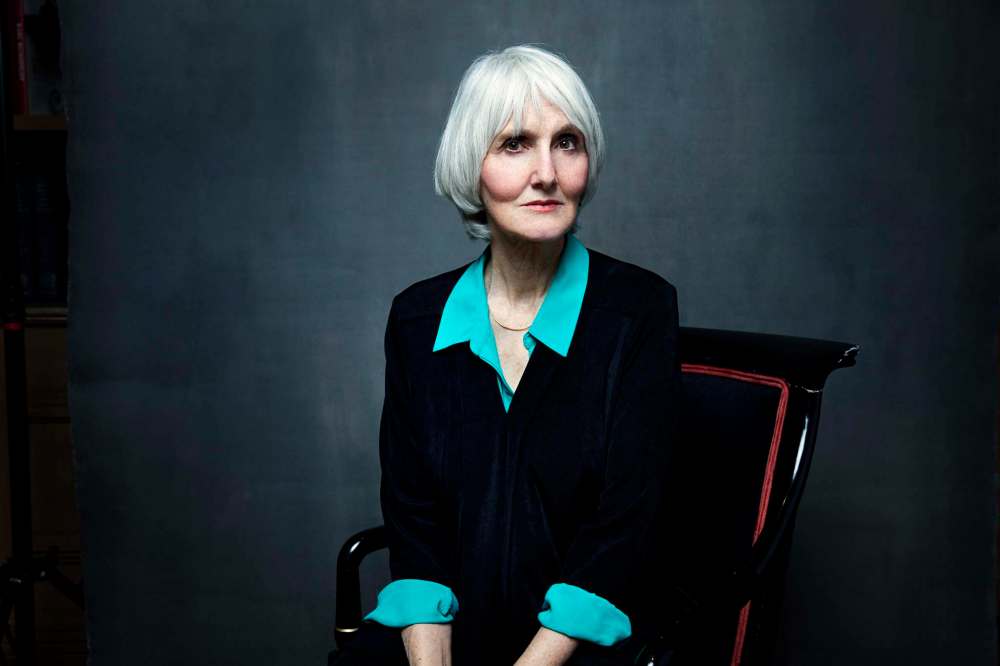
What she found in exhaustive recollection and self-education was that she and Dylan had lived in different worlds — and his was a venue of serious mental illness.
She realizes she had missed warning signs and that her fault was ignorance. Dylan had shown outward indicators of depression and she didn’t know what those signs meant; she’d dismissed them as a part of growing up. She thought any real trouble was behind him. In hindsight, she realizes she had underestimated the depth and severity of his pain.
This book is a confessional littered with regret. Sue’s guilt is profound; when asked if she could ever forgive Dylan, she replies her work is to forgive herself. “I was the one who let him down, not the other way around.”
Since 1975 there have been close to 400 instances of school shootings in the U.S. compared with a dozen in Canada, including one in Winnipeg.
Sue Klebold is such a noble human being, people should stand when she enters the room.
Barry Craig is the father of two boys.