

Beyond the finish line
Famed British racer turned to missionary work in post-Olympic life
Advertisement
Read this article for free:
or
Already have an account? Log in here »
To continue reading, please subscribe:
Digital Subscription
One year of digital access for only $1.44 a week*
- Enjoy unlimited reading on winnipegfreepress.com
- Read the E-Edition, our digital replica newspaper
- Access News Break, our award-winning app
- Play interactive puzzles
*Billed as $5.77 plus GST every four weeks. After 52 weeks, price increases to the regular rate of $19.95 plus GST every four weeks. Offer available to new and qualified returning subscribers only. Cancel any time.
To continue reading, please subscribe:
Add Free Press access to your Brandon Sun subscription for only an additional
$1 for the first 4 weeks*
- Enjoy unlimited reading on winnipegfreepress.com
- Read the E-Edition, our digital replica newspaper
- Access News Break, our award-winning app
- Play interactive puzzles
*Your next Brandon Sun subscription payment will increase by $1.00 and you will be charged $17.95 plus GST for four weeks. After four weeks, your payment will increase to $24.95 plus GST every four weeks.
Read unlimited articles for free today:
or
Already have an account? Log in here »
Hey there, time traveller!
This article was published 27/05/2016 (3658 days ago), so information in it may no longer be current.
Eric Liddell won a gold medal at the Paris Olympic Games in 1924. In 47.6 seconds, the British athlete went from pariah and scapegoat to sports hero and international celebrity, setting an Olympic record in the 400-metre race. The arc of this story provides the thrilling narrative for Chariots of Fire, the film that won the Oscar for Best Picture in 1981.
British author Duncan Hamilton elaborates on that story in For the Glory. He provides the biographical backstory to Liddell’s running career, expands on and corrects some of the movie’s errant sporting details, and then recounts the runner’s remarkable missionary career in China and his final difficult years in a Japanese prison camp.
Liddell was initially an Olympic pariah because he refused to compete in the 100-metre race, where he was the overwhelming favourite. His reason? A strict adherence to his Christian faith prevented him from racing on Sunday, the Lord’s Day.
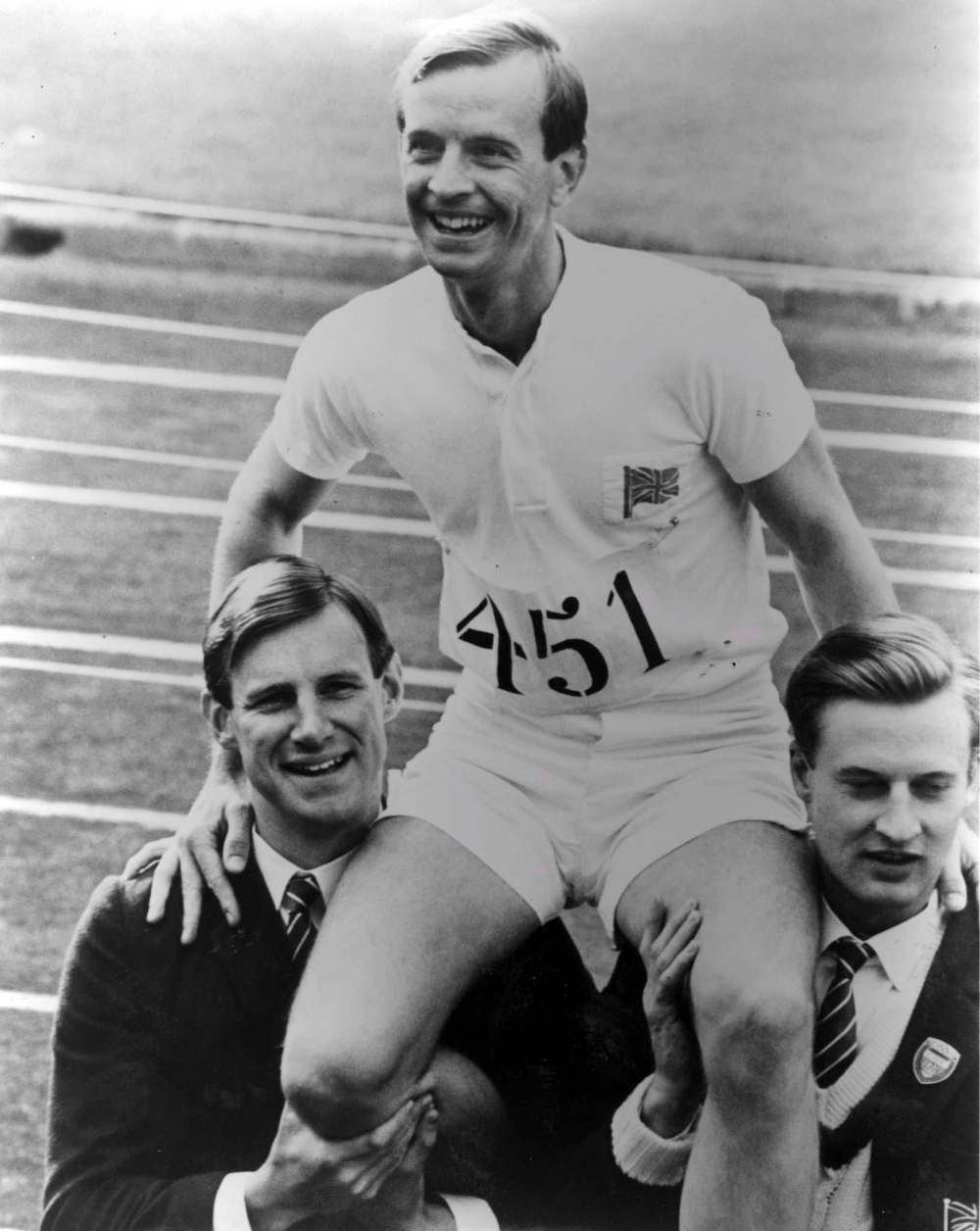
The lazy and incompetent British Olympic Committee failed to get the race date changed, figuring it could bully Liddell into racing by marshalling the press and public opinion against him. Liddell held his ground against a hurricane of public invective and ridicule.
No one expected him to be even vaguely competitive in the 400-metre race. To begin with, his racing form was “the worst in living memory.” He had herky-jerky arm movements, and he hurled his head back as he raced as if he were “trying to swallow a big pill with a gulp of water.” He was also considered to have the wrong kind of physique for a 400-metre specialist, and he prepared for that race at the last minute and inadequately. It was a miracle that he won. (The race can be viewed on YouTube.)
In the opening third of For the Glory, Hamilton demonstrates why he is a renowned sports reporter. Initially, he succinctly intercuts Liddell’s final race in a Japanese prison camp with the Olympic win. His vivid description of the Olympic crowd’s ovation on the opening page demonstrates his award-winning writing skills: “What inspired (the Olympic audience) was not only his roaring performance, but also the element of sacrificial romance wound into his personal story, which unfolded in front of them like the plot of some thunderous novel.”
The rest of Hamilton’s biography is not quite as thunderous as the first third.
Expected to compete again in the 1928 and 1932 Olympics and to reap the financial rewards of his celebrated victory, Liddell instead turned to inspirational preaching and missionary work in Third World conditions in strife-torn China, a place with a particular prejudice against Britain.
Hamilton has thoroughly researched this part of the story — perhaps too thoroughly. He travelled widely, sifted through extensive records and interviewed Liddell’s family and many of his colleagues. The sympathetic portrait of Liddell’s saintly work ethic and charismatic influence does not read like a stodgy research effort; it’s more like a “sacrificial romance,” though it’s a bit too detailed. This so-good man is sometimes hard to take. Hamilton’s hagiography needs some leavening.
The London Missionary Society, which controlled Liddell’s duties in China, comes under particular attack in the final third of the book. In Hamilton’s words, it was “maddeningly inept,” and at best incompetent and misguided. It assigned Liddell to a war-torn and anarchic Siaochang. Conditions were so bad that Liddell had to send his two daughters and pregnant wife to Canada. He would never see them again, dying after four years in a Japanese prison under horrific circumstances.
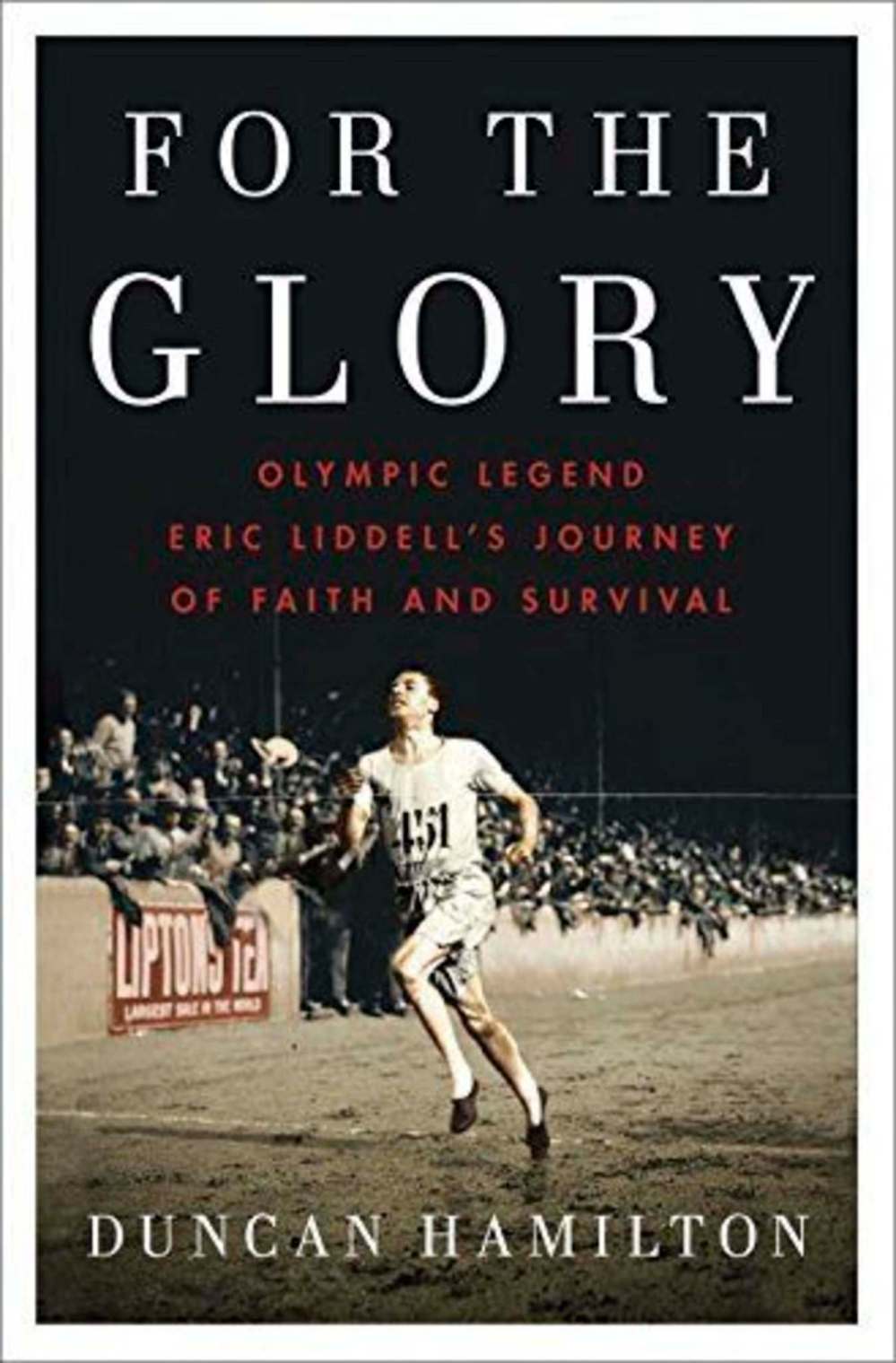
This story of strength and sacrifice will appeal to all sports enthusiasts, especially those disillusioned with today’s selfish athletes and corrupt Olympics.
But it’s bound to have a wider audience among the faith community, as Liddell’s story is a model of what a brave person devoted to his Christian ideals can accomplish.
Gene Walz was a sprinter and cross-country runner in his (long-ago) youth.