

Human touch
Springsteen's magnificent memoir highlights singer's honesty, humility
Advertisement
Read this article for free:
or
Already have an account? Log in here »
To continue reading, please subscribe:
Monthly Digital Subscription
$1 per week for 24 weeks*
- Enjoy unlimited reading on winnipegfreepress.com
- Read the E-Edition, our digital replica newspaper
- Access News Break, our award-winning app
- Play interactive puzzles
*Billed as $4.00 plus GST every four weeks. After 24 weeks, price increases to the regular rate of $19.95 plus GST every four weeks. Offer available to new and qualified returning subscribers only. Cancel any time.
Monthly Digital Subscription
$4.99/week*
- Enjoy unlimited reading on winnipegfreepress.com
- Read the E-Edition, our digital replica newspaper
- Access News Break, our award-winning app
- Play interactive puzzles
*Billed as $19.95 plus GST every four weeks. Cancel any time.
To continue reading, please subscribe:
Add Free Press access to your Brandon Sun subscription for only an additional
$1 for the first 4 weeks*
*Your next subscription payment will increase by $1.00 and you will be charged $16.99 plus GST for four weeks. After four weeks, your payment will increase to $23.99 plus GST every four weeks.
Read unlimited articles for free today:
or
Already have an account? Log in here »
Hey there, time traveller!
This article was published 22/10/2016 (3452 days ago), so information in it may no longer be current.
Longtime fans of Bruce Springsteen fondly remember his first three albums, when his lyrics were more intricately poetic than much of his later work. Those who have seen the E Street Band live have experienced entertaining stories punctuating the power of his music.
Both those aspects are in great and satisfying supply in Springsteen’s much-anticipated autobiography. Anyone wondering if the great songwriter could transfer that talent to long-form prose will be gratified by this magnificent account of struggle, fame, fortune and more struggle. It’s never maudlin, and has the ring of authenticity.
Springsteen’s often-impressionistic prose provides an almost Shakespearean “Fair is foul and foul is fair” vibe. He describes his family and early life: “We were pretty near poor, though I never thought about it.” His mother “ceded me to my grandmother’s total dominion. A timid little tyrant, I soon felt like the rules were for the rest of the world, at least until my dad came home… I loved my entitlement, but I knew it wasn’t right.”
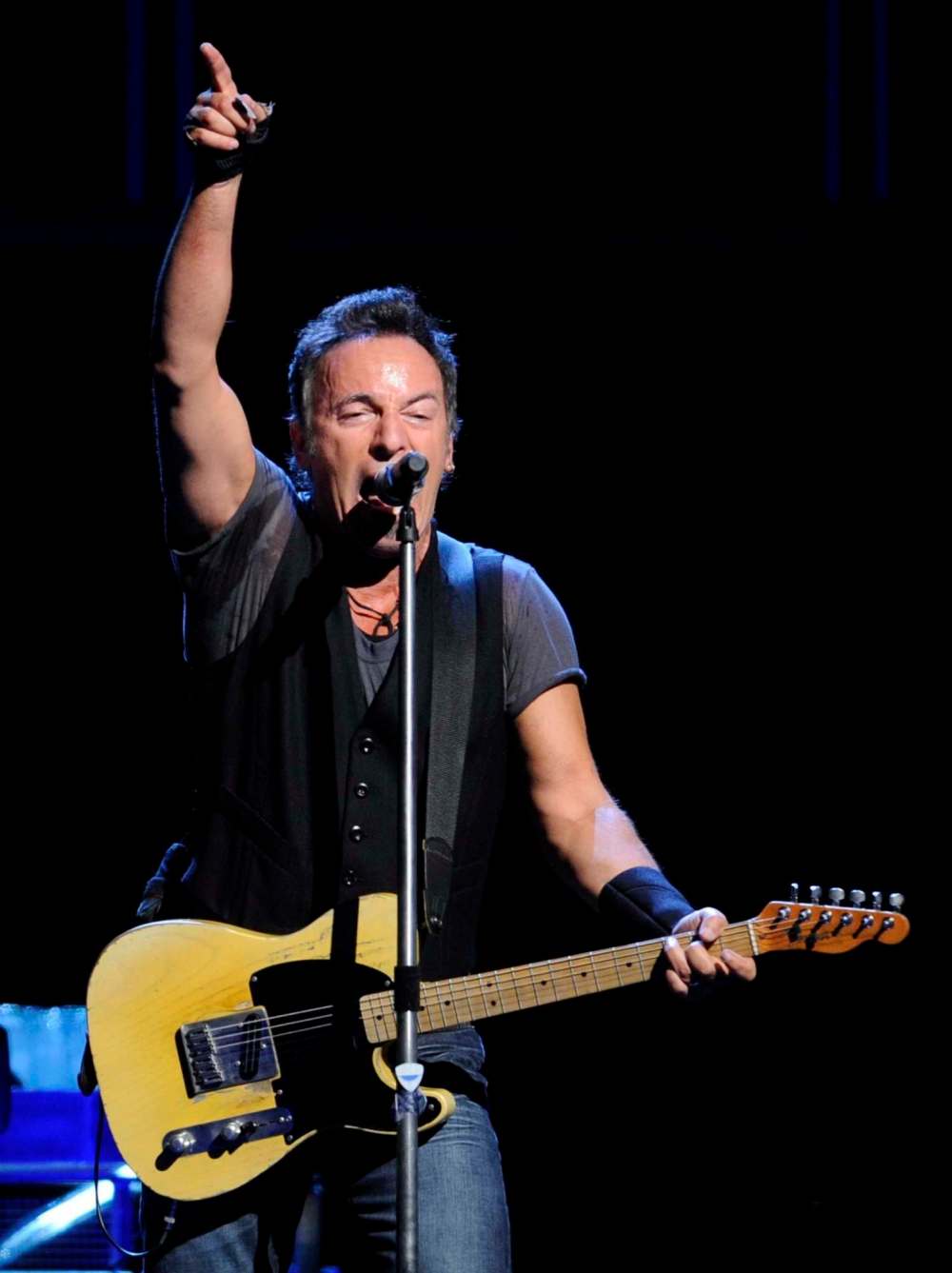
This duality animates stories of family, friends, musicians and life itself. The conflict is most noticeable in Springsteen’s writing about his father, Doug. Oedipal aspects of that relationship recur, rounding out glimpses that have often informed Springsteen’s most poignant songs and concert stories.
Ambivalence to his family and New Jersey roots is balanced by Springsteen’s focus on his developing talents as a musician, and his desire to find independence through rock and roll, a world “below your waist and above your heart.”
Born To Run is peppered with allusions to music — his own as well as that of his idols and influences. Such references provide familiarity even as the poetic prose offers fresh insight into the development of an artist and performer.
Springsteen recalls a tragicomic early band, booked to play a dance at his high school, without a competent bass player but with an amp featuring reverb. Two guitarists “plugged into our rented amp, turned the reverb on full and reduced our sound to a quivering, echoing mash… of submerged instrumentation that sounded like it was being puked up from the bottom of some dragon-infested ocean.”
Springsteen emphasizes his responsibility and pride, such as when he auditions solo for legendary music executive John Hammond (whose career included stars from Billie Holiday to now-Nobel laureate Bob Dylan.)
Independence also led to Springsteen’s insistence that he be the authority in his band: “a benevolent dictatorship; creative input was welcomed within the structure I prepared but it was my name on the dotted line and on the records.” No wonder he’s called “the Boss.”
Still, the gradual development of Springsteen’s musical and personal relationships, often with the same people, is a fascinating story that he tells masterfully. It’s all about him, but he reveals both wrenching and triumphant perspectives on his life and work.
Thoughtful sections on the composing of most of his albums, often song by song, give readers insight into his view of the work he has produced.
Springsteen tells sad, gripping stories about the deaths of E Street band members Clarence Clemons (saxophone) and Danny Federici (organ) and his own evolving heartbreaking understanding of his father. Like a good concert, Born To Run hits high and low notes, bringing the reader into his life.
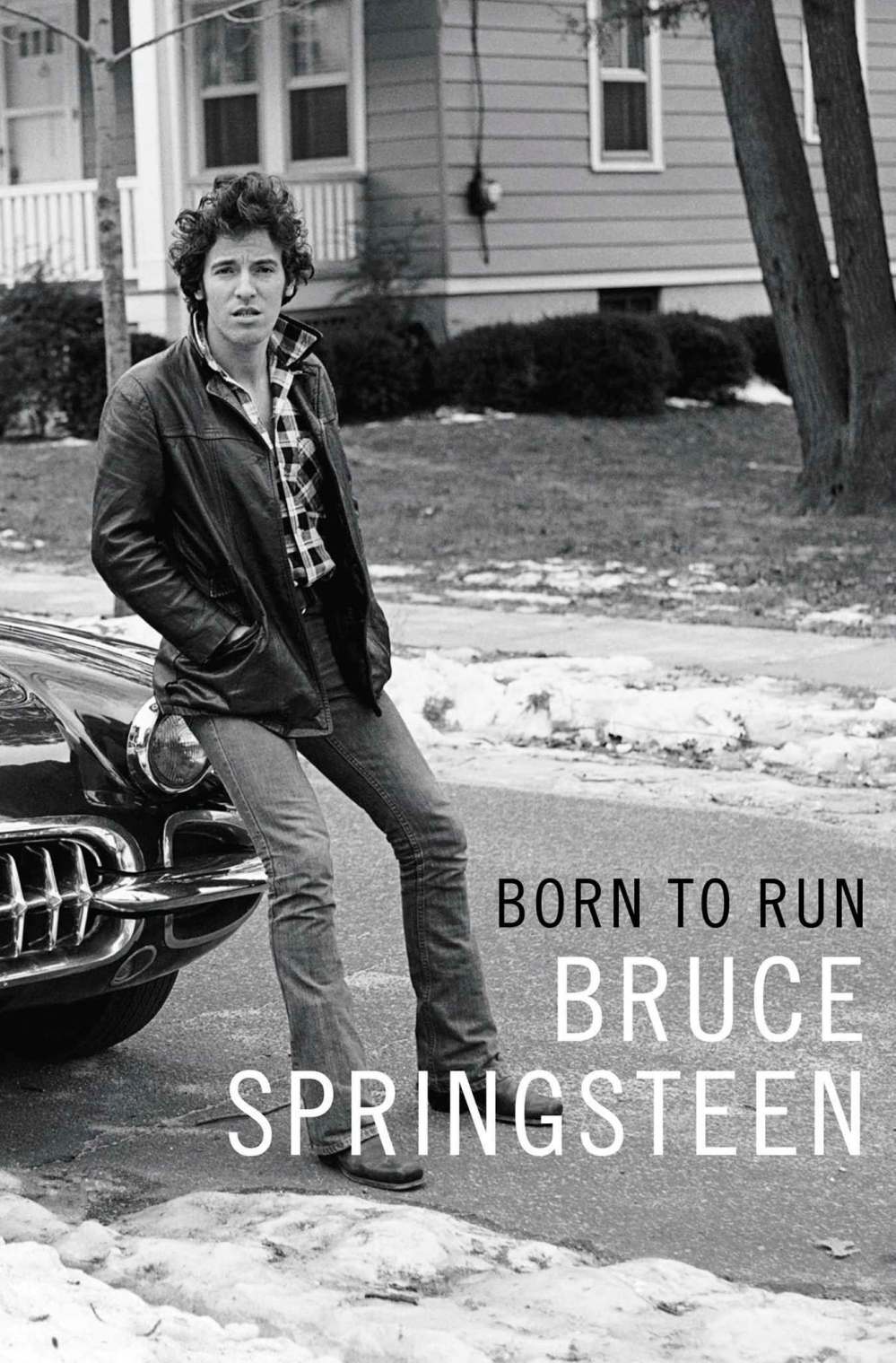
Through the struggles with recording difficulties and legal battles in the ’70s and into his exploding stardom of the ’80s, Springsteen remains star-struck even as he enters the world of greats such as Frank Sinatra and the Rolling Stones. His status as both a fan and a fellow of the stars brings the reader closer to understanding Springsteen’s simultaneous appreciation of and anxiety about the business of rock ’n’ roll, and stardom.
As he matures as an artist and as a family man, Springsteen honestly expresses the depths of his own vulnerability, flailing through and sometimes mastering the throes of depression.
After Born in the U.S.A. made him into a star, he began to think of settling down. Rock ’n’ roll was “a house of dreams, of illusions, delusions, of role-playing and artist-audience transference.” That mega-tour was “the beginning of something, a final surge to try to determine my life as an adult, a family man, and to escape the road’s seductions and confinements.”
Marriage — and eventually divorce and remarriage to singer Patti Scialfa — and kids share the spotlight with music in the book’s last section.
While his most recent reminiscences may lack some of the scope and transcendence of the first 400 pages, Born To Run provides an intimate and exhilarating look at the life and work of a great artist.
Manitoba teacher and writer Bill Rambo has been a fan of the Boss since seeing him live in 1978.