Frame by frame
Zapruder film continues to resonate in era of social media, smartphones
Advertisement
Read this article for free:
or
Already have an account? Log in here »
To continue reading, please subscribe:
Digital Subscription
One year of digital access for only $1.44 a week*
- Enjoy unlimited reading on winnipegfreepress.com
- Read the E-Edition, our digital replica newspaper
- Access News Break, our award-winning app
- Play interactive puzzles
*Billed as $5.77 plus GST every four weeks. After 52 weeks, price increases to the regular rate of $19.95 plus GST every four weeks. Offer available to new and qualified returning subscribers only. Cancel any time.
To continue reading, please subscribe:
Add Free Press access to your Brandon Sun subscription for only an additional
$1 for the first 4 weeks*
- Enjoy unlimited reading on winnipegfreepress.com
- Read the E-Edition, our digital replica newspaper
- Access News Break, our award-winning app
- Play interactive puzzles
*Your next Brandon Sun subscription payment will increase by $1.00 and you will be charged $17.95 plus GST for four weeks. After four weeks, your payment will increase to $24.95 plus GST every four weeks.
Read unlimited articles for free today:
or
Already have an account? Log in here »
Hey there, time traveller!
This article was published 19/11/2016 (3622 days ago), so information in it may no longer be current.
At a time when horrifically violent footage of beheadings, school shootings and acts of terrorism can go viral within hours, it may seem difficult for some to appreciate the seismic shock of the gradual, decades-long release of the Zapruder film.
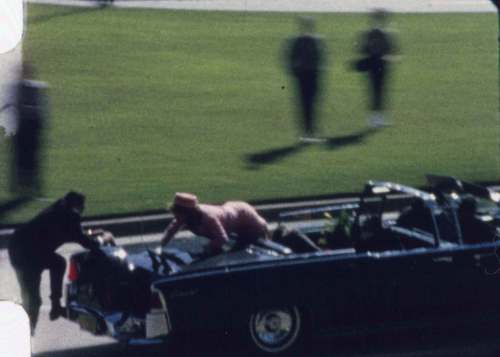
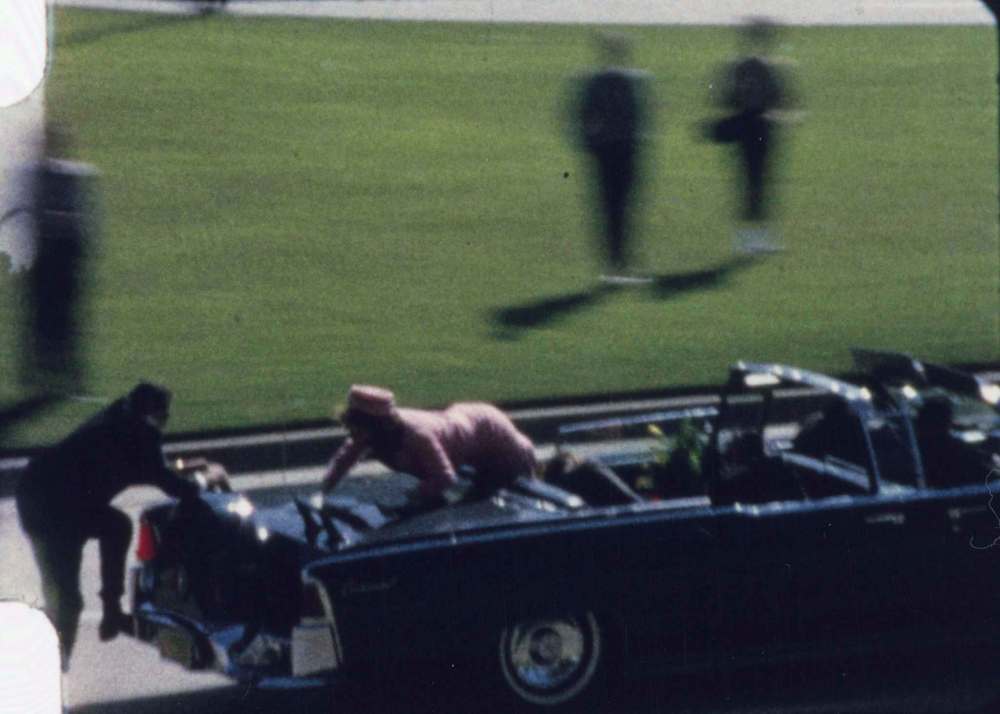
From its appearance as selected still frames in the pages of Life magazine the week following former president John F. Kennedy’s assassination, to its television debut 12 years later on Geraldo Rivera’s show Good Night America, to its climactic role in Oliver Stone’s 1991 film JFK, Abraham Zapruder’s 26-second 8mm home movie is not only a hotly contested touchstone for analyzing the assassination, but a culturally significant landmark in its own right.
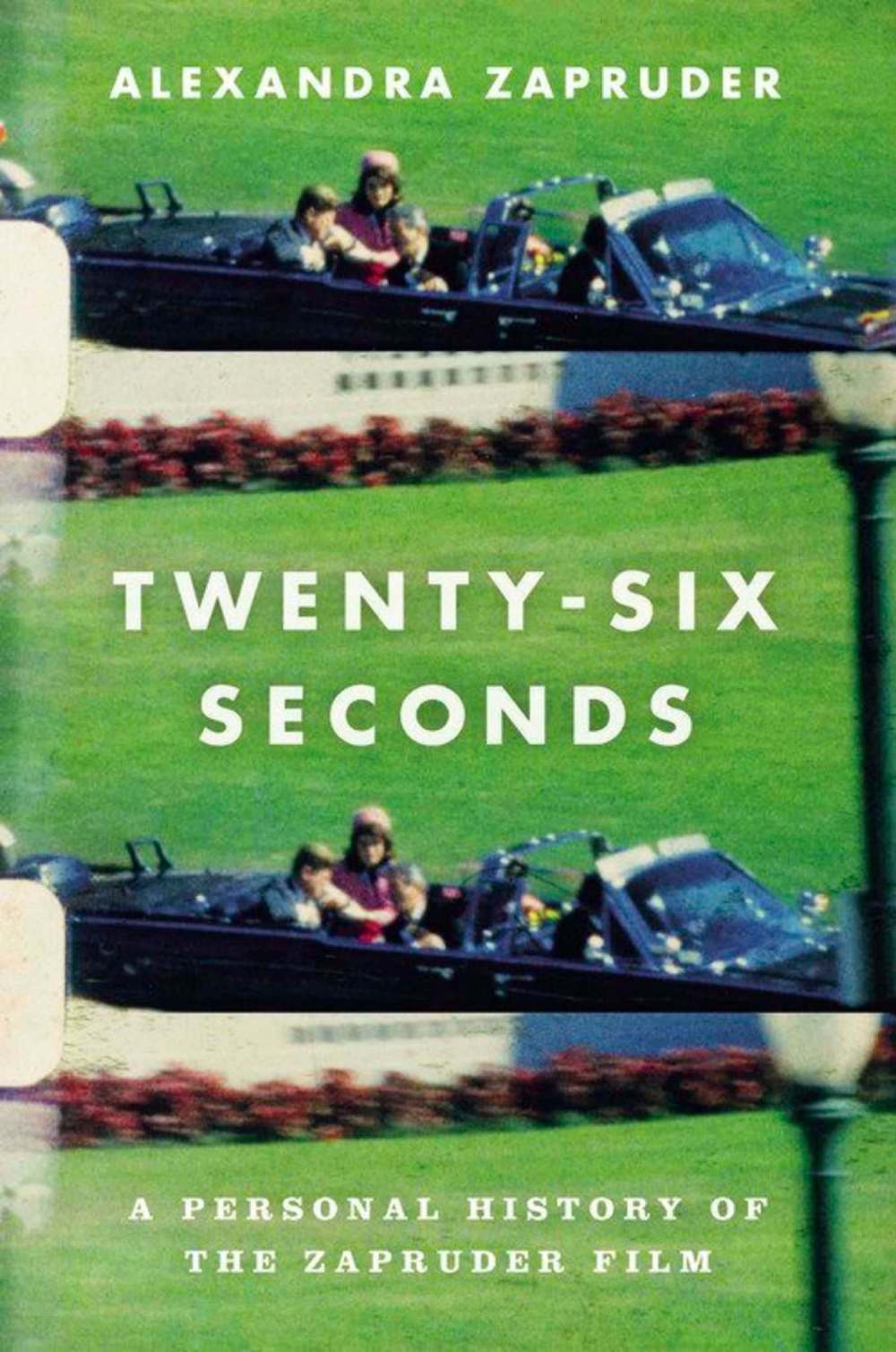
Released for the 53rd anniversary of the events in Dealey Plaza in Dallas, Alexandra Zapruder’s new book is not just the poignant story of one man’s reluctant place in history but a fascinating and often profound exploration of artifacts, visual culture and the esthetics of violence that goes to the heart of understanding how the mysterious death of the 35th president forever changed American society.
Formerly an educator and researcher with the Holocaust Memorial Museum in Washington, D.C., Zapruder is the award-winning author of 2004’s Salvaged Pages: Young Writers’ Diaries of the Holocaust. As she writes in the opening pages of her new book, she grew up knowing about her grandfather’s famous film, but it was rarely discussed, an uncomfortable family history she only began to uncover for herself in 2010.
Zapruder’s account is at once personal, historical and critical, to say nothing of the fact it’s beautifully written. Even without her family connections to the subject matter, the book would be a valuable contribution to the assassination literature.
After all, despite its two-generation remove, Twenty-Six Seconds presents the perspective of a family so inextricably linked to the events of Nov. 22, 1963 they were paid $150,000 by Life before Kennedy was even buried, $85,000 by Oliver Stone in 1990 and a further $16 million by the U.S. government in 1999 to compensate them for formally “taking” their film, once the Assassinations Records Review Board determined it to be an official assassination record.
Despite her unique vantage point to this vital assassination artifact, Zapruder was, by her own admission, almost completely unfamiliar with the assassination itself until she started working on the book. Through interviews with her family, participants in the film’s complex chain of possession and conspiracy theorists (her use of the term is respectful and non-pejorative), as well as her unprecedented access to the Time-Life archives, Zapruder recounts the film’s traumatizing genesis, as well as the many crucial years it spent under the tight control of Time-Life, which did so much to contribute to the growing suspicions of a coverup through the 1960s and early 1970s.

Public skepticism about the Warren Commission’s “lone assassin” conclusions would become almost mainstream once Rivera broadcast his bootleg copy of the film on TV, and grew so insistent following its use in Stone’s JFK that Congress passed the JFK Records Act in 1992 and created the review board, which would lead to years-long negotiations to buy the film back from the Zapruders.
Zapruder raises a host of compelling questions about institutions of memory and the right to know: Should a government be permitted to retain ownership of artifacts when they raise troubling questions about that government? Is there a danger in conflating a record of an event with the event itself? What is of greater value — the content of an image or the physicality of the media on which it exists? Can an artifact be of such unique public interest it should be considered public domain?
There are some questions, however, she refuses to consider, namely those relating to the film’s authenticity: Zapruder repugnantly dismisses long-standing claims of alteration in the extant film, in particular those which see her grandfather colluding in the coverup. Viewed along with accusations in the media the family unduly profited from the tragedy, it becomes clear that from the moment it was exposed, the film was always a terrible burden haunting Abraham Zapruder and his family, one which his granddaughter’s eloquent prose can only partially exorcise.
Twenty-Six Seconds is therefore not just of interest for its history, but for what it tells us about ourselves: given the prevalence of smartphone cameras and the news media’s increasing dependence on citizen-generated footage, all of us have, in a sense, become the heirs of Abe Zapruder.
Michael Dudley is the librarian for history as well as theatre & film at the University of Winnipeg.