Kendrick’s essays not quite pitch-perfect

Advertisement
Read this article for free:
or
Already have an account? Log in here »
To continue reading, please subscribe:

Digital Subscription
One year of digital access for only $205*
- Enjoy unlimited reading on winnipegfreepress.com
- Read the E-Edition, our digital replica newspaper
- Access News Break, our award-winning app
- Play interactive puzzles
*First annual payment billed as $205.00 + GST for one year. This annual subscription will automatically renew at $233.00 + GST every 52 weeks (10% off the regular annual price of $259.35). Offer available to new and qualified returning subscribers only. Cancel any time.
To continue reading, please subscribe:
Add Free Press access to your Brandon Sun subscription for only an additional
$1 for the first 4 weeks*
- Enjoy unlimited reading on winnipegfreepress.com
- Read the E-Edition, our digital replica newspaper
- Access News Break, our award-winning app
- Play interactive puzzles
*Your next Brandon Sun subscription payment will increase by $1.00 and you will be charged $17.95 plus GST for four weeks. After four weeks, your payment will increase to $24.95 plus GST every four weeks.
Read unlimited articles for free today:
or
Already have an account? Log in here »
Hey there, time traveller!
This article was published 14/01/2017 (3558 days ago), so information in it may no longer be current.
It always seems strange for someone in their 30s to tackle autobiographical writing, especially when it isn’t immediately evident their life has had enough (or the right kind of) outstanding moments to justify it.
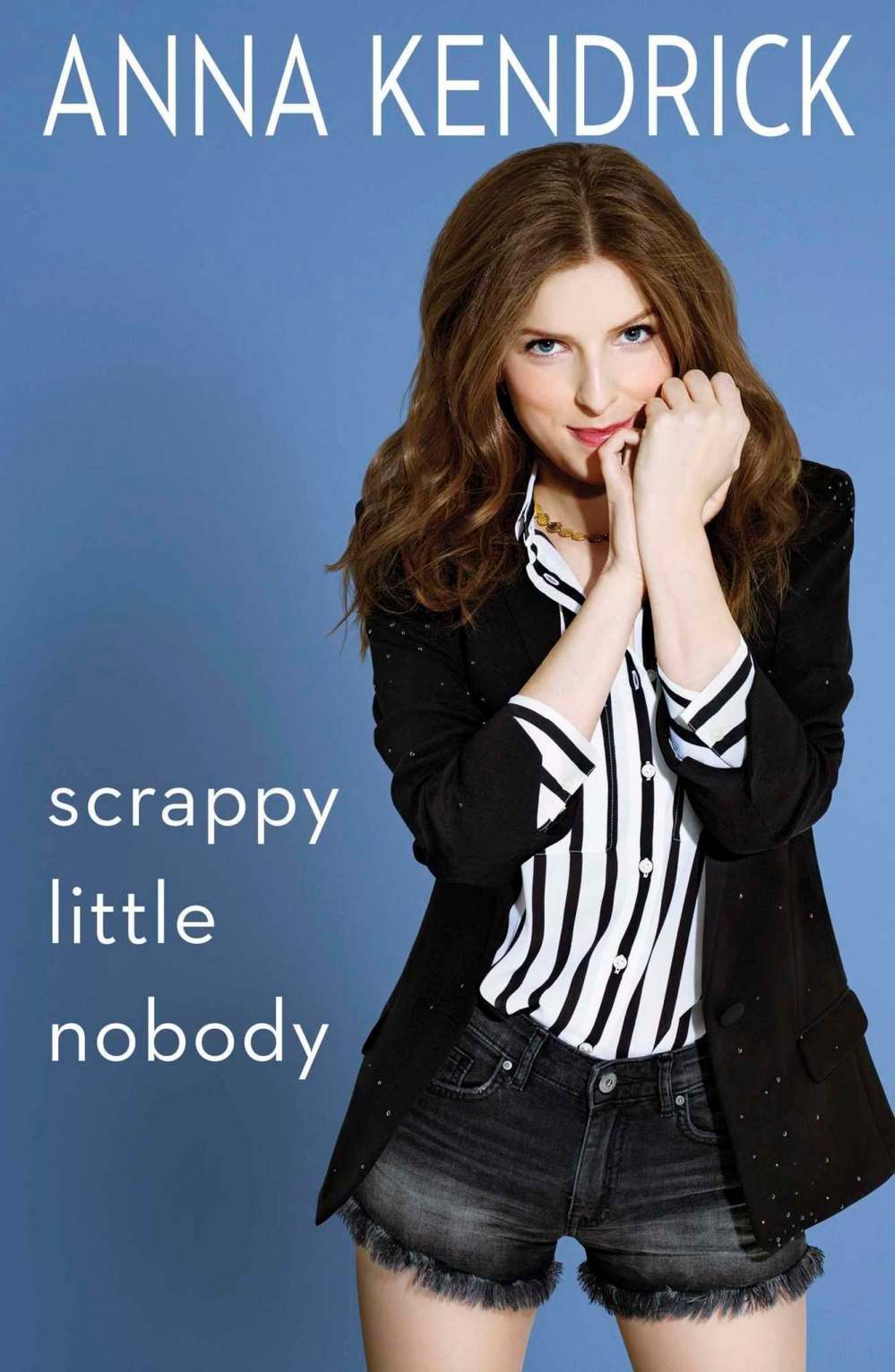
In the case of Scrappy Little Nobody, actress Anna Kendrick’s collection of personal essays, that skeptiscm is warranted. The 300-page read is filled with one average anecdote after another: the trauma of being a teenage girl; moving to the big city (New York) from Portland, Maine, and then moving to the other big city (Los Angeles); her slow but steady rise to fame; and finding her feet as an adult and professional actress in Hollywood.
Much of what Kendrick — best known for her roles in films such as 2009’s Up in the Air, the Twilight series and as a star of 2012’s Pitch Perfect — writes about is almost too relatable, causing it to become dull regardless of the number of vulgarities and comic one-liners thrown in.
One major exception is her detailed recounting of her beginnings as a child star on Broadway at the age of 12, after years of shuttling to New York from Maine for auditions, either with her parents or with only her older brother to keep an eye on her.
Kendrick is known for a witty, self-deprecating style that brings followers flocking to her various social-media platforms, but her writing in these essays feels more self-conscious, which can be endearingly informal but can also be very difficult to get through.
There are moments of genuine hilarity when she hits just the right joke at just the right time, but that doesn’t happen nearly as often as it should given the amount of jocularity and casual cool she is attempting.
The good parts of Scrappy Little Nobody, however, are really good. Kendrick is beautifully candid about the struggles she went through regarding body image as a young, underdeveloped girl and the anxiety with which she continues to grapple.
The book’s final chapters, in which she sums up where she is now on her path to adulthood, express a very identifiable mindset for many young women in the 25-to-35 age bracket who don’t miss the drama-filled, sleep-deprived days of their earlier lives.

“So many people say they wish they could be young again. You couldn’t drag me back to 21. All the hiding, all the pretending, all the hanging out with people you don’t actually like. Going out three nights in a row? RuPaul’s Drag Race is on. Making out in the grass? I own a perfectly good couch,” Kendrick writes.
It’s easy to see what Kendrick is trying to do: write conversational stories about her life in a way that could be relatable to other people who have experienced similar highs and lows, while also giving a peek inside the life of an almost-A-list celebrity. But in Scrappy Little Nobody, the attempt falls flat.
What shines through more than anything, though, is the fact Kendrick is a multi-talented performer — a Tony and Oscar nominee with a great singing voice — who has been busting her butt for her entire life to make it but remains a humble, laid-back “nobody.”
Scrappy Little Nobody reads like a collection of stories written 30 years too soon, before any of the really good stuff has happened.
Erin Lebar is a Free Press multimedia reporter.
Our newsroom depends on a growing audience of readers to power our journalism. If you are not a paid reader, please consider becoming a subscriber.
Our newsroom depends on its audience of readers to power our journalism. Thank you for your support.
Scrappy Little Nobody
By Anna Kendrick
Touchstone, 304 pages, $35
Our newsroom depends on a growing audience of readers to power our journalism. If you are not a paid reader, please consider becoming a subscriber.
Our newsroom depends on its audience of readers to power our journalism. Thank you for your support.
Advertisement Advertise With Us
Advertisement Advertise With Us