

Sonic youth
Author fondly remembers lo-fi Moncton quartet Eric's Trip
Advertisement
Read this article for free:
or
Already have an account? Log in here »
To continue reading, please subscribe:
Digital Subscription
One year of digital access for only $1.44 a week*
- Enjoy unlimited reading on winnipegfreepress.com
- Read the E-Edition, our digital replica newspaper
- Access News Break, our award-winning app
- Play interactive puzzles
*Billed as $5.77 plus GST every four weeks. After 52 weeks, price increases to the regular rate of $19.95 plus GST every four weeks. Offer available to new and qualified returning subscribers only. Cancel any time.
To continue reading, please subscribe:
Add Free Press access to your Brandon Sun subscription for only an additional
$1 for the first 4 weeks*
- Enjoy unlimited reading on winnipegfreepress.com
- Read the E-Edition, our digital replica newspaper
- Access News Break, our award-winning app
- Play interactive puzzles
*Your next Brandon Sun subscription payment will increase by $1.00 and you will be charged $17.95 plus GST for four weeks. After four weeks, your payment will increase to $24.95 plus GST every four weeks.
Read unlimited articles for free today:
or
Already have an account? Log in here »
Hey there, time traveller!
This article was published 15/07/2017 (3242 days ago), so information in it may no longer be current.
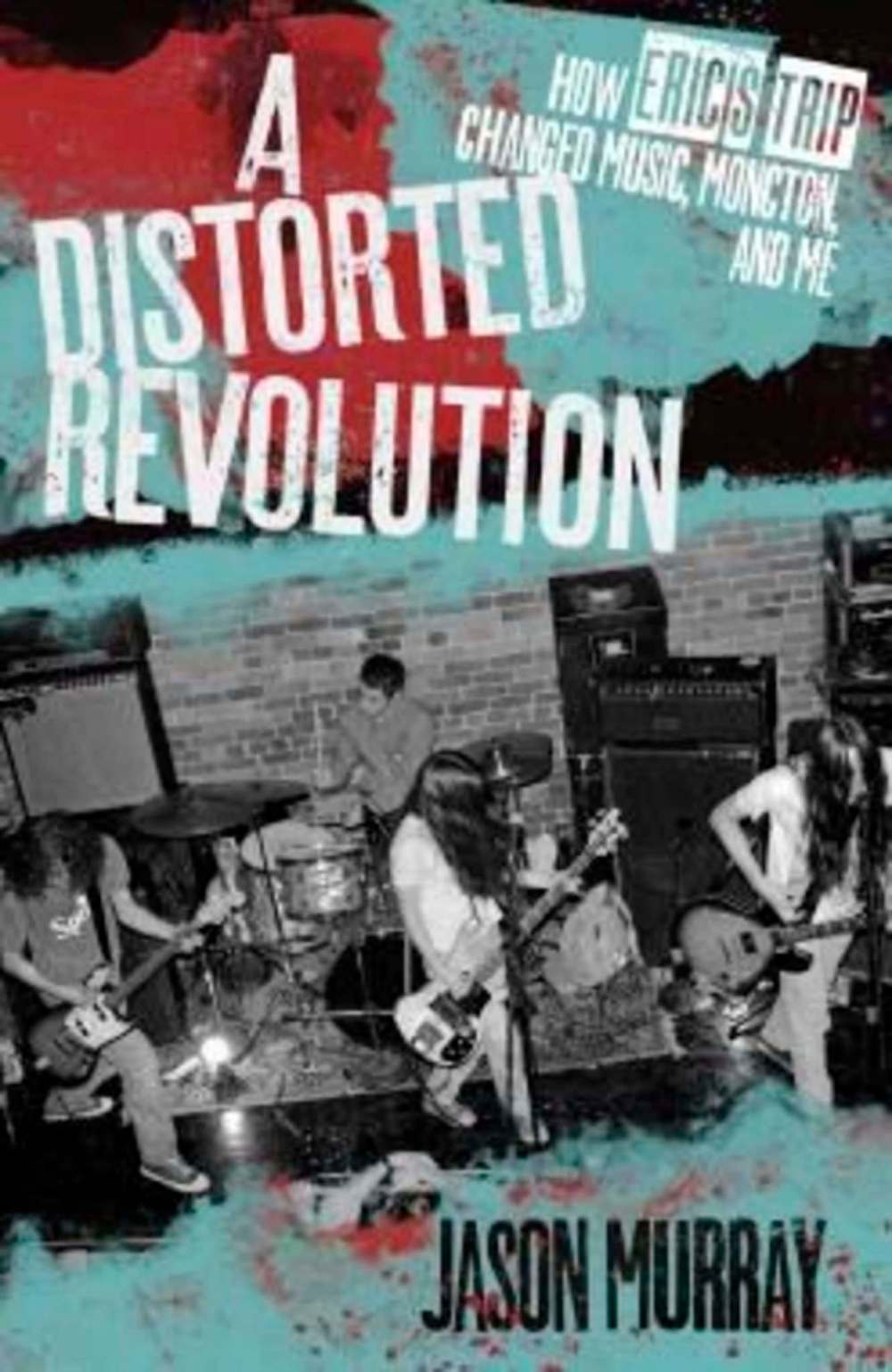
Equal parts memoir and biography, Jason Murray’s tale of growing up skateboarding with Moncton, N.B.’s favourite lo-fi ’90s quartet, Eric’s Trip, is definitely interesting and occasionally well-constructed.
Originally written as part of his masters of fine arts degree in creative writing at Fredericton, N.B.’s St. Thomas University, Murray’s debut is light on quotes but big on stories, many of which come straight from the author (who spends the first 30-ish pages reminiscing about discovering punk rock via traded cassettes and paying for the perfect skateboard on layaway).
The first-person experience is a nice, rare touch in the rock bio pantheon, and makes up for the lack of lengthy quotes. Unfortunately the narrator disappears halfway through and only returns around page 100, where he catches up with the band members in present day.

The story of Eric’s Trip, a dreamy-as-they-are-loud band without a hit single, is one filled with pining and regret, indie credibility without financial payoff and a legacy of influence and fandom that reaches across the globe. Made up of Rick White, Julie Doiron (who has won a Juno for her solo work), Chris Thompson and Mark Gaudet, Eric’s Trip existed from 1990 to 1996 and released a handful of cassettes and seven-inch records before signing with Seattle label Sub Pop and putting out three CDs, touring, and disbanding amidst the success of side projects.
There are likely incredible stories behind the writing of the songs and the making of the albums (which were mostly home-recorded), but Distorted Revolution rarely goes that deep, giving us just the facts. Little notes of little interest are read off like a laundry list, delivered without much effort. “(Doiron) grew up listening (to records) on a portable record player. The first record she ever bought was the Crimson and Clover single by Joan Jett and the Blackhearts.” That’s cool, but it shouldn’t take much to go a little deeper, which would simply flesh out the world of Eric’s Trip a little more.
Characters from the Canadian music scene, such as Snailhouse’s Michael Feuerstack, are introduced and tossed aside quickly, while only retro rockers The Monoxides get a few extra paragraphs. It’s a tease, until the end of the book, where we’re treated to interviews with people who had similar careers yet no real connection to Eric’s Trip (do-it-yourself legend Ian MacKaye of Fugazi and Dischord Records, and Black Flag’s Keith Morris) as well as people who got right in the middle of things (White’s ex-wife and Elevator bandmate Tara S’Appart, the namesake of the band’s Sub Pop debut Love Tara). These tacked-on interviews are an interesting yet puzzling touch, and would likely have served the piece better if they were included throughout the main body. Instead, they come off as bonus tracks — non-essential, but interesting and fun.
The main takeaway about the band, it seems, would be that Eric’s Trip was less so an active force and more of a gateway for the four young musicians to find their voices and embark on solo careers and other projects, including Moonsocket, Weird Lines and The Unintended. This paints Eric’s Trip as a project that almost immediately became a side project, resulting in a narrative which feels as though it can’t wait to get to the end of the story. Perhaps this captures the manic energy of Eric’s Trip perfectly — a band which couldn’t contain itself, even in the beginning.
It won’t end up being the definitive book about Eric’s Trip, but it’s an essential one for fans.
Nicholas Friesen is the editor of jadedandelated.com, an online ‘90s Canadian music zine.