Wry debut in the Wild West
Advertisement
Read this article for free:
or
Already have an account? Log in here »
To continue reading, please subscribe:

Digital Subscription
One year of digital access for only $205*
- Enjoy unlimited reading on winnipegfreepress.com
- Read the E-Edition, our digital replica newspaper
- Access News Break, our award-winning app
- Play interactive puzzles
*First annual payment billed as $205.00 + GST for one year. This annual subscription will automatically renew at $233.00 + GST every 52 weeks (10% off the regular annual price of $259.35). Offer available to new and qualified returning subscribers only. Cancel any time.
To continue reading, please subscribe:
Add Free Press access to your Brandon Sun subscription for only an additional
$1 for the first 4 weeks*
- Enjoy unlimited reading on winnipegfreepress.com
- Read the E-Edition, our digital replica newspaper
- Access News Break, our award-winning app
- Play interactive puzzles
*Your next Brandon Sun subscription payment will increase by $1.00 and you will be charged $17.95 plus GST for four weeks. After four weeks, your payment will increase to $24.95 plus GST every four weeks.
Read unlimited articles for free today:
or
Already have an account? Log in here »
Hey there, time traveller!
This article was published 15/07/2017 (3329 days ago), so information in it may no longer be current.
A Quebec journalist has taken a fresh look at writing a western novel.
Author Dominique Scali’s debut novel In Search of New Babylon was a finalist for the 2015 Governor General’s Literary Award in French. She shows her talent by creating a unique story in a well-known genre.
Her novel explores themes of exploitation, greed, pragmatism and destruction through the eyes of four characters in the American Wild West.
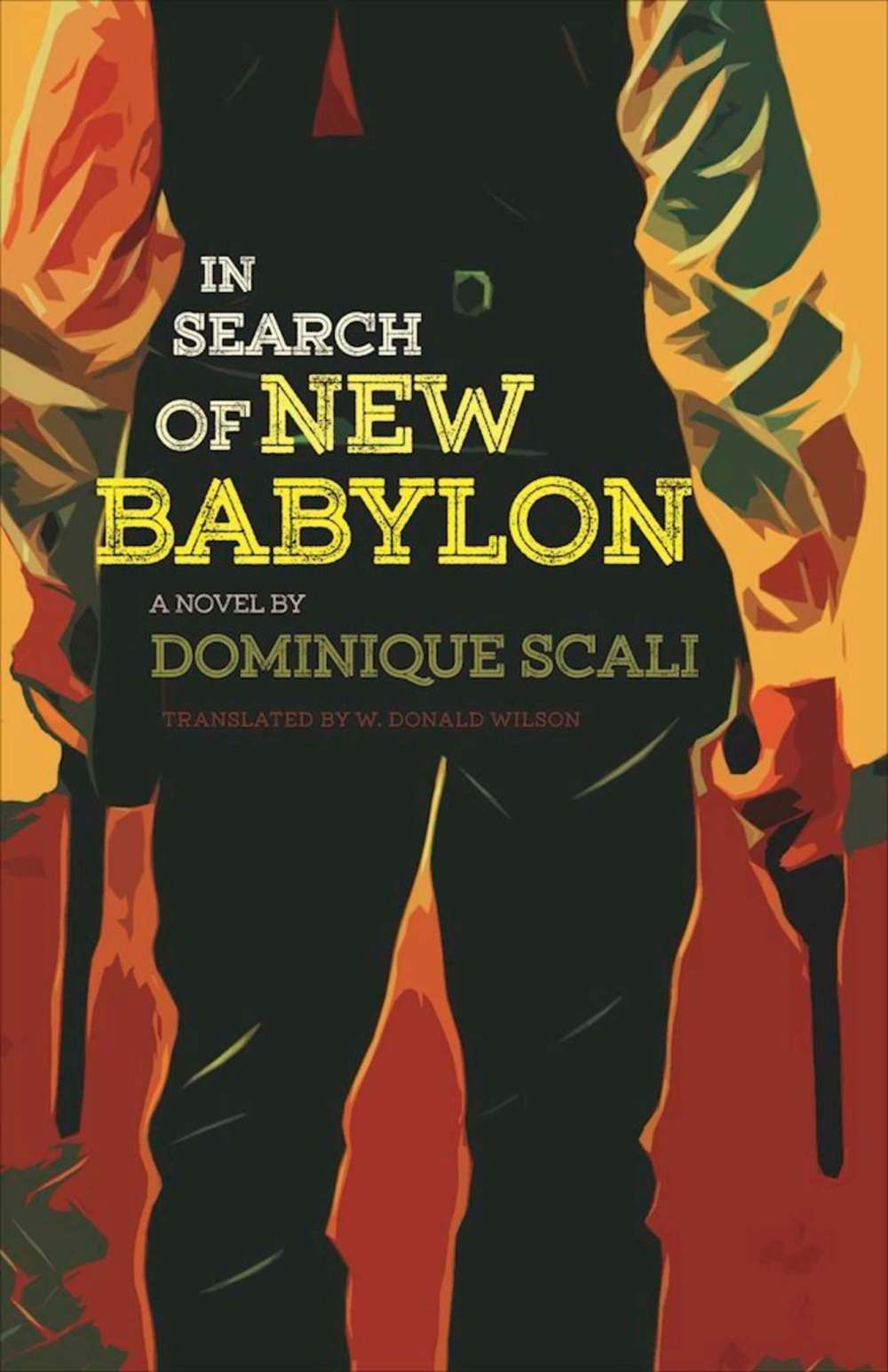
While classified as a western, Scali’s novel may also appeal to fans of historical fiction.
The novel’s description claims that “all the main characters in this novel are invented, except one,” while “all the towns are real, except for New Babylon.” However, it’s difficult to find out which of the characters could be a real historical figure — which may very well be her intention.
The story opens in 1881 on a road leading to a family farm in Paria, Utah, where that family discovers an unconscious man lying in the dusty trail leading to their place. The man’s hands have been severed from his wrists and he has no belongings with him except a few Bibles and sermons.
As the man wakes up and introduces himself as Reverend Aaron, he recalls his travels through the West and the people he met along the way. Charles Teasdale was a violent yet childlike young man who hangs himself despite having escaped execution nine times. Beautiful Pearl Guthrie, meanwhile, is a young woman who ran away from her family’s impoverished hotel to find and marry a rich, respectable man in the West. Instead, Pearl joined up with Russian Bill, a man of imagined aristocratic origins who turns to cattle rustling to make a living.
The lives of these four outsiders intersect as they attempt to find their fortunes in the West. Unfortunately, in this world of desert, mining towns and lonely ranches, restless souls can find everything except what they really need.
Scali honed her writing skills as a journalist at the French newspaper Journal de Montréal, where she still works. Her background shows in her crisp dialogue and simple prose.
The deceased Charles provides wry commentary in between chapters. For example: “I haven’t learned a lot in my life, but I know that the brightest ideas come to you when you’re walking, and the darkest ones when you’re sleeping.”

Unlike classic western writers such as Louis L’Amour or the contemporary Cormac McCarthy, Scali departs from the traditional style of depicting humanity bringing order to a lawless land. Instead, she positions the people who flocked to the frontier as speculators out to exploit any natural resources or vulnerable people they could find.
However, while her characters are morally flawed, they are mostly sympathetic, sometimes even likeable.
While the plot contains plenty of trials, executions, murders and sex, Scali’s wry tone portrays the action somewhat indifferently, like a parent observing children squabble over toys.
Readers may question Scali’s decision to mostly ignore the Indigenous peoples of the American West, as she refers only occasionally to difficulties between white settlers and displaced Indigenous peoples, meaning the latter come across as an afterthought in the story.
Kathryne Cardwell is a Winnipeg writer.