Octogenarian’s ‘diary’ a mysterious treat
Advertisement
Read this article for free:
or
Already have an account? Log in here »
To continue reading, please subscribe:

Digital Subscription
One year of digital access for only $205*
- Enjoy unlimited reading on winnipegfreepress.com
- Read the E-Edition, our digital replica newspaper
- Access News Break, our award-winning app
- Play interactive puzzles
*First annual payment billed as $205.00 + GST for one year. This annual subscription will automatically renew at $233.00 + GST every 52 weeks (10% off the regular annual price of $259.35). Offer available to new and qualified returning subscribers only. Cancel any time.
To continue reading, please subscribe:
Add Free Press access to your Brandon Sun subscription for only an additional
$1 for the first 4 weeks*
- Enjoy unlimited reading on winnipegfreepress.com
- Read the E-Edition, our digital replica newspaper
- Access News Break, our award-winning app
- Play interactive puzzles
*Your next Brandon Sun subscription payment will increase by $1.00 and you will be charged $17.95 plus GST for four weeks. After four weeks, your payment will increase to $24.95 plus GST every four weeks.
Read unlimited articles for free today:
or
Already have an account? Log in here »
Hey there, time traveller!
This article was published 29/07/2017 (3278 days ago), so information in it may no longer be current.
Late English author Sue Townsend’s The Secret Diary of Adrian Mole, Aged 13 3/4 and The Secret Diary of Hendrik Groen, 83 1/4 Years Old share more than a similar title. The two novels are narrated by protagonists who each turn the personal record of his life into a story that is funny, sad and everything in between. Mole and Groen each reveal their personal foibles while commenting on their social environment and lives of their family, friends and those in authority.
However, unlike Townsend’s Mole, we don’t know who is responsible for creating the endearing Groen. When the book was released by publishing company Meulenhoff in The Netherlands in June 2014, the writer’s identity wasn’t made public, leaving the book’s many readers wondering if the diary is the work of an experienced writer or a talented novice. The mystery persists, but what is clear is the picture Groen provides into the lives and deaths of residents in an Amsterdam old folks home.
“You’re supposed to enjoy your sunset years, but it damn well isn’t always easy,” Groen writes.
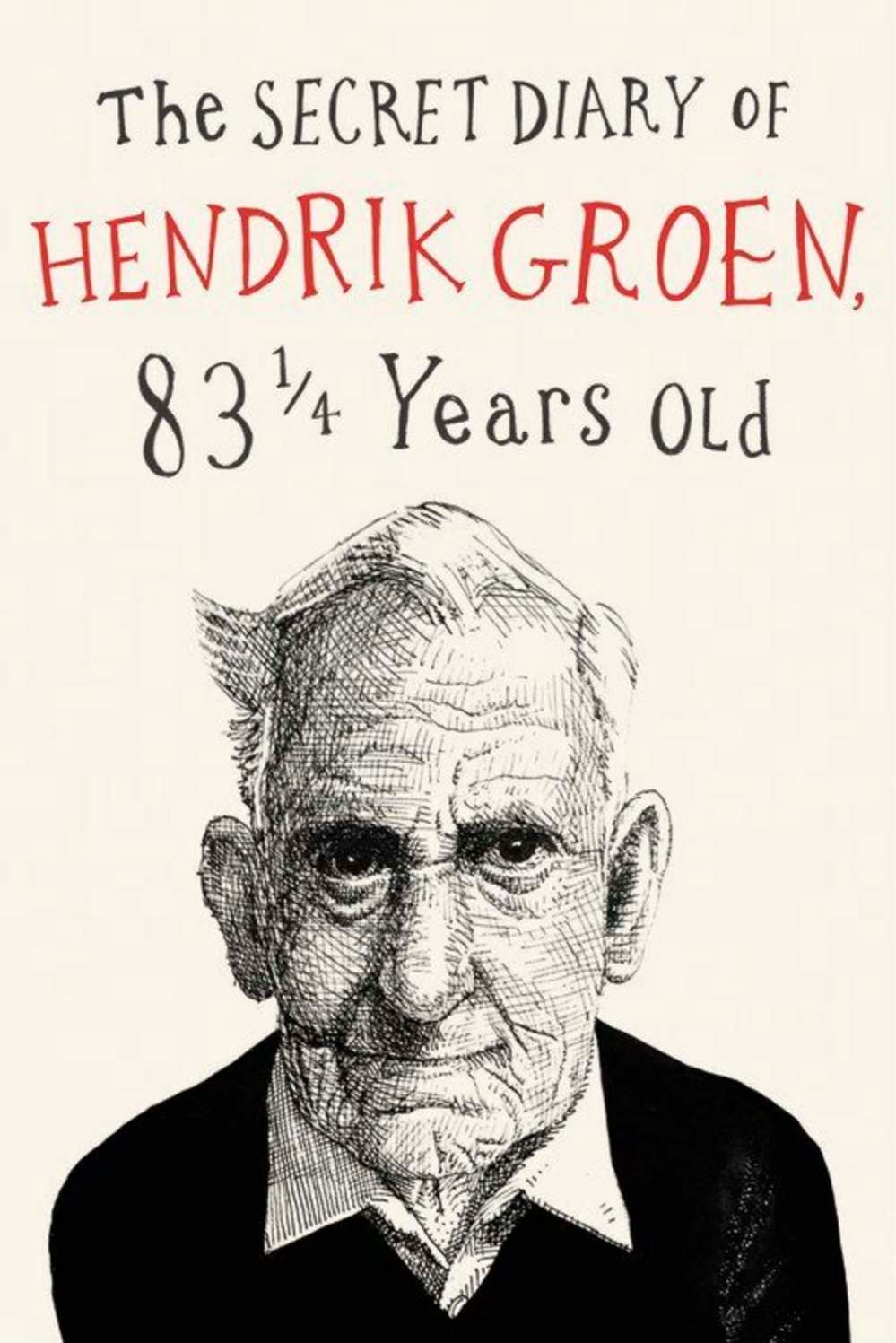
Although limited by his small suite, lack of amenities — the home’s residents aren’t allowed to cook in their rooms, although Groen has a contraband toaster — and the home’s many and often nonsensical rules as conveyed by the director, the steely Mrs. Stelwagen, Groen manages to squeeze in as much enjoyment into his last years as he can. His best friend is Evert, a practical joker who loves to take his fellow residents down a peg and give the finger to the home’s managers. When Hendrik accidentally poisons the fish in a tank on the third floor, Evert goes one better and tosses six pink fondant petit fours into the second-floor fish tank.
To add more excitement and joy to his life before it’s too late, Hendrik and five other like-minded residents form the Old But Not Dead Club, with each agreeing to plan a surprise outing for the group.
These outings turn out to be exactly what the group needs, and they have a great time.
Groen’s world expands further as he develops a fondness for his new neighbour, Eefje. He is technically still married, although his wife is crippled by advanced dementia and living in another facility. Groen is a true gentleman, and treats Eefje with old-fashioned respect.
The Secret Diary of Hendrik Groen is skillfully translated, but some of the social and political commentaries are hard to follow for anyone unfamiliar with The Netherlands and the Dutch political system.
Other issues transcend national boundaries; Groen writes about the steps necessary to obtain a physician’s help to commit suicide, a subject now being dealt with in North American society.
Groen’s frustration over the infirmities and indignities that come with age, such as his need to start wearing adult diapers, simply help to bring him to life and make him the kind of insightful and charming senior most readers will wish to become.
The saying “live as if today were your last day” carries a deeper meaning when you’re in the last stage of life — it’s good advice for all of us.
Andrea Geary is a reporter with Canstar Community News.