Decade of debauchery
Author argues sex scandals defined American culture in the '90s
Advertisement
Read this article for free:
or
Already have an account? Log in here »
To continue reading, please subscribe:

Digital Subscription
One year of digital access for only $205*
- Enjoy unlimited reading on winnipegfreepress.com
- Read the E-Edition, our digital replica newspaper
- Access News Break, our award-winning app
- Play interactive puzzles
*First annual payment billed as $205.00 + GST for one year. This annual subscription will automatically renew at $233.00 + GST every 52 weeks (10% off the regular annual price of $259.35). Offer available to new and qualified returning subscribers only. Cancel any time.
To continue reading, please subscribe:
Add Free Press access to your Brandon Sun subscription for only an additional
$1 for the first 4 weeks*
- Enjoy unlimited reading on winnipegfreepress.com
- Read the E-Edition, our digital replica newspaper
- Access News Break, our award-winning app
- Play interactive puzzles
*Your next Brandon Sun subscription payment will increase by $1.00 and you will be charged $17.95 plus GST for four weeks. After four weeks, your payment will increase to $24.95 plus GST every four weeks.
Read unlimited articles for free today:
or
Already have an account? Log in here »
Hey there, time traveller!
This article was published 23/09/2017 (3238 days ago), so information in it may no longer be current.
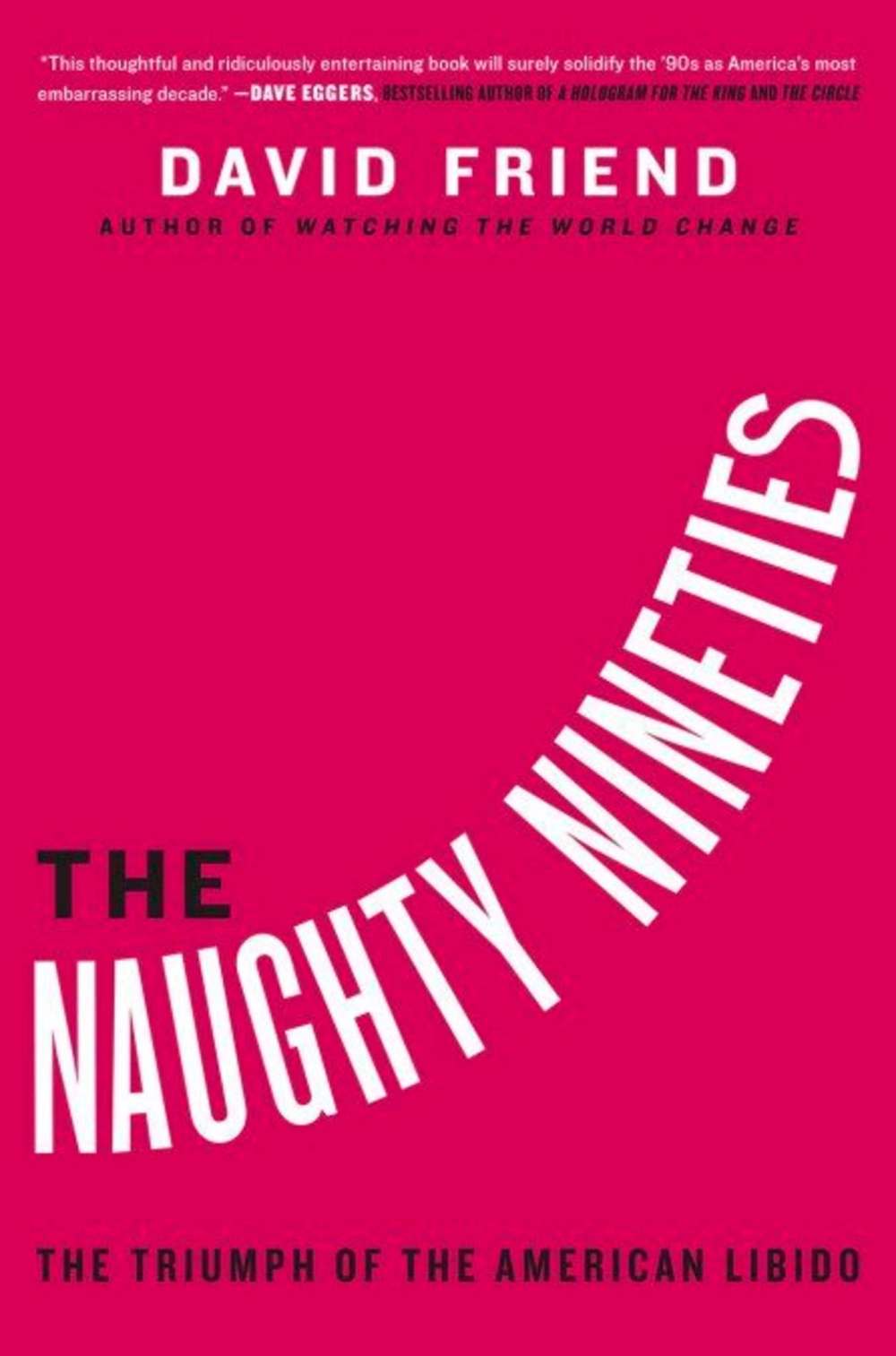
If this book’s title doesn’t clue you in that it’s about sex, the subtitle makes it clear that’s the subject at hand.
But it’s sex refracted, thoughtfully and wittily, through the events of a particular decade of recent history.
David Friend is Vanity Fair magazine’s editor of creative development and author of Watching the World Change: The Stories Behind the Images of 9/11 (2006).
In the western world, the last 10 years of the 20th century were the end of an era of unprecedented economic growth, business mega-success and tycoon- and celebrity-fostered overindulgence in booze, drugs and conspicuous consumption, according to Friend.
But nothing defined the 1990s more than sex, he posits — sexual freedom, sexual politics (and sex in politics) and sexual decadence.
It was the last decade in which the world did not have, and then did have, the internet. And the World Wide Web, still in its infancy, was already offering its users at first salacious, and then pornographic, content.
It was also the last decade in which we weren’t digitally overconnected — not captive to our smartphones and tablets. Nor were we yet maniacally consuming, and consumed by, social media.
All the big sex stories of the decade are here.
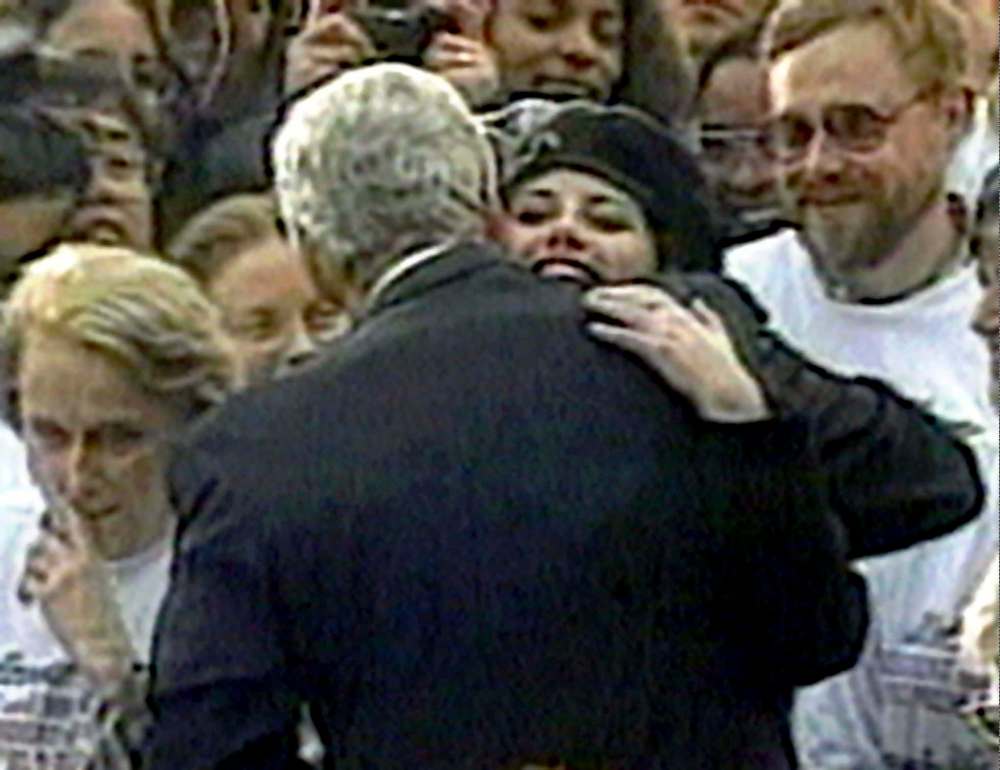
Former president Bill Clinton’s affair with (“I did not have sex with that woman”) Monica Lewinsky, plus his pre-presidency dalliances with Gennifer Flowers and Paula Jones, the Ken Starr prosecution and the ensuing failed impeachment proceedings before the U.S. Congress are all crisply recounted.
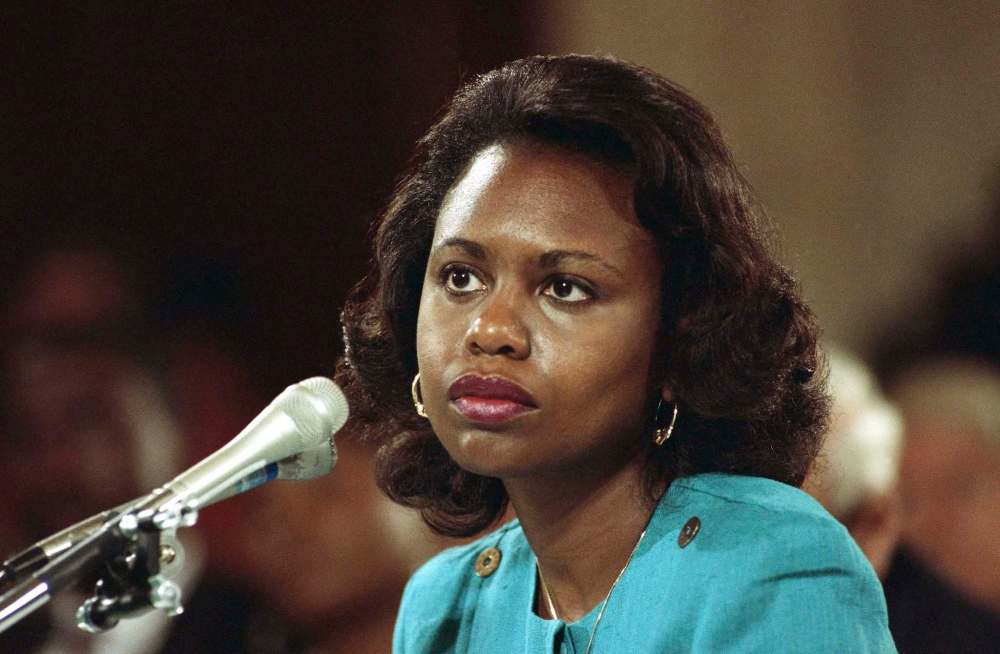
We also get Anita Hill versus current (but then-nominee) U.S. Supreme Court Justice Clarence Thomas (he of alleged “Long Dong Silver” conversations with his female employee, Ms. Hill), “Hollywood Madam” Heidi Fleiss, and knife-wielding-and-penis-removing wronged spouse Lorena Bobbitt.
The U.S. military’s ridiculous compromise policy of “Don’t Ask, Don’t Tell” when it came to sexual orientation, and its effect on gay and lesbian soldiers and officers, is treated at some length. Friend points out that, on the ground, it created a system that gave “a wink and a nod to anti-gay harassment.”
Even Madonna gets her due, and some astute analysis, as a pioneering pushing-the-sexual boundaries cultural figure.

But some of the book’s best chapters are about the serendipitous discovery of Viagra (British chemists were trying to develop an alternative drug to nitroglycerin for angina patients, when they noticed some interesting side effects) and some of the cultural fallout from its use.
In an afterword to the main body of his text, Friend even ties Donald Trump’s election as president of the United States to excesses born of the naughty nineties.
“America got what an overwhelming share of the commonwealth has been asking for since the 1990s,” he writes.
“In the electoral reckoning, civility has been trumped by hostility, respect by chauvinism, tolerance by bigotry, truth by fabrication and deceit, privacy by exposure, modesty by exhibitionism, achievement by fame, shame by shamelessness, and bridges by walls.”
Friend is such a good writer and marshaller of facts that he raises a compelling argument. But ultimately the indictment doesn’t stick.
Laying blame for the ascension of Donald Trump to the U.S. presidency at the feet of a particular decade, even a decade as transformative as the 1990s, is a reach.
Still, Friend has laid out an intelligent, comprehensive and frequently humorous take on the decade that was the last hurrah of the 20th century.
Douglas J. Johnston is a Winnipeg lawyer and writer.