In Conversation: Maia Caron
Advertisement
Read this article for free:
or
Already have an account? Log in here »
To continue reading, please subscribe:

Digital Subscription
One year of digital access for only $205*
- Enjoy unlimited reading on winnipegfreepress.com
- Read the E-Edition, our digital replica newspaper
- Access News Break, our award-winning app
- Play interactive puzzles
*First annual payment billed as $205.00 + GST for one year. This annual subscription will automatically renew at $233.00 + GST every 52 weeks (10% off the regular annual price of $259.35). Offer available to new and qualified returning subscribers only. Cancel any time.
To continue reading, please subscribe:
Add Free Press access to your Brandon Sun subscription for only an additional
$1 for the first 4 weeks*
- Enjoy unlimited reading on winnipegfreepress.com
- Read the E-Edition, our digital replica newspaper
- Access News Break, our award-winning app
- Play interactive puzzles
*Your next Brandon Sun subscription payment will increase by $1.00 and you will be charged $17.95 plus GST for four weeks. After four weeks, your payment will increase to $24.95 plus GST every four weeks.
Read unlimited articles for free today:
or
Already have an account? Log in here »
Hey there, time traveller!
This article was published 10/02/2018 (3114 days ago), so information in it may no longer be current.
Maia Caron is Red River Métis and a Toronto-based writer.
Her extended Caron, Dumas and Parenteau family helped to found Batoche, Sask., and fought with Louis Riel and Gabriel Dumont during the Northwest Resistance of 1885.
Caron’s debut novel, Song of Batoche, will be launched in Winnipeg on Feb. 15 at McNally Robinson Booksellers. Caron will be joined by Lawrence Barkwell, the co-ordinator of Métis heritage and history research for the Louis Riel Institute.

FP: What do you want people to know about Song of Batoche?
M.C.: It’s a story about what the government of Canada did to the Métis people in Batoche. What happened during the Red River and Northwest Resistance and afterwards amounted to cultural genocide. Our land base was lost and the Métis Nation was driven underground. Generations of Métis hid their identities to protect their families from racism. Despite these losses, despite the efforts to silence us, the Métis Nation is now stronger than ever.
FP: What are your goals for this book?
M.C.: Métis readers have said this story has instilled them with greater pride in what their ancestors endured and what they lost, and that they felt intensely connected to the people and events behind the Northwest Resistance. This was gratifying to hear. Others have said that they want to read this book as an act of reconciliation, to be more present to Indigenous stories and history. I’m encouraged by that and hope the book in some way shows the insidious nature of colonization, that it’s a living thing that’s still firmly entrenched in Canadian culture.
FP: This book delves into the history of the Northwest Resistance, focusing on leaders Louis Riel and Gabriel Dumont, but also their wives Marguerite and Madeleine and the fictional great-granddaughter of Big Bear, Josette Lavoie. Why did you want to highlight the history of Métis women?
M.C.: Much of what’s written in historical texts is about Riel and Dumont and the battles — the politics. I wanted to know the politics of the Métis women’s bodies, which had been colonized by both church and state. I wanted to explore what might have been going on in their heads when Louis Riel arrived. What did they think of him? The women obviously were key players in the events leading up to the Northwest Resistance, but their voices, their stories were largely left out of the historical narrative. I wanted to tell those stories.
FP: You only discovered that you were Métis in your 20s. At what point did your effort to learn about your background turn into research for a novel in which your ancestors make cameo appearances?
M.C.: My grandparents were brought up in Batoche, yet they hid the truth of their Métis identity from their children and grandchildren. My father was born and grew up on the site of the house the Canadian army destroyed on the first day of the Battle of Batoche. When he found bullet casings from the battle on the backfields, my grandma would tell him, “We had nothing to do with those rebel Métis.” When I was researching my genealogy, I realized that I was reclaiming my Métis identity and culture. When I understood the enormity of what my grandparents had hidden from me, my father and our extended family, I plugged in to the grief our ancestors had at losing their lands, their culture and identity. Those ancestors whispered this story to me, and I feel they can rest now that it’s told.
FP: Was there anything that surprised you in your research for this book? In the writing of it?
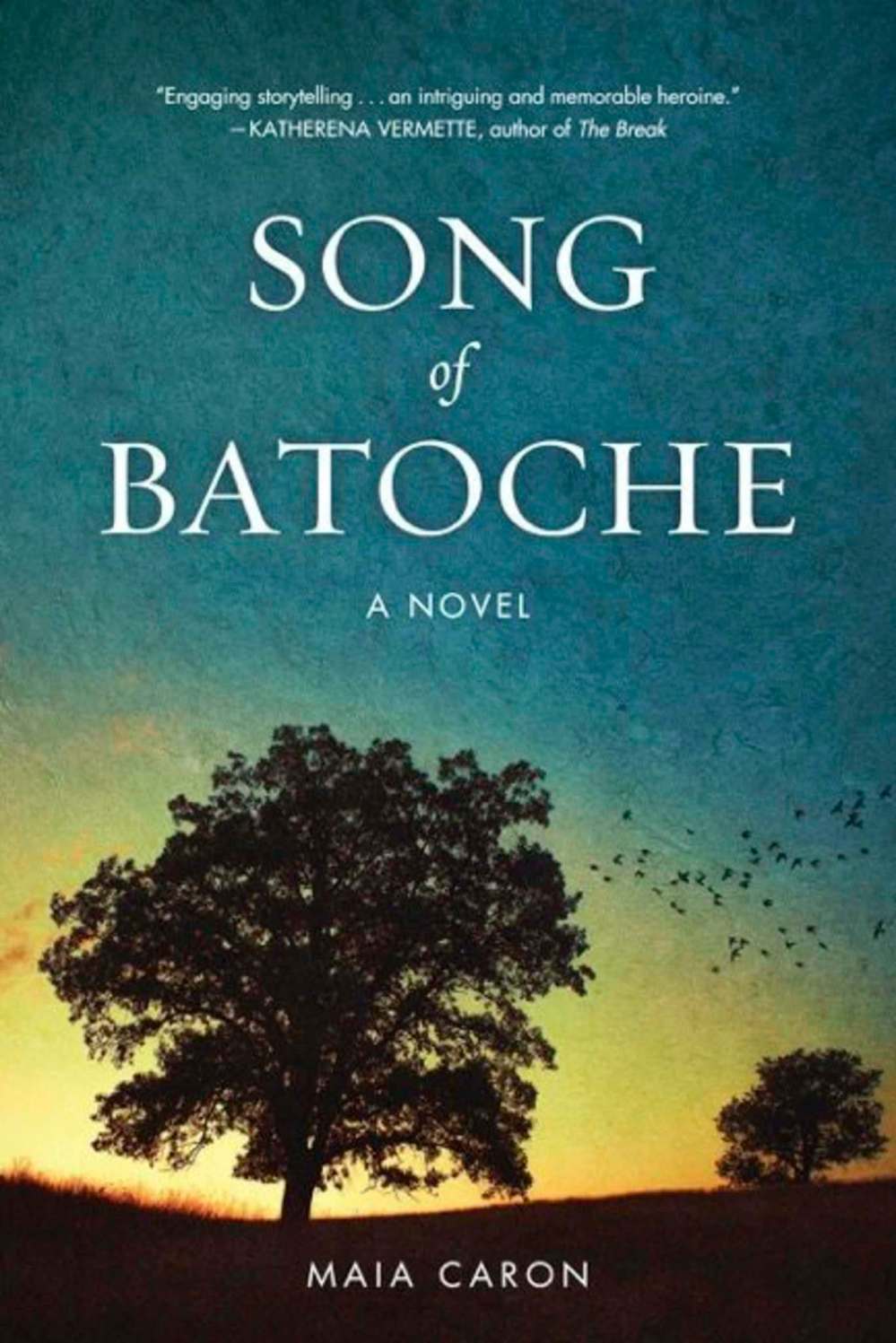

M.C.: It surprised me that Louis Riel was a much more complex man than I had learned about in school. It surprised me when I discovered that my great-great-grandmother Marguerite Dumas Caron had confronted Riel during one of the battles and my great-great-great grandfather Pierre Parenteau was chairman of Riel’s provisional government. It very much surprised me that my grandma was wrong — we had everything to do with those “rebel Métis.”
FP: Who are the writers you look to? Who are your influences?
M.C.: Louise Erdrich has long been an influence. The Plague of Doves is one of my favourite books. I also admire Katherena Vermette’s writing. Her book The Break is a revelation. That she was the first Métis to read and endorse Song of Batoche means a lot to me.
Ariel Gordon is a Winnipeg writer.
History
Updated on Monday, February 12, 2018 1:49 PM CST: reworks sentence