Fast and furious
Mamet's mobster mystery a well-paced, gritty affair
Advertisement
Read this article for free:
or
Already have an account? Log in here »
To continue reading, please subscribe:

Digital Subscription
One year of digital access for only $205*
- Enjoy unlimited reading on winnipegfreepress.com
- Read the E-Edition, our digital replica newspaper
- Access News Break, our award-winning app
- Play interactive puzzles
*First annual payment billed as $205.00 + GST for one year. This annual subscription will automatically renew at $233.00 + GST every 52 weeks (10% off the regular annual price of $259.35). Offer available to new and qualified returning subscribers only. Cancel any time.
To continue reading, please subscribe:
Add Free Press access to your Brandon Sun subscription for only an additional
$1 for the first 4 weeks*
- Enjoy unlimited reading on winnipegfreepress.com
- Read the E-Edition, our digital replica newspaper
- Access News Break, our award-winning app
- Play interactive puzzles
*Your next Brandon Sun subscription payment will increase by $1.00 and you will be charged $17.95 plus GST for four weeks. After four weeks, your payment will increase to $24.95 plus GST every four weeks.
Read unlimited articles for free today:
or
Already have an account? Log in here »
Hey there, time traveller!
This article was published 14/04/2018 (3042 days ago), so information in it may no longer be current.
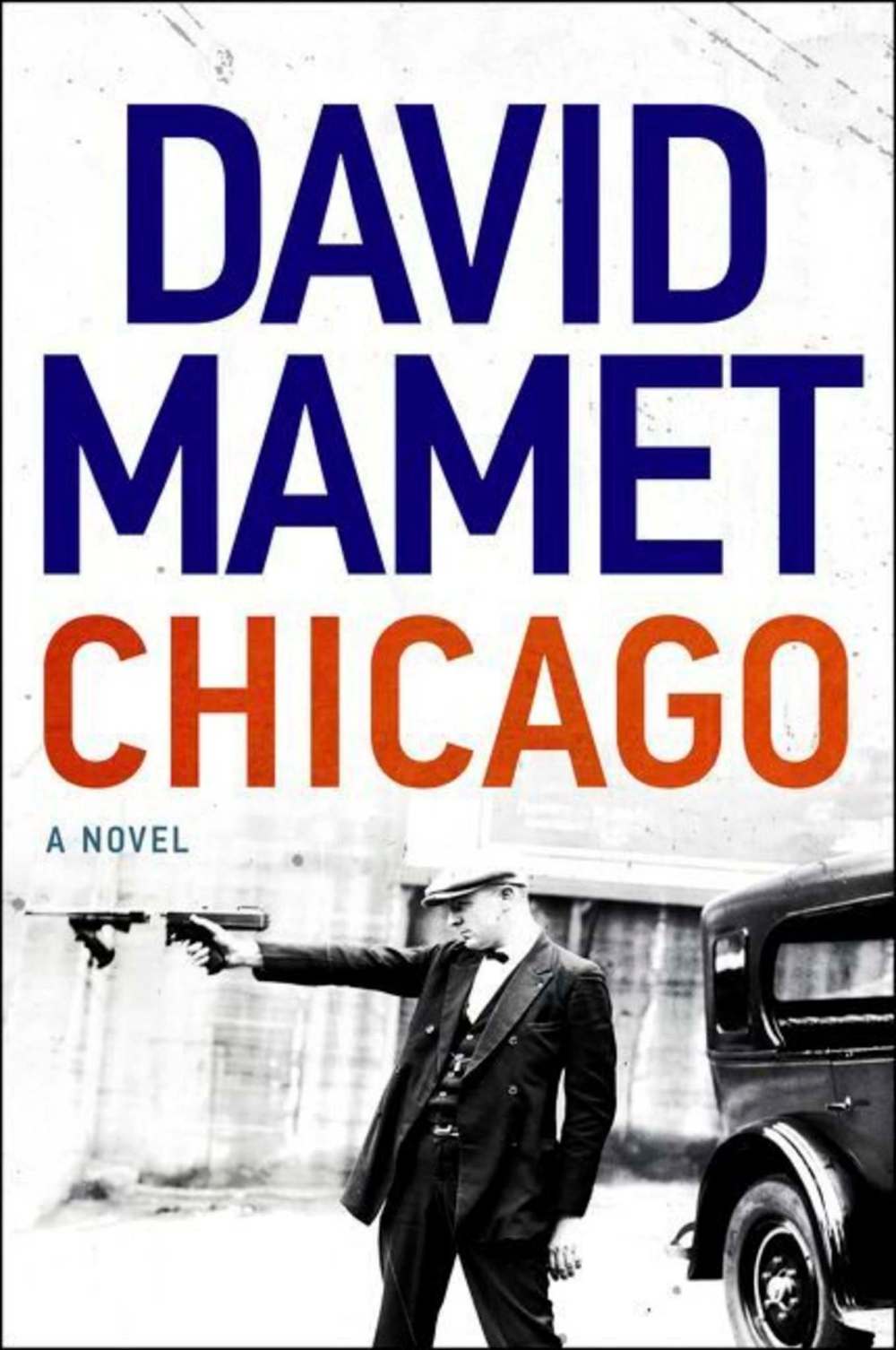
Fans of David Mamet’s fast, edgy plots will be delighted with Chicago, his first novel in more than 20 years.
The prolific writer and winner of the Pulitzer Prize for Glengarry Glen Ross has written a thriller set in the tough mob days of 1920s Chicago, when corruption and crime walked hand-in-hand. Mamet grew up in the Windy City, clearly intrigued by the legendary stories from the gangster era. Chicago is a murder mystery — a whodunit. But it’s also a why-dunit — a puzzle triggering questions about political issues, history, loyalty, honesty, honour and revenge.
That kind of plot needs colourful characters. Mike Hodge is Mamet’s protagonist, a reporter for the Chicago Tribune who takes no notes, but takes note of everything. In the course of his career, he’s offended more than his share of dangerous types, revealing facts about the South Side Italians, the North Side Irish, the police force, the perverted rich, white slavers — “in short, the lifeblood of his chosen and beloved city.”
Mike is also lonely, looking for normalcy, trying to stifle the demons of the PTSD he developed as a fighter pilot in the First World War.
When he falls head over heels for the quiet daughter of a neighbourhood Irish florist, he thinks he will finally find happiness. But she is murdered right in front of him, sending Mike on a mission to understand why she was targeted, not him — and, most importantly, to find the killer.
That’s a difficult challenge in a city where nothing is on the up and up. In the meantime, Mamet keeps the action going at a toe-tapping pace. The gangs carry out their business and keep order within their spheres. Armouries are robbed, touring cars are stolen and bodies accumulate, creating constant tension.
World events and outlooks collide in the middle of Middle America. Mike observes the distance of place and time don’t extinguish yearnings or grudges. He engages in erudite philosophical and ethical discussions and even exchanges views about changing fashions with everyone from whorehouse madams to war heroes, their conversations peppered with “Mamet Speak” — dialogue that’s brash and vulgar, analytical and provocative, delightful and disturbing.

He chews his discoveries over with his fellow scribes; their comments prompt him to dig deeper. In the back of his mind is the influence of his crusty city editor — aptly named Crouch, “a Fatima cigarette perennially held between his lips, his eyes screwed up against the smoke, nicotine-stained fingers and teeth.” When Mike hits a roadblock, he remembers Crouch’s lesson about music — “to look for the unresolved chord, look for what doesn’t fit.”
Mamet has written, directed and produced more than 75 plays, movies and television shows, as well as authored novels and non-fiction titles. He’s dabbled in the history of crime syndicates in works such as The Untouchables, Hoffa and Lansky, although he’s particularly known for his plays, including Oleanna, which touched on the Clarence Thomas/Anita Hill sexual harassment debate that rocked the U.S. in the 1990s, and Speed-the-Plow, a play that lampooned the movie industry and became the basis for the movie Wag the Dog.
Such is his stature and output that the Royal Manitoba Theatre Centre celebrated Mamet’s writing in the Master Playwrights series in 2008.
Chicago proves Mamet’s mastery once again. He’s penned a crime teaser, a touching story about love and moving on, a reflection on values and a look back at the forces operating during a complicated time in history (and we can breathe a sigh of relief that Al Capone isn’t around to enforce historical accuracy).
Harriet Zaidman is a reviewer and freelance writer in Winnipeg.