The Fuehrer’s fate
Journalists dig through secrecy-shrouded evidence in search of information on Hitler's final days
Advertisement
Read this article for free:
or
Already have an account? Log in here »
To continue reading, please subscribe:

Digital Subscription
One year of digital access for only $205*
- Enjoy unlimited reading on winnipegfreepress.com
- Read the E-Edition, our digital replica newspaper
- Access News Break, our award-winning app
- Play interactive puzzles
*First annual payment billed as $205.00 + GST for one year. This annual subscription will automatically renew at $233.00 + GST every 52 weeks (10% off the regular annual price of $259.35). Offer available to new and qualified returning subscribers only. Cancel any time.
To continue reading, please subscribe:
Add Free Press access to your Brandon Sun subscription for only an additional
$1 for the first 4 weeks*
- Enjoy unlimited reading on winnipegfreepress.com
- Read the E-Edition, our digital replica newspaper
- Access News Break, our award-winning app
- Play interactive puzzles
*Your next Brandon Sun subscription payment will increase by $1.00 and you will be charged $17.95 plus GST for four weeks. After four weeks, your payment will increase to $24.95 plus GST every four weeks.
Read unlimited articles for free today:
or
Already have an account? Log in here »
Hey there, time traveller!
This article was published 08/09/2018 (2945 days ago), so information in it may no longer be current.
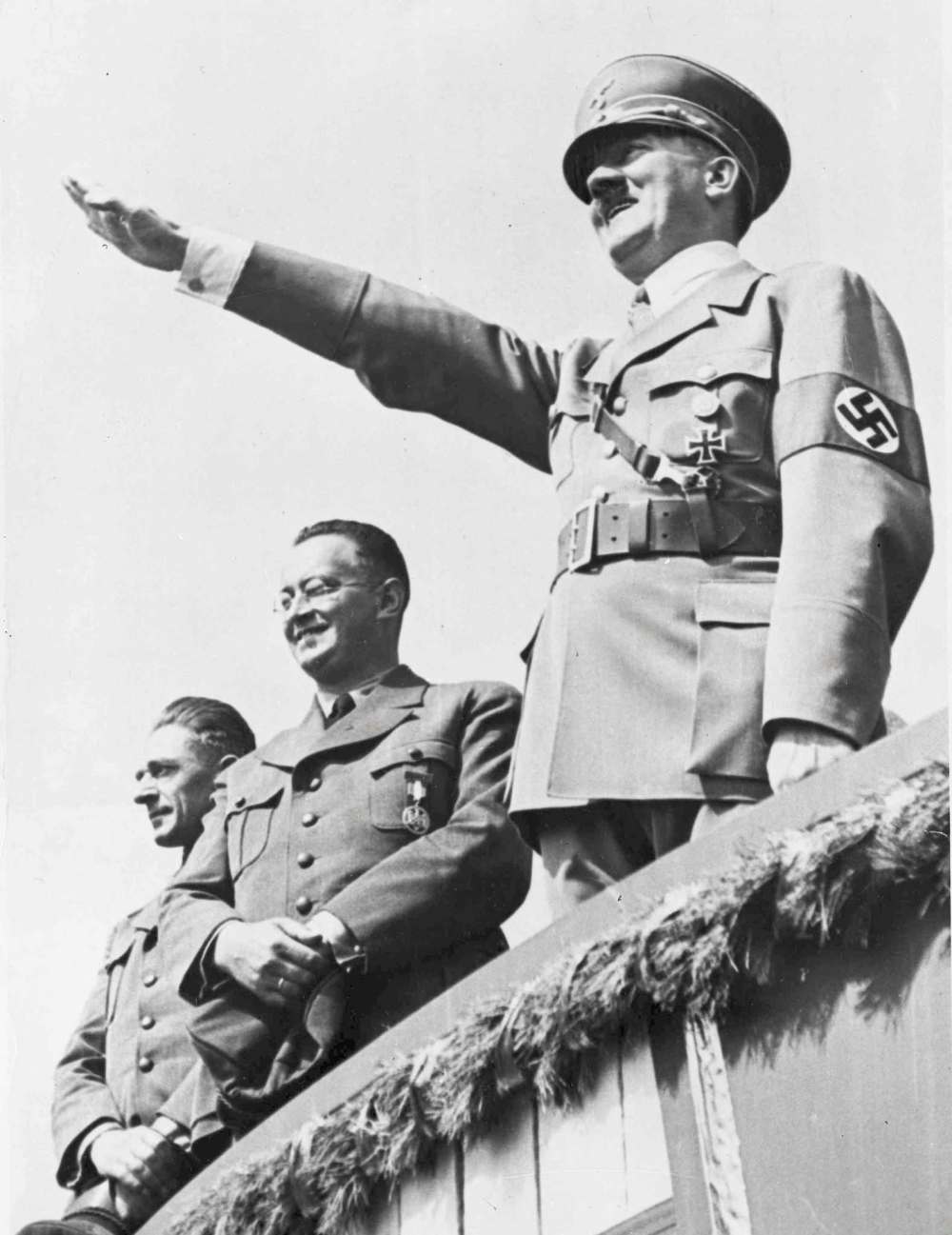
Reports about Adolf Hitler’s ignominious death in a bomb-proof shelter have been scrutinized ad nauseam over several decades, yet rumours about a possible escape from the Führerbunker to a safe haven in South America persist.
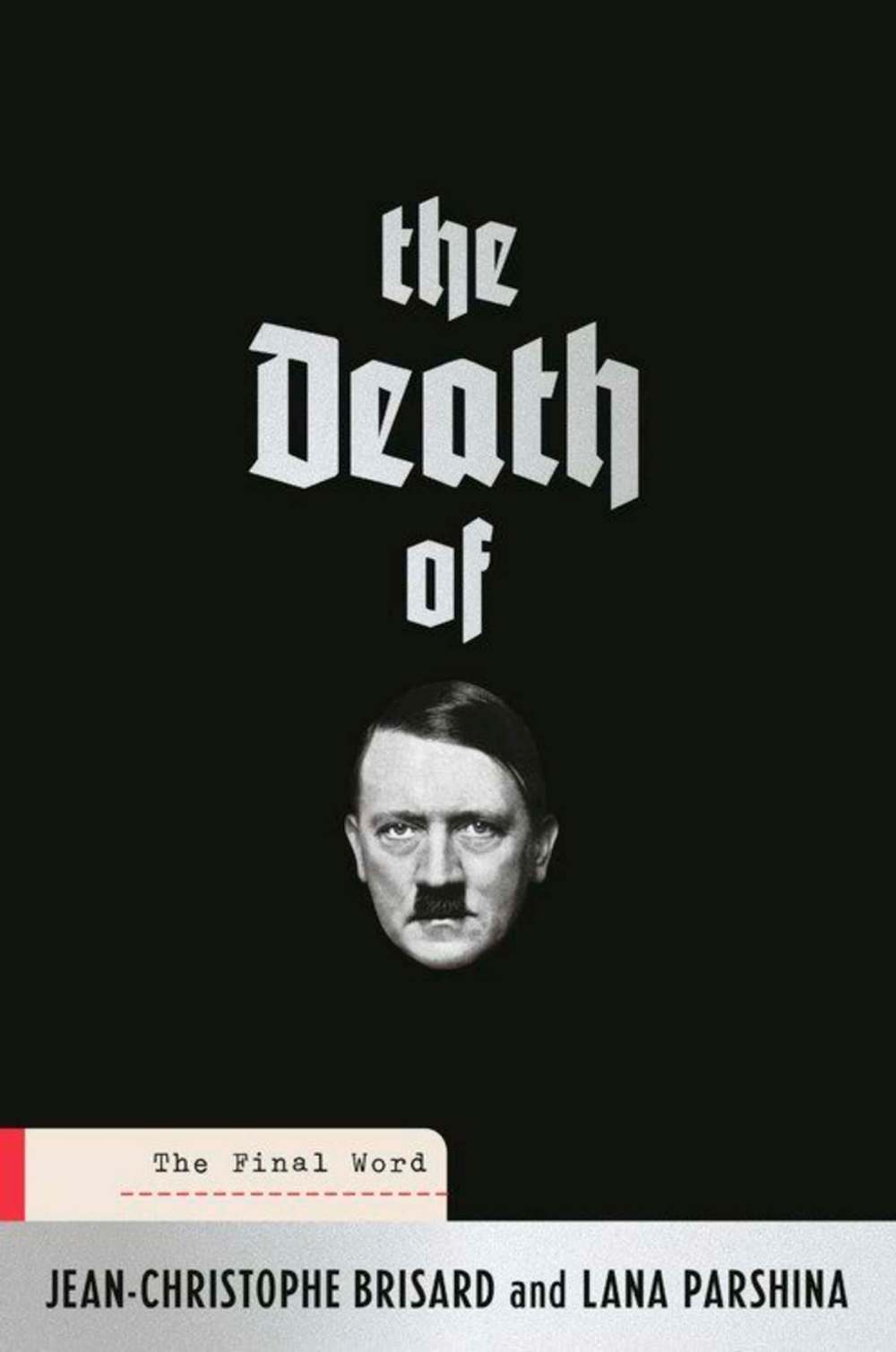
Now, an international trio displays an array of skills in attempting to answer questions surrounding the exact time, manner and proof of Hitler’s demise two days before his heralded Thousand Year Reich ended on May 2, 1945.
Jean-Christophe Brisard is a French journalist, reporter and documentarian, and author of 2014’s Children of Dictators. He joins Russian-born freelance American journalist Lana Parshina (whose 2008 documentary Svetlana About Svetlana, about Josef Stalin’s daughter, earned critical acclaim) on a two-year quest for definitive proof that Hitler died in artillery-ravaged Berlin.
Working in the Kremlin’s most secretive archival buildings, Parshina’s Russian-French translation skills complement Brisard’s determination to access decades-old documents and artifacts from today’s Putin-era bureaucrats, whose demeanours mimic the stern Stalinists who first catalogued such primary sources following Nazi Germany’s defeat.
Shaun Whiteside, the trio’s third member, is credited with the English translation of the duo’s research experiences. A Northern Irish translator of French, Dutch, German and Italian literature, his crisp, picturesque writing style mirrors popular spy novelist John le Carré, transforming a potentially staid Hitler project into an exciting yet scholarly book.
Appropriately subtitled The Final Word, incentive for this project came from a reignited debate about Hitler’s fate following a 2009 report by an American investigative team, which stated that a portion of skull still stored in Russia’s archives and believed to be Hitler’s was likely “that of a woman.”
Primary-source citations include quotes from former Nazi officials, then cross-referenced with commentary from key witnesses who claimed they helped move the bodies of Hitler and his longtime mistress Eva Braun — whom Hitler married just before they died — out of the besieged bunker, then burned and buried them.
We’re reminded, however, that “there is no official visual proof of the charred body of Hitler or his wife.”
Whiteside’s engaging style depicts Brisard and Parshina as real-life sleuths who discover that, even today, the whole truth surrounding the Hitler file “hides itself in a nauseating fog under the pretext of secrets of state and struggles of geopolitical influence,” just like those earliest reports did in 1945.
Displaying original documents written by Soviet investigators assigned the unenviable task of satisfying their own autocratic leader, the book reveals Stalin’s determination to have the final word regarding Hitler’s fate. It also includes photos depicting artifacts attributed to Hitler, including teeth and portions of skull bearing evidence of a bullet wound.
Events surrounding Germany’s surrender in 1945 and the subsequent deterioration of goodwill between Hitler’s conquerors are summarized in time-lapse settings of the book’s individual chapters, helping readers understand how ideological differences during decades of the Cold War contributed to persistent rumours that Soviet reports of Hitler’s demise were purposely incomplete.

Hoping to enhance his own political and ideological profile as a brave leader, Stalin insisted on telling the world Hitler and Braun committed suicide by ingesting cyanide, thereby depicting his former arch-rival as a coward. No official mention of a skull with a bullet wound was made, since this could be construed as evidence of a “soldierly” suicide.
While viewing artifacts attributed to Hitler, Brisard and Parshina are accompanied by renowned French forensic examiner and archeologist Philippe Charlier, who has confirmed remains of historical figures such as Richard the Lionheart and Joan of Arc.
Subsequent lab tests on tooth material they clandestinely take from the archives confirm the teeth are “those of Adolf Hitler,” providing scientific validation that “Hitler died in Berlin on April 30, 1945,” and hopefully ending any more wild speculations.
Unfortunately, there is no such opportunity to analyze the skull, leaving the exact nature of death still up for debate.
Joseph Hnatiuk is a retired teacher.