In Conversation: Michael Christie
Advertisement
Read this article for free:
or
Already have an account? Log in here »
To continue reading, please subscribe:

Digital Subscription
One year of digital access for only $205*
- Enjoy unlimited reading on winnipegfreepress.com
- Read the E-Edition, our digital replica newspaper
- Access News Break, our award-winning app
- Play interactive puzzles
*First annual payment billed as $205.00 + GST for one year. This annual subscription will automatically renew at $233.00 + GST every 52 weeks (10% off the regular annual price of $259.35). Offer available to new and qualified returning subscribers only. Cancel any time.
To continue reading, please subscribe:
Add Free Press access to your Brandon Sun subscription for only an additional
$1 for the first 4 weeks*
- Enjoy unlimited reading on winnipegfreepress.com
- Read the E-Edition, our digital replica newspaper
- Access News Break, our award-winning app
- Play interactive puzzles
*Your next Brandon Sun subscription payment will increase by $1.00 and you will be charged $17.95 plus GST for four weeks. After four weeks, your payment will increase to $24.95 plus GST every four weeks.
Read unlimited articles for free today:
or
Already have an account? Log in here »
Hey there, time traveller!
This article was published 21/09/2019 (2499 days ago), so information in it may no longer be current.
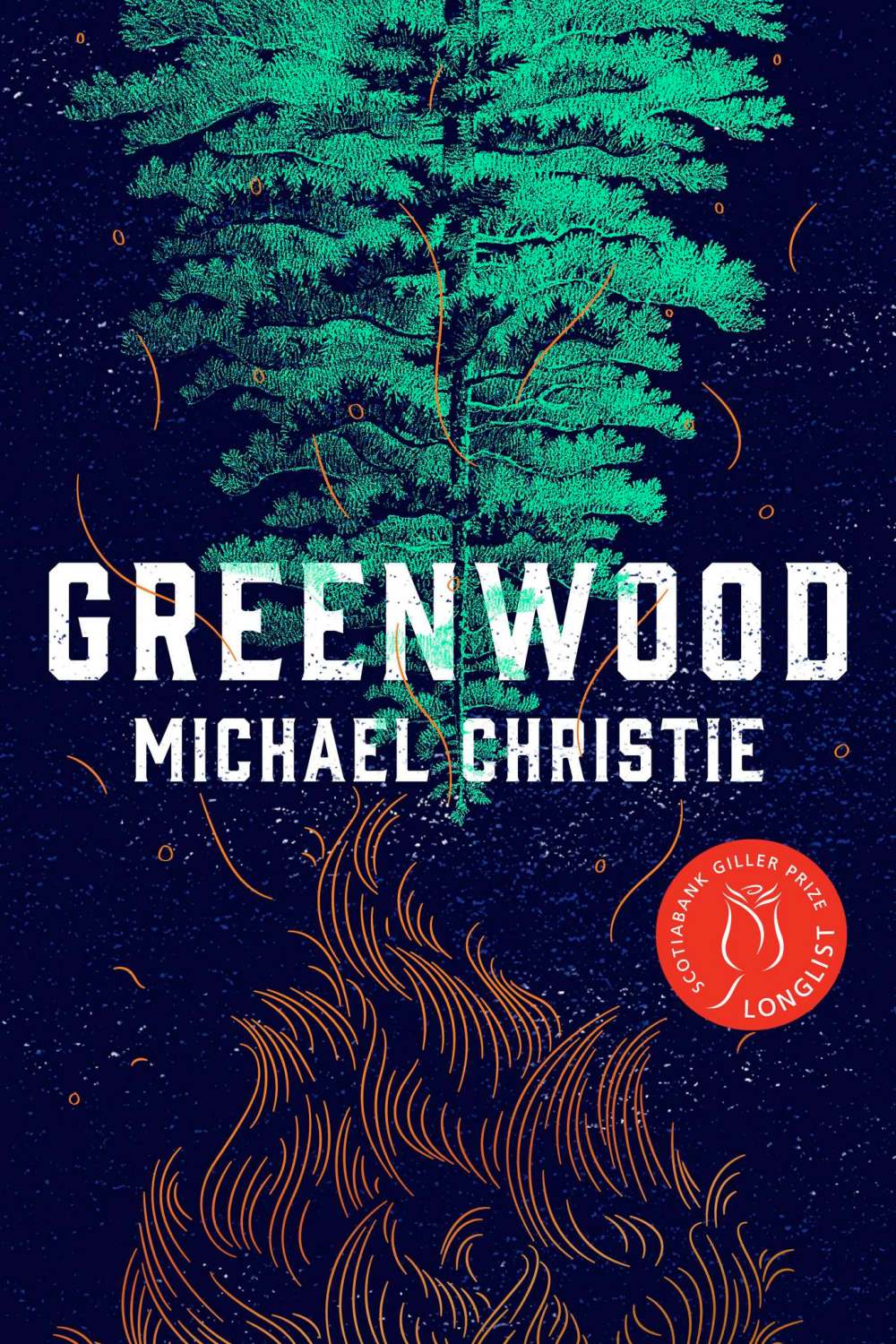
In early September, B.C. author Michael Christie’s latest book, Greenwood, was longlisted for the Scotiabank Giller Prize.
Winnipeg readers will have the chance to see Christie before he learns whether or not his post-apocalyptic second novel was shortlisted for the prestigious prize.
Christie will be appearing at the Winnipeg International Writers Festival on Sept. 27 and 28, appearing on the mainstage alongside Karen McBride, Kris Bertin, Melissa Barbeau and Tim Conley, and leading a creative writing workshop.
Winnipeg Free Press: What do you want people to know about Greenwood?
Michael Christie: Greenwood is a family saga about inheritance, sacrifice, love and the human being’s interdependence with trees. It’s been described as an “environmental epic” and I wouldn’t disagree.
WFP: Greenwood is your second novel and third book. What have you learned about your process so far, or do you have a new process for every project?
MC: I begin each book feeling like a confident professional and end each book feeling like a clueless amateur. The truth is that writing any novel worth reading is really, really difficult. So much can go off the rails during the process. All you can really do is attempt to solve the problems at hand, and perhaps the only thing I’ve learned is that thinking about anything other than what will benefit the immediate story you are telling is a waste of time.
WFP: You’ve had several widely varied careers so far: as a pro skateboarder; a social worker providing care to the homeless and mentally ill in Vancouver’s Downtown Eastside; and a carpenter who, among other things, built a timber-frame house for your family on Galiano Island. Did you ever think you’d wind up as a writer whose books are regularly nominated for big prizes?
MC: Not in the slightest! Honestly, I never really imagined myself living past the age of 30. But I must say that I’m proud of all the different jobs I’ve done and all the different people I’ve been throughout my life. I think too many writers have never seen the outside of a creative writing workshop, and this can be limiting. Building a house and writing a book are much more similar than most people might think. Both require a good dose of faith, and a whole lot of winging it.
WFP: Tell me a bit about the “nested ring” structure of the novel.
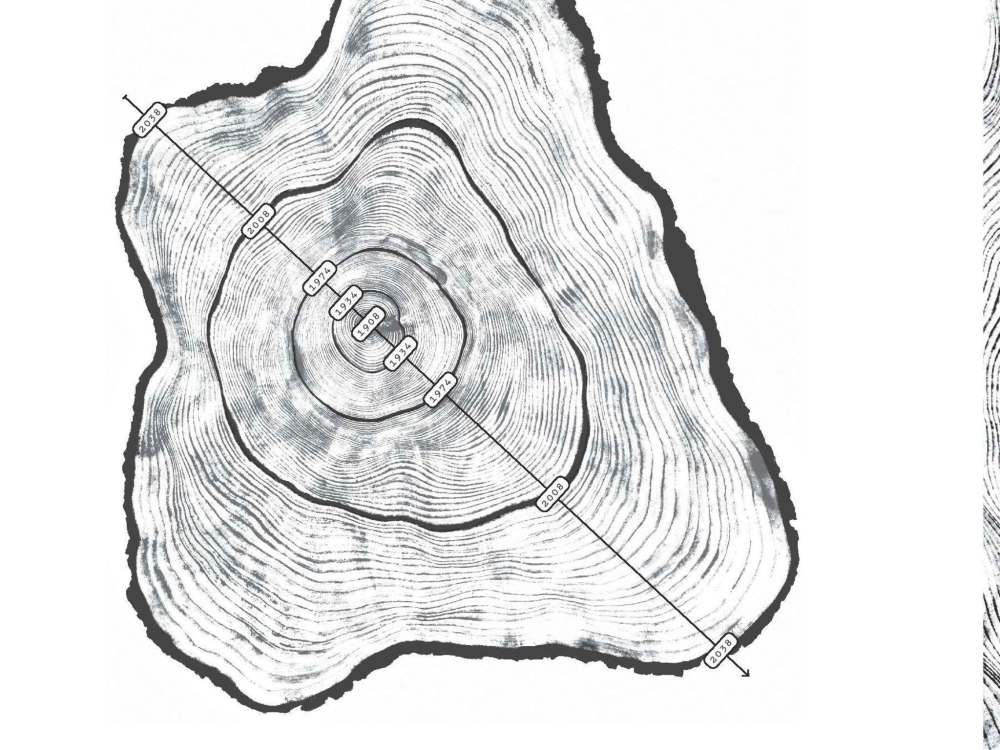
MC: The story opens with a section set in 2038, then traces the Greenwood family back a generation to 2008, and then back another to 1974, then 1934, and then finally to the family’s beginnings in 1908. After this centre point, the story moves forward in time again, back through each period until we reach 2038 to conclude the book. I imagined the narrative structure as the nested growth rings of a tree, in that the most recent ring is on the outer edge, and as you move to the centre of the wood, you travel back in time to the tree’s beginnings. Luckily, it turned out to be a pretty fun way to tell a story, because a good deal of suspense is built into the structure.
WFP: Tell me why you chose to tell this story from within a stand of ancient old-growth trees. Why was that important?
MC: I often take walks in some protected old-growth Douglas fir and cedar near my house, and there is something so peaceful and creatively invigorating about them. I’ve always found trees incredibly fascinating, not only because they sustain life on this planet and render it habitable for us, but also because they communicate and record time within their very structure. We humans must behave more like trees if we are ever going to survive on Earth for the long term.
WFP: What books were important to you while you were writing Greenwood? Who are your influences?
MC: I read widely while writing Greenwood, both for research and inspiration. John Steinbeck’s East of Eden, Marilynne Robinson’s Housekeeping, Timothy Findley’s The Wars, Peter Wohlleben’s The Hidden Life of Trees, and John Fowles’s The Tree are books that I read again and again. There is also this gorgeous book about the work of the master carpenter George Nakashima called The Soul of a Tree that was deeply important to me.
Ariel Gordon is a Winnipeg writer.