Desolate drawings
Wartime atrocities against Asian 'comfort women' depicted in stark, stunning graphic memoir
Advertisement
Read this article for free:
or
Already have an account? Log in here »
To continue reading, please subscribe:
Digital Subscription
One year of digital access for only $1.44 a week*
- Enjoy unlimited reading on winnipegfreepress.com
- Read the E-Edition, our digital replica newspaper
- Access News Break, our award-winning app
- Play interactive puzzles
*Billed as $5.77 plus GST every four weeks. After 52 weeks, price increases to the regular rate of $19.95 plus GST every four weeks. Offer available to new and qualified returning subscribers only. Cancel any time.
To continue reading, please subscribe:
Add Free Press access to your Brandon Sun subscription for only an additional
$1 for the first 4 weeks*
- Enjoy unlimited reading on winnipegfreepress.com
- Read the E-Edition, our digital replica newspaper
- Access News Break, our award-winning app
- Play interactive puzzles
*Your next Brandon Sun subscription payment will increase by $1.00 and you will be charged $17.95 plus GST for four weeks. After four weeks, your payment will increase to $24.95 plus GST every four weeks.
Read unlimited articles for free today:
or
Already have an account? Log in here »
Hey there, time traveller!
This article was published 28/09/2019 (2585 days ago), so information in it may no longer be current.
The story of hundreds of thousands of girls and women from Japanese-occupied Korea, China and the Philippines who were forced into military-organized sexual slavery before and during the Second World War remains hotly contested. In August, a statue of one of these “comfort women” had to be removed from the Aichi Triennale exhibit in Japan due to security threats, contributing to ongoing diplomatic and trade tensions between Japan and Korea.
Even the number of women forced into wartime sexual slavery by the Imperial Japanese Army is hotly contested; most historians agree it was at least 200,000, but some suggest it was as many as 400,000.
Today, there are around 25 surviving “comfort women” registered with the South Korean government, and many of them have spent decades fighting for legal recognition and compensation. Grass by Keum Suk Gendry-Kim is a beautiful and deeply moving graphic memoir of one of these survivors: Lee Ok-Sun.
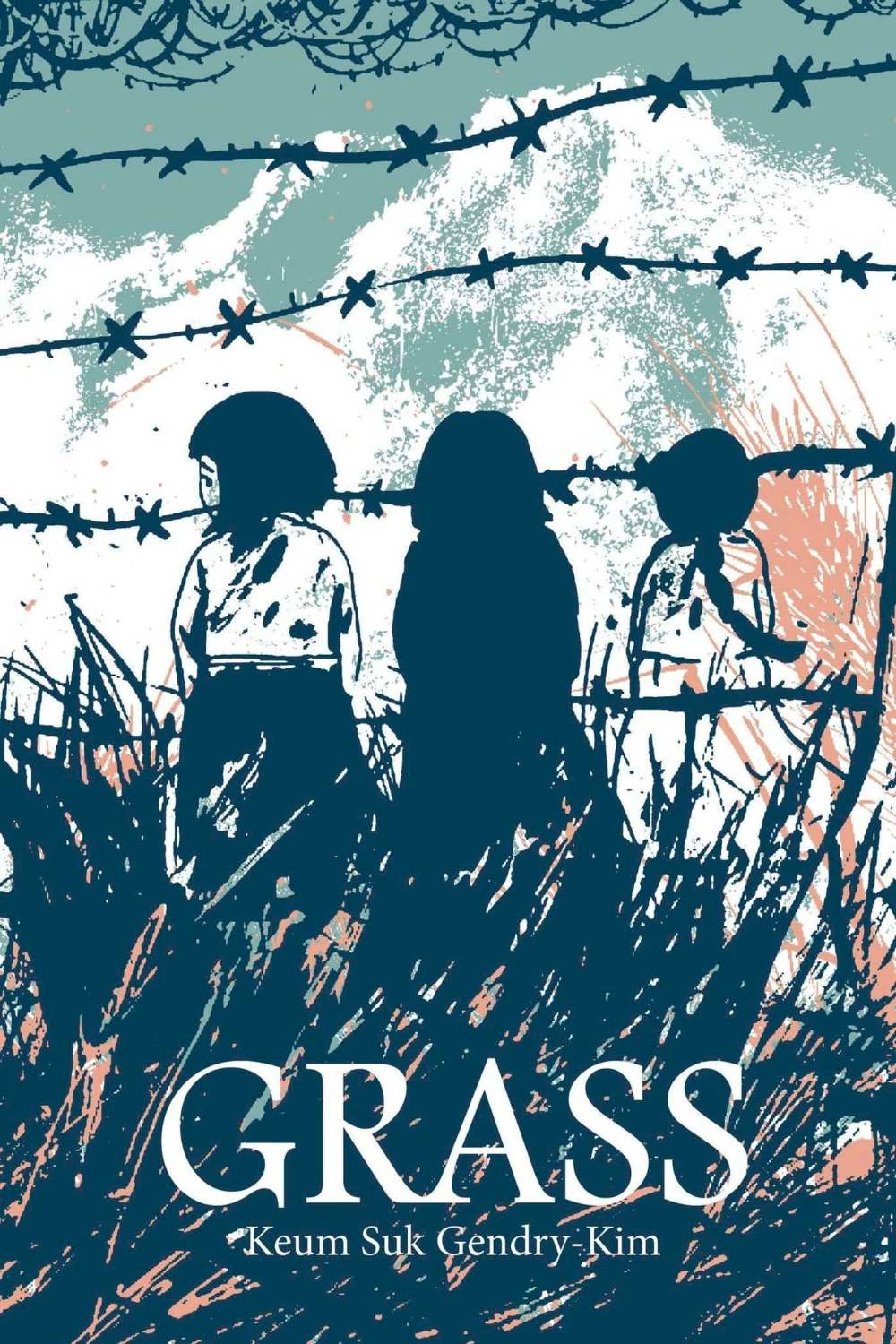
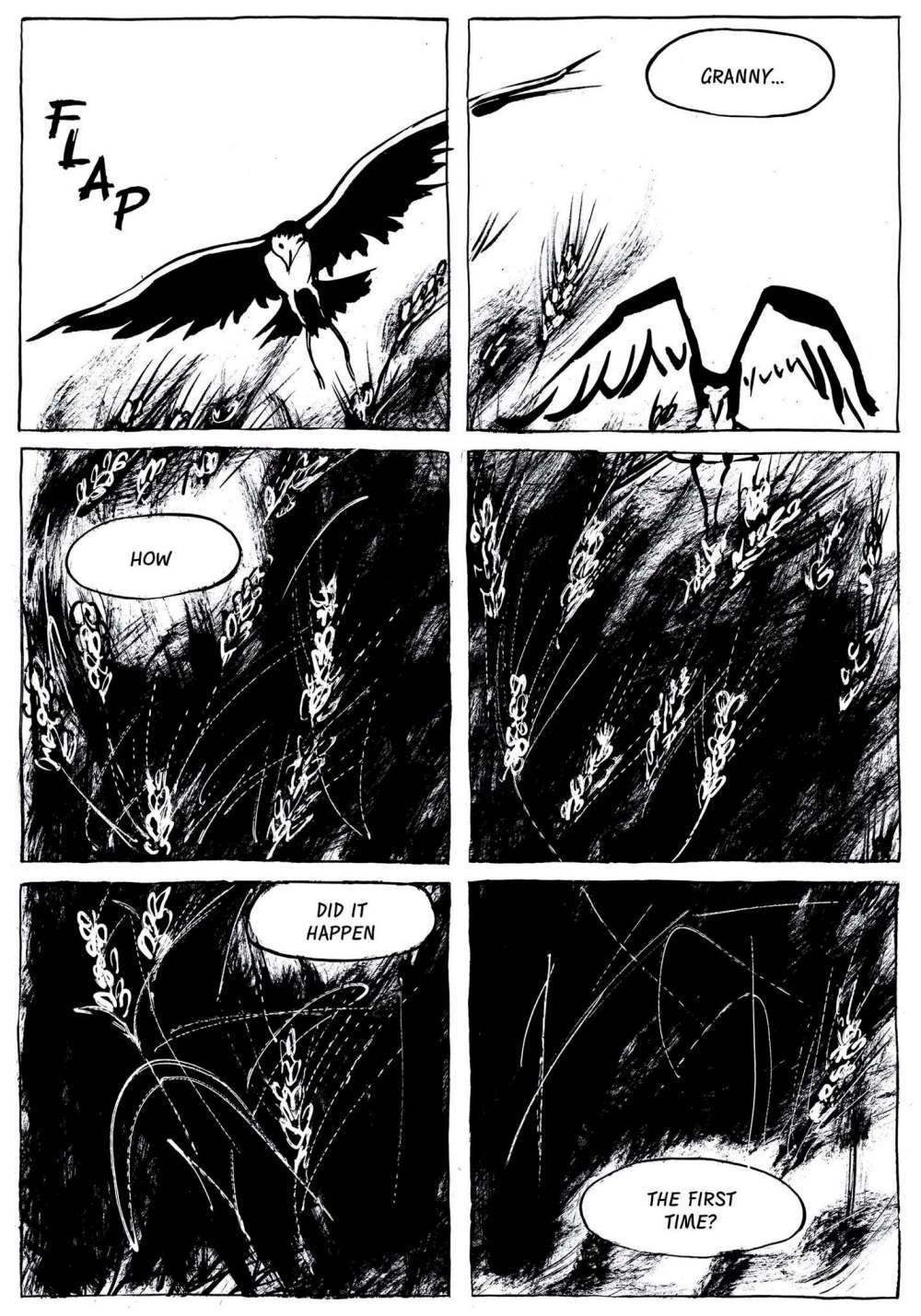
Adapting Lee’s life story into a graphic memoir allows Gendry-Kim to draw a complex portrait of this remarkable woman’s life from her own point of view, as well as that of the artist-witness. Chapters move between past and present, speaker and listener to project us into a world of dehumanizing and brutal violence, yet also reassure us the protagonist will survive these atrocities.
The book explains that the term “comfort women” is controversial because it is the direct translation of the Japanese euphemism for “prostitute,” and reflects the Imperial Japanese Army’s view of the women they abducted and enslaved. Nevertheless, Grass uses the term because of its common usage within Korea, and because it has come to stand for this very specific experience.
Cartoonist Keum Suk Gendry-Kim was born in South Korea and has lived in Paris for many years, where she publishes manhwa (a term for Korean comics) that focus on characters who are variously marginalized and outcast.
She studied painting and sculpture at L’École Supérieure des Arts Décoratifs de Strasbourg, and her technical skill in drawing figures and landscapes blends well with her heavy black outlines for cartoony faces and inky brushwork for the landscapes that punctuate the narrative.
Translator Janet Hong is based in Vancouver and lends Lee a particularly intimate and distinct speaking voice as she narrates her life story.
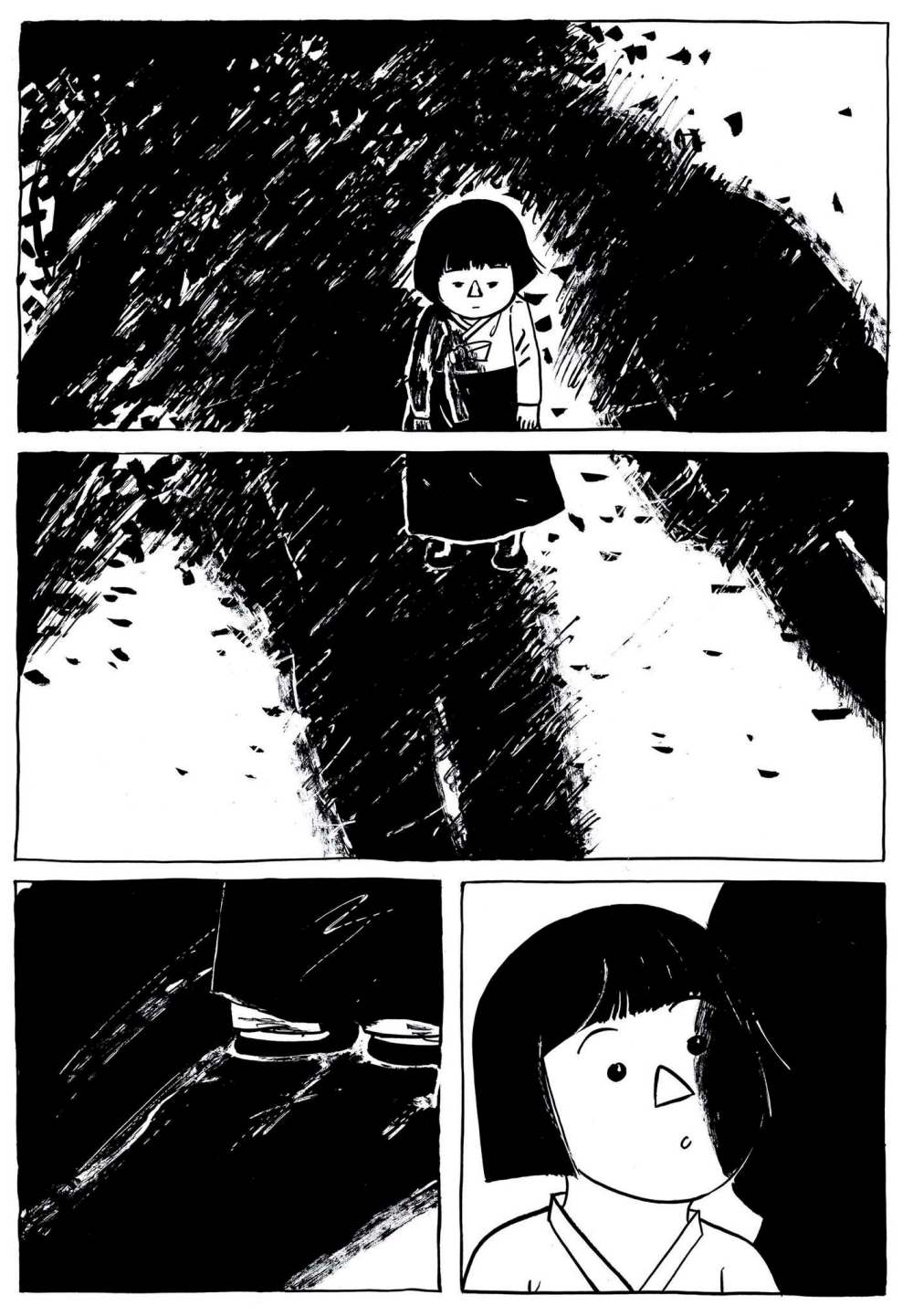
The story begins with a prologue set in 1996, when the SBS documentary Tracking Events and People helped (Granny) Lee Ok-Sun return to Korea from China for the first time in 55 years. How she ended up in China is gradually explained as the story goes back to Busan, Korea, in 1934, where we see a young Lee whose impoverished family can only afford to send the boys to school.
From the beginning, Gendry-Kim illustrates how social class, gender and ethnicity were the intersecting determining forces in Lee’s life. With too many starving children to feed, Lee’s parents have her “adopted” into indentured labour and she never sees her family again.
From this vulnerable position, Lee is an easy target for abduction at the age of 15 into sexual slavery. In 1942, she is shipped by train, along with other teenage girls, to a Japanese air squadron airport. There, they are given Japanese names, forbidden to speak Korean, fed foul rations and kept in concentration-camp conditions. Incarcerated and medically screened by the Japanese army, but only for venereal diseases, the girls and women are routinely raped and abused. Those who survived would go on to suffer lifelong physical and psychological consequences, including infertility, and social isolation and shunning after the war.

This is an important story and a horrifying one, and Gendry-Kim joins such celebrated cartoonists as Art Spiegelman and Marjane Satrapi in chronicling wartime atrocities in the form of comics. Grass is also the story of a young artist’s growing connection to a charismatic older woman who understands the historical importance of her life narrative. The story is told with suspense, and the most brutal crimes are described but not drawn, leaving it up to the reader to fill in the gaps.
Throughout, Lee’s story is punctuated by stunning silent panels of the natural beauty around her, from tree blossoms to birds to distant mountains. Nature’s resilience forms the central metaphor of the book’s title, as it ends with the artist contemplating how new sprigs of grass emerge after the long, cold winter.
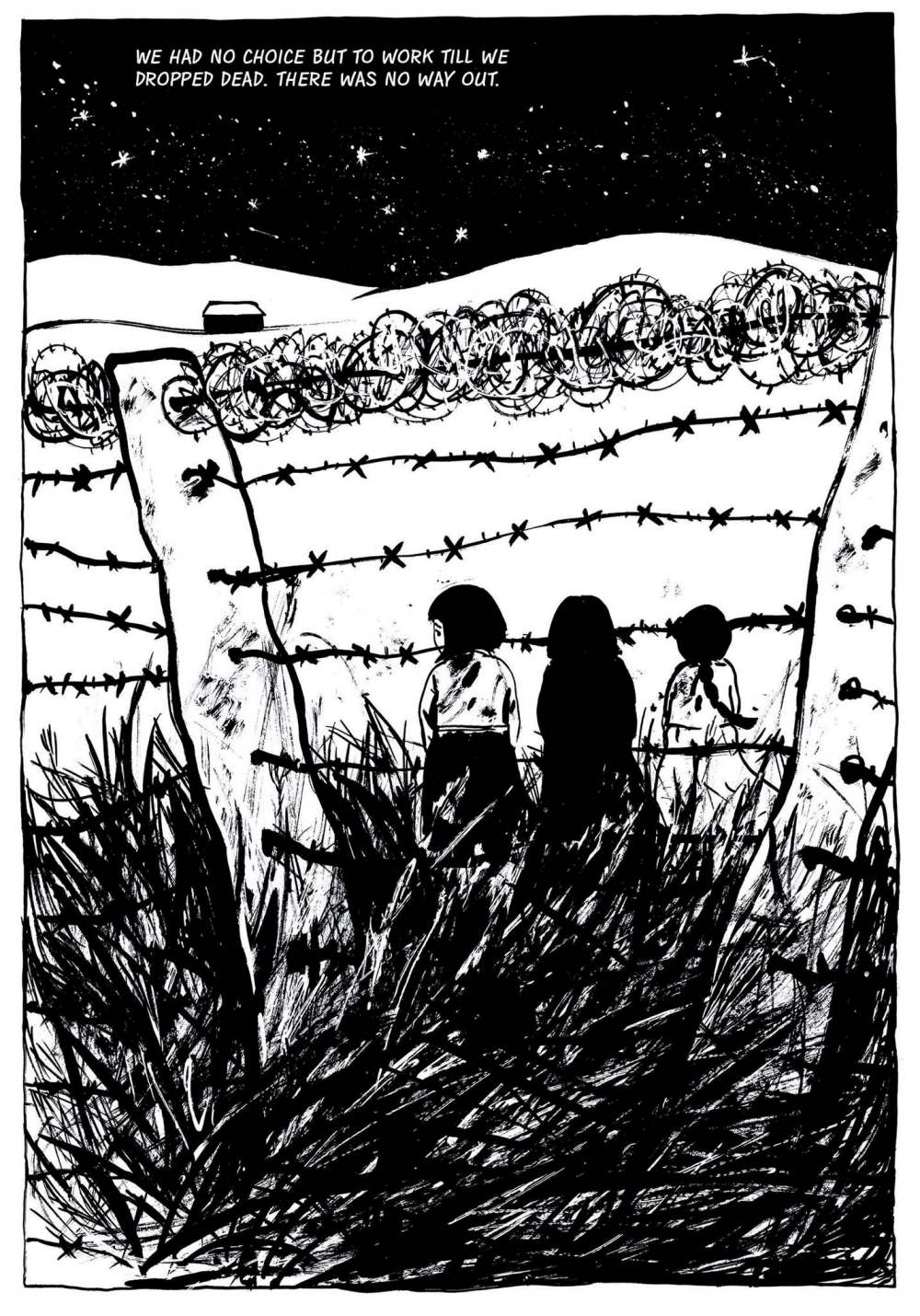
Grass contributes a crucial and largely overlooked Second World War narrative of one woman’s experience of the gendered violence of colonialism and the sexual brutality of wartime occupation.
Lee’s life story, as drawn in Gendry-Kim’s compassionate graphic memoir, deserves to be widely read as much for its historical lessons as its graceful visual storytelling.
Candida Rifkind is a professor in the department of English at the University of Winnipeg, where she teaches and researches comics, graphic narratives and Canadian literature and culture.