In Conversation: Sherwin Tjia
Advertisement
Read this article for free:
or
Already have an account? Log in here »
To continue reading, please subscribe:

Digital Subscription
One year of digital access for only $205*
- Enjoy unlimited reading on winnipegfreepress.com
- Read the E-Edition, our digital replica newspaper
- Access News Break, our award-winning app
- Play interactive puzzles
*First annual payment billed as $205.00 + GST for one year. This annual subscription will automatically renew at $233.00 + GST every 52 weeks (10% off the regular annual price of $259.35). Offer available to new and qualified returning subscribers only. Cancel any time.
To continue reading, please subscribe:
Add Free Press access to your Brandon Sun subscription for only an additional
$1 for the first 4 weeks*
- Enjoy unlimited reading on winnipegfreepress.com
- Read the E-Edition, our digital replica newspaper
- Access News Break, our award-winning app
- Play interactive puzzles
*Your next Brandon Sun subscription payment will increase by $1.00 and you will be charged $17.95 plus GST for four weeks. After four weeks, your payment will increase to $24.95 plus GST every four weeks.
Read unlimited articles for free today:
or
Already have an account? Log in here »
Hey there, time traveller!
This article was published 28/09/2019 (2510 days ago), so information in it may no longer be current.
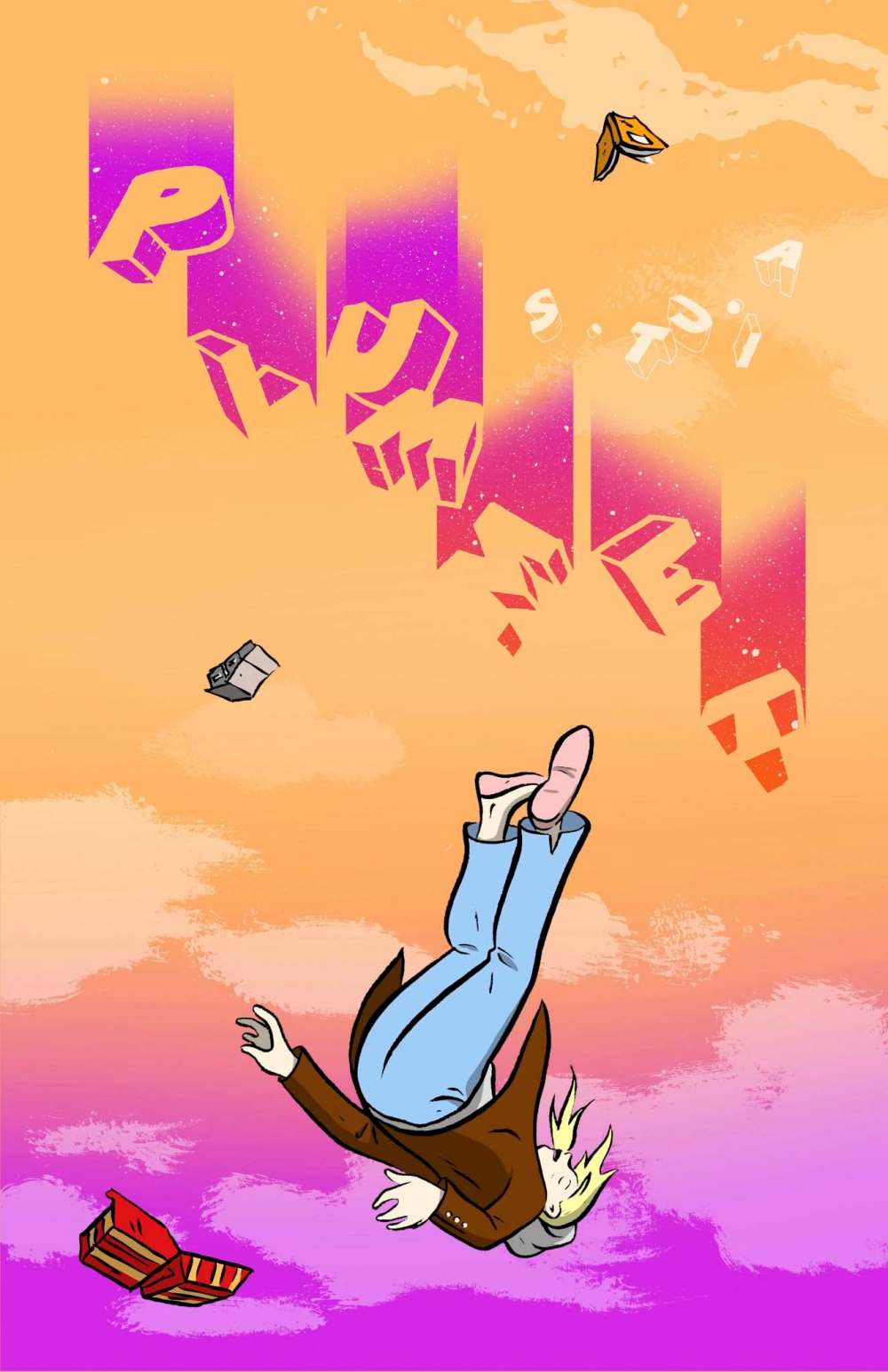
Sherwin Tjia is a Montreal-based gender-queer writer and artist. He’s bringing his latest book, a graphic novel called Plummet, to Winnipeg as part of the Winnipeg International Writers Festival.
Today, he’ll be reading with Seyward Goodhand at the Goodwill Social Club as part of The Poisoned Chalice, followed by an event with C.E. Gatchalian and Garry Thomas Morse at Whodunit? Bookstore on Sunday.
Winnipeg Free Press: What do you want people to know about Plummet?
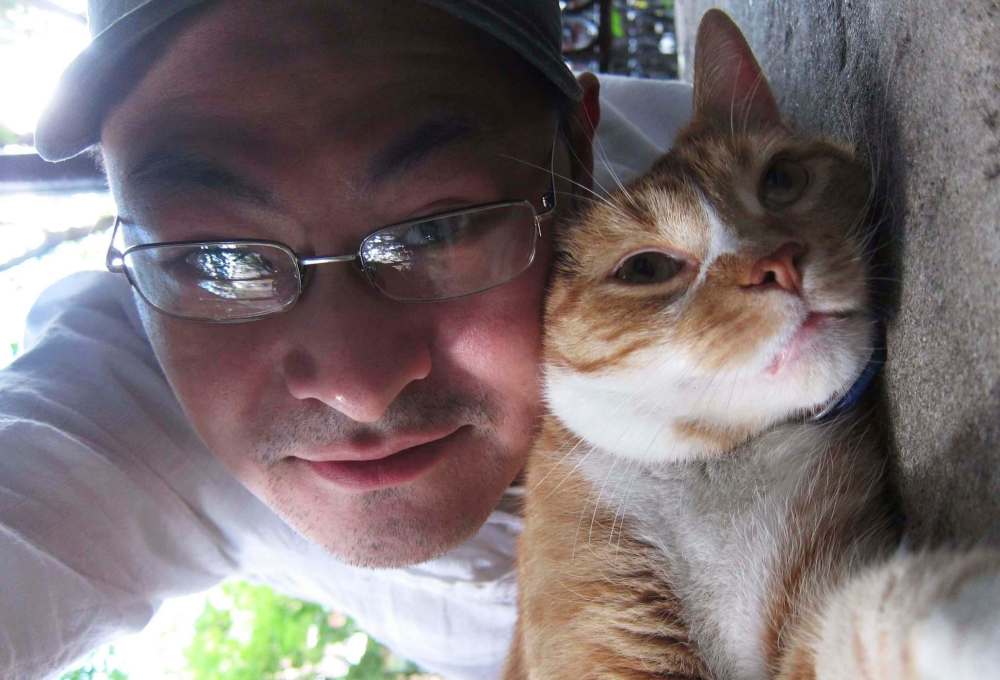
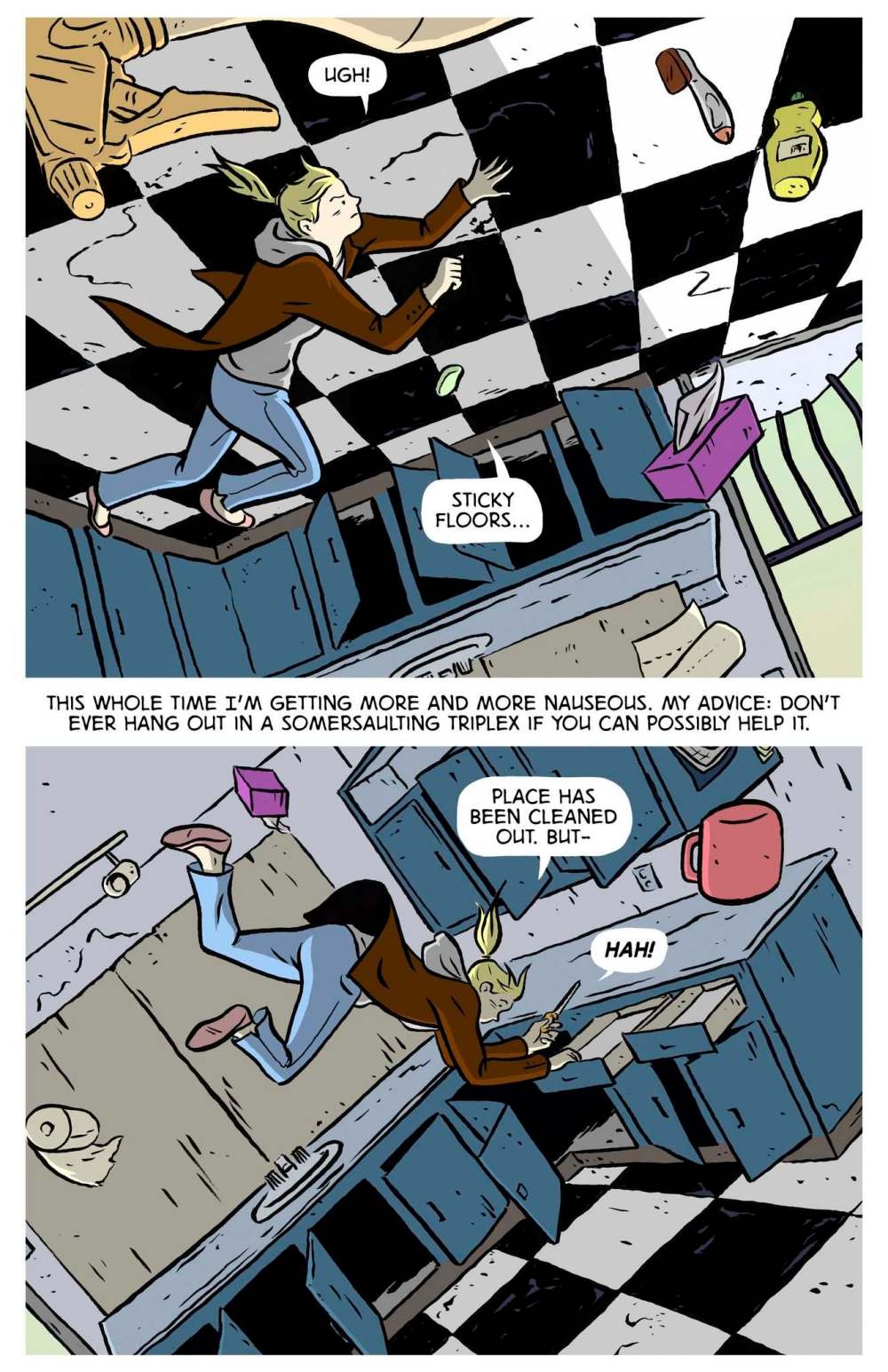
Sherwin Tjia: So, Plummet is a graphic novel about a woman who wakes one day to find herself in freefall forever. Like, literally. This isn’t a metaphor. Though there is something very metaphorical about the situation she finds herself in. We follow her as she tries to figure out what’s going on, what she’s going to eat and the other adventures she has on the way down.
WFP: What are your goals for this book?
ST: I’m hoping that the story speaks to people on a dream or soul level. I mean, I think Plummet is the perfect story for our era, where the illusions of our control over the Earth and ourselves is quickly unravelling, and we have to make life decisions while all our goals are a moving target.
WFP: Sometimes, the problem with fantastical or conceptual writing is that it’s not grounded in the body. It’s doesn’t feel real. What I loved about Plummet is that it’s very high-concept, very intellectual and strange and wonderful, but on page 2, your character has to figure out how to pee while falling. I love that she thinks to herself, “What’s going to happen when I get my period?”
ST: Haha. Yes, despite the absence of any kind of actual ground in the book, I wanted to “ground” the outlandish concept of being in constant freefall in real, relatable things. I imagined that your skin would get really dry. It’d be like living in a never-ending windstorm. I watched a bunch of skydiving videos while I was doing the book. But at the same time, I had to ignore certain physical realities for narrative reasons. For instance, if you were actually falling, it’d be hard to have a conversation with someone beside you because of the wind buffeting your ears. You’d have to scream all the time. I didn’t want everyone to be screaming, so I conveniently ignored that.
WFP: Plummet is your 11th book, which encompasses poetry, graphic novels and cat-themed Pick-a-Plot books. What have you learned about your process so far, or do you have a new process for every project?
ST: Each book is kind of the same process. I think of it as making a fire. In the beginning, when I am gathering ideas for something, I am gathering the kindling. But I know that at some point, I will need a theme, or plot, or log that will last the long haul. Long enough to sustain not only mine, but an audience’s interest. Because a book takes me at least a couple years to make, I have to be fascinated by it. And once I find that substantial core, and I think this will make a fine fire, then I sit down and light it by writing it.
WFP: You used to make your living as a medical illustrator for McGill University, but now you co-ordinate “intimate and odd events” like Slowdance Nights, Crowd Karaoke Singalongs and Strip Spelling Bees for people in Ottawa, Montreal and Toronto. What do you want these events to do for people and how do they make you feel?
ST: I see the events as other creative projects, honestly. But instead of putting words down beside each other, I am placing people in unusual circumstances that require them to be vulnerable, and reveal themselves, but all in a safe and controlled context. Each event is designed to help people feel less lonely in the world. One event I haven’t done yet, but am going to next year, is an ex’s endorsement event. Have you ever dated someone for a little while, and while they weren’t right for you, and vice versa, you know that they would be great for someone out there? Well, this event would have recently broken-up couples come and stand at two microphones in front of an audience and talk about what’s great about their ex. It’d be like those blurbs on the covers of books. And then, after the event, we would all hang out in the lounge and audience members would give their numbers to the people they liked. The events are all about connection, vulnerability and being human.
WFP: What books were important to you while you were writing/drawing Plummet? Who are your influences?
ST: When I was growing up, there was a YA sci-fi writer named William Sleator, who wrote the most compellingly dark books. A couple that come to mind are Singularity and House of Stairs. They were like Twilight Zone episodes. And I think those cultivated in me a desire to play with “what if” scenarios. But in terms of visuals, definitely Tintin. And Little Nemo in Slumberland. Weirdly, though, the first time the idea of Plummet emerged in my mind was when I listened to a song. It’s on Brian Eno’s Discreet Music album, track 2: Three Variations on the Canon in D Major by Johann Pachelbel, I: Fullness of Wind. I listened to that, and I saw the book. In fact, I would say that that song is my personal soundtrack for the book. I normally don’t take inspiration from songs. It’s never happened to me before, or since.
Ariel Gordon is a Winnipeg writer.