

The case for compassion
Former white supremacist chronicles how he was able to move beyond hate
Advertisement
Read this article for free:
or
Already have an account? Log in here »
To continue reading, please subscribe:
Monthly Digital Subscription
$0 for the first 4 weeks*
- Enjoy unlimited reading on winnipegfreepress.com
- Read the E-Edition, our digital replica newspaper
- Access News Break, our award-winning app
- Play interactive puzzles
*No charge for 4 weeks then price increases to the regular rate of $19.00 plus GST every four weeks. Offer available to new and qualified returning subscribers only. Cancel any time.
Monthly Digital Subscription
$4.75/week*
- Enjoy unlimited reading on winnipegfreepress.com
- Read the E-Edition, our digital replica newspaper
- Access News Break, our award-winning app
- Play interactive puzzles
*Billed as $19 plus GST every four weeks. Cancel any time.
To continue reading, please subscribe:
Add Free Press access to your Brandon Sun subscription for only an additional
$1 for the first 4 weeks*
*Your next subscription payment will increase by $1.00 and you will be charged $16.99 plus GST for four weeks. After four weeks, your payment will increase to $23.99 plus GST every four weeks.
Read unlimited articles for free today:
or
Already have an account? Log in here »
Hey there, time traveller!
This article was published 12/10/2019 (2244 days ago), so information in it may no longer be current.
Born in England in 1967, but raised in Vancouver, where he still resides, Tony McAleer never did attain the national reputation of haters such as Holocaust denier Ernst Zundel or Don Andrews, leader of the neo-Nazi Nationalist Party of Canada.
He did, however, attend the Aryan Nations Congress in Idaho (a hotbed of neo-Nazi recruitment) and launch Canada’s first racist-driven, computer-operated voice-messaging centre (Canada Liberty Net), even appearing on Montel Williams’ talk show as a brash white supremacist from Canada.
McAleer’s first book is worthwhile reading. Political trends, particularly in the Americas and Europe, are moving towards populist nationalism, signalling greater intolerance toward minority groups.
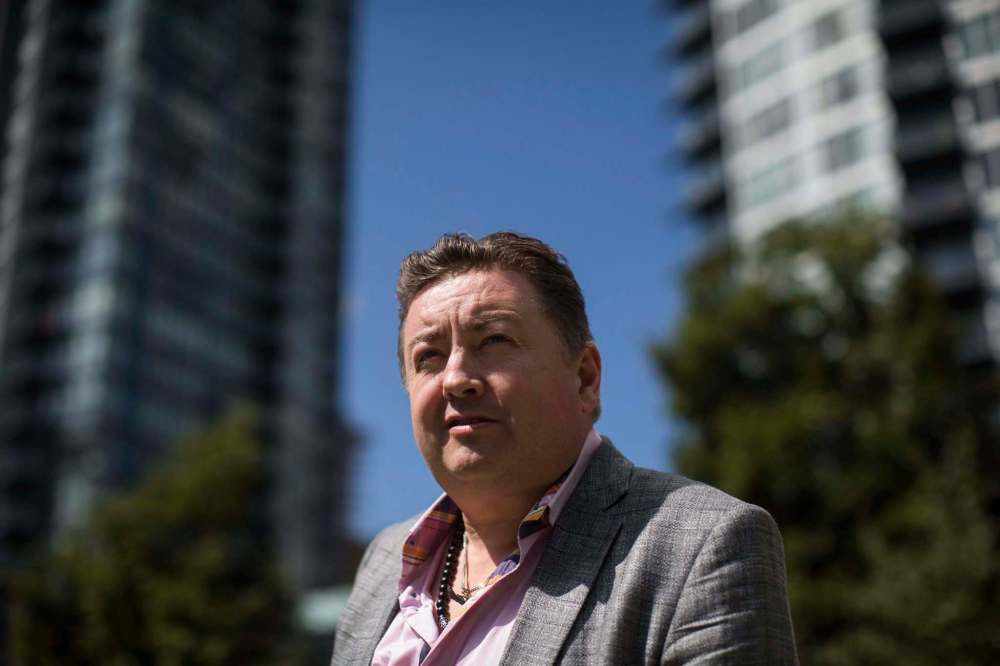
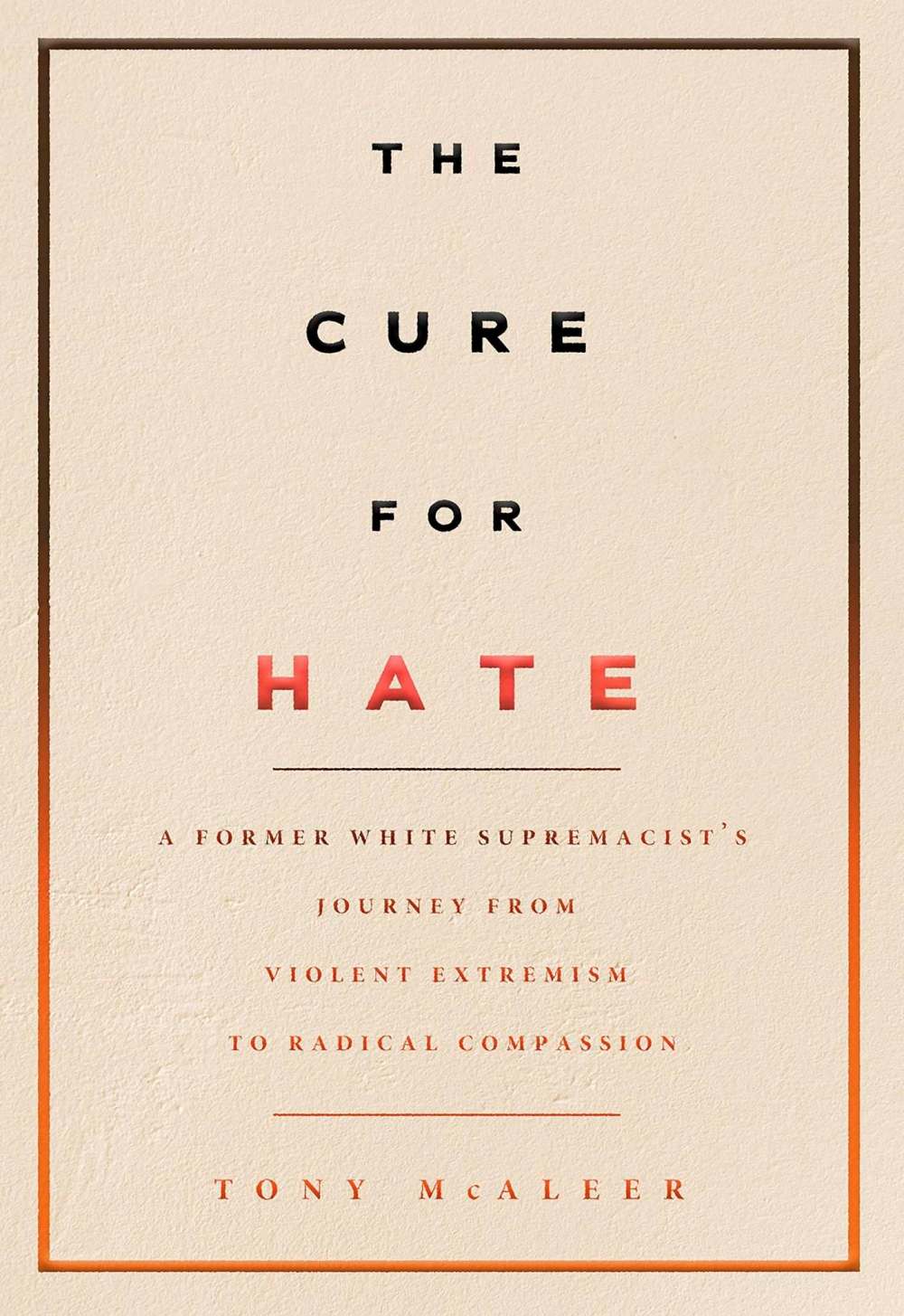
Offering valuable insights into the forces that drove an affluent, private-school-educated technology whiz to become a white supremacist, neo-Nazi and Holocaust denier, The Cure For Hate also reveals how the birth of his children sparked an epiphany that led to disengagement from a 15-year dedication to hateful ideology.
Before his epiphany, while employed in a chemical lab in North Vancouver McAleer basked in the irony of being able to use gas ovens, once surreptitiously conducting an experiment to determine the amount of time it took to reduce a pound of steak to ash, convinced Zundel was right.
He now knows that historically, extremist hate has led to genocide, but wishes he’d had such awareness when teenage angst prompted his immersion into Vancouver’s skinhead scene of the 1980s, fuelling an urge to rebel.
Swastika symbols frightened others but satisfied McAleer’s need for respect, greasing a slippery slope which carried him into the White Aryan Resistance movement, where he became a ranking member in the 1990s.
McAleer today bears little resemblance to the young extremist in downtown Vancouver handing out leaflets with pictures of idealized white families and messages warning of an uncertain future, or to the fist-swinger charged with assault on four separate occasions, only to have the charges dropped when fearful witnesses failed to appear in court.
He is currently a motivational speaker and co-founder of Life After Hate, a non-profit organization helping Canadian and American extremists disengage from hate groups by practising radical compassion, which emphasizes forgiveness of self and compassion for others. He questions why funding for Life After Hate was rescinded in the U.S. by the Trump administration.
McAleer’s time spent as an extremist leads him to suggest growing white-supremacy movements, manifested in events at Charlottesville, Va., in 2017 and the more recent deadly mass shooting in El Paso, Texas, can be curbed if ordinary citizens actively side with those being scorned instead of remaining silent.
Identifying insidious groups within the white-supremacist movement, like the “online communities of chat rooms,” McAleer reminds us that in 2017, there were more hate-speech posts on Twitter “than posts about Major League Baseball, the Super Bowl and Game of Thrones combined.”
His candid memoir implies that the sins of parents are visited upon the children — for in spite of insisting bad choices were his alone to make, readers will sense that his stern but doting mother couldn’t provide the kind of love and direction he craved from his career-oriented father.
Readers may be inclined to ponder the sincerity of his avowed determination to atone for the years spent in white-power circles, just as they will wonder if he’s disclosing all the physical and emotional pain he inflicted upon others.
Still, it’s reassuring to know spiritual and psychological guidance have helped this potential domestic terrorist totally disengage from extremism lest old attitudes tempt a return to hate, a process he compares to the personal journeys of alcoholics intent on following the 12 steps to recovery.
Joseph Hnatiuk is a retired teacher.
Book review
The Cure for Hate: A Former White Supremacist’s Journey From Violent Extremism to Radical Compassion
By Tony McAleer
Arsenal Pulp Press, 320 pages, $23
Related Articles
City high school to screen reformed Holocaust denier's documentary on visit to Nazi death camp
Advertisement Advertise With Us
Advertisement Advertise With Us