Putting down roots
Masterful, sprawling new novel lumbers through decades toward climate catastrophe
Advertisement
Read this article for free:
or
Already have an account? Log in here »
To continue reading, please subscribe:
Monthly Digital Subscription
$1 per week for 24 weeks*
- Enjoy unlimited reading on winnipegfreepress.com
- Read the E-Edition, our digital replica newspaper
- Access News Break, our award-winning app
- Play interactive puzzles
*Billed as $4.00 plus GST every four weeks. After 24 weeks, price increases to the regular rate of $19.95 plus GST every four weeks. Offer available to new and qualified returning subscribers only. Cancel any time.
Monthly Digital Subscription
$4.99/week*
- Enjoy unlimited reading on winnipegfreepress.com
- Read the E-Edition, our digital replica newspaper
- Access News Break, our award-winning app
- Play interactive puzzles
*Billed as $19.95 plus GST every four weeks. Cancel any time.
To continue reading, please subscribe:
Add Free Press access to your Brandon Sun subscription for only an additional
$1 for the first 4 weeks*
*Your next subscription payment will increase by $1.00 and you will be charged $16.99 plus GST for four weeks. After four weeks, your payment will increase to $23.99 plus GST every four weeks.
Read unlimited articles for free today:
or
Already have an account? Log in here »
Hey there, time traveller!
This article was published 26/10/2019 (2358 days ago), so information in it may no longer be current.
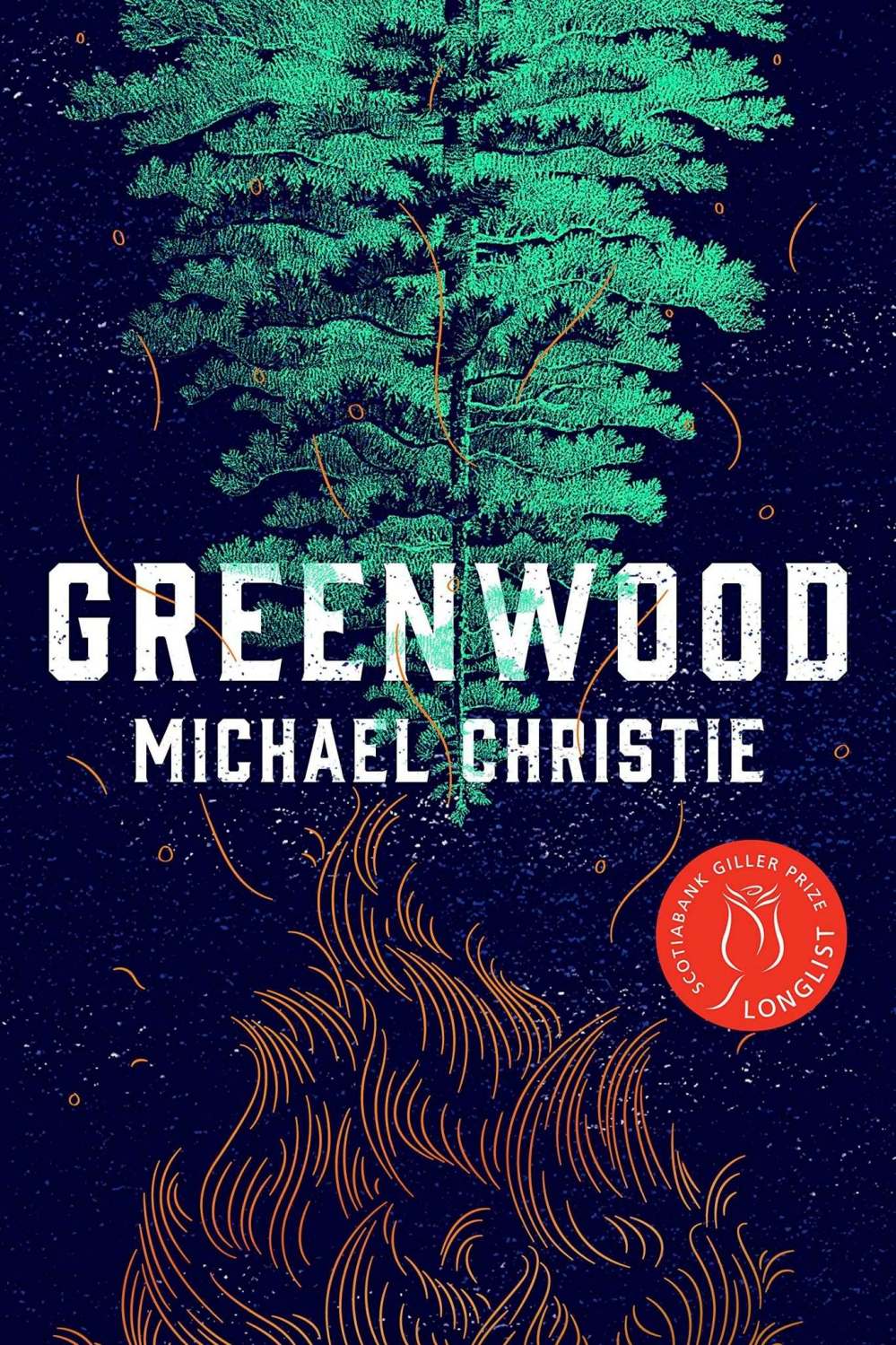
In the followup to the hit If I Fall, If I Die, Michael Christie’s second novel Greenwood is a sprawling and ambitious novel of industrial greed, climate catastrophe, familial bonds and a little bit of hope.
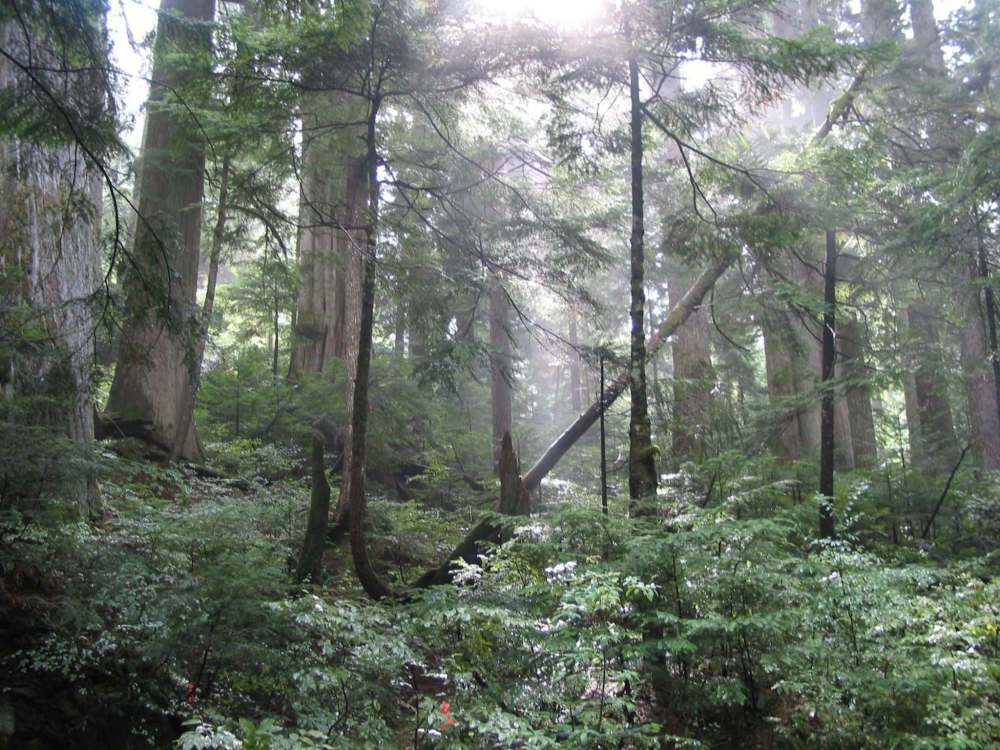
The novel opens in 2038 after a disastrous climate event known as the Great Withering, which has killed off the vast majority of the world’s trees and other plant life. Jacinda (Jake) Greenwood, despite having a PhD in botany, can only get work as a tour guide at the Greenwood Arboreal Cathedral, a private island in B.C. and one of the last remaining places on Earth which still has old-growth trees. The Greenwood Cathedral is an elitist retreat, accessible only to the richest people left in the world. They come from all over to experience the trees, the pricey accommodations, artisanal camp-out food and, most of all, to avoid the languishing masses left to suffer in the dusty remnants of society on the mainland.
Just as this setting is established, the novel shifts back in time to 2008 and follows Jacinda’s estranged father, Liam Greenwood. Then after him, the story continues backward into 1974, then 1934 and finally 1908, where a train crash sets in motion all of the other events by bringing together two small boys who will end up with the names Harris and Everett Greenwood, before moving forward in time incrementally back to 2038. This structure is similar to Cloud Atlas by David Mitchell and Automatic World by Struan Sinclair (which also had a train crash as the main plot catalyst), but in the case of Greenwood, is meant to specifically evoke the concentric circles of a tree.
The connecting thread of all the time periods is the Greenwood family — specifically the boys, Harris and Everett. By 1934, Harris has become the owner of a giant lumber company called Greenwood, whereas Everett lives as a hermit on the land of Harris’ rival R.J. Holt, making his living tapping the trees for maple syrup. In 1974 Willow Greenwood, Harris’s daughter, struggles to raise her son Liam, while also trying to continue as an eco-warrior sabotaging the equipment of Holtcorp. Forever guilty and ashamed of her father’s fortune from plundering the forests of B.C., Willow lives in a van and strives to leave as little impact on the world as possible.
In 2008, Liam works as a carpenter specializing in recovered wood, with an array of super-rich clients — which leads back into 2038, where Jake Greenwood struggles under student debt at the Greenwood Arboreal Cathedral.
The plot structure is quite ingenious and engaging, though this is first and foremost the story of Harris and Everett Greenwood. Half of the novel is spent in the 1934 setting, as Harris and Everett experience very different perspectives of the Great Depression and the dustbowl droughts, a circumstance which is obviously paralleled in the future of the Withering.
This is by no means a negative, as Harris and Everett’s struggles are compelling and tender. Because the novel deals with such a long time span, there are many lives touched throughout, and the storytelling is visceral, but sympathetic and touching. The way the tiny seedling of an event — how the Greenwood boys ended up together after the train crash of 1908 — grows into the sprawling story of the rise and fall of a lumber empire. The possible crash of greater civilization is mirrored in the majestic growth of ancient trees, which are given respect and reverence all throughout the novel.

In only his second novel, Christie has taken an ambitious risk with such an epic narrative, but it has paid off. Greenwood, which made the Giller prize long list this year, is a literary achievement — one that should cement Christie as a towering Canadian author for a good long while.

Keith Cadieux is a Winnipeg writer and editor.