Ferrante essays enlighten, entertain
Advertisement
Read this article for free:
or
Already have an account? Log in here »
To continue reading, please subscribe:

Digital Subscription
One year of digital access for only $205*
- Enjoy unlimited reading on winnipegfreepress.com
- Read the E-Edition, our digital replica newspaper
- Access News Break, our award-winning app
- Play interactive puzzles
*First annual payment billed as $205.00 + GST for one year. This annual subscription will automatically renew at $233.00 + GST every 52 weeks (10% off the regular annual price of $259.35). Offer available to new and qualified returning subscribers only. Cancel any time.
To continue reading, please subscribe:
Add Free Press access to your Brandon Sun subscription for only an additional
$1 for the first 4 weeks*
- Enjoy unlimited reading on winnipegfreepress.com
- Read the E-Edition, our digital replica newspaper
- Access News Break, our award-winning app
- Play interactive puzzles
*Your next Brandon Sun subscription payment will increase by $1.00 and you will be charged $17.95 plus GST for four weeks. After four weeks, your payment will increase to $24.95 plus GST every four weeks.
Read unlimited articles for free today:
or
Already have an account? Log in here »
Hey there, time traveller!
This article was published 11/01/2020 (2401 days ago), so information in it may no longer be current.
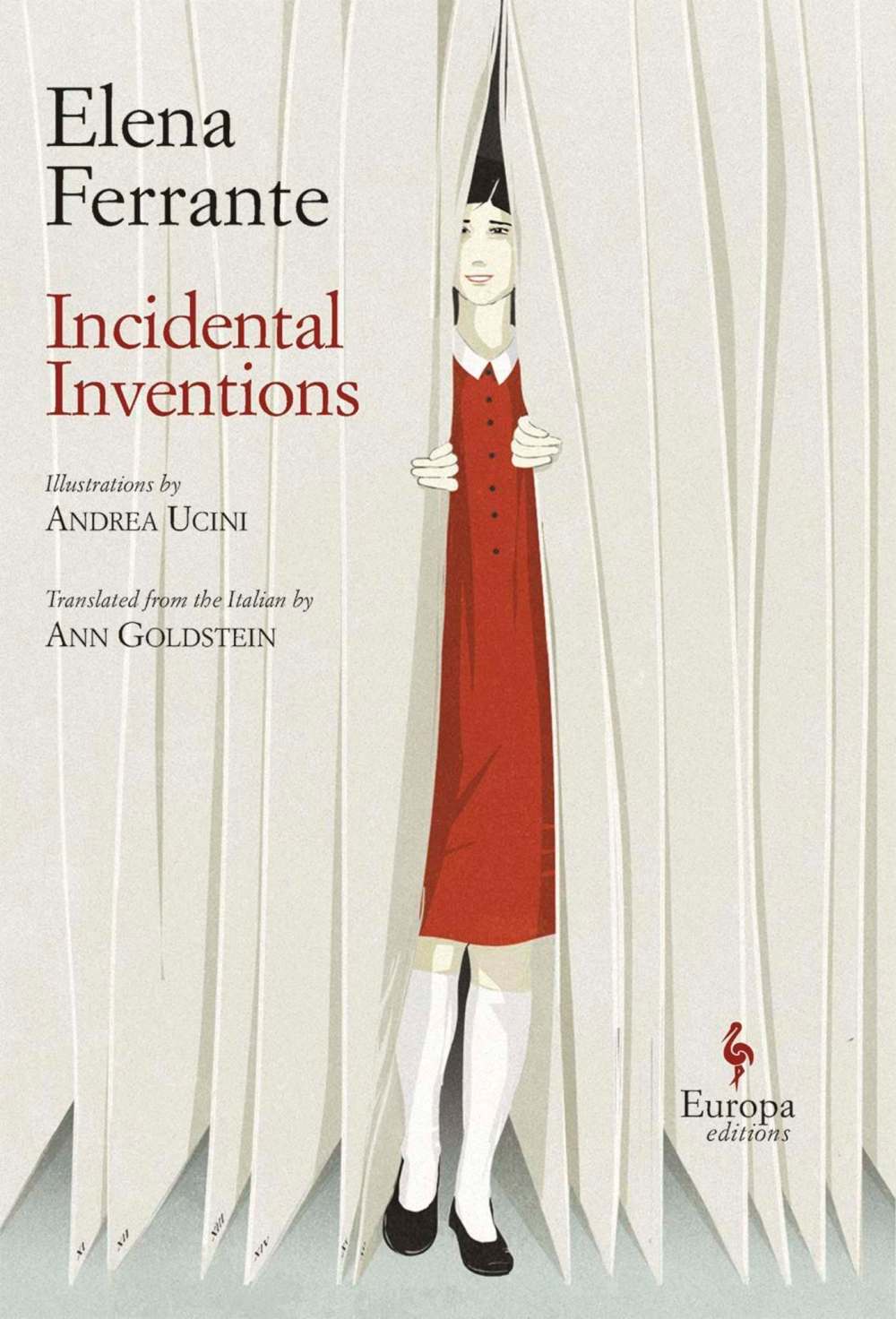
The chance to see inside the mind and personal life of a novelist is a rare privilege for readers. Through Incidental Inventions, author Elena Ferrante shows the vast range of human experience that can influence writers as they seek to tell stories that entertain and educate their readers.
Ferrante is a pseudonymous Italian novelist whose works, particularly her Neapolitan novels, have received international praise. In 2018, she took on the challenge of writing a weekly column for a year, using suggested topics from the Guardian newspaper. Incidental Inventions is the result of that yearlong experiment, covering topics ranging from “Keeping a Diary” to “The Exclamation Point,” “Linguistic Nationality” and “Happy Childhoods.”
Through topics like these, Ferrante reflects on larger issues such as national identity, the joys and pitfalls of friendships, fears, telling the truth about the human condition and the nature of reality. The posts are not so much a reflection of events in Italy or around the world as the thoughts of an adept writer on the stages and experiences of life.
Ferrante generally stays away from any major controversies in this series of columns, although she touches on Italian politics and the Five Star movement in her chapter “Bad Feelings.” Still, her views on the treatment of men and women, the nature of love and marriage, the joys and trials of motherhood and other issues might elicit nods of agreement or a few raised eyebrows from her readers, as non-controversial as the subjects might seem at first glance.
Some topics have a more universal appeal than others. While many readers are likely to relate to the author’s account of her struggles with and ultimate loss of religious faith, the people who appreciate her thoughts on certain punctuation marks might be smaller in number. Still, Ferrante discusses each topic with skill and often humour, as she does with her comparison of the benefits of human translators versus the vagaries of translation software in her chapter on “linguistic nationality.”
Readers who might have encountered the difficulties of moving from one set of idioms to another will be pleased to find the smoothness of the translation in this very readable book; it is easy to forget that the original language was Italian rather than English.
Accompanying Ann Goldstein’s translation are Andrea Ucini’s illustrations at the beginning of each chapter, helping readers to focus on the overarching themes and giving them memorable images to attach to the ideas.
A problem inherent in this type of book is the disjointed nature of the content; although Ferrante follows certain themes such as the nature of writing or the joys of parenthood, it is difficult to maintain much continuity of thought when each chapter is less than two pages long and the range of topics is so wide.
What the book loses in sustained themes, however, it gains in its presentation of the mind of a writer, with some of the ideas that likely inspired her novels.
Incidental Inventions may or may not inspire people to explore more of Ferrante’s work, but this short work is well worth reading. Whether taken as an insight into one Italian writer’s mind or a look at some of the issues that people face today, it’s an entertaining and thought-provoking look at life in the modern world.
Susan Huebert is a Winnipeg writer and pet sitter.