Touch of grey
Rabagliati's successful, sullen artist contemplates aging, ailments and alienation
Advertisement
Read this article for free:
or
Already have an account? Log in here »
To continue reading, please subscribe:

Digital Subscription
One year of digital access for only $205*
- Enjoy unlimited reading on winnipegfreepress.com
- Read the E-Edition, our digital replica newspaper
- Access News Break, our award-winning app
- Play interactive puzzles
*First annual payment billed as $205.00 + GST for one year. This annual subscription will automatically renew at $233.00 + GST every 52 weeks (10% off the regular annual price of $259.35). Offer available to new and qualified returning subscribers only. Cancel any time.
To continue reading, please subscribe:
Add Free Press access to your Brandon Sun subscription for only an additional
$1 for the first 4 weeks*
- Enjoy unlimited reading on winnipegfreepress.com
- Read the E-Edition, our digital replica newspaper
- Access News Break, our award-winning app
- Play interactive puzzles
*Your next Brandon Sun subscription payment will increase by $1.00 and you will be charged $17.95 plus GST for four weeks. After four weeks, your payment will increase to $24.95 plus GST every four weeks.
Read unlimited articles for free today:
or
Already have an account? Log in here »
Hey there, time traveller!
This article was published 13/02/2021 (1993 days ago), so information in it may no longer be current.
This latest book in Michel Rabagliati’s affecting, semi-autobiographical Paul series finds the eponymous protagonist now in his early 50s and relatively successful as an artist. He is able to make a living solely from drawing comics, and devoted fans still show up to see him at conventions.
But Paul is far from comfortable, or even content, as that same level of devotion is sorely lacking in his personal life; he is now divorced, his daughter is celebrating her newfound adulthood by moving overseas and his mother’s failing health is a troubling reminder of his own chronic ailments.
Having come of age in 1970s Quebec (detailed in Paul Has a Summer Job, the second book in the series), Rabagliati’s cartoonist-turned-curmudgeon is a familiar character-type. But the author’s great eye for detail also affords for a more complete picture of Paul at home; a close-up of Paul’s medicine cabinet lets us provide our own diagnosis of his health, through the display of Celexa, Paxil, Ambien and a package of Breathe Right nasal strips.
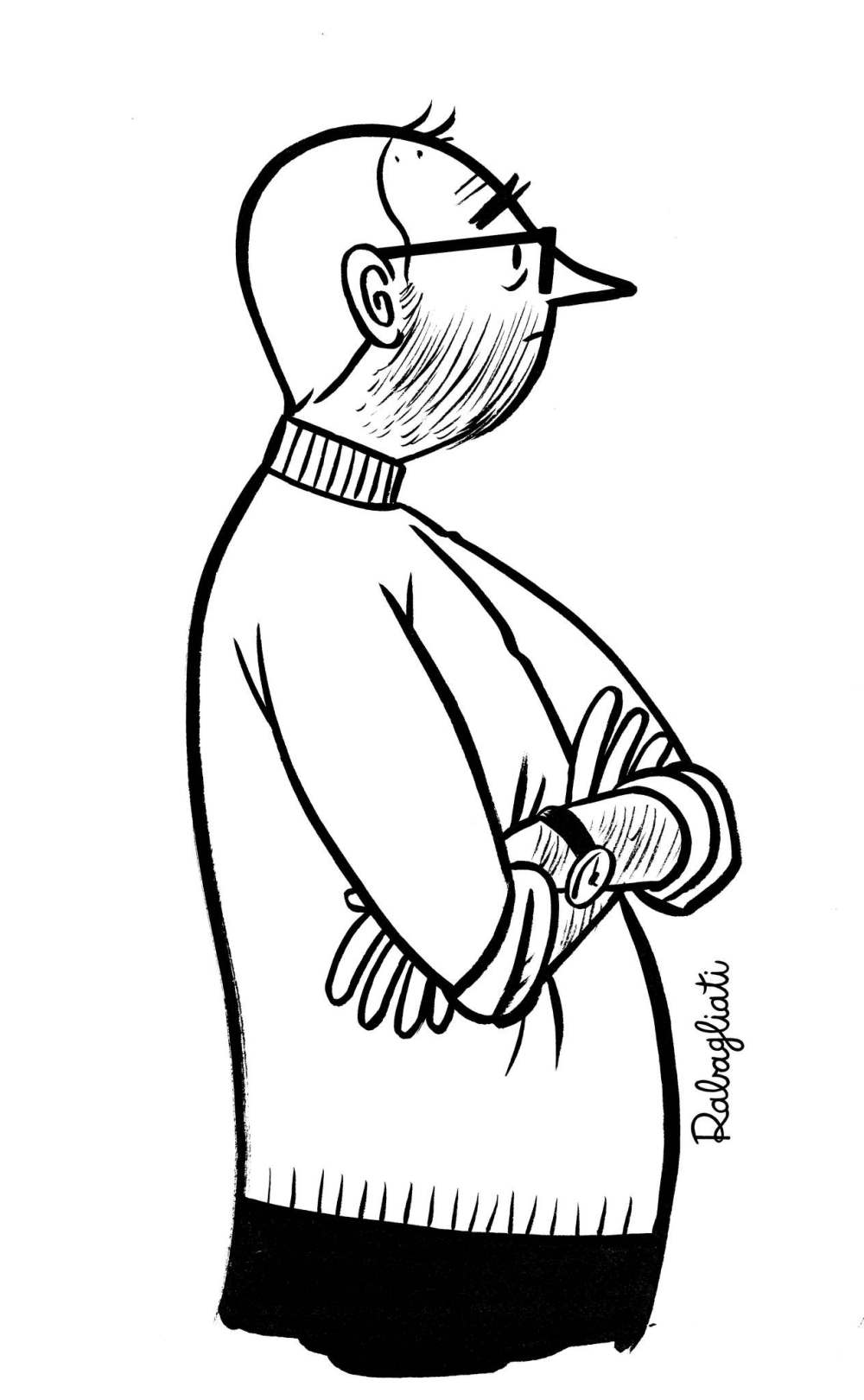
In case the reader misses a well-placed detail, Paul is all too happy to complain about everything that has gone (and continues to go) wrong.
This is black comedy indeed, but it’s still heartbreaking to see this current incarnation of Paul, whose earnestness and enthusiasm had imbued earlier instalments with a gentler, more hopeful atmosphere.
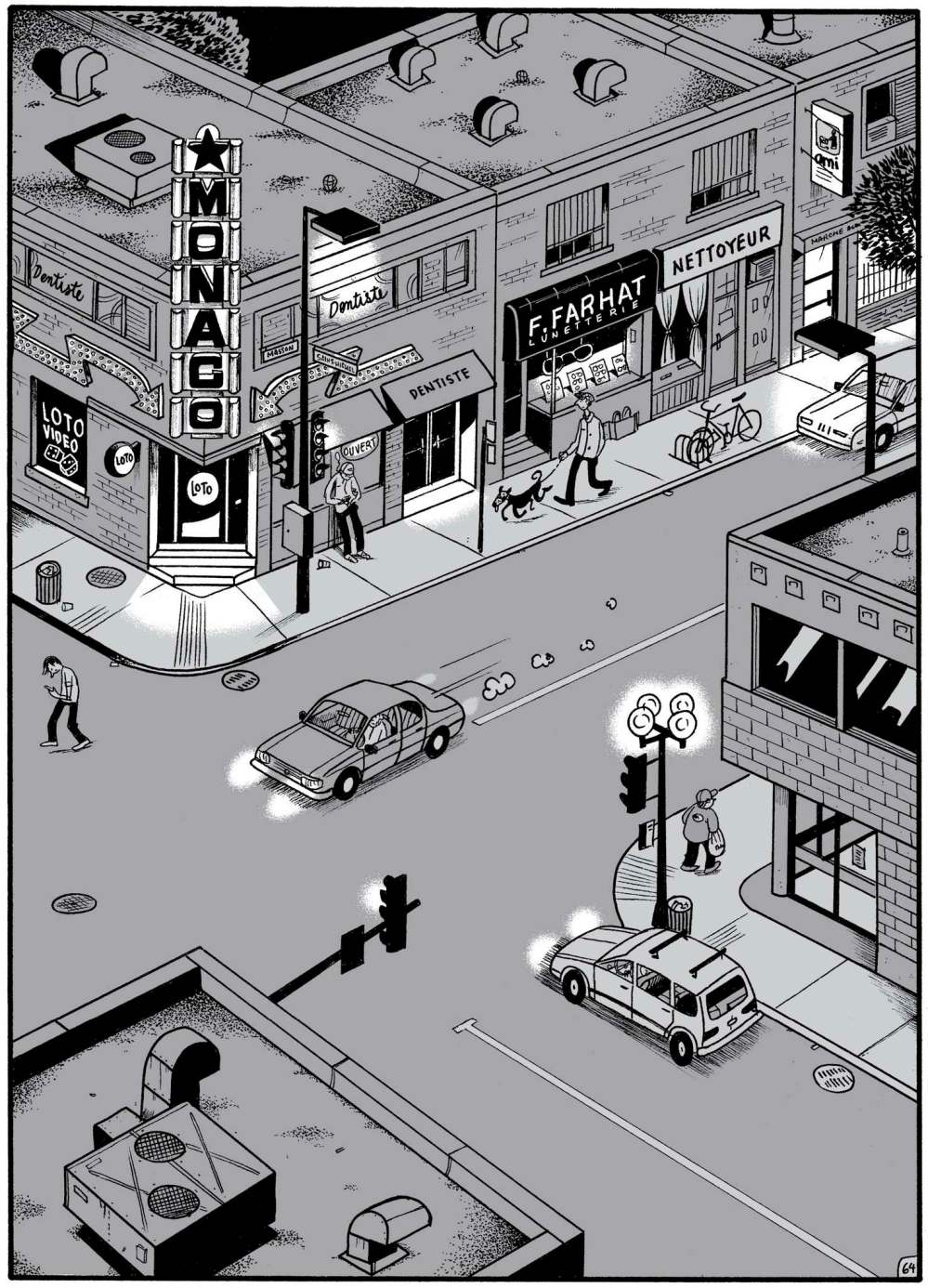
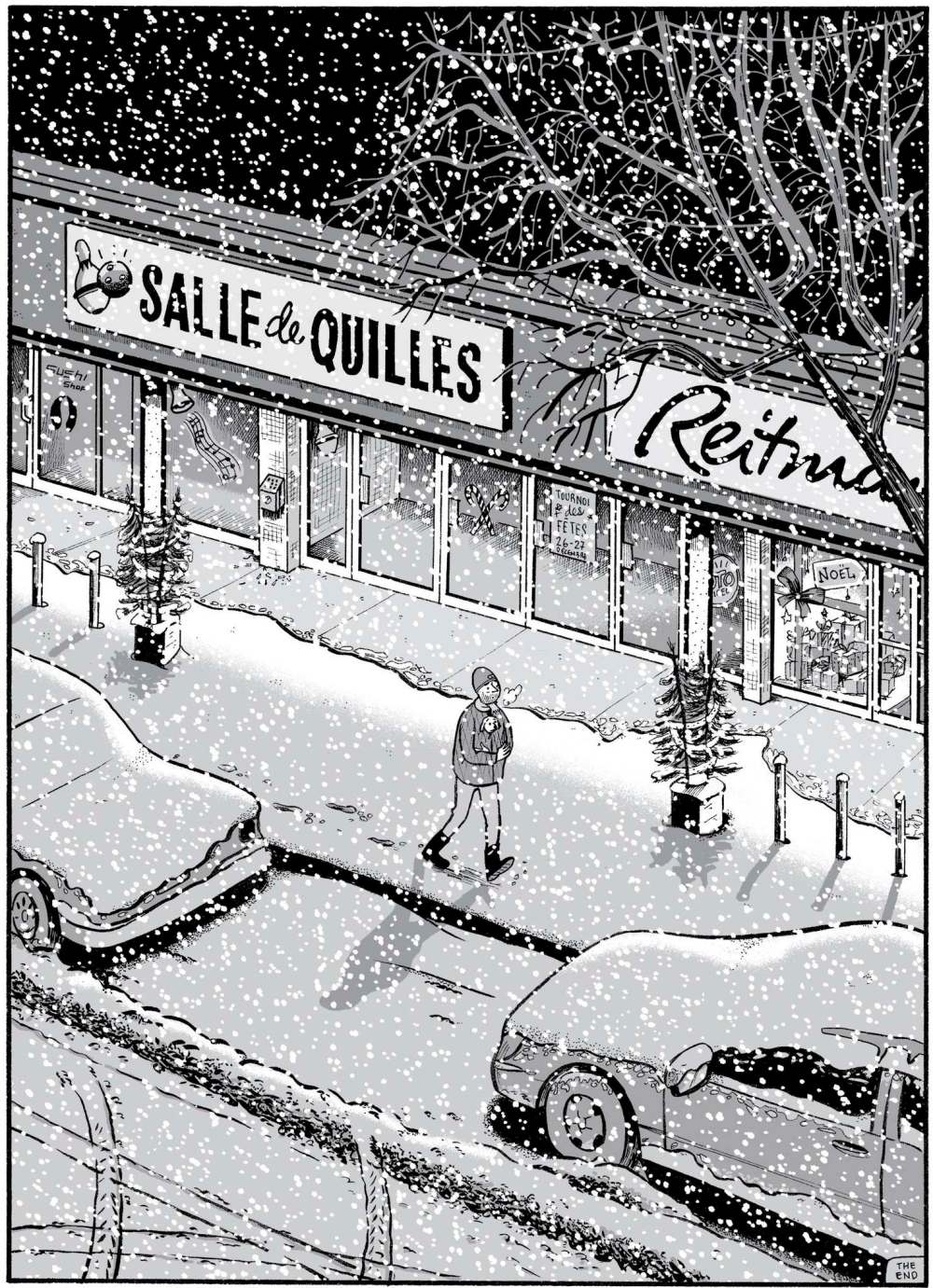
Once in a while, though, glimpses of the old Paul shine through. Rabagliati’s vivid, eye-catching signs are a series signature that reflect a palpable sense of place in each book, and also display Paul’s ever-present passion for typography. Here, he greets fonts on city storefronts and highway signs like old friends, though he is sometimes disappointed by what they too, have become.
“I hate change! Especially when it’s useless!” Paul exclaims, often mistaking a lack of usefulness for his own stubbornness while trying to adapt, or establish new routines.
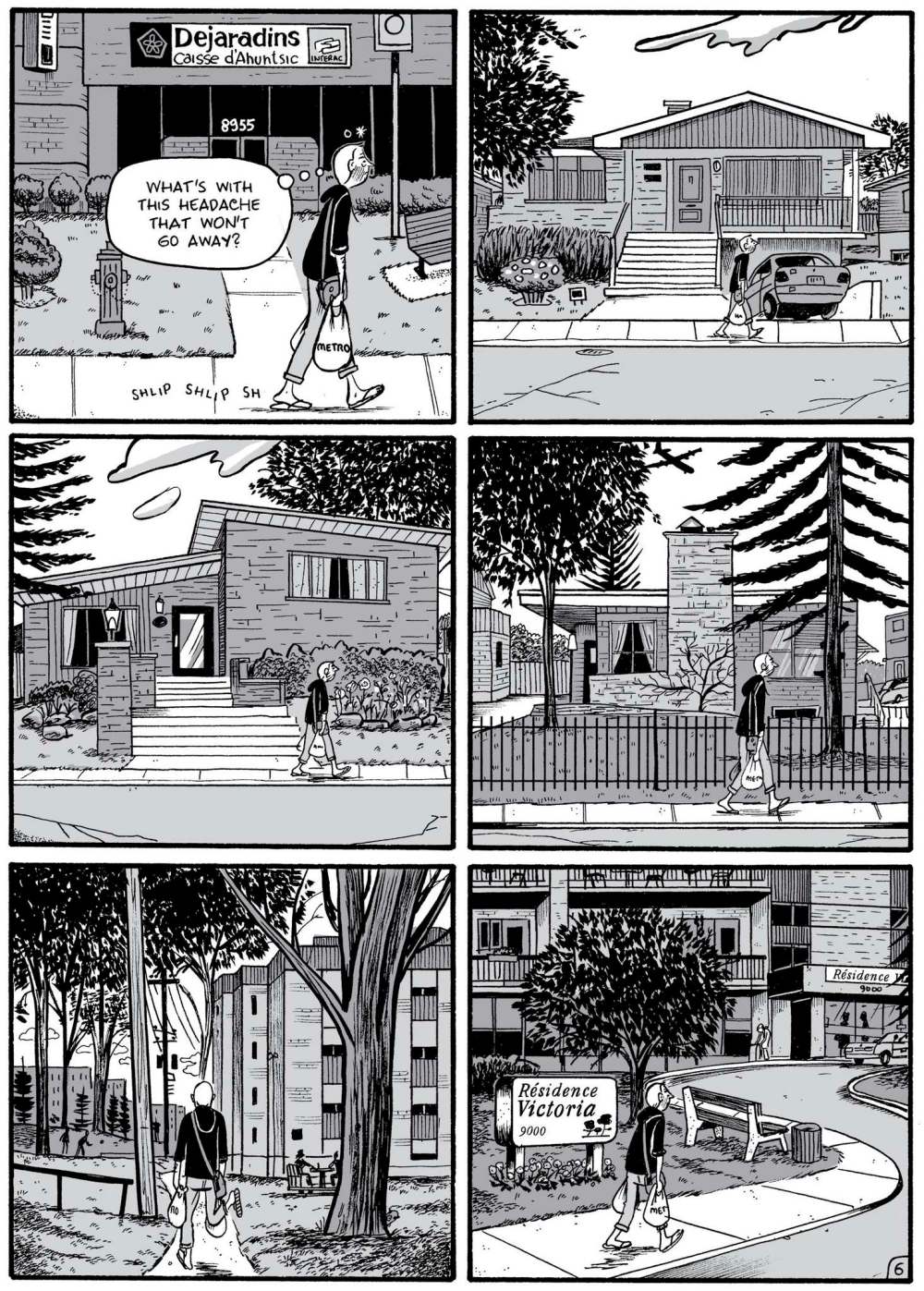
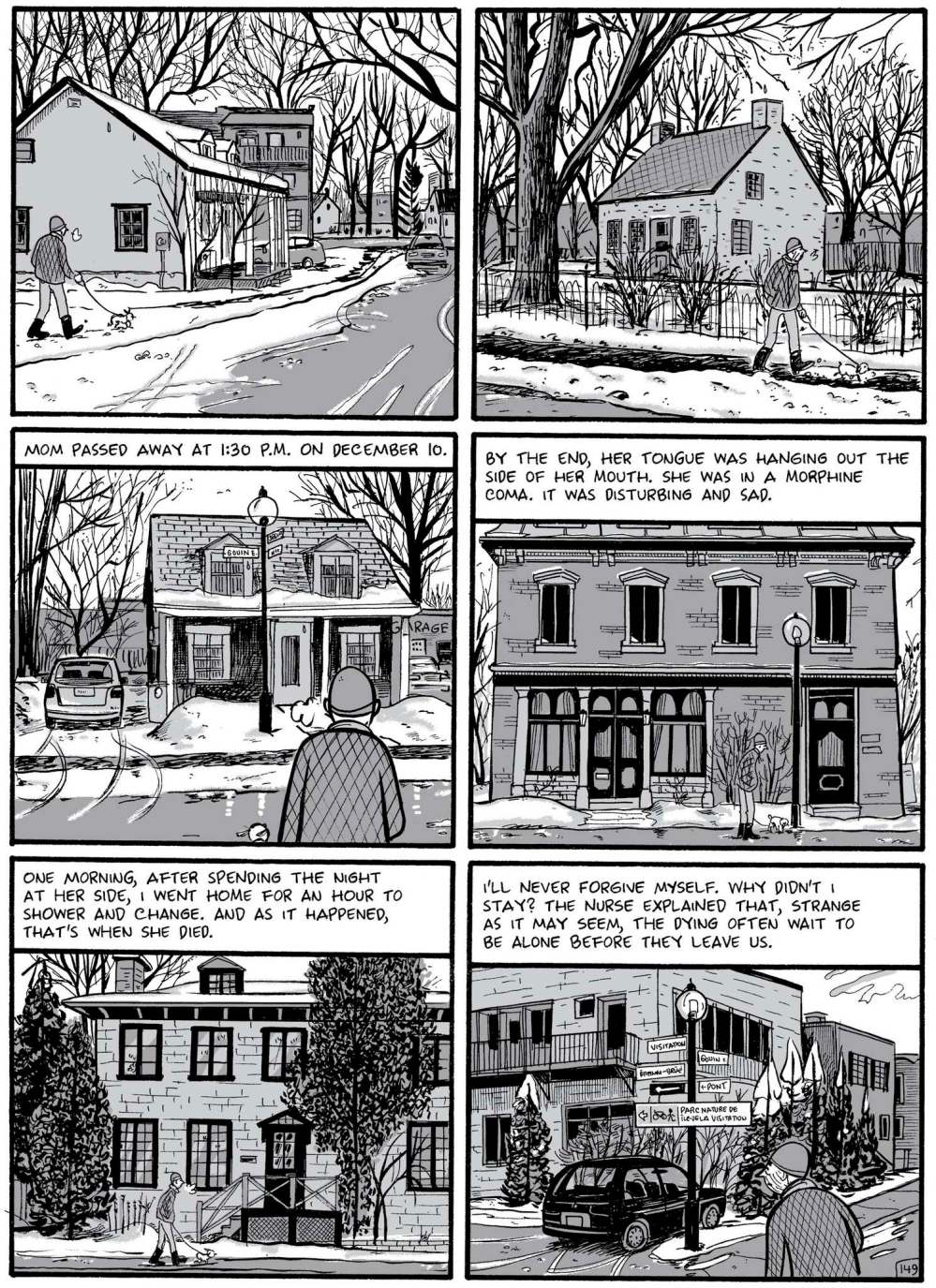
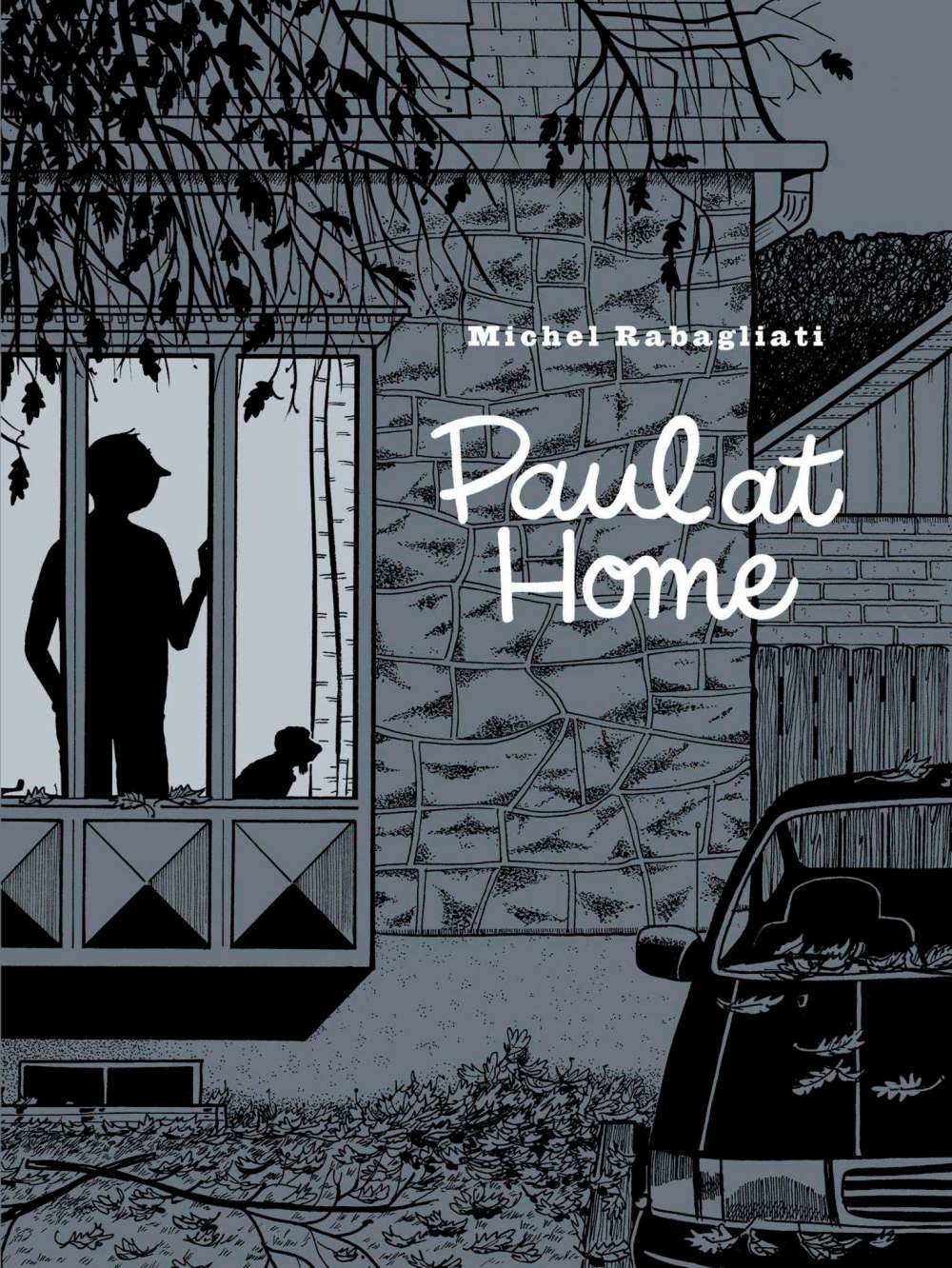
Many of these routines take on an increasingly sombre tone, reflected in the book’s dreary grey-and-white palette and ever-present themes of ailing and aging. Paul accompanies his mother to the doctor on account of a serious, recurring medical issue, and realizes the two of them are much more similar than he’d like to admit.
On the flipside, Paul is against his daughter’s decision to live abroad, though, as the girl’s mother admits, “nothing is going to stop her, even if it means figuring things out the hard way” — a quality she obviously gets from her father.
Though the subject matter in Paul at Home is often melancholy, the protagonist’s insular, isolated point of view is artfully spun. Slice-of-life graphic writing often relies on mundane routines to drive the story, but for Paul, even the simplest of tasks often spiral out of control, often to great comedic effect.
The reader is treated to many a whimsical, drawn-out sight gag, from Paul manically trying to put on a complicated CPAP machine before bed, to the ongoing disaster resulting from his attempts to clean out the inexplicably stagnant water in his backyard pool.
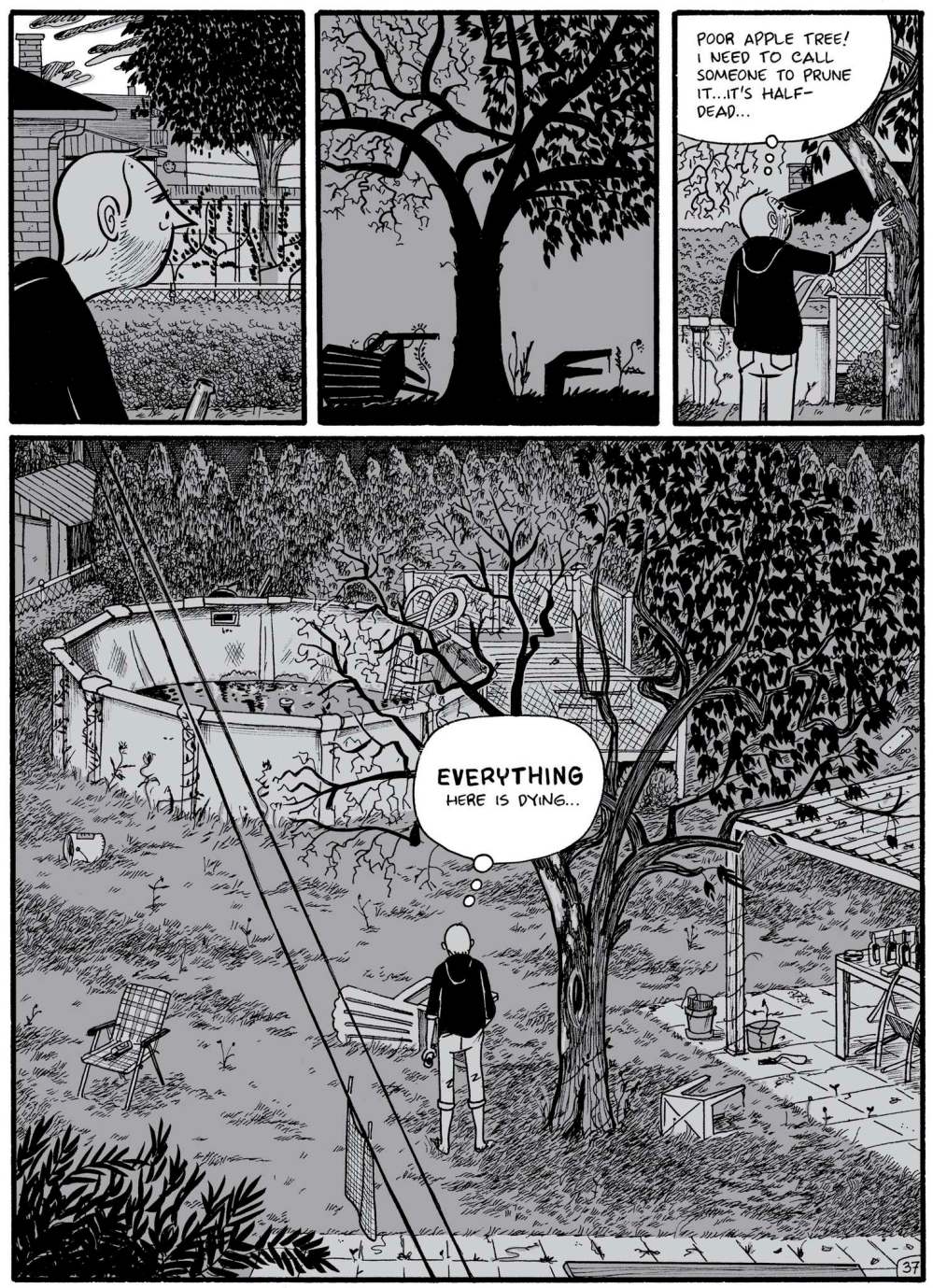
As seen early on in the story, Paul’s entire yard is in a state of decay, complete with a dying apple tree. Trees are a reccurring motif in the series, and the one here desperately needs to be uprooted. Paul finally does the job, replacing the dead wood with a tiny, budding cherry tree gifted to him by a neighbour.
The metaphor here is clear; though it’s hard to be hopeful when everything is so bleak, Rabagliati’s reflection on loss and isolation shows there is still room to laugh, and to grow.
Nyala Ali writes about contemporary graphic novels.