

A deadly duo
Ruthless leaders' ideas, personalities compared and contrasted in enlightening tome
Advertisement
Read this article for free:
or
Already have an account? Log in here »
To continue reading, please subscribe:
Monthly Digital Subscription
$1 per week for 24 weeks*
- Enjoy unlimited reading on winnipegfreepress.com
- Read the E-Edition, our digital replica newspaper
- Access News Break, our award-winning app
- Play interactive puzzles
*Billed as $4.00 plus GST every four weeks. After 24 weeks, price increases to the regular rate of $19.95 plus GST every four weeks. Offer available to new and qualified returning subscribers only. Cancel any time.
Monthly Digital Subscription
$4.99/week*
- Enjoy unlimited reading on winnipegfreepress.com
- Read the E-Edition, our digital replica newspaper
- Access News Break, our award-winning app
- Play interactive puzzles
*Billed as $19.95 plus GST every four weeks. Cancel any time.
To continue reading, please subscribe:
Add Free Press access to your Brandon Sun subscription for only an additional
$1 for the first 4 weeks*
- Enjoy unlimited reading on winnipegfreepress.com
- Read the E-Edition, our digital replica newspaper
- Access News Break, our award-winning app
- Play interactive puzzles
*Your next Brandon Sun subscription payment will increase by $1.00 and you will be charged $17.95 plus GST for four weeks. After four weeks, your payment will increase to $24.95 plus GST every four weeks.
Read unlimited articles for free today:
or
Already have an account? Log in here »
Hey there, time traveller!
This article was published 27/02/2021 (1901 days ago), so information in it may no longer be current.
It was the bane of the 20th century that two sociopathic mass murderers became leaders of their respective nations: Adolf Hitler of Nazi Germany and Joseph Stalin of the Soviet Union.
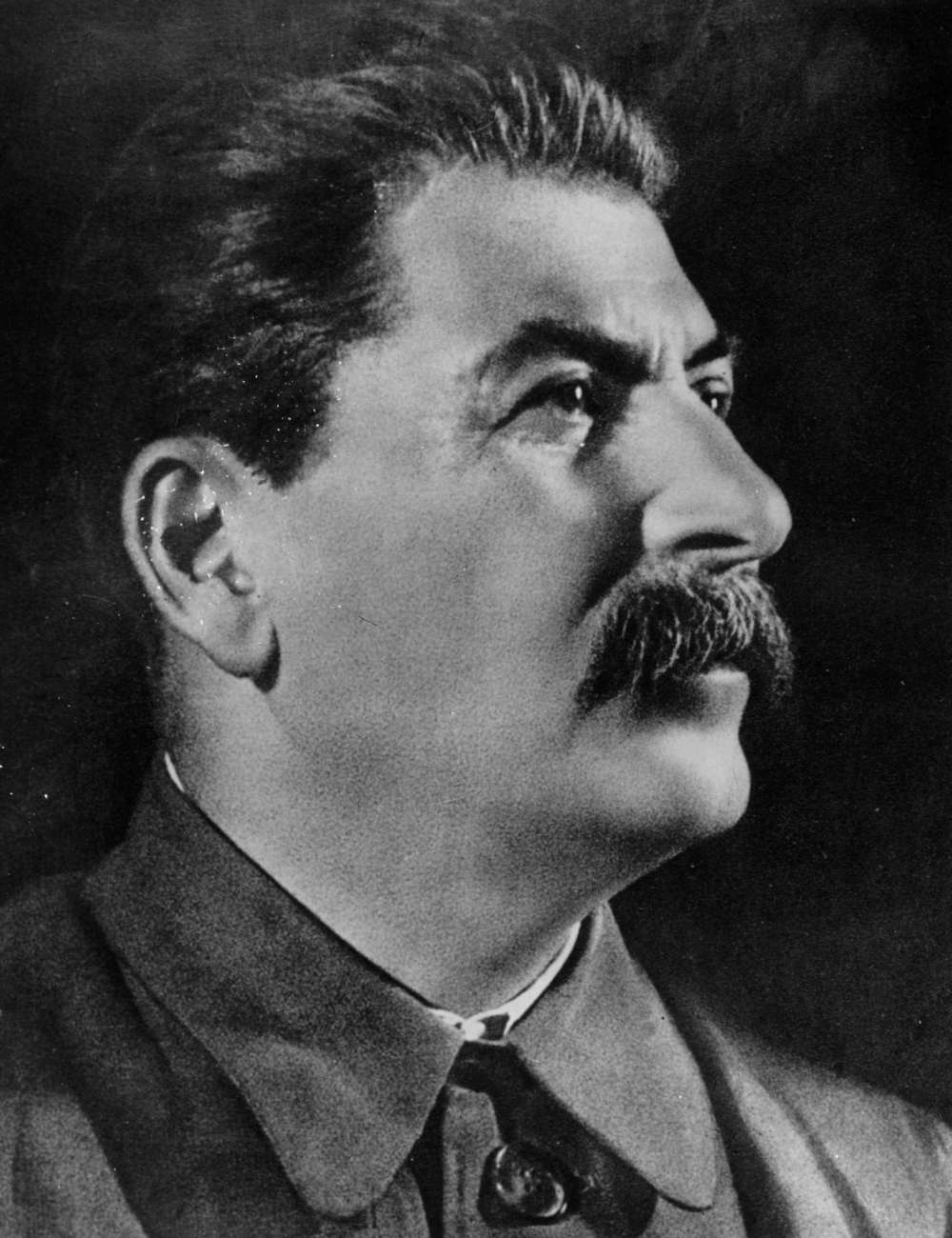
In the Second World War, Hitler and Stalin initially cooperated, but soon became adversaries as Hitler launched an enormous invasion of the Soviet Union in 1941. The two dictators were responsible for the deaths of millions of people.
Their personalities and policies during the Second World War are compared and contrasted by Laurence Rees, a British historian and documentary filmmaker, in an insightful account.
One of the salient differences between Hitler and Stalin, Rees says, concerned their style of leadership. Hitler was a charismatic leader, an exceptional orator who dominated through the force of his personality. He would harangue his interlocutors, ranting for hours.
Stalin was very different. An uninspiring orator, he preferred to let others talk. One never knew what he was thinking. He was essentially a bureaucrat who governed through committee meetings.
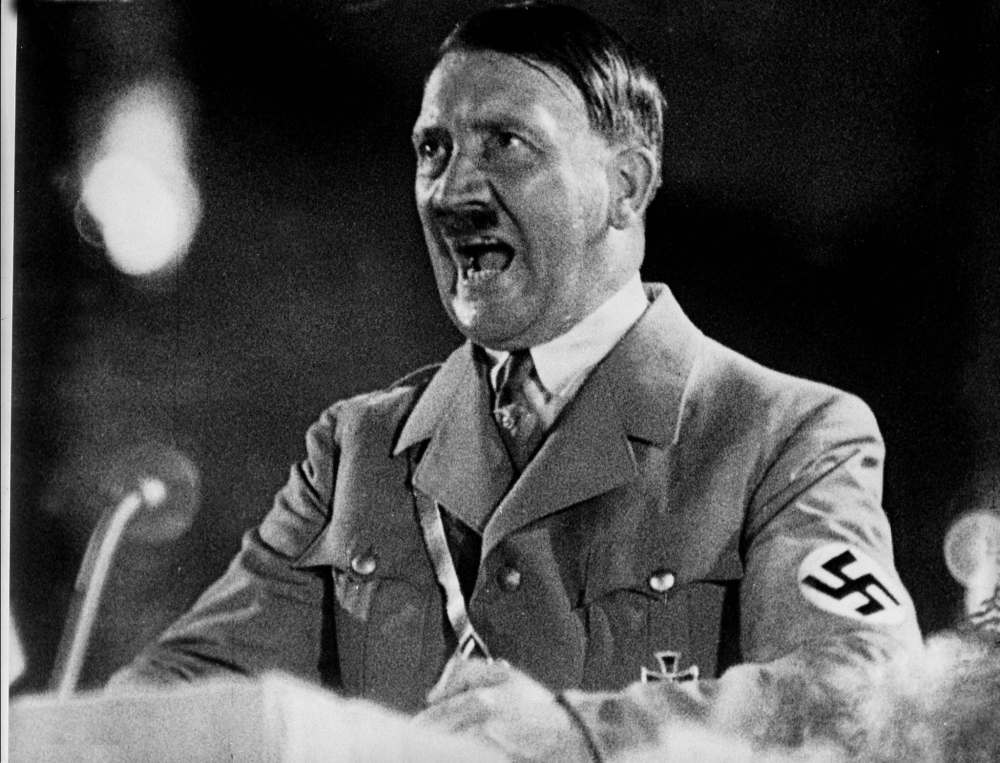
Another dissimilarity between the two tyrants was their concept of military strategy. Stalin demanded centralized decision making; Hitler, while setting broad goals, was prepared to allow his commanders on the ground to decide how to implement his aims.
Notwithstanding these differences, there were numerous similarities between Hitler and Stalin.
For example, both believed that they had uncovered the key to human existence, the ultimate nature of reality. For Hitler, the key was race; for Stalin, the communist teachings of Karl Marx.
They shared an antipathy toward Christianity, the nation of Poland and the institution of monarchy.
Both understood only the language of force. They viewed international relations as a harsh, amoral sphere in which force was the only arbiter: smaller nations are bent to the will of larger, more powerful nations.
Their attitude to war was the same: Stalin said that “war is pitiless… there must be no mercy,” while Hitler, using similar language before his invasion of Poland in 1939, enjoined his generals to “close your hearts to pity” and “act brutally.”
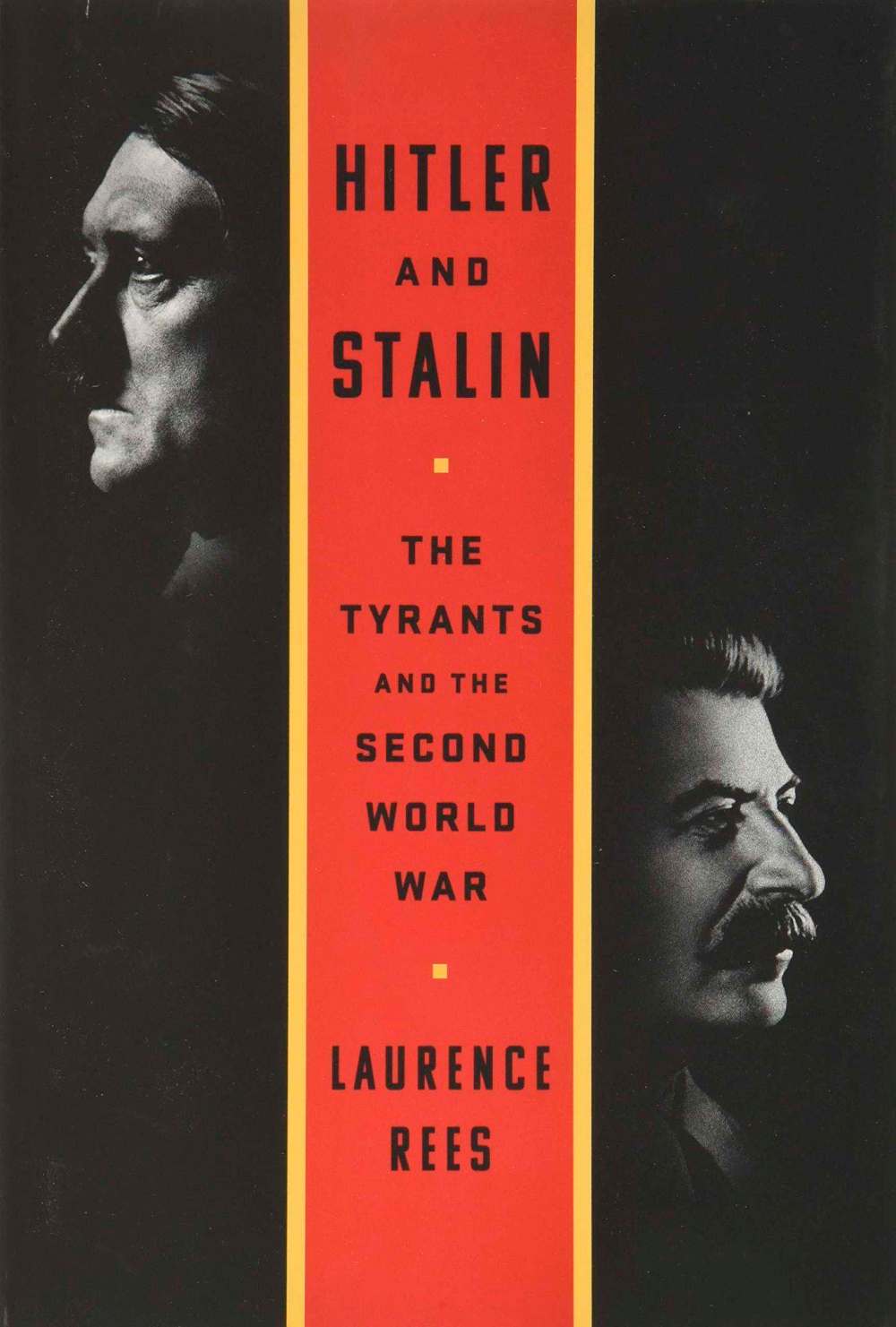
Both Hitler and Stalin believed that they were leading their respective nations to a future utopian society. In order to realize their utopian dreams, they were prepared to kill millions of people.
This comparative study of Hitler and Stalin shows how utopian ideology and personal ruthlessness combined to produce the murderous regimes that devastated Europe. What makes this book so worthwhile is the author’s emphasis on ideas and personality as causal factors in history. Rees’s account demonstrates how pertinent these factors were to the events of the Second World War.
Graeme Voyer is a Winnipeg writer.