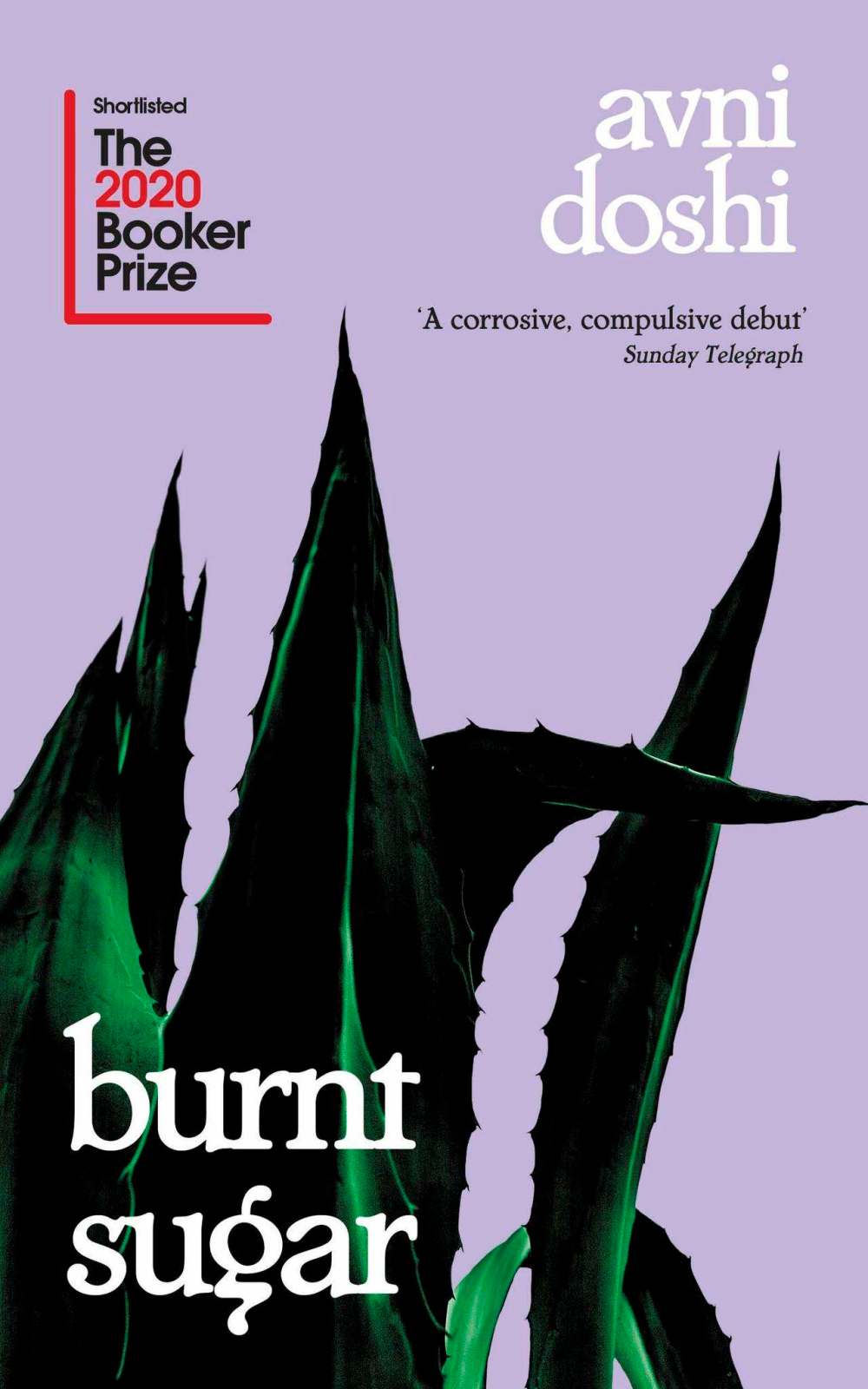
Mother superior
Doshi's remarkable, Booker-nominated novel finds a new way to explore familiar familial tensions
Advertisement
Read this article for free:
or
Already have an account? Log in here »
To continue reading, please subscribe:

Digital Subscription
One year of digital access for only $205*
- Enjoy unlimited reading on winnipegfreepress.com
- Read the E-Edition, our digital replica newspaper
- Access News Break, our award-winning app
- Play interactive puzzles
*First annual payment billed as $205.00 + GST for one year. This annual subscription will automatically renew at $233.00 + GST every 52 weeks (10% off the regular annual price of $259.35). Offer available to new and qualified returning subscribers only. Cancel any time.
To continue reading, please subscribe:
Add Free Press access to your Brandon Sun subscription for only an additional
$1 for the first 4 weeks*
- Enjoy unlimited reading on winnipegfreepress.com
- Read the E-Edition, our digital replica newspaper
- Access News Break, our award-winning app
- Play interactive puzzles
*Your next Brandon Sun subscription payment will increase by $1.00 and you will be charged $17.95 plus GST for four weeks. After four weeks, your payment will increase to $24.95 plus GST every four weeks.
Read unlimited articles for free today:
or
Already have an account? Log in here »
Hey there, time traveller!
This article was published 27/02/2021 (2038 days ago), so information in it may no longer be current.
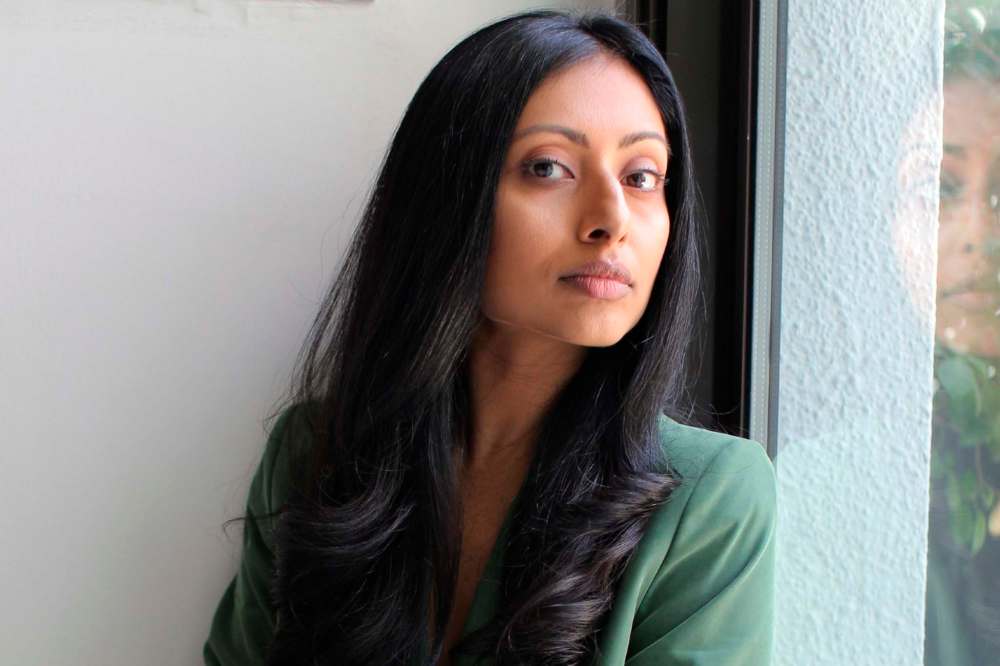
Born in the United States and educated in art history both there and in the U.K., Avni Doshi’s background, one might imagine, inspired this excellent first novel, which is set in India.
But that’s the least of it. Burnt Sugar was shortlisted, as it should have been, for the 2020 Booker Prize, and not because of the writer’s origins.
The novel announces its heartfelt conflict in its striking opening sentence: “I would be lying if I said my mother’s misery has never given me pleasure.”
To write something revolutionary about the age-old tensions in the relationship between mother and daughter requires a new fictional idiom. In Burnt Sugar, Doshi has crafted one: wielding her taut surgical sentences like scalpels, daughter Antara cuts through the subcutaneous membranes that bind her to her mother, Tara, to her. Laid bare are layers of anger and hatred, of mutual need exploding against mutual rebellion, layers of love superintended but distended by lack, by distraction, by cycles of abandonment and incomplete reconciliations. By men.
The narrator is as merciless with herself as she is with her mother — merciless and honest, scathing but intimate.
All of this — the relationship at the throbbing, fractured heart of this novel — is set amidst a pungent, detailed evocation of contemporary Pune, set in its turn within a pungent depiction of contemporary India. Here, Doshi joins the distinguished ranks of writers such as Arundhati Roy or Rohinton Mistry.
But no one to date has given us a narrative at once so painfully internal — every page dissects the terrible ties between mother and daughter, alternately severing and refastening them — and so vividly external, giving us vaporous streetscapes, decaying buildings alongside elegant clubs with their social niceties (remnants of the Raj).
Doshi gives us itching mongrels and swarming insects, beggars and rickshaw drivers; gives us everyday Indian food in the making, Indian dress and custom; gives us street riots and killings in Bombay. But above all, she gives us the pinpricking intricacies of extended Indian families — replete with grandparents, grandparents-in-law — attended by their children, by fugitive divorced husbands, by furtive friends and lovers.
Always, the chimera of the U.S. and its allure hovers at a dim remove. Dilip, Antara’s husband, grew up there, and brings his mother-in-law over to live with them and beset Antara with her remedies for what is palpably irremediable: the lifelong war between Antara and her ailing “Ma,” which stands in, we gradually see, for mothers’ and daughters’ wars anywhere and everywhere.
What becomes ever clearer is Antara’s mother’s own pain: looking back, we can ever more clearly perceive the filaments of Ma’s own tortured progress from adolescence into a doomed marriage, thence to an Ashram where she takes Antara to live with her and becomes, for a time, one of Baba’s lovers — literally a giant spiritual and sexual presence, the ur alpha male who dominates the Ashram and his women.
But Baba, ironically, is also in his way the most attractive, the most present of the male apparitions in this fiction. None are as fully fleshed as the novel’s women, who breathe a more embodied, more vivid air and who live more fully depicted, more terribly conflicted lives. And this is Doshi’s genius, to have found a language to bare the intense complexity of these women’s warring intimacies, beginning with Tara and Antara, as fully as any contemporary novelist has done to date.
Skilfully woven into the narration, and becoming another metaphor for Antara’s grappling with her mother’s deepening dementia — the narration itself is the first and last of these — is Antara’s art. Antara obsessively draws and redraws portraits of male figures, exhibits them to an uncomprehending public in galleries; her mother, suggestively, tries to destroy them, while Antara’s husband reprimands her for upsetting Ma. Indeed.
Worse: Reza Pine, a failed photographer and chronicler who moves in with Ma and her daughter for some months after they have returned from the Ashram and a spell of street living, vanishes, only to reappear some months later as Antara’s secret lover. Consider this filament’s contribution to this mother’s and daughter’s stories, and to the novel’s laser-guided inquiry into family, relation, sexuality, need.
It is justly said that comedies often close with family reunions, often gathered for a meal, a celebration. Like its opening, the closing of Burnt Sugar gestures at the convention but then reshapes it radically to its own purpose. Antara has had a baby girl; family life will go on.
Having read this fine novel, however, our apprehension of families, and the relationships between the women (and men) who inhabit and endure them, will have forever changed — which is why we read.
Neil Besner taught Canadian literature for 30 years at The University of Winnipeg; he’d like to teach this novel somewhere, and will.