A moral dilemma
Carney's ambitious vision for the future banks on shift to values-driven policy
Advertisement
Read this article for free:
or
Already have an account? Log in here »
To continue reading, please subscribe:

Digital Subscription
One year of digital access for only $205*
- Enjoy unlimited reading on winnipegfreepress.com
- Read the E-Edition, our digital replica newspaper
- Access News Break, our award-winning app
- Play interactive puzzles
*First annual payment billed as $205.00 + GST for one year. This annual subscription will automatically renew at $233.00 + GST every 52 weeks (10% off the regular annual price of $259.35). Offer available to new and qualified returning subscribers only. Cancel any time.
To continue reading, please subscribe:
Add Free Press access to your Brandon Sun subscription for only an additional
$1 for the first 4 weeks*
- Enjoy unlimited reading on winnipegfreepress.com
- Read the E-Edition, our digital replica newspaper
- Access News Break, our award-winning app
- Play interactive puzzles
*Your next Brandon Sun subscription payment will increase by $1.00 and you will be charged $17.95 plus GST for four weeks. After four weeks, your payment will increase to $24.95 plus GST every four weeks.
Read unlimited articles for free today:
or
Already have an account? Log in here »
Hey there, time traveller!
This article was published 01/05/2021 (1958 days ago), so information in it may no longer be current.
Former senator Murray Sinclair often makes the argument that education is the institution that got us into the catastrophic peril of the Indian Residential Schools system and the contemporary colonial oppression that has come with it — and that education will be our way out. An education system built on the values of Indigenous reclamation, transystemic design (where Indigenous voices are privileged) and settler allyship.
“Education got us into this mess and education will get us out.”
Mark Carney, former governor of the Bank of Canada and England and presumed heir to the Liberal Party leadership, makes a similar case from an economic perspective. In Value(s): Building Better World for All, Carney argues that three crises, both historic and current, have unravelled the myth of neo-classical and neo-liberal market-based superiority. The 2008 financial crisis, COVID-19 and the climate crisis have all revealed the fragility of a society based on shortsightedness, greed and an inability to think historically and plan for what is on the horizon.
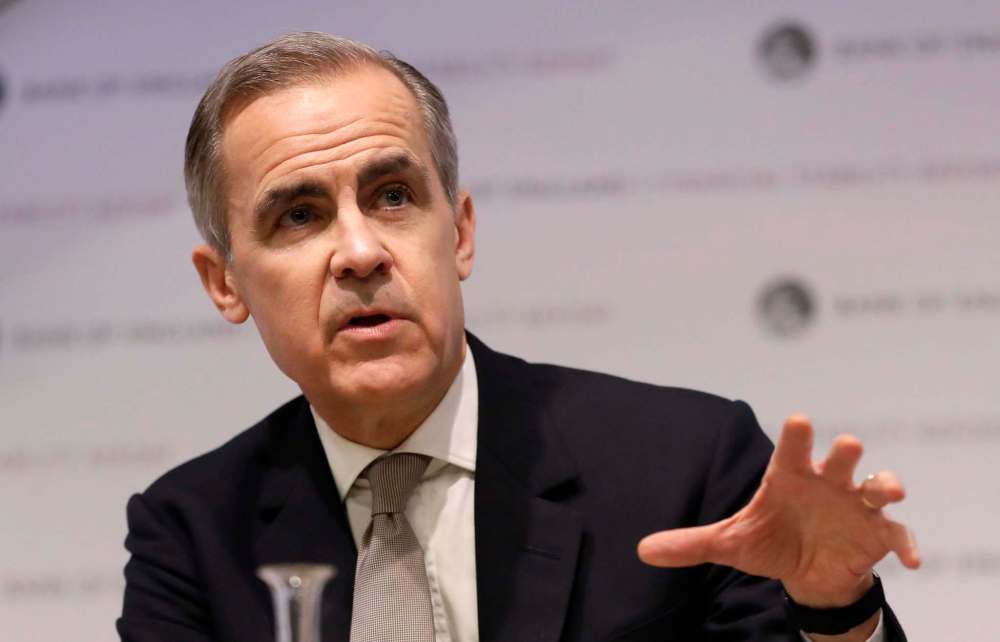
As Carney argues, these three crises have demonstrated that “we have moved from a market economy to a market society,” where we have placed value on, or commodified, everything — including public institutions such as education and health care. Living through a global pandemic and on the edge of a catastrophic and extensital climate crisis, according to Carney, is revealing massive fault lines in how we govern ourselves, capitalism and “our current lifestyle (that) is rapidly exhausting a limited carbon budget…”
Carney argues the values of dynamism, responsibility, fairness, sustainability, solidarity and humility, coupled with strong institutions such as central banks and public education, will help guide us through these crises, steering markets with purpose as opposed to being led by them.
Part history of economics, part liberal arts primer (that perhaps all first-year uni folks should read), Carney uses his experience and impressive intellect to make the case that if capitalism got us into this mess, it will get us out.
Through a refocus on values — versus value — we can avoid cycles of economic collapse, global plagues and the greatest existential crises our species has ever faced. But for Carney, “(t)o build a better tomorrow, we need companies imbued with purpose and motivated by profit.”
For Carney, the financial sector is still key to creating a better future for all, but in a kinder and gentler manner. He argues that we need robust markets to stimulate innovation as we enter the fourth industrial revolution, but that “we need to reinforce the underlying values required for the financial system to fulfil its role as servant, rather than master of society.”
However, what these three crises have shown is that the working poor are the ones who have to bear the brunt of our ineptitude and inability to plan. This is the difficulty with the former head of the Bank of Canada’s vision. While he speaks to notions of fairness, equity and sustainability, there is perpetually a reliance on capital to steer the ship — that now, despite 800 years of market economics, capitalism will somehow figure out how to solve the most significant challenges of our time, simply by relying on niceties and the good will of corporations.
There is a bit of “campaign from the left and govern from the right” that leaches into Carney’s argument that we have all heard before.
Carney does well, however, to uphold the responsibility of governments. Relying on the Magna Carta and the social contract as his foundation, he argues that the primary responsibility of government is to protect citizens. This is the essence of the contract.
Through the COVID-19 pandemic and the climate crisis, governments have most definitely been challenged in protecting citizens. Through a lack of courage, poor communication and a lack of values, decisions have been made that have allowed the virus to return with a vengeance, and for CO2 levels to run rampant.
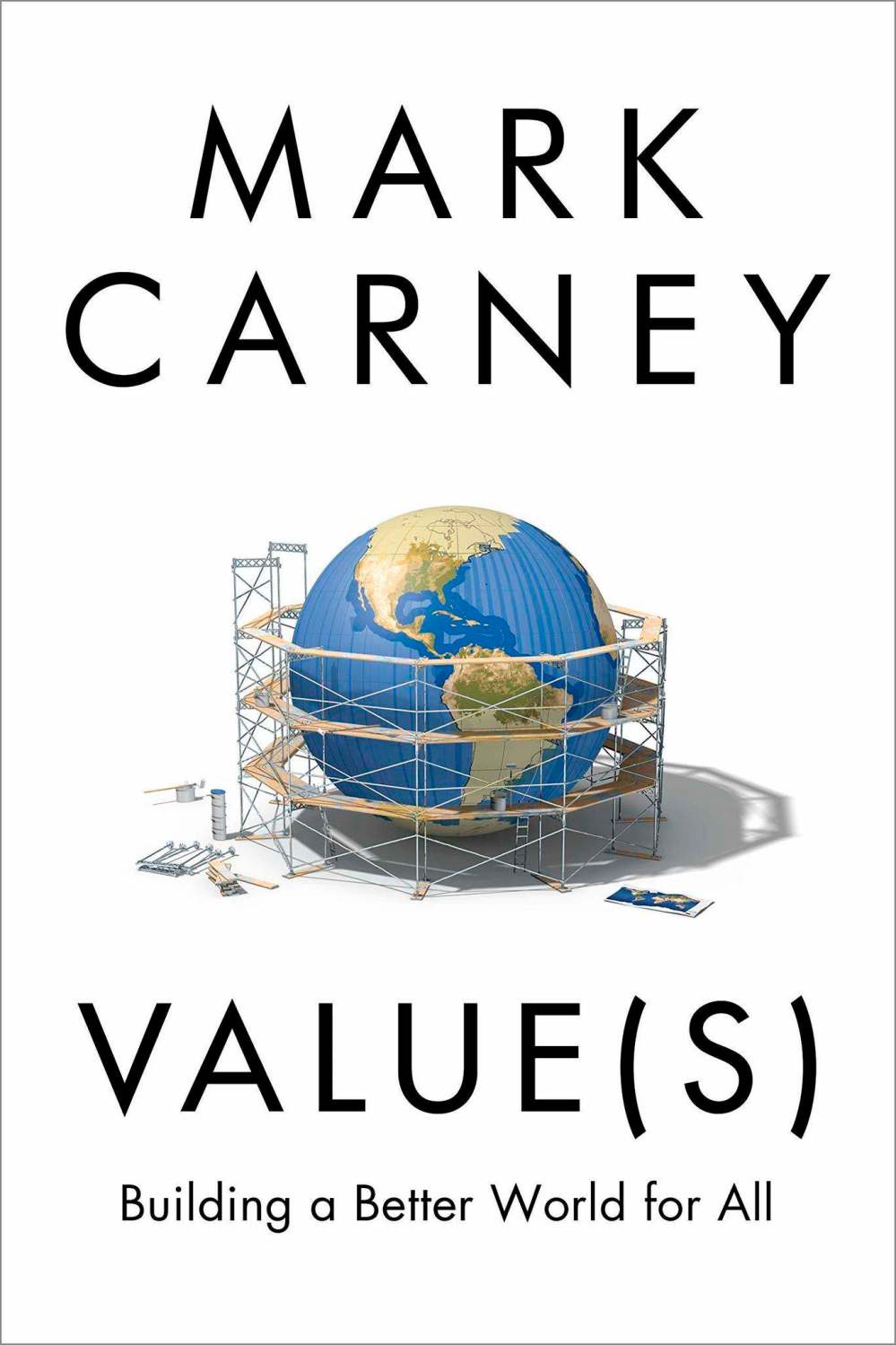
While Carney’s voice is an essential one in these trying times, where he falls short is in his nostalgia for a Canada that has only existed in the minds of the elite. He speaks of a cultural mosaic and of Canadian values. Only on a few occasions, however, does Carney mention the constitutional rights of Indigenous peoples and how these are maligned and fought against in courts every day. He makes no mention that as we need to protect the commons, Indigenous peoples are faced with violence as they defend their land against governments.
Since the arrival of the Hudson’s Bay Company, Indigenous peoples have continually felt that wrath of capitalism, markets and institutions. Capitalism may not be the way out of crises for all Canadians, and if Carney is serious about leadership, this is a significant gap that needs to be bridged.
Despite his economic tunnel vision, Carney does leave room for a critical analysis of the status quo. If we fail to allow our Canadian values (as he calls them) to dictate market behaviour, “Marx and Engels could again become relevant.” A failure to respond and plan to protect the commons and uphold the common good may obliterate Francis Fukuyama’s thesis — history may be very well alive.
And, as Carney posits, “these tragedies of the horizon are manifestations of how yawning gaps between value and values can develop.” If we are to close these gaps, we need to ensure that all those who are part of the social contract are at the table, have equal voice and can challenge the status quo. The crises afoot will not be solved, by, as Carney says, “addressing market imperfections alone.”
Carney makes the argument that there is no such thing as an atheist in a foxhole, and there is no such thing as a libertarian in a financial crisis. Perhaps equally, there is no such thing as a benign capitalist when the world needs to put the brakes on unbridled resource exploitation.
Matt Henderson is assistant superintendent of Seven Oaks School Division.