Sound judgment
Trio of authors explore how multiple 'noisy' variants can impact our choices
Advertisement
Read this article for free:
or
Already have an account? Log in here »
To continue reading, please subscribe:
Monthly Digital Subscription
$1 per week for 24 weeks*
- Enjoy unlimited reading on winnipegfreepress.com
- Read the E-Edition, our digital replica newspaper
- Access News Break, our award-winning app
- Play interactive puzzles
*Billed as $4.00 plus GST every four weeks. After 24 weeks, price increases to the regular rate of $19.95 plus GST every four weeks. Offer available to new and qualified returning subscribers only. Cancel any time.
Monthly Digital Subscription
$4.99/week*
- Enjoy unlimited reading on winnipegfreepress.com
- Read the E-Edition, our digital replica newspaper
- Access News Break, our award-winning app
- Play interactive puzzles
*Billed as $19.95 plus GST every four weeks. Cancel any time.
To continue reading, please subscribe:
Add Free Press access to your Brandon Sun subscription for only an additional
$1 for the first 4 weeks*
*Your next subscription payment will increase by $1.00 and you will be charged $16.99 plus GST for four weeks. After four weeks, your payment will increase to $23.99 plus GST every four weeks.
Read unlimited articles for free today:
or
Already have an account? Log in here »
Hey there, time traveller!
This article was published 26/06/2021 (1733 days ago), so information in it may no longer be current.
A word usually associated with sound has another meaning, and it’s laden with nuance: “Noise is the unwanted variability of judgments.”
Like excessive sound, this kind of noise also causes discord between individuals, but when amplified it does more than affect eardrums. It can lead to social movements such as Idle No More and Black Lives Matter.
It’s also the mantra of this tri-authored behavioural science study examining why judgments made by ordinary citizens and influential experts alike are “noisy,” resulting in different decisions being made for identical situations.
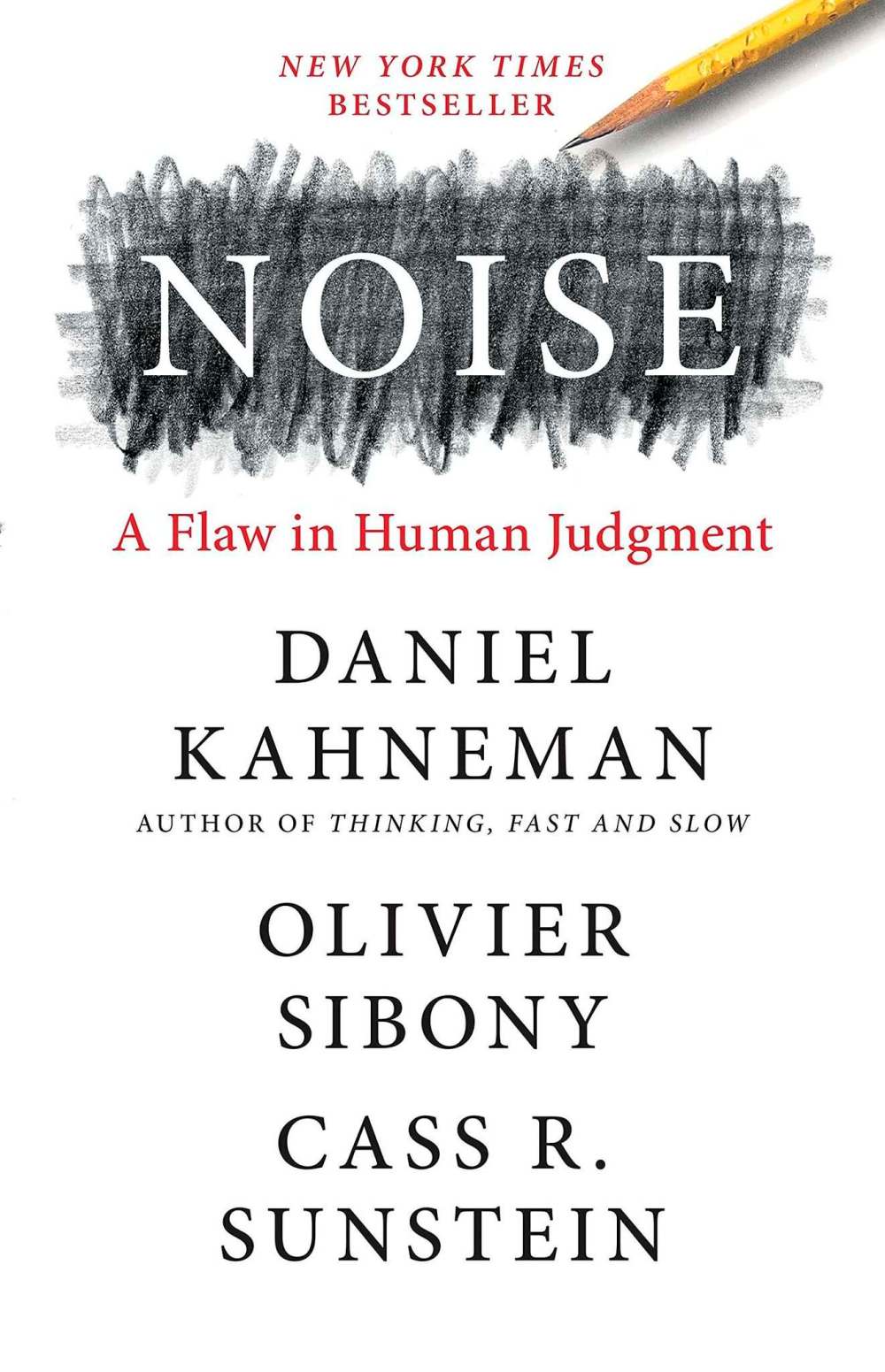
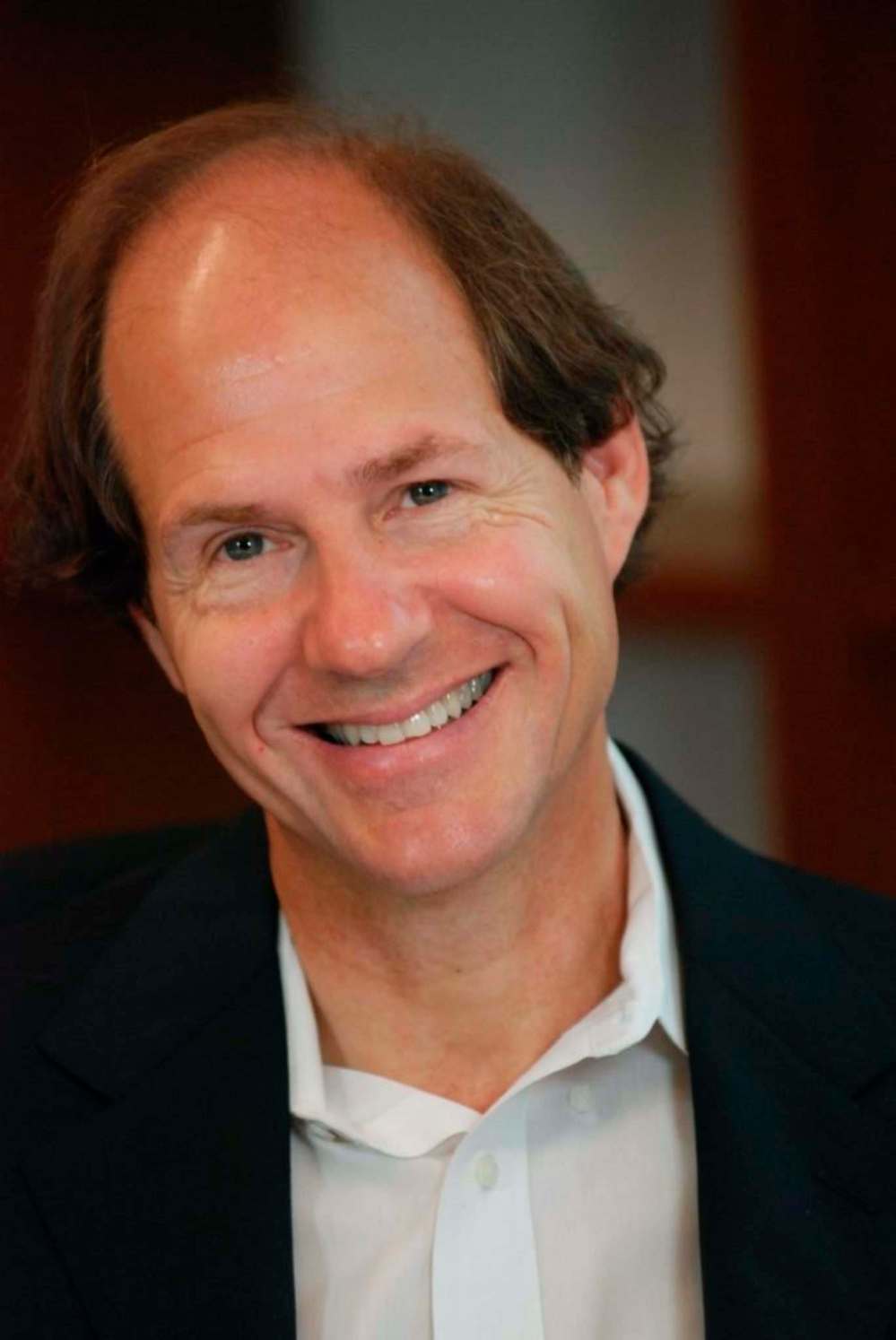
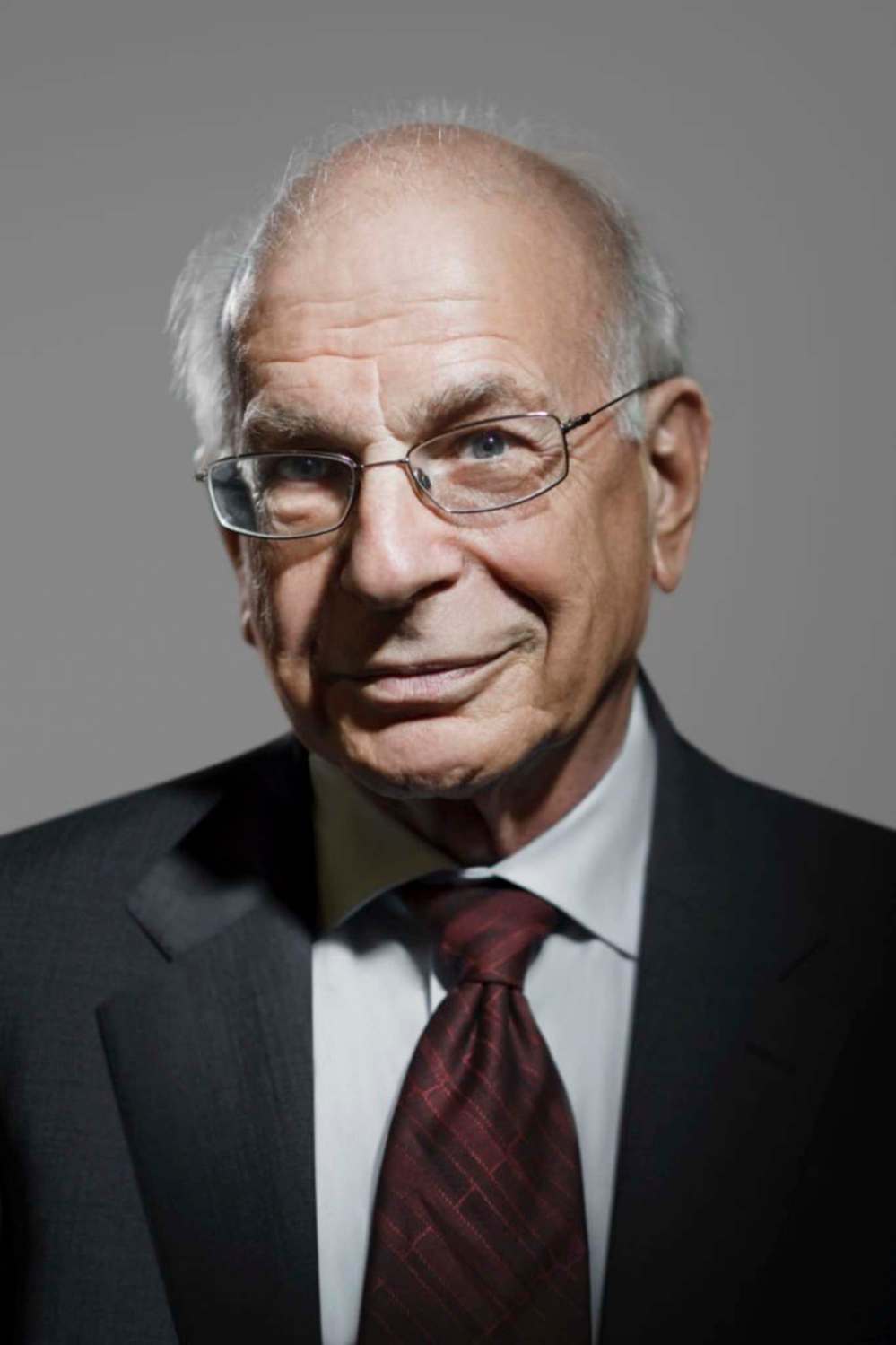
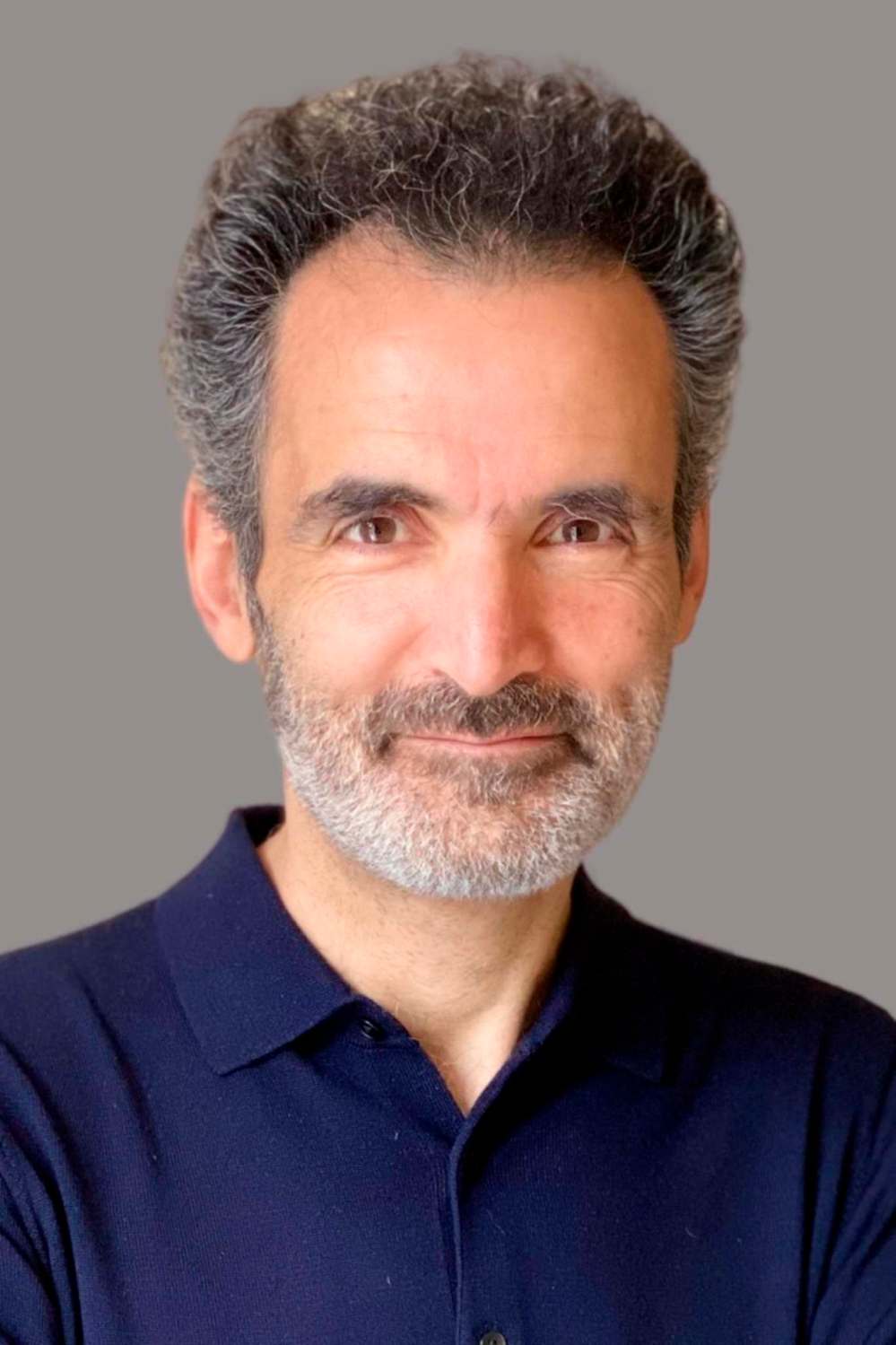
Touted as a guidebook for public and private institutions and service organizations, Noise is collaboratively written by former Princeton University professor and Nobel Prize winner in economic sciences Daniel Kahneman (Thinking, Fast and Slow), Olivier Sibony, strategy professor at HEC Business School, Paris (You’re About to Make a Terrible Mistake!), and Harvard professor Cass R. Sunstein (Nudge).
Encompassing a wide range of issues that include business complaints, education grades, prison sentences and medical treatments, this study confirms that judgments on identical issues are affected not only by personal biases, but by factors such as the time of day or day of the week.
Observations of human judgment are presented in a remarkably plain-spoken style which the average reader will appreciate, given the authors’ combined research reputations and impressive lists of heady acclaimed publications.
Copious end notes cite a wide range of cases revealing the impact bias and noise have on judgments, while separate appendices provide practical guides for conducting noise audits, creating checklists for identifying bias and correcting faulty predictions which are useful for the hiring process.
Topics such as “Your Mind is a Measuring Instrument” and “Improving Judgments” feature decision-making that recognizes the difference between bias and noise: “Bias is error we can often see and even explain,” they write, whereas “noise is unpredictable error that we cannot see or easily explain.”
Entirely eliminating noise from decision-making is shown to be a fool’s quest, but the authors’ emphasis on “lessening noise” is another reason why people who spend sleepless nights worrying about a pending decision should read this book.
The phenomenon known as “wisdom-of-the-crowds,” where independent judgments of different people are averaged, are shown to improve the quality of prediction judgments — but only in circumstances where bias isn’t a major factor, such as guessing the number of jelly beans in a jar.
History is rife with examples of social and political influence undermining any potential wisdom from the aggregate independent judgment of individuals within crowds, leading instead to what the authors delicately call “a kind of herding,” a veiled reference to the January insurrection in Washington, D.C.
Although reasons for noisy decision-making appear self-evident at times, a sobering consideration is pointed out in one study, which concluded people can be swayed to make judgments that contradict their true character because, note the authors, “(y)ou are not the same person at all times.”
Can people avoid making too many “noisy” judgments? The authors’ own experiences and their numerous studies of human behaviour offer some answers, but difficult-to-define human attributes such as mood, intuition and getting a “gut feeling” are shown to change rapidly and affect the thought process.
Artificial intelligence — with algorithms consistently making accurate judgments in recognizing faces, translating languages or reading radiology images — offers hope for less noise. Yet over-reliance on machine-based judgments carries the risk that programming such intelligent devices can aggravate racial unfairness — for example, when the justice system’s algorithms use zip codes to identify “likely suspects.”
Interestingly, although challenges faced by the authors while writing this book during a COVID-ravaged year are acknowledged, the pandemic doesn’t appear to be their main source of inspiration.
One wonders if the surprising 2016 electoral decision by U.S. voters, which resulted in four years of tumultuous domestic and international tweet-biased incidents, may have motivated this bi-continental guidebook on improving human judgments.
Joseph Hnatiuk is a retired teacher.