Passion and promise
Collection of early writings show Cohen’s burgeoning command of the written word
Advertisement
Read this article for free:
or
Already have an account? Log in here »
To continue reading, please subscribe:

Digital Subscription
One year of digital access for only $205*
- Enjoy unlimited reading on winnipegfreepress.com
- Read the E-Edition, our digital replica newspaper
- Access News Break, our award-winning app
- Play interactive puzzles
*First annual payment billed as $205.00 + GST for one year. This annual subscription will automatically renew at $233.00 + GST every 52 weeks (10% off the regular annual price of $259.35). Offer available to new and qualified returning subscribers only. Cancel any time.
To continue reading, please subscribe:
Add Free Press access to your Brandon Sun subscription for only an additional
$1 for the first 4 weeks*
- Enjoy unlimited reading on winnipegfreepress.com
- Read the E-Edition, our digital replica newspaper
- Access News Break, our award-winning app
- Play interactive puzzles
*Your next Brandon Sun subscription payment will increase by $1.00 and you will be charged $17.95 plus GST for four weeks. After four weeks, your payment will increase to $24.95 plus GST every four weeks.
Read unlimited articles for free today:
or
Already have an account? Log in here »
Hey there, time traveller!
This article was published 22/10/2022 (1411 days ago), so information in it may no longer be current.
Leonard Cohen was an old soul even when he was a young rake.
Such is the evidence in this posthumous collection of the late Montreal bard’s early prose scribblings.
Cohen, who died in 2016 at age 82, wrote all 17 of the pieces included here in his early to mid-20s.
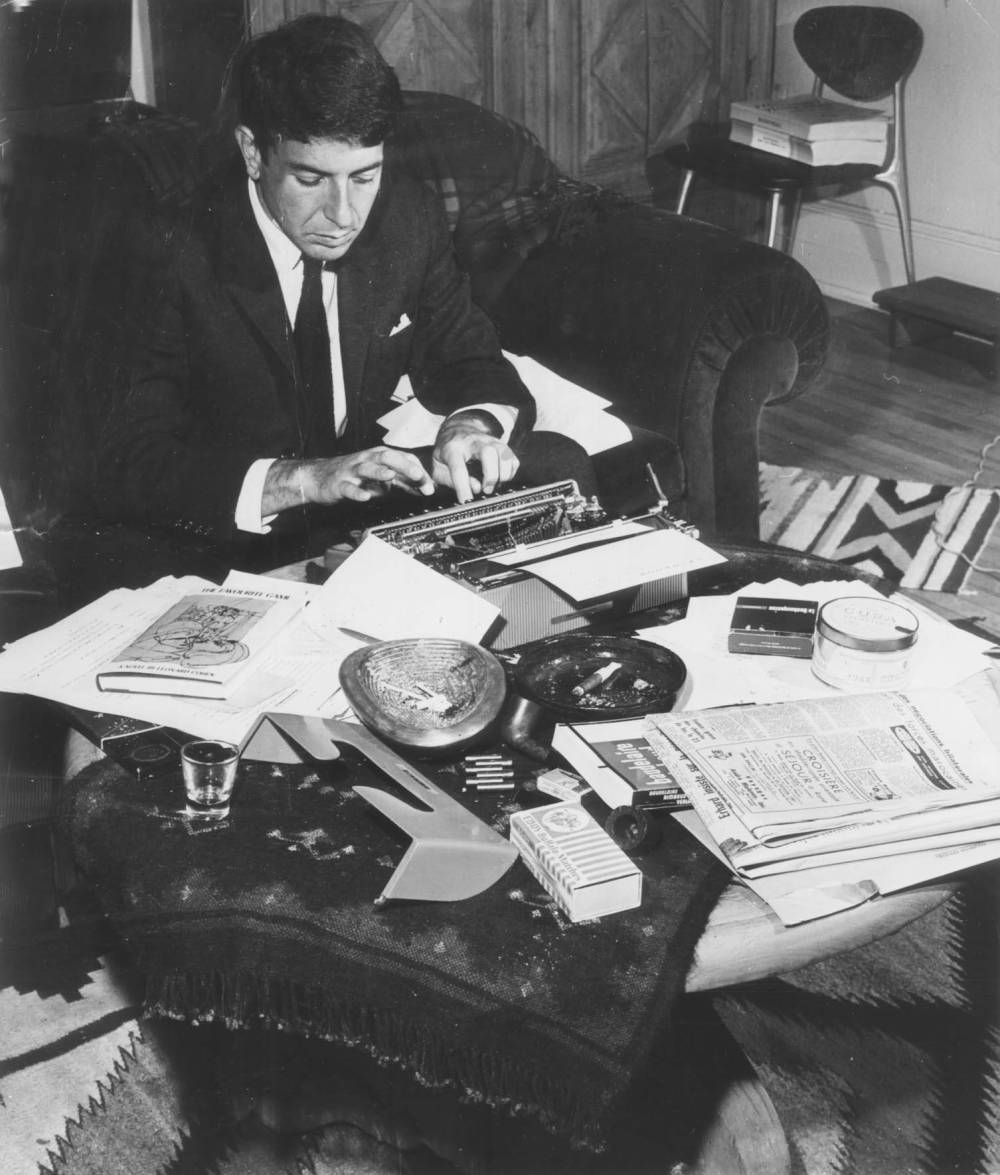
Juan Rodriguez / Montreal Gazette
The stories in Leonard Cohen’s posthumous collection were written between 1963 and 1965.
But he sounds like the same jaded Jewish ladies’ man who went on to pen the mature poems and classic songs.
His themes, too, were largely in place — the competing demands of the spirit and the flesh, the mixture of dark and light, his attraction to unadorned simplicity.
“I suppose I will never lead the ordered life my father led,” he writes in the story Ceremonies, one of several obviously autobiographical entries.
“And I’ll never live in the kind of house he lived in, with its rituals, its dignity, the smell of polish.”
In the 112-page title novella A Ballet of Lepers, which opens the book, an office worker balances the needs of his violent grandfather, a nosy landlady and a clingy girlfriend.
As with Cohen himself, which numerous biographers have documented, the unnamed narrator cannot commit to his relationship.
“Perhaps I might use the pretext of my grandfather’s visit to ease the pain and tedium of a separation that must eventually take place,” the character says.
“Then the hunt would begin again, the hunt, the lure, the seduction… the whole process wearied me even in conjecture.”
Virtually all the stories, some just five or six pages long, name-check streets and locations in mid-20th-century Montreal.
Some protagonists are versions of the teenage Cohen, prowling Sainte-Catherine Street at night, coming on to girls and avoiding the call of his typewriter.
This coincides with the version of Cohen’s early life captured by former Winnipegger Michael Posner in 2018’s Untold Stories, the first volume of his three-volume Cohen oral history.
Cohen flexes his literary muscles most strenuously not in the autobiographical pieces but in three linked stories about a strait-laced gentile, “Mr. Euemer.”
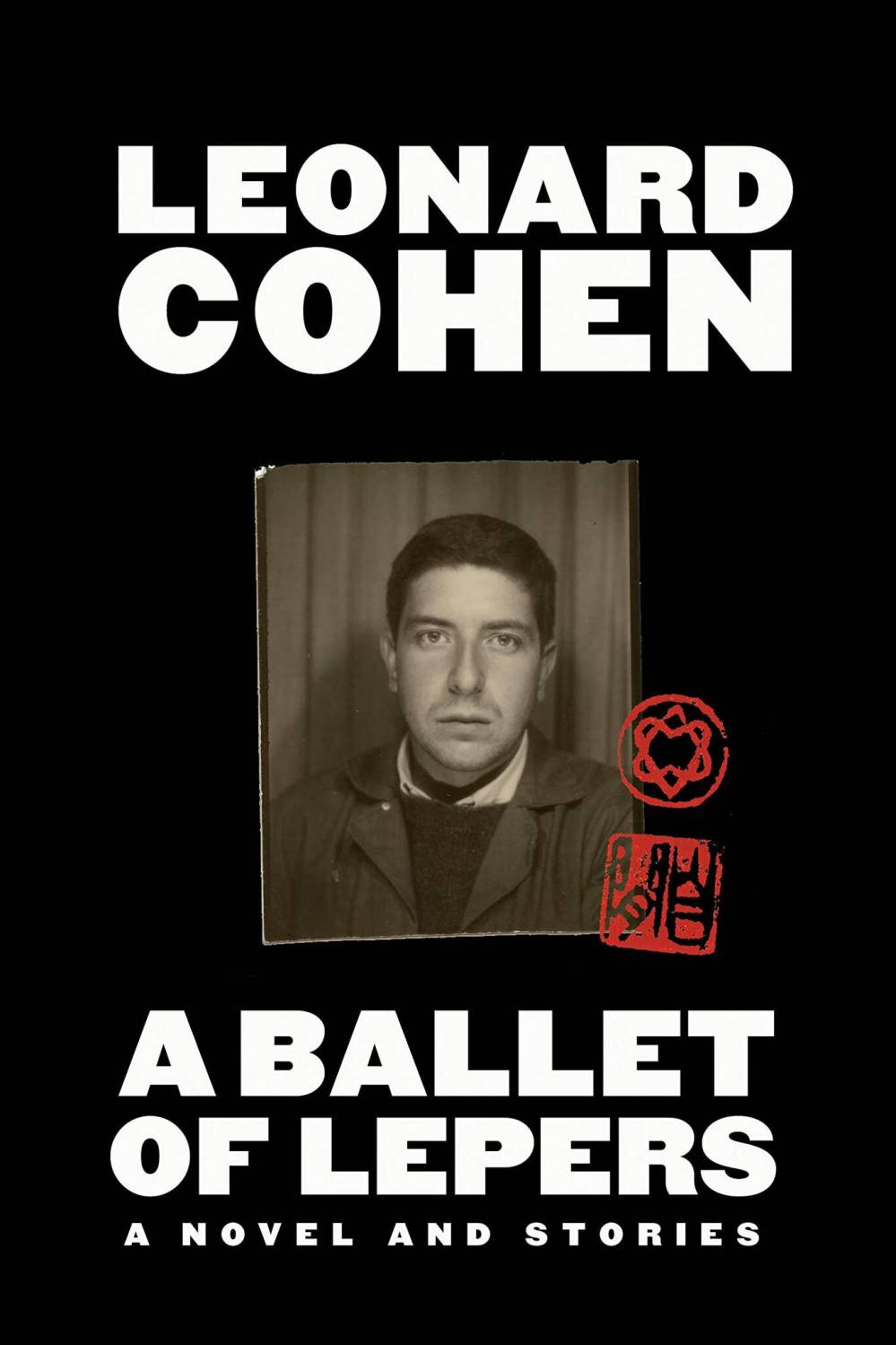
A Ballet of Lepers
In the first story, Euemer gets tricked by a street punk into looking like he cheated on his wife. In the second, he adjusts to his wife’s body-hair phobia. In the third, he gets her pregnant.
“He thought of melons swelling in the sun, of trees laden with heavy fruit,” Cohen writes with tongue in cheek. “Mister Julius Caesar Alexander Genghis Leviathan Euemer.”
According to Lepers’ editor, University of Sherbrooke scholar Alexandra Pleshoyano, Cohen wrote all these stories between the publication of his debut poetry collection, 1956’s Let Us Compare Mythologies, and his first novel, The Favourite Game, in 1963.
As much as they presage his mature prose style, with its biblical allusions and mock-serious tone, he was lucky he later found his calling as a songwriter.

By this time, postwar North American culture welcomed Jewish novelists. In 1953, Saul Bellow won the U.S. National Book Award for The Adventures of Augie March. Mordecai Richler debuted with The Acrobats in 1954. And in 1959 Philip Roth came out with his first story collection, Goodbye, Columbus, another National Book Award winner.
In this arena, Cohen was unequipped to compete, as A Ballet of Lepers, despite its flashes of excellence, also makes clear.
But there was only one writer who could grace the world with dozens of three-minute masterpieces, among them Suzanne, Bird on a Wire and Hallelujah.
These will remain Cohen’s dances to the end of time.
Morley Walker is a retired Free Press writer and editor.