Shrink wrapped
Narrator’s notebooks probe problematic psychiatrist in Booker-longlisted novel

Advertisement
Read this article for free:
or
Already have an account? Log in here »
To continue reading, please subscribe:

Digital Subscription
One year of digital access for only $205*
- Enjoy unlimited reading on winnipegfreepress.com
- Read the E-Edition, our digital replica newspaper
- Access News Break, our award-winning app
- Play interactive puzzles
*First annual payment billed as $205.00 + GST for one year. This annual subscription will automatically renew at $233.00 + GST every 52 weeks (10% off the regular annual price of $259.35). Offer available to new and qualified returning subscribers only. Cancel any time.
To continue reading, please subscribe:
Add Free Press access to your Brandon Sun subscription for only an additional
$1 for the first 4 weeks*
- Enjoy unlimited reading on winnipegfreepress.com
- Read the E-Edition, our digital replica newspaper
- Access News Break, our award-winning app
- Play interactive puzzles
*Your next Brandon Sun subscription payment will increase by $1.00 and you will be charged $17.95 plus GST for four weeks. After four weeks, your payment will increase to $24.95 plus GST every four weeks.
Read unlimited articles for free today:
or
Already have an account? Log in here »
Hey there, time traveller!
This article was published 25/11/2022 (1364 days ago), so information in it may no longer be current.
Ironical, intelligent and intriguing from first page to last, the fourth novel from Glasgow-based Graeme Macrae Burnet (His Bloody Project) questions the tricky nature of identity.
Set in London in the mid-1960s, the story follows a young woman who believes an unconventional anti-establishment psychiatrist has brought about her sister’s death. To investigate his methods, she takes on a made-up identity and becomes his patient.
Longlisted for the Booker Prize, Case Study starts with a framing device found in both Victorian ghost stories and postmodern romps. In a brief introduction, someone identified as GMB (the author’s own initials, you’ll note) claims to have received five notebooks from a mysterious correspondent relating to the misdeeds of A. Collins Braithwaite, an “enfant terrible of the so-called anti-psychiatry movement of the 1960s.”
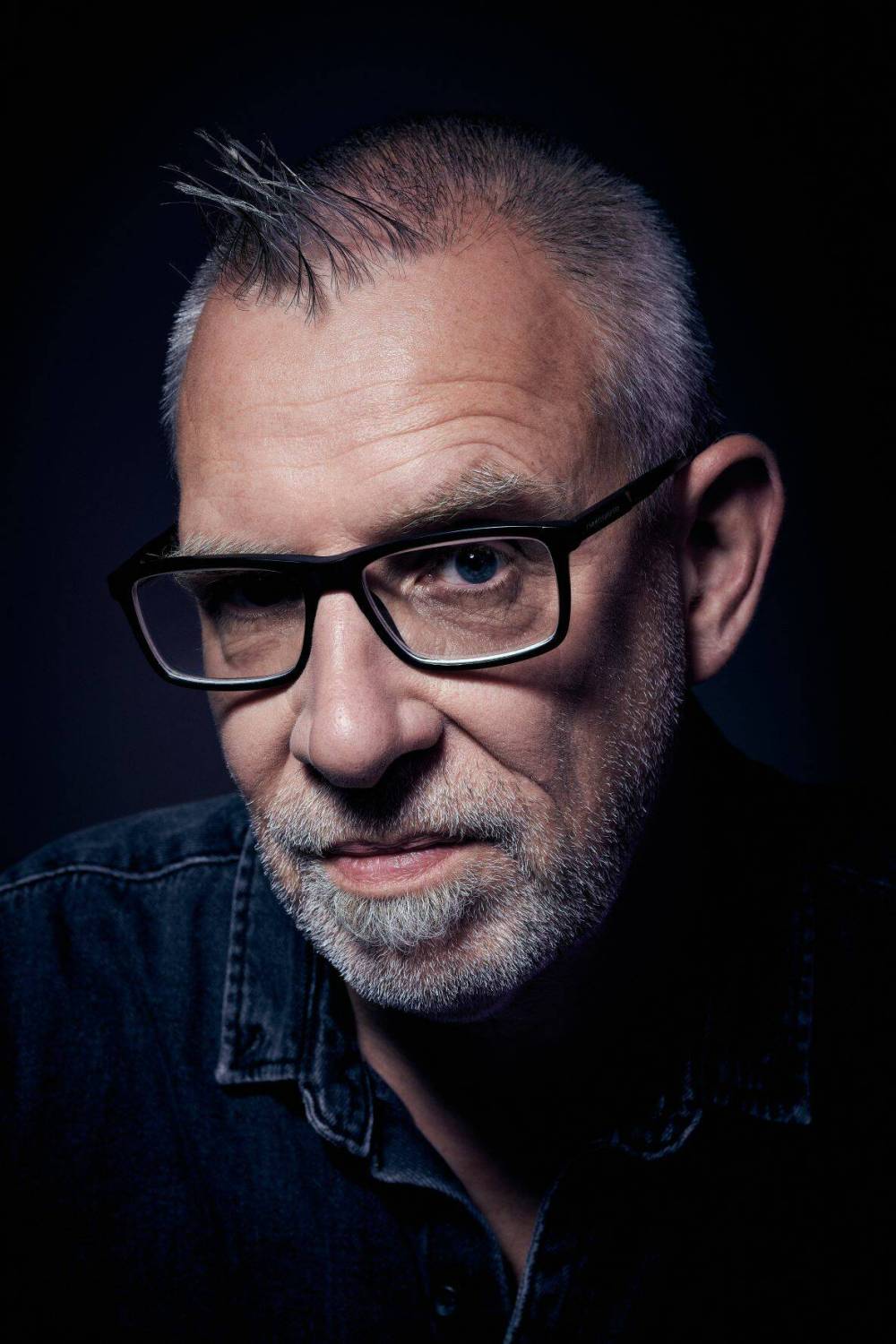
Euan Anderson photo
Scottish author Graeme Macrae Burnet is clearly having some stylistic fun with his wildly unreliable narrator.
Though GMB admits he “cannot attest to the truth of their contents,” he reproduces these notebooks, with occasional editorial notes, alternating with his own research into Braithwaite’s biography and excerpts from Braithwaite’s own writings.
The notebooks’ author, like the narrator of Daphne du Maurier’s Rebecca (a novel that gets a few mentions here), is unnamed. She is deeply repressed, anxiously respectable and somewhat overlooked by the people around her. When her more successful sister, Veronica, dies by suicide, she is driven to find out why. Her underlying motives, however, like almost everything else about her, remain enigmatic.
Macrae Burnet sets her up as a wildly unreliable narrator, as she details her feelings of jealousy toward her dead sister, her ardent devotion to her rather dull father and her hostility to her mother, whose sudden demise might prompt some Agatha Christie-type speculation. (Or possibly some Freudian musings.)
As GMB wryly suggests, the notebooks’ prose possesses “a certain kooky elan,” and Macrae Burnet is clearly having some stylistic fun voicing the extreme uptightness and fussy snobbery of a young woman whose tentative dip into the swinging ’60s seems to be limited to acquiring “a copy of Mr Lawrence’s disreputable novel.”
Meanwhile, the notebook author’s fictional persona — she calls herself “Rebecca Smyth” on her visits to Dr. Braithwaite to disguise the connection to her sister — is bolder, more outspoken, more given to day-drinking and flirting with strange men. “Rebecca” might go around with a run in her nylon stockings, for example, “a negligence no woman of sound mind would countenance,” according to the narrator.
Encounters between “Rebecca” and Braithwaite become fascinating tussles of psychological evasion and gamesmanship, underlining Braithwaite’s idea “that a person is not a single self, but a bundle of personae, all of which should be valued equally.”
Braithwaite has also reinvented himself, rejecting the legacy of his father — a self-made northern industrialist — when he attends Oxford. Braithwaite becomes colleagues with the real-life R.D. Laing — a relationship that ends badly, with accusations of stolen ideas — but eventually sets up a North London practice with a roster of fashionable clients (the name-dropping includes actor Dirk Bogarde). He makes belligerent chat-show appearances and publishes books with provocative titles like Untherapy and Kill Your Self.
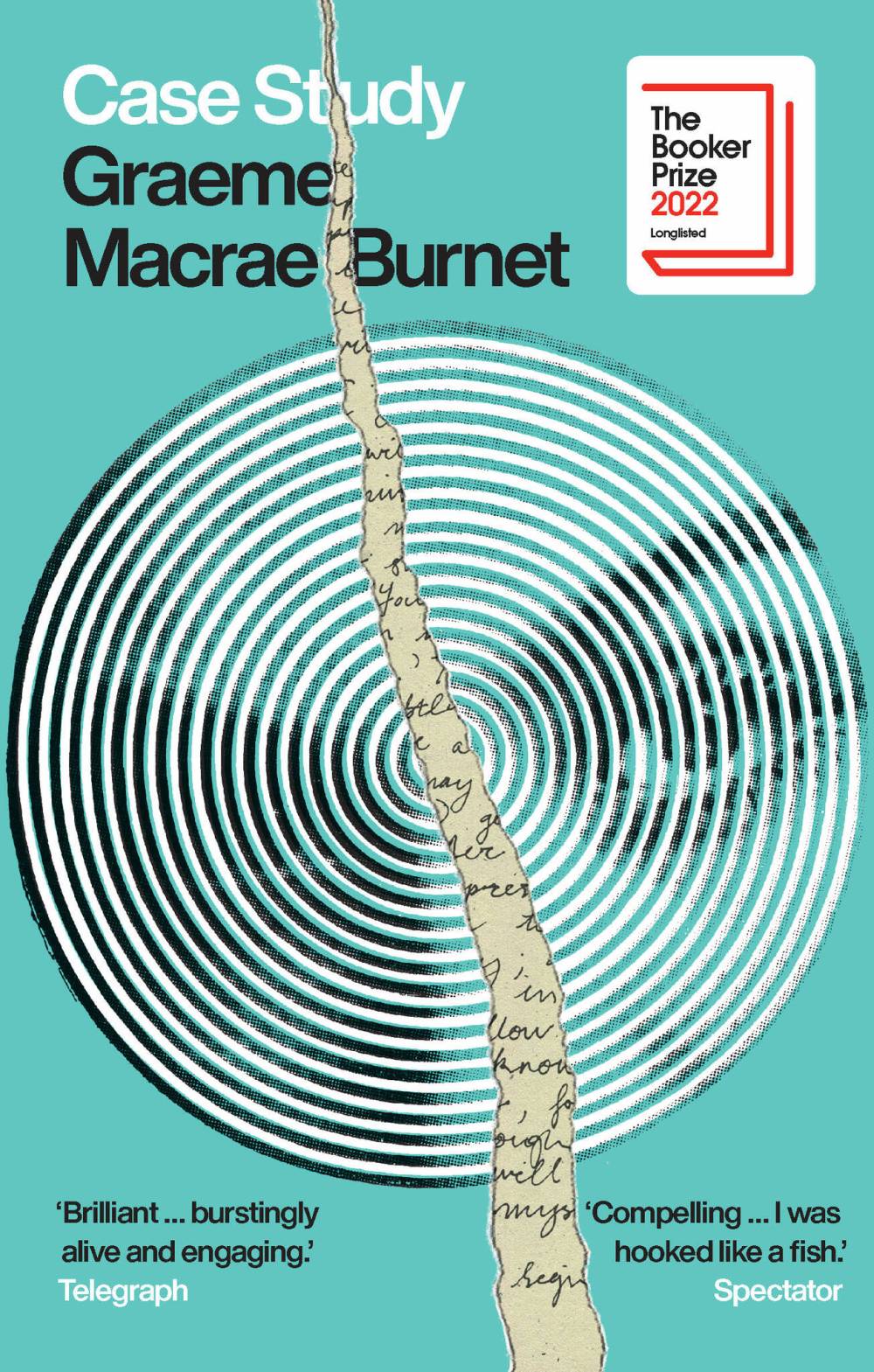
Case Study
Macrae Burnet uses a mix of “found documents,” real history and shifting stories to delve into the identities of both Braithwaite and the notebooks’ nameless author. Even the identity of GMB, who has shown up in Burnet’s writing before, is under question, being both the novelist and a creation of the novelist, in this very meta literary exercise.
Clearly, Case Study is clever, exploring the ways we use narratives to construct our sense of self. But it’s also unexpectedly affecting, with a rather poignant ending that answers some questions — and raises a few more.
Alison Gillmor would probably also take her alter-ego from a du Maurier novel.
Studying at the University of Winnipeg and later Toronto’s York University, Alison Gillmor planned to become an art historian. She ended up catching the journalism bug when she started as visual arts reviewer at the Winnipeg Free Press in 1992.
Our newsroom depends on a growing audience of readers to power our journalism. If you are not a paid reader, please consider becoming a subscriber.
Our newsroom depends on its audience of readers to power our journalism. Thank you for your support.
Studying at the University of Winnipeg and later Toronto’s York University, Alison Gillmor planned to become an art historian. She ended up catching the journalism bug when she started as visual arts reviewer at the Winnipeg Free Press in 1992.
Our newsroom depends on a growing audience of readers to power our journalism. If you are not a paid reader, please consider becoming a subscriber.
Our newsroom depends on its audience of readers to power our journalism. Thank you for your support.
Advertisement Advertise With Us
Advertisement Advertise With Us