A refreshing refrain
Singer-songwriter Lucinda Williams offers heartfelt, honest snapshots of her life and career in new memoir
Advertisement
Read this article for free:
or
Already have an account? Log in here »
To continue reading, please subscribe:

Digital Subscription
One year of digital access for only $205*
- Enjoy unlimited reading on winnipegfreepress.com
- Read the E-Edition, our digital replica newspaper
- Access News Break, our award-winning app
- Play interactive puzzles
*First annual payment billed as $205.00 + GST for one year. This annual subscription will automatically renew at $233.00 + GST every 52 weeks (10% off the regular annual price of $259.35). Offer available to new and qualified returning subscribers only. Cancel any time.
To continue reading, please subscribe:
Add Free Press access to your Brandon Sun subscription for only an additional
$1 for the first 4 weeks*
- Enjoy unlimited reading on winnipegfreepress.com
- Read the E-Edition, our digital replica newspaper
- Access News Break, our award-winning app
- Play interactive puzzles
*Your next Brandon Sun subscription payment will increase by $1.00 and you will be charged $17.95 plus GST for four weeks. After four weeks, your payment will increase to $24.95 plus GST every four weeks.
Read unlimited articles for free today:
or
Already have an account? Log in here »
Hey there, time traveller!
This article was published 13/05/2023 (1237 days ago), so information in it may no longer be current.
After two decades of getting nowhere, the acclaimed American roots singer-songwriter Lucinda Williams caught a break in 1992 when her song Passionate Kisses became a hit for then-country star Mary Chapin Carpenter.
But, as she relates in this frank and often sad memoir, she was too “terrified and insecure” to attend the subsequent Grammy Awards in New York, where she won for best country song.
“I feared that I didn’t belong,” she writes in her slight and easy-to-digest book. “It’s a feeling I’ve been trying to shake my entire life.”
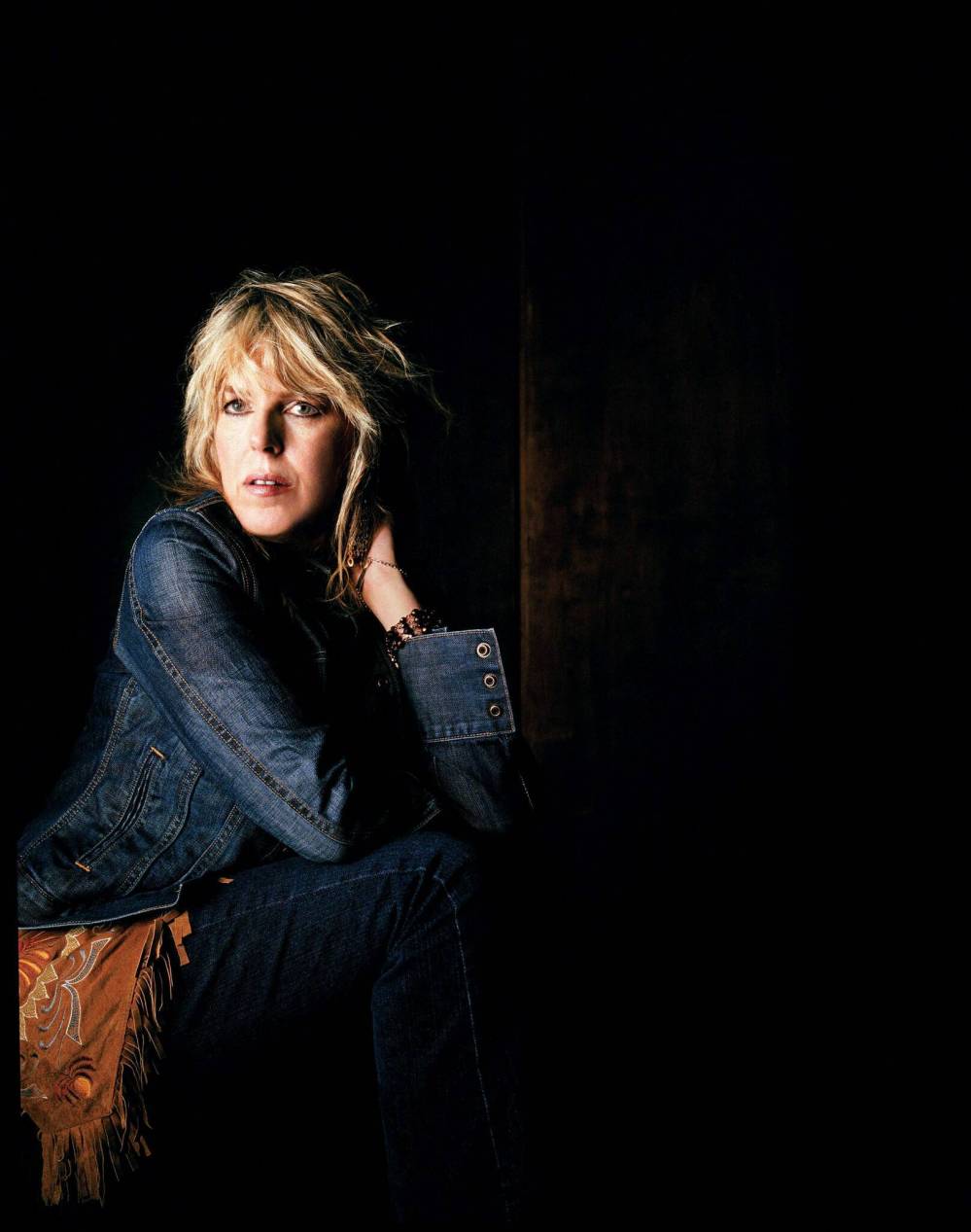
Now 70 and recovering from a 2020 stroke — which goes unmentioned in these otherwise candid pages — Williams lays bare her numerous problems that stem from her difficult and nomadic upbringing in the southern U.S.
Her parents were barely into their 20s when they married. Her mother, a frustrated pianist sexually abused by her Methodist preacher father, battled mental illness and alcoholism throughout her life.
“Cindy” and her two younger siblings were mostly raised by their father, Miller Williams, a bohemian poet and academic who didn’t hold a steady job until she had flown the nest.
Miller did achieve stability and renown in his later years. In fact, he read at Bill Clinton’s second presidential inauguration.
Despite Lucinda’s own late-blooming success — her 1998 country-rock-blues album Car Wheels on a Gravel Road remains her high-water mark — she still suffers bouts of depression and OCD.
Until she was in her early 50s, her love life was a revolving door of mad, bad and inadvisable men. Many of them have been the subjects of her highly confessional songs.
“Don’t tell anybody the secrets I’ve told you” goes the refrain from one such song, Metal Firecracker from Car Wheels, which she has repurposed for her memoir’s title.
Throughout her career, which has produced at least 15 albums of original material, she has been unreliable and obsessively perfectionist. A close collaborator on Car Wheels, the L.A.-based producer Gurf Morlix, refuses to speak to her to this day.
She married a record executive, Tom Overby, in 2009 when she was 56. A few years earlier, when Overby’s colleagues read in Rolling Stone that he was dating Williams, they told him: “Our reps at her label tell us that she is literally insane.”
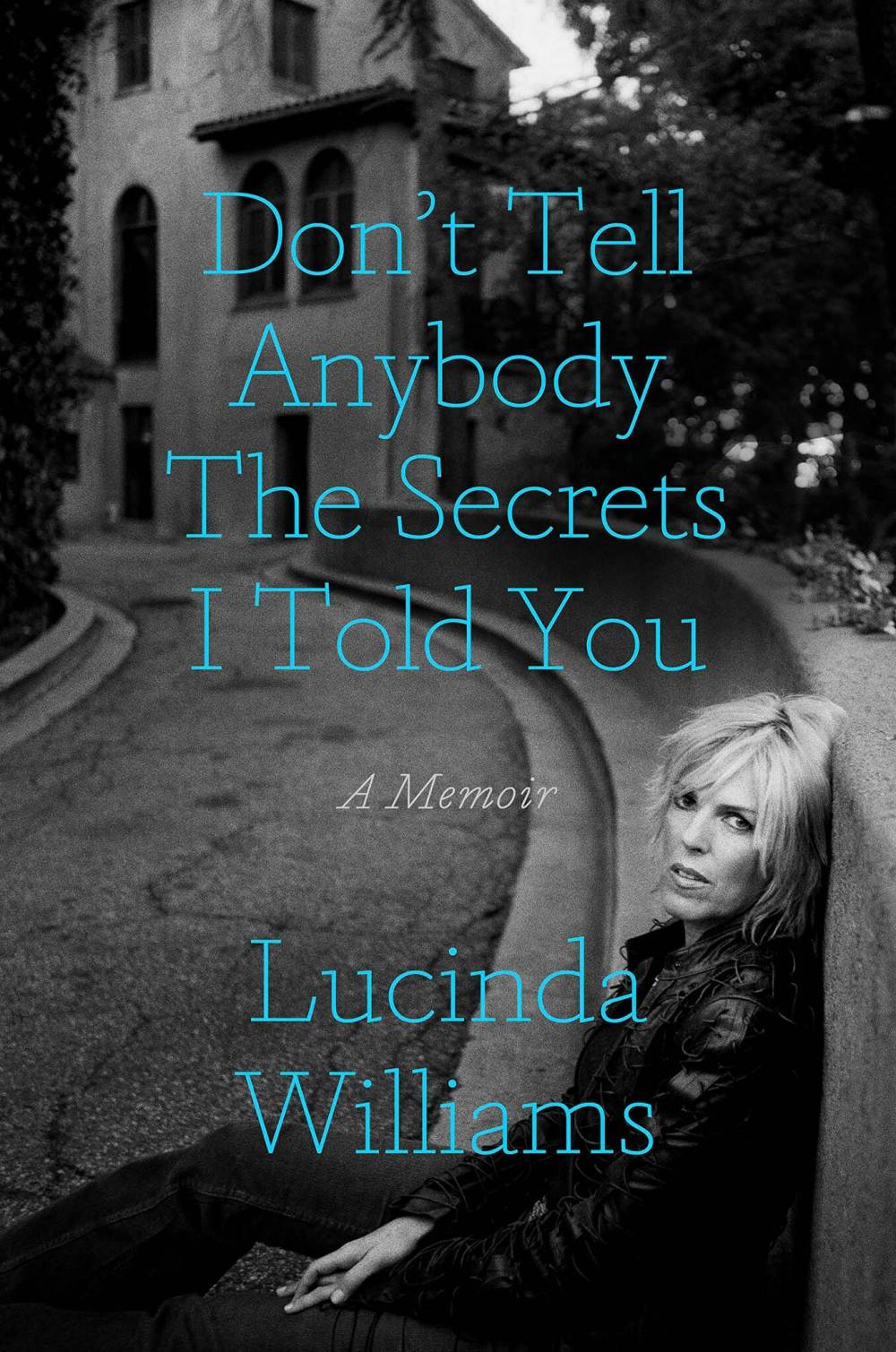
Don’t Tell Anybody the Secrets I Told You
The book’s tone is seldom rock-chick humorous, as was, say, Martha Wainright’s similarly titled 2022 memoir, Stories I Might Regret Telling You.
Williams’ prose is unadorned, earnest, a bit like punk poet Patti Smith’s in her 2010 classic Just Kids. She acknowledges what amounts to a co-writer, Sam Stephenson, who conducted interviews with her and helped her shape her memories into a coherent whole.
She says she has always felt comfortable in hotels and tour buses and has never wanted children.
Music has been all she has cared about since she was 12 and first heard Bob Dylan’s Highway 61 Revisited, which one of her father’s students brought to their house.
On her albums, Williams’s bluesy guitars sound like they have bubbled up from a Louisiana swamp. Her musical sister Emmylou Harris once described her voice as “capable of peeling paint off a trailer hitch.”
But in these pages she seems most proud of her autobiographical lyrics, many of which she transcribes in full.
Parts of this book are so raw they can bring you to tears. But parts are also exalting.
In the final pages, she recalls getting backstage at a Bruce Springsteen concert during his Devils and Dust tour.
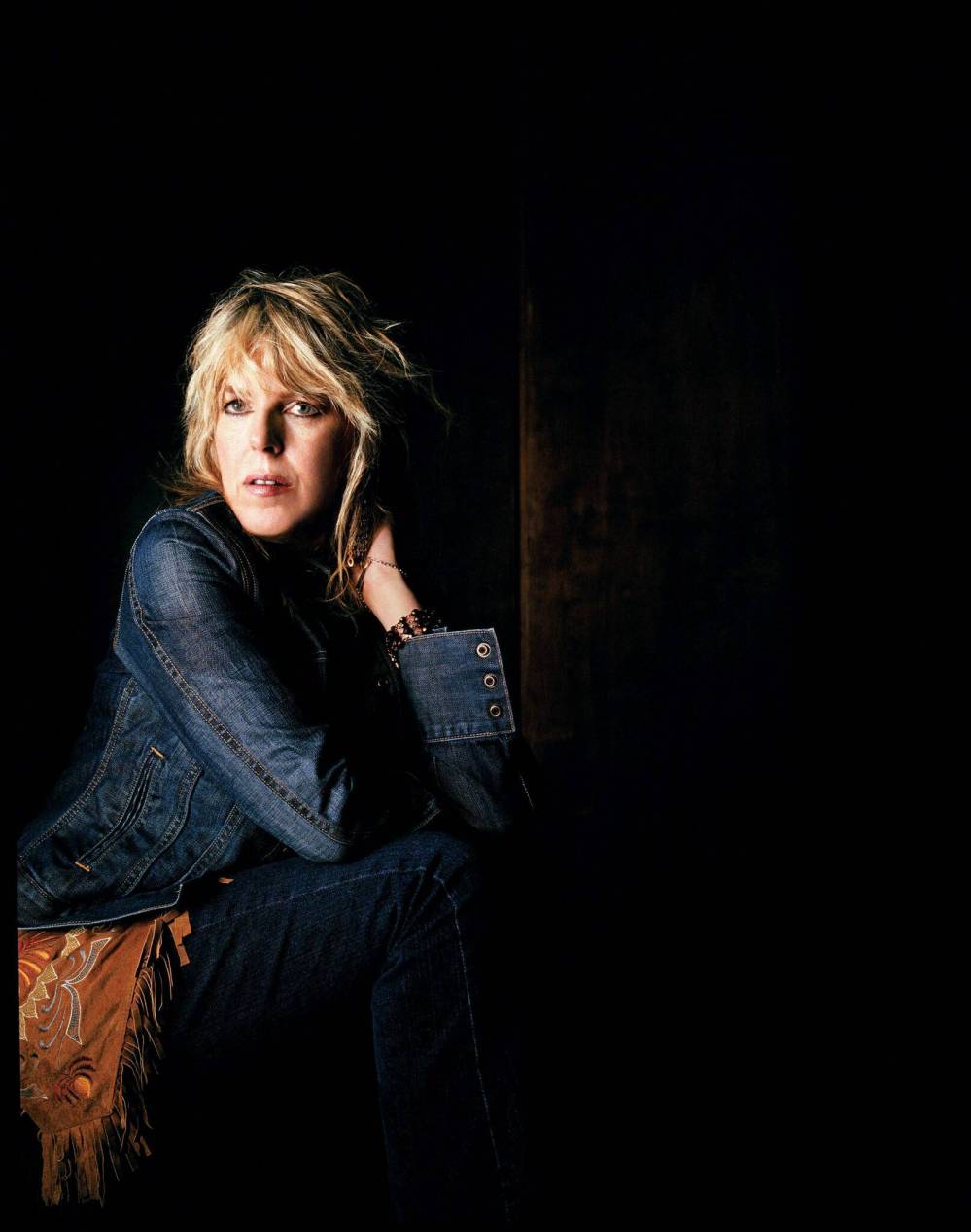
She was “overwhelmed” when Bruce invited her and Overby to dinner with, among others, music producer T-Bone Burnett, U2 guitarist the Edge and their wives.
“Going through my head all night,” she confesses, “were questions like do you call the Edge ‘the Edge’ in person, or just Edge, or does he have a street name?
“The fact is they were lovely people and I shouldn’t have been so nervous.”
It took Williams a lot of years, but finally she belongs.
Morley Walker is a retired Free Press editor and writer.