Destructive drama
Troubled love story goes nuclear in emotional wartime fiction
Advertisement
Read this article for free:
or
Already have an account? Log in here »
To continue reading, please subscribe:

Digital Subscription
One year of digital access for only $205*
- Enjoy unlimited reading on winnipegfreepress.com
- Read the E-Edition, our digital replica newspaper
- Access News Break, our award-winning app
- Play interactive puzzles
*First annual payment billed as $205.00 + GST for one year. This annual subscription will automatically renew at $233.00 + GST every 52 weeks (10% off the regular annual price of $259.35). Offer available to new and qualified returning subscribers only. Cancel any time.
To continue reading, please subscribe:
Add Free Press access to your Brandon Sun subscription for only an additional
$1 for the first 4 weeks*
- Enjoy unlimited reading on winnipegfreepress.com
- Read the E-Edition, our digital replica newspaper
- Access News Break, our award-winning app
- Play interactive puzzles
*Your next Brandon Sun subscription payment will increase by $1.00 and you will be charged $17.95 plus GST for four weeks. After four weeks, your payment will increase to $24.95 plus GST every four weeks.
Read unlimited articles for free today:
or
Already have an account? Log in here »
Hey there, time traveller!
This article was published 08/07/2023 (1162 days ago), so information in it may no longer be current.
He is charged with a war crime. Is he guilty? What will the jury say? What does public opinion say? What do you say?
He is August Snow, a Hungarian Jewish physicist who quite bluntly says “I am innocent.”
August is one of the principal actors in Harriet Alida Lye’s new novel Let It Destroy You. The charge came because there is a patent in his name for the cobalt bomb, capable of destroying the entire world. Although he had the idea, he did not file the patent — his ex-wife June did. In a moment of petty petulance, she defied his specific instructions, forged his signature and filed the application. August’s idea for the bomb flowed out of his frantic and ultimately successful research to find a way to make a cobalt radiation machine to destroy a cancer which was killing their young daughter.
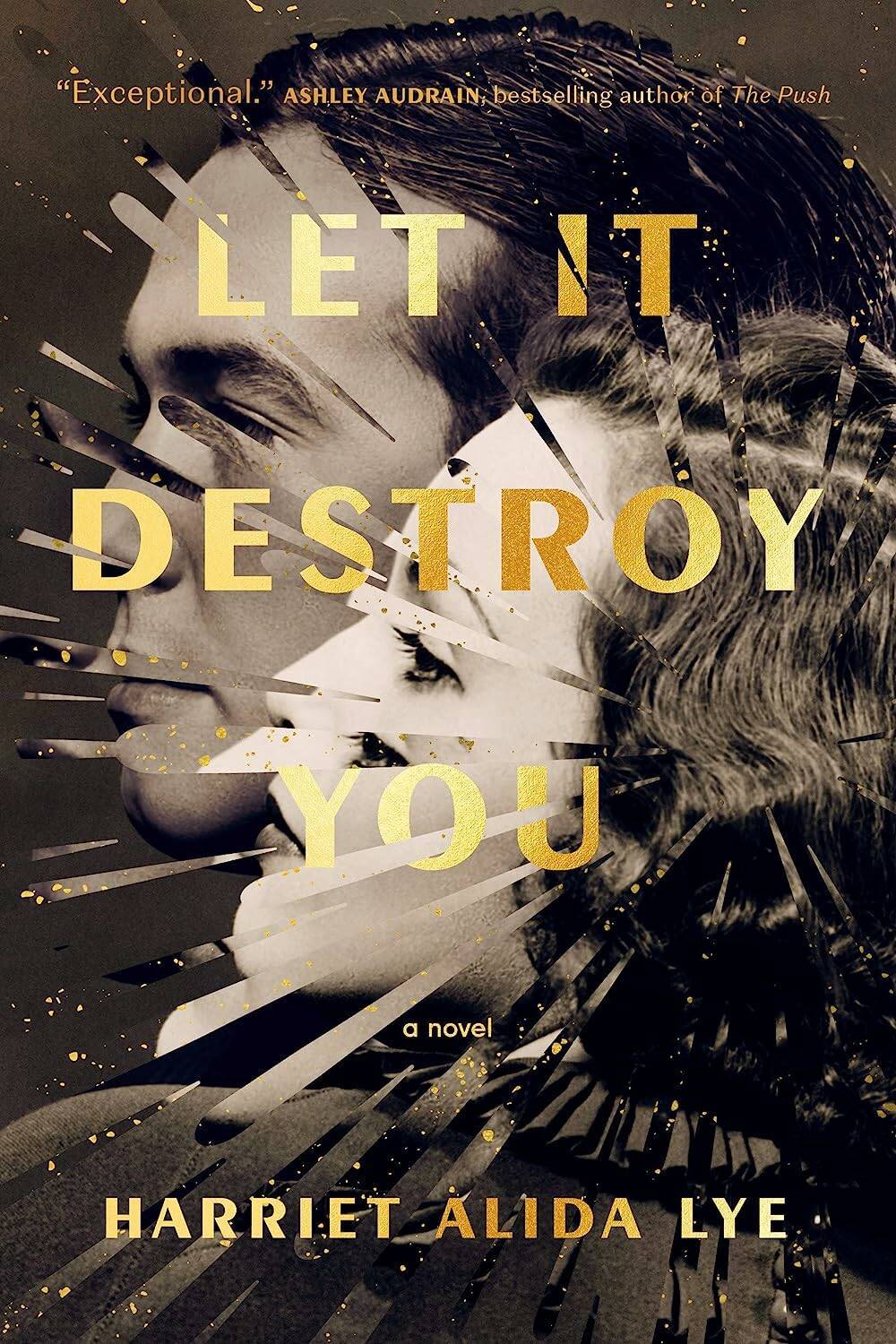
Let It Destroy You
The book is inspired by the physicist Leo Szilard and the letters he wrote his wife Gertrud “Trud” Weiss during their 21-year long-distance relationship. In real life, Szilard did invent the cobalt radiation machine in the 1930s, but he did so for use on himself, to cure his own bladder cancer, after he had the idea for the cobalt bomb. Hiroshima is still in the future, and the Second World War is raging across Europe as the story unfolds.
Let It Destroy You is a troubled love story told in parallel narratives. On the evening before the trial at the International War Crimes Court in The Hague, August and June reflect on their relationship, spanning decades, ranging across Europe from Budapest to Berlin, from London to New York, Colorado and Chicago. Their story plays out against a growing antisemitism in the United States.
“A man’s clarity of judgment is never very good when he is emotionally involved. This is how June and I differ: she got too involved when Leora got sick, whereas I was able to see things from a distance. All I wanted to do is save my daughter, and all June wanted was for me to stay,” August reflects.
June struggles with their differences. “Time is an epic thing for him, not comprised simply of this lifetime. I always had a hard time understanding that. For me, time is no larger than the radius of an hour… I can hardly believe in five minutes from now, let alone in tomorrow morning.”
At another point, June says “I wanted him because there was less of him to have. I was insatiable, but so was he. His hunger was not for me though, but for that greater good: for discovery, and wisdom, and power.”
Lye paints very convincing pictures of her characters — June as a very clingy, needy, shortsighted person who can see the world only in terms of her own emotional needs of the moment, August as someone quite clear-sighted when it comes to science but unable to see or respond to June’s emotional needs.
“I didn’t feel at all guilty when I filed the papers. I was so angry at him that it eliminated my sense of scale. It felt like my actions were exclusively between myself and August, not between the world and me,” June says.
But when the cheques start coming in, she realizes August was right to worry about the bomb. “The human appetite for destruction will outweigh our desire for life, and a terror dawned on me.” As the countdown to August’s trial is underway, she worries about whether she will face trial for filing the bomb patent and tries to rationalize her action. “How could I be guilty? I only wanted to make sure that August was paid for his work…. Can I be guilty for bringing an idea into the world? Can I be guilty for making sure that Leora had a good life?”
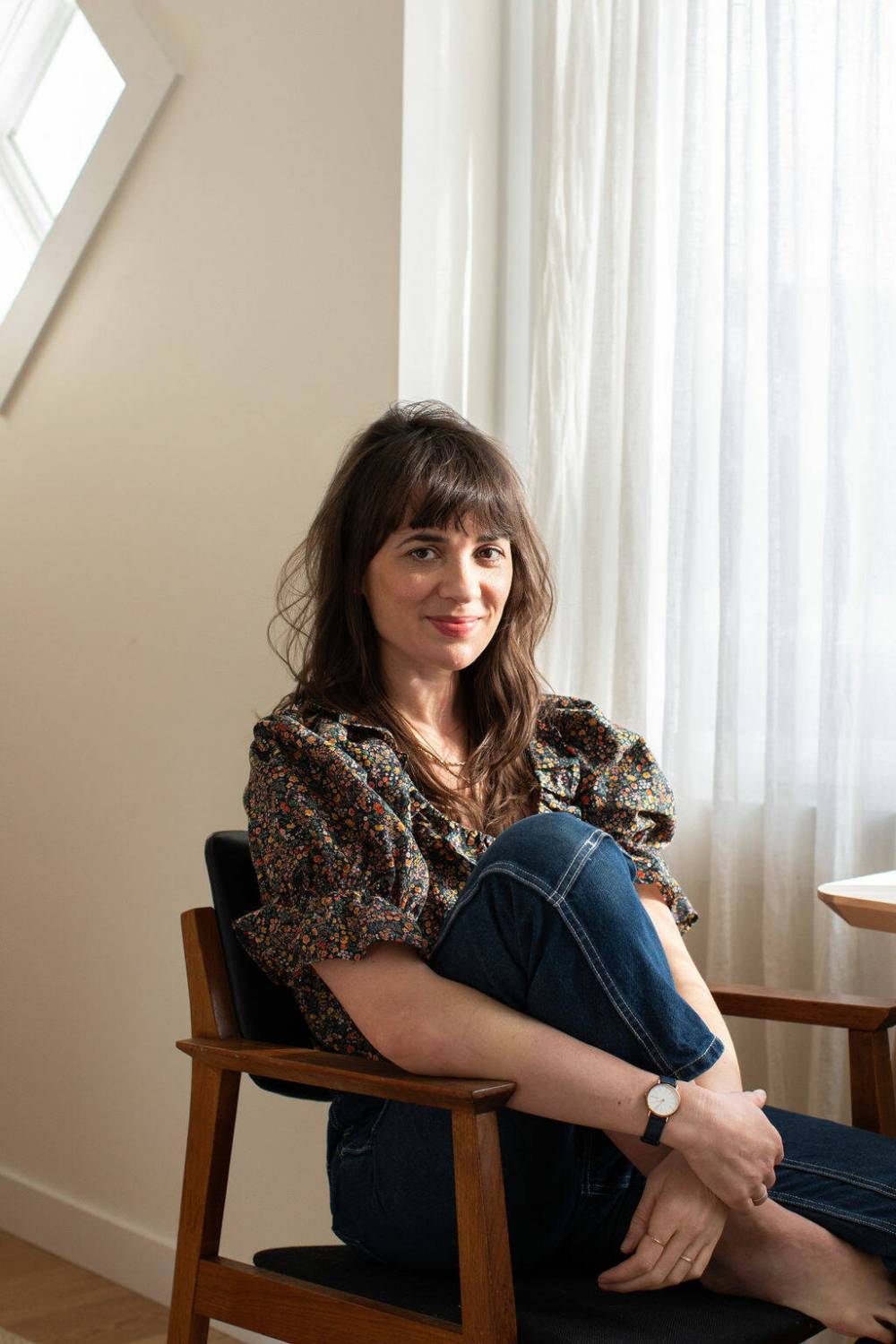
Britney Townsend photo
Author Harriet Alida Lye’s novel is inspired by events in the life of physicist Leo Szilard, who invented a cobalt radiation machine in the 1930s.
And she makes time to work in another large spoonful of self pity. “What they won’t see are ways that he abandoned me. How he turned me to this… Regardless of whether or not he is proclaimed guilty or innocent, he will be beloved. He will be the favourite, for his story is larger than mine.”
Give the final word to August: “I did everything you think I did, and I am innocent. If you do not think I am innocent, then ask yourself: Is anyone?”
How say you?
Gordon Arnold is a Winnipeg writer.