The straight dope
Former Vancouver mayor offers insight into dealing with city’s drug crisis
Advertisement
Read this article for free:
or
Already have an account? Log in here »
To continue reading, please subscribe:

Digital Subscription
One year of digital access for only $205*
- Enjoy unlimited reading on winnipegfreepress.com
- Read the E-Edition, our digital replica newspaper
- Access News Break, our award-winning app
- Play interactive puzzles
*First annual payment billed as $205.00 + GST for one year. This annual subscription will automatically renew at $233.00 + GST every 52 weeks (10% off the regular annual price of $259.35). Offer available to new and qualified returning subscribers only. Cancel any time.
To continue reading, please subscribe:
Add Free Press access to your Brandon Sun subscription for only an additional
$1 for the first 4 weeks*
- Enjoy unlimited reading on winnipegfreepress.com
- Read the E-Edition, our digital replica newspaper
- Access News Break, our award-winning app
- Play interactive puzzles
*Your next Brandon Sun subscription payment will increase by $1.00 and you will be charged $17.95 plus GST for four weeks. After four weeks, your payment will increase to $24.95 plus GST every four weeks.
Read unlimited articles for free today:
or
Already have an account? Log in here »
Hey there, time traveller!
This article was published 09/09/2023 (1119 days ago), so information in it may no longer be current.
Imagine getting a weekly email capturing the death toll from drug overdoses in the previous seven-day period. That’s what former Vancouver mayor Kennedy Stewart’s routine became when he was elected as head of one of Canada’s largest cities in 2018.
Stewart details his attempts to deal with the drug-related death crisis in his new book Decrim: How We Decriminalized Drugs in British Columbia. It’s an excellent analysis of the backroom chess game — at times deeply personal — that occurred behind the push by Stewart and his staff to make Vancouver the first major city in Canada to decriminalize drugs as of Jan. 31, 2023.
Stewart was no political neophyte when he entered municipal politics, although he was Vancouver’s first independent mayor in 30 years. Elected in 2011 to represent Burnaby Douglas as an NDP MP when Conservative Stephen Harper was prime minister, and then re-elected when the Liberals won under Justin Trudeau, Stewart relied on many of his previous relationships in the House to help him in the process of decriminalization. Indeed, it was with the Liberals federally that Stewart found the most willing partners in working on the drug crisis.
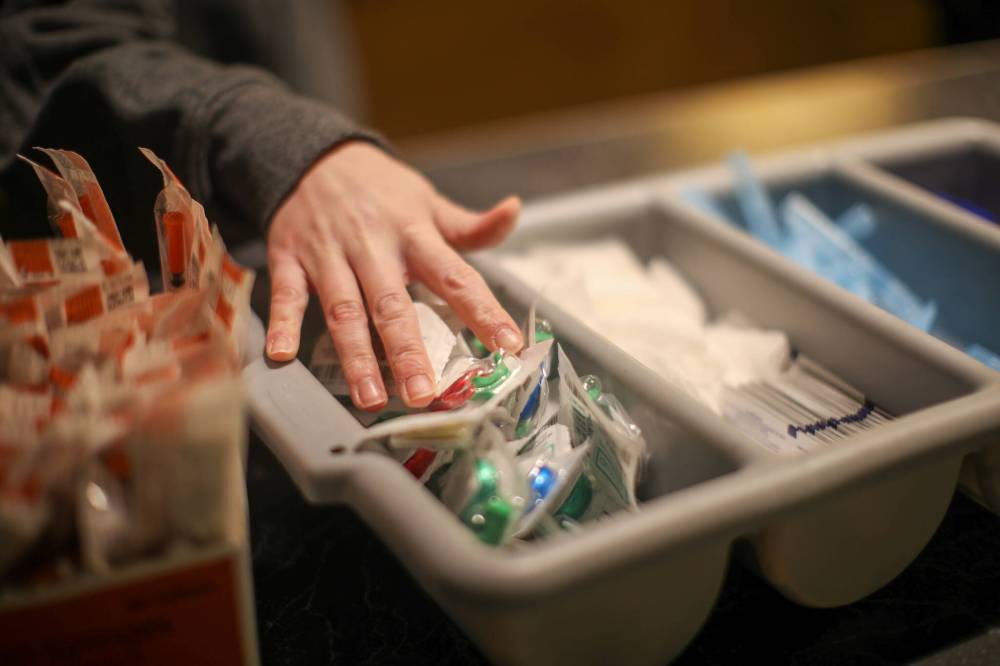
Trevor Hagan / Winnipeg Free Press files
In this April 2023 photo, supplies to be used for safe consumption are put out in the injection room at Insite on East Hastings in Vancouver.
Decrim details the opposition Stewart faced in attempting to deal with the drug crisis. Upon his election, he formulated an overdose task force with a 115-person team which made a number of recommendations and a price tag of close to $4 million. Yet drug users and their advocates were disappointed, saying it didn’t go far enough and pushed for stronger action, including decriminalization on small amounts of drugs. Stewart was trying to balance the concerns of those advocates and a deeply divided council, half of whom were Conservative leaning. Concerned about the rising death toll from drug overdoses, he decided to push for more policy changes.
Stewart looked to a report released by provincial health officer Bonnie Henry published in 2019. In it, Henry implored the B.C. government to move on decriminalizing small amounts of controlled substances in order to save lives. The provincial NDP government under John Horgan was refusing to act.
At the same time, Stewart approached the federal government under Trudeau and was told flat out that the federal Liberals would not move on decriminalization after successfully legalizing cannabis. But behind the scenes, then-health minister Patty Hadju reached out to Stewart, and the work then began for Vancouver to submit a proposal on its own.
Much of this book relies on understanding the importance of building relationships in politics: Stewart’s strained relationship with NDP premier Horgan; his collegial relationship with Trudeau, despite their disagreements; his excellent relationship with Hadju. Repeatedly, we’re given insight into how in politics and policy, it’s not always about ideology, but shared purpose and collective will.
There’s a very personal side to this read as well. Stewart talks about his childhood in Wolfville, N.S., his father’s alcoholism, the family’s bankruptcy and growing up in poverty and abandoned. He also describes his feeling of when one of the weekly statistics he read as mayor was someone from within his family: Susan Havelock.
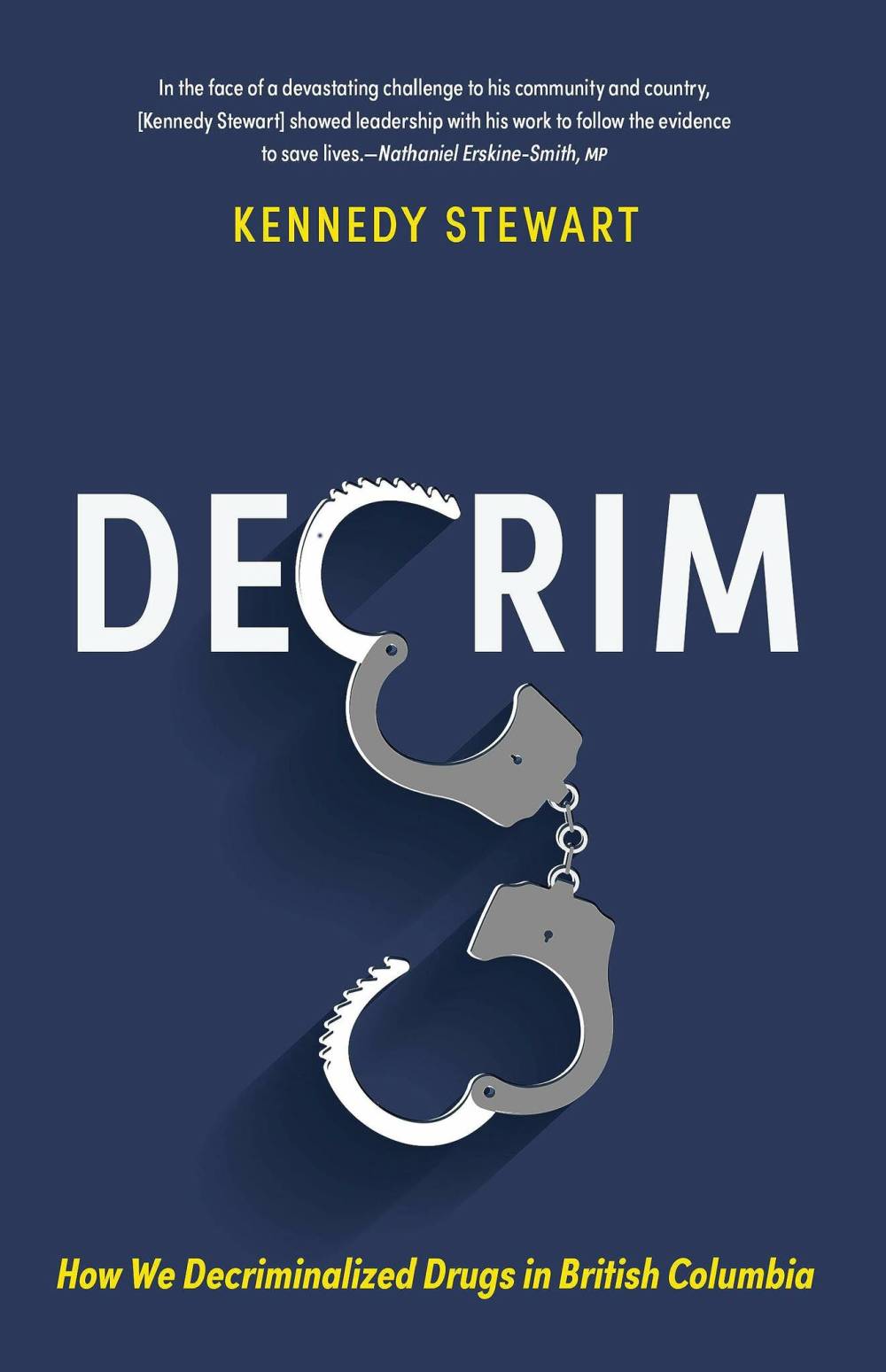
Decrim

In the final chapter, Saving Susan Havelock, Stewart suggests that even the new legislation is unlikely to have saved Havelock, but it would have improved her life immeasurably. Before decriminalization, most Vancouver police did not arrest drug users if they had a small amount of drugs on them, but instead would seize them, forcing the user to engage in high-risk behaviour to find more drugs to feed their addiction.
As Stewart put it: “The burden of deciding whether or not to enforce laws should not fall to the police, and it is irresponsible for federal and provincial legislators to offload such decisions regarding arresting people for drug possession to individual police officers and departments. Elected decision-makers have failed to perform their duties when police view an issue as so serious and intractable that they stray into the domain of elected policy-makers.”
Stewart was not re-elected as mayor of Vancouver, losing to Ken Sim in October 2022. Sim, a right-leaning politician, ran on a platform of more police and clearing the downtown eastside decampments. Stewart writes with concern that any attempts to implement life-saving harm-reduction measures in Vancouver will erode under the new leadership.
Decrim is an excellent treatise on policymaking. It provides insight into how decriminalization became a reality in British Columbia and the visionaries behind this important piece of legislation. It’s compassionate and humble without being too morose about an incredibly difficult topic.
Shannon Sampert is a political scientist and media consultant.
Wikimedia Commons
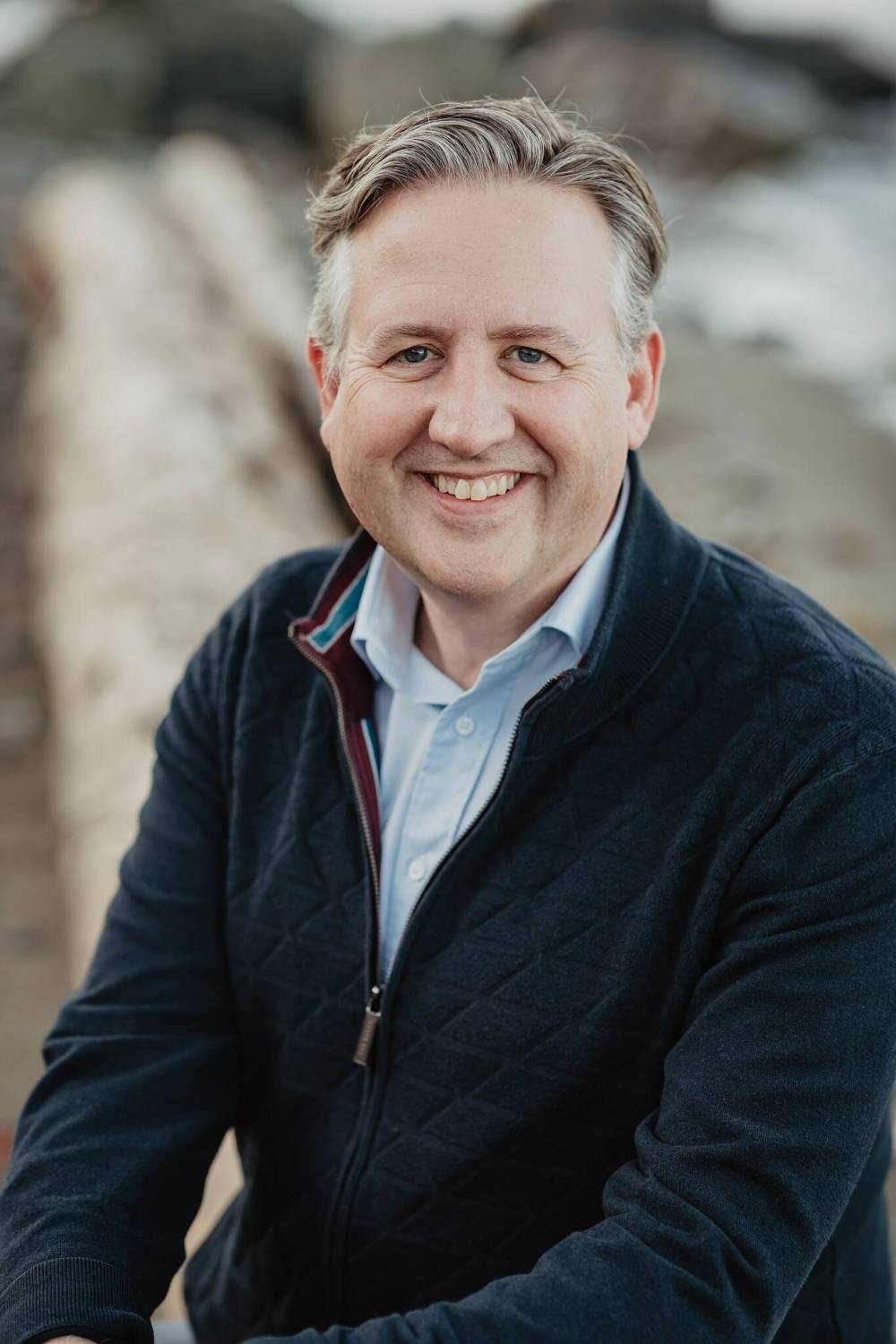
Kennedy Stewart