Son’s vices transformed mom into co-dependent
Advertisement
Read this article for free:
or
Already have an account? Log in here »
To continue reading, please subscribe:

Digital Subscription
One year of digital access for only $205*
- Enjoy unlimited reading on winnipegfreepress.com
- Read the E-Edition, our digital replica newspaper
- Access News Break, our award-winning app
- Play interactive puzzles
*First annual payment billed as $205.00 + GST for one year. This annual subscription will automatically renew at $233.00 + GST every 52 weeks (10% off the regular annual price of $259.35). Offer available to new and qualified returning subscribers only. Cancel any time.
To continue reading, please subscribe:
Add Free Press access to your Brandon Sun subscription for only an additional
$1 for the first 4 weeks*
- Enjoy unlimited reading on winnipegfreepress.com
- Read the E-Edition, our digital replica newspaper
- Access News Break, our award-winning app
- Play interactive puzzles
*Your next Brandon Sun subscription payment will increase by $1.00 and you will be charged $17.95 plus GST for four weeks. After four weeks, your payment will increase to $24.95 plus GST every four weeks.
Read unlimited articles for free today:
or
Already have an account? Log in here »
Hey there, time traveller!
This article was published 16/09/2023 (1073 days ago), so information in it may no longer be current.
Canadian author Kathy Wagner’s moving memoir tells the painful story both of her son’s journey with addiction and Wagner’s own recovery from co-dependence as his supporter.
Wagner’s son Tristan died in 2017 of fentanyl poisoning after a six-year cycle of sobriety and relapse.
Readers may recognize Wagner’s name from essays published in the New York Times and Globe and Mail. She has also advocated for improved access to treatment and volunteered with peer support groups for families dealing with addiction.
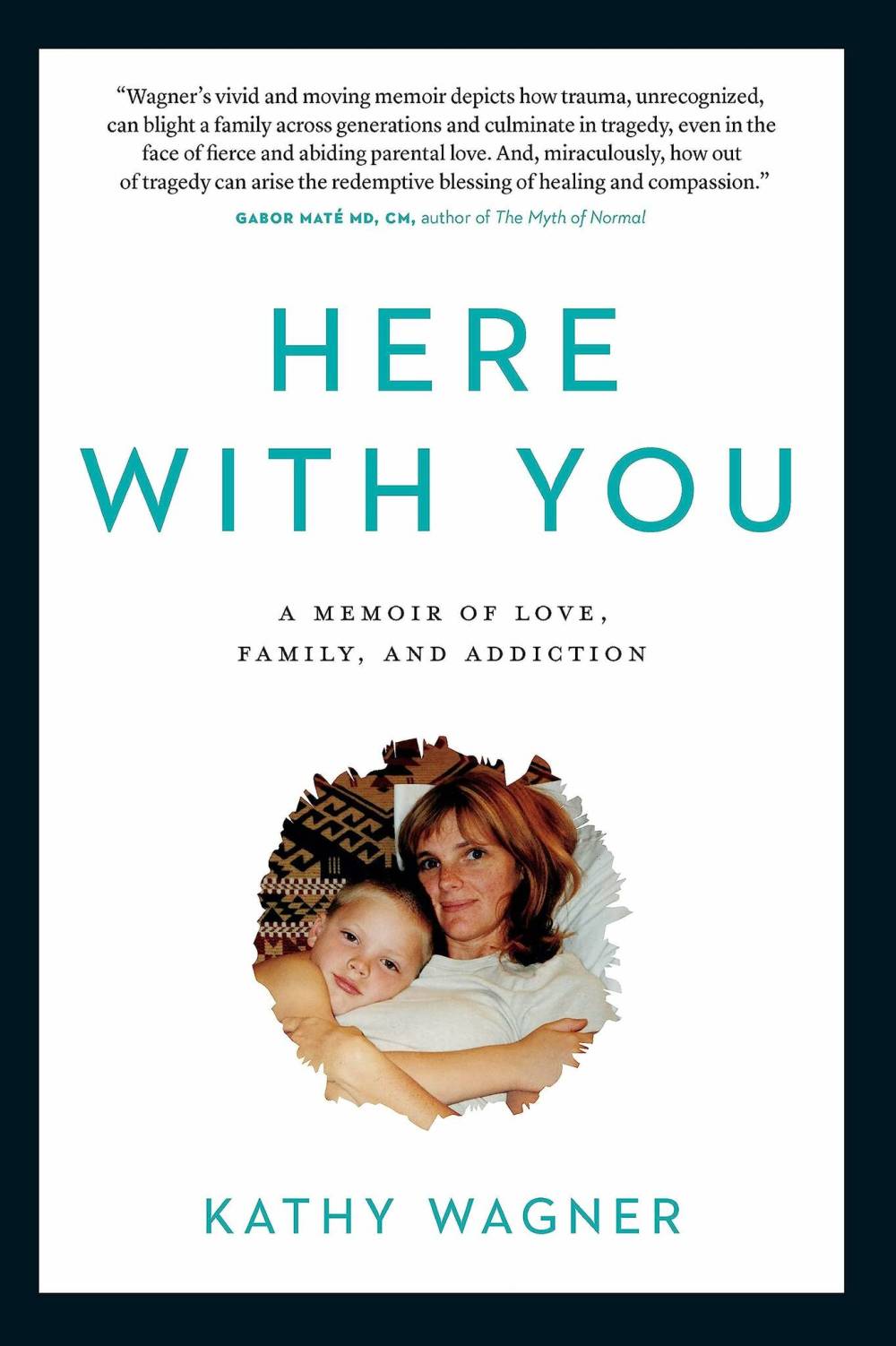
Wagner’s front-line experience uniquely qualifies her to write this story. She explores heavy themes such as forgiveness, intergenerational trauma, unconditional love and tough love.
Unlike the majority of addiction memoirs, such as David Carr’s The Night of the Gun (2008) or William S. Burrough’s Junky (1953), Tristan’s addiction does not take centre stage.
Instead, Wagner gives herself the spotlight. Here With You provides a much-needed view of how drugs affect not just the addicted, but those who love them.
When Wagner’s 14-year-old son Tristan starts using cocaine in 2011, she blindly tells herself it’s just a phase.
“In my experience, teenagers used drugs,” Wagner matter-of-factly recounts. “While I had limited myself to pot-smoking and beer, with the odd Southern Comfort fiasco thrown in, everyone else I grew up with used harder drugs at one time or another. We all grew out of it.”
By the time Tristan turned 15, Wagner could no longer ignore the depth of his addiction.
Unable to get Tristan into rehab without his approval, Wagner tries everything else she can think of — sending him to China to study martial arts, enrolling him in culinary school and even paying for his drugs out of fear Tristan will become suicidal.
When Tristan finally enters rehab six years later, Wagner realizes her life is empty with no son to rescue or crises to manage.
“Our entire relationship was built around me looking after him, managing his moods, making his life work. I didn’t know how to be his mom anymore… I was upset at being left behind, alone.”
As Tristan begins his recovery journey, Wagner realizes that it’s time to take care of herself.
One of the key strategies Wagner learns for coping with Tristan’s addiction is loving him as he is without judgment.
Readers will need to use the same strategy with Wagner.
It’s tempting to judge Wagner’s misguided attempts to help her son, such as when she gives him cash and drives him to buy drugs after he breaks down in their home.
Readers may also feel Wagner’s attention is unfairly focused on her son, leaving her two daughters neglected as she concentrates on Tristan.
However, Wagner writes without guilt or apology. She simply tells her story as it happened, allowing readers to experience what she did.
While her prose is awkward at times and given to cheesy expressions (at one point Wagner describes herself as feeling like “an old sloppy-slop,”) the story is compelling and laid out well.
Wagner’s recovery from her co-dependency on Tristan provides important lessons for anyone with a habit of overextending themselves.
Kathryne Cardwell is a writer and settler in Treaty One territory.