Holding out hope
Thomas’ finely drawn fifth novel ponders art, capitalism and climate
Advertisement
Read this article for free:
or
Already have an account? Log in here »
To continue reading, please subscribe:

Digital Subscription
One year of digital access for only $205*
- Enjoy unlimited reading on winnipegfreepress.com
- Read the E-Edition, our digital replica newspaper
- Access News Break, our award-winning app
- Play interactive puzzles
*First annual payment billed as $205.00 + GST for one year. This annual subscription will automatically renew at $233.00 + GST every 52 weeks (10% off the regular annual price of $259.35). Offer available to new and qualified returning subscribers only. Cancel any time.
To continue reading, please subscribe:
Add Free Press access to your Brandon Sun subscription for only an additional
$1 for the first 4 weeks*
- Enjoy unlimited reading on winnipegfreepress.com
- Read the E-Edition, our digital replica newspaper
- Access News Break, our award-winning app
- Play interactive puzzles
*Your next Brandon Sun subscription payment will increase by $1.00 and you will be charged $17.95 plus GST for four weeks. After four weeks, your payment will increase to $24.95 plus GST every four weeks.
Read unlimited articles for free today:
or
Already have an account? Log in here »
Hey there, time traveller!
This article was published 21/10/2023 (1077 days ago), so information in it may no longer be current.
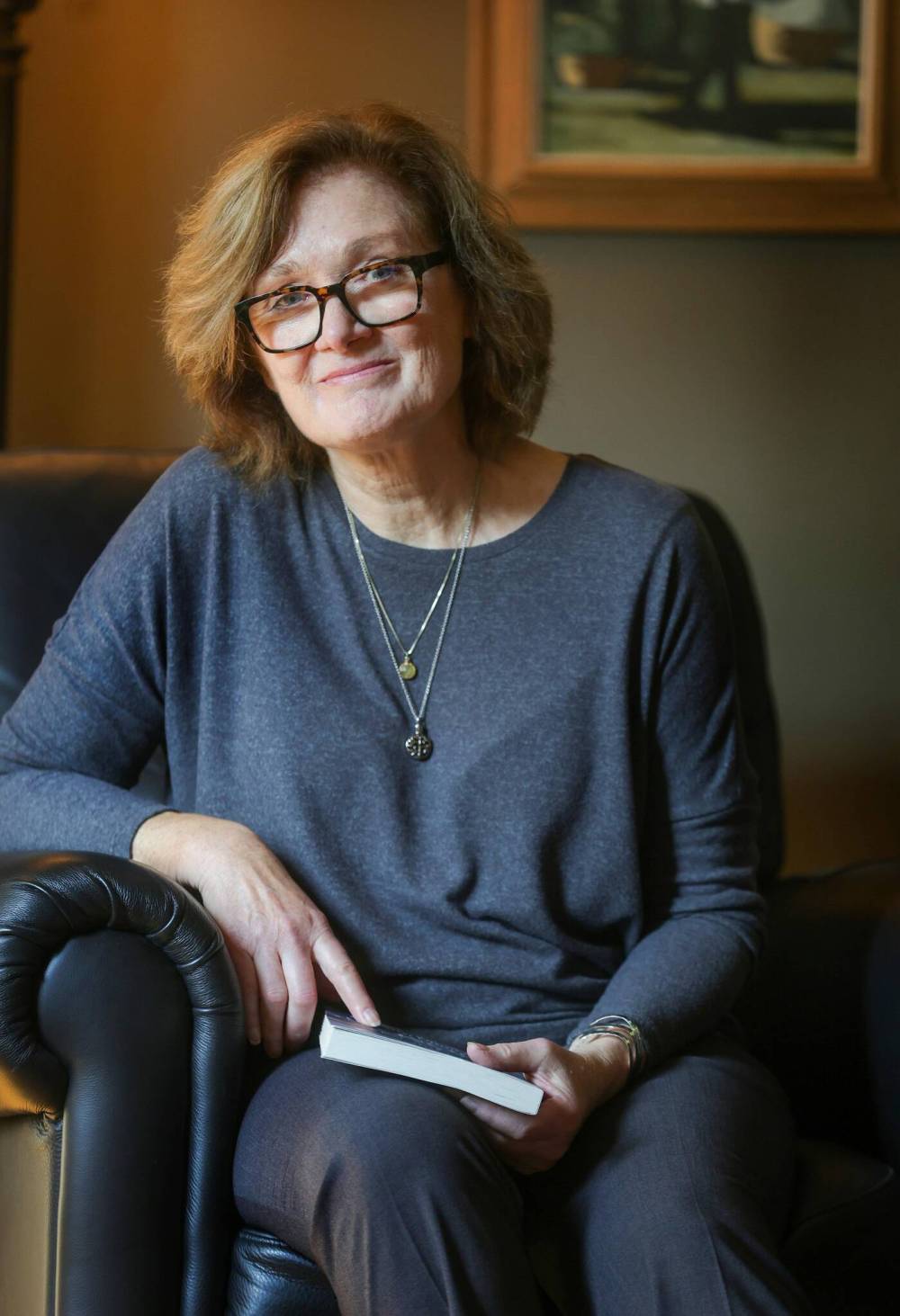
Winnipeg novelist Joan Thomas has long fostered meaningful connections with her readers. She’s had a standing offer to visit book clubs since the publication of her wildly successful award-winning debut, 2008’s Reading by Lightning, through to her most recent historical novel, the Governor General’s Literary Award-winning Five Wives.
Thomas’s genuine engagement with her readership acquires a heightened poignancy with the release of her fifth novel.
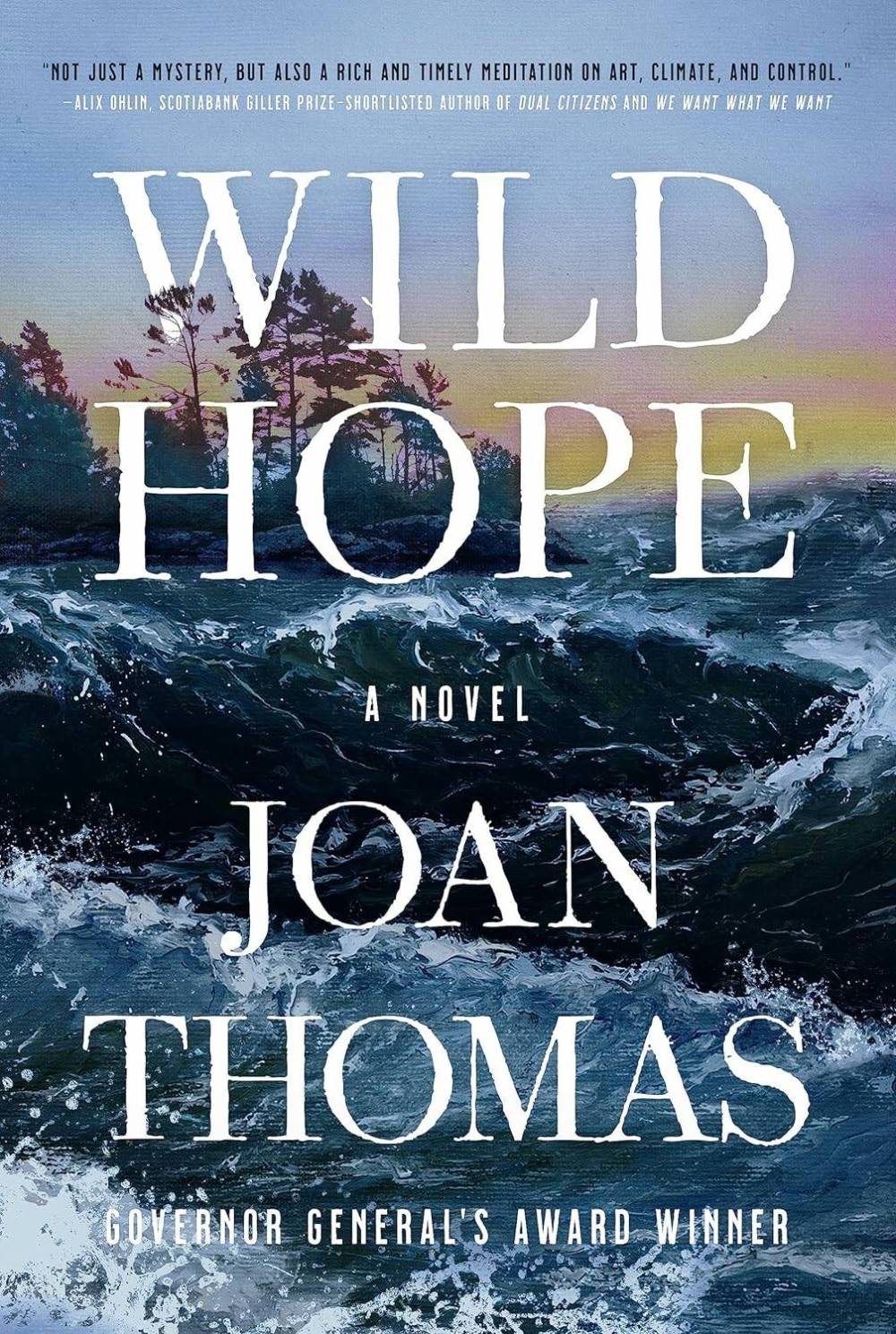
Wild Hope is an urgent climate novel that holds up a mirror to our present moment in which, according to one character, “it is too late for practical questions. We are all truly f—ed.”
Ruth Bonneville / Winnipeg Free Press files
Wild Hope is a critique of capitalism and the politics of water, a love story with an element of mystery.
The stakes could not be higher for readers in the real world.
But Wild Hope offers more than a reflection of our current predicament: it is also a love story, a dark mystery, a propulsive page-turner; it is a critique of capitalism and the politics of water, a study of the damaged versus healthy psyche, of inherited versus acquired privilege; it is a meditation on the limitations and possibilities of art. It also takes foodies to task, which is a bittersweet bit of fun.
The setting is a hamlet just outside of Toronto, where home-schooled chef Isla is co-owner of a farm-to-table restaurant that caters to elite diners who are “part of the new wave of omnivores who want their meat rare, wild, and gamey.”
Isla moves in with artist Jake, who grew up in Rosedale and spent his childhood in family cabins on the Bruce Peninsula, an area that was later answerable to the Treaty 72 land claim. Jake’s late father was a federal cabinet minister who made troubling, lasting decisions in the oil and gas industry and from whose legacy Jake distances himself as much as possible.
Isla and Jake’s relationship falters with the appearance of Reg Bevaqua, a rags-to-riches bottled-water tycoon who dines regularly at Isla’s restaurant. Jake and Reg share a secret past: friends from youth who were separated by a bitter betrayal, their dynamic characterized by bullying, one-upmanship and casual violence.
Old resentments soon flare and Jake vanishes, leaving Isla to piece together the puzzle with very real personal and political implications.
Meanwhile, the climate warms with nary a mention from the community — though granted, thinks Jake, “they did talk about the weather. Constantly.”
There is an array of deftly drawn scene-stealers who get some memorable lines, such as Jake’s astute agent Phoebe and his classist, racist mother; abrupt Kurt, the European organic farmer; Eve Bevaqua, consummate ice queen; understated gallery owner David Stonechild; and single mother Quinn, who puts Jake in his place on more than one occasion.
Wild Hope

Glacial melt in particular is Jake’s preoccupation, and how to address it in his paintings, prompting him to ask a question that is central to the novel: “How could a catastrophe this gargantuan ever find its way into art? Art was stymied in the face of it.”
Wild Hope could have been stymied in the face of it as well. But Thomas, ever attuned to her readers, does not leave us with this anguish alone.
Instead she gifts us with the creation of Isla — someone who, as Jake puts it, “is always going back to first principles.” Isla, open and unjaded, asks a different kind of question, one that evades complacency: “What if she was someone who could do something?”
In so asking, Isla provides herself and readers with a path forward, one that inspires a kind of activated, mobilized hope.
Sara Harms is a Winnipeg editor.