Oh Henry!
Winkler’s charming memoir chronicles struggles with dyslexia, legacy of the Fonzand more
Advertisement
Read this article for free:
or
Already have an account? Log in here »
To continue reading, please subscribe:

Digital Subscription
One year of digital access for only $205*
- Enjoy unlimited reading on winnipegfreepress.com
- Read the E-Edition, our digital replica newspaper
- Access News Break, our award-winning app
- Play interactive puzzles
*First annual payment billed as $205.00 + GST for one year. This annual subscription will automatically renew at $233.00 + GST every 52 weeks (10% off the regular annual price of $259.35). Offer available to new and qualified returning subscribers only. Cancel any time.
To continue reading, please subscribe:
Add Free Press access to your Brandon Sun subscription for only an additional
$1 for the first 4 weeks*
- Enjoy unlimited reading on winnipegfreepress.com
- Read the E-Edition, our digital replica newspaper
- Access News Break, our award-winning app
- Play interactive puzzles
*Your next Brandon Sun subscription payment will increase by $1.00 and you will be charged $17.95 plus GST for four weeks. After four weeks, your payment will increase to $24.95 plus GST every four weeks.
Read unlimited articles for free today:
or
Already have an account? Log in here »
Hey there, time traveller!
This article was published 23/12/2023 (959 days ago), so information in it may no longer be current.
Happy Days aired for no fewer than 11 seasons (1974-1984) — in what season did Fonzie jump the shark?
The answer? Season 5.
Two-hundred and fifty-five total episodes, and yet the Fonz donned that leather jacket and those water skis and jumped that deadly fish that most definitely was actually prowling those California waters in Season 5, Episode 3, less than 100 episodes in. It was only 1977.
Merrick Morton / HBO
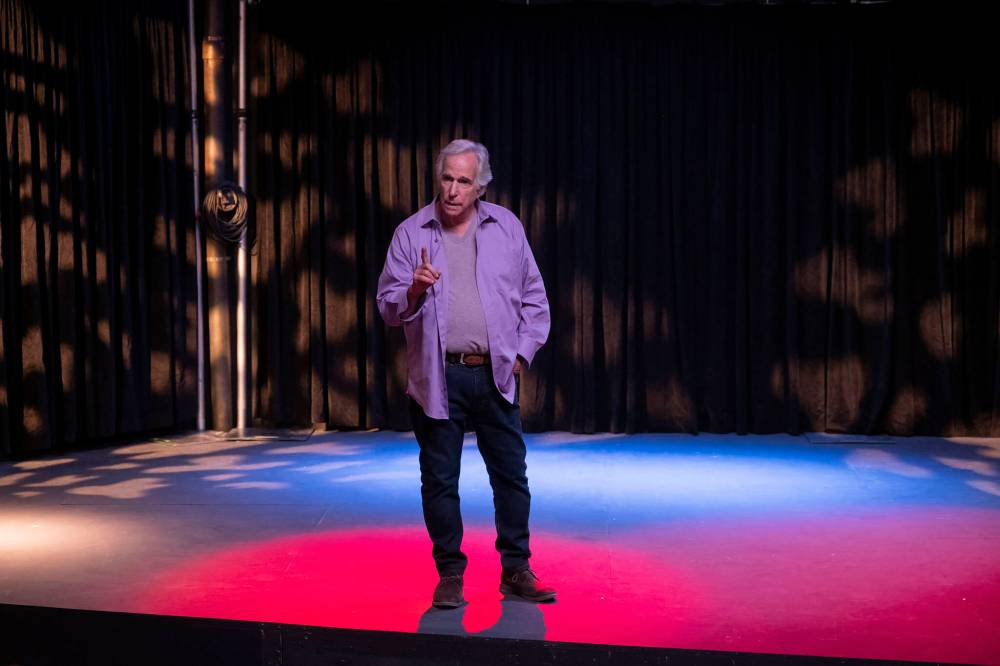
Henry Winkler plays acting coach Gene Cousineau in the HBO series Barry; his work in the role earned him a Primetime Emmy.
And yet that iconic episode has given us a chuckling, smug idiom demeaning a once-great cultural product that has run its course, that is out of ideas, that needs to be left to die in peace.
But Happy Days did not do so. It would even survive the later bitter departure of the supposedly central star, Ron Howard (Richie Cunningham), after the end of the seventh season (1980).
Happy Days simply endured and endured and endured.
This was because the hanger-on greaser, initially on the periphery of its cast, became Beatlemania-level famous and, even more important, desperately beloved.
In other words, don’t underestimate the lingering popular power of one Arthur Fonzarelli.
Being Henry is deeply about that idea: what it is like to be a struggling New York City “actor,” trained at the Yale School of Drama, yearning to be recognized as a talented, hard-working, earnest thespian but stumbling into a part in Hollywood that turns everything on a dime, comes to define your career and ends up consuming your public and private life.
But it is also differently, deeply about the human Henry Winkler, born 1945 (yes, the Fonz is now 78 — sit on that for a bit), the son of two Holocaust émigrés, a small man with a big heart, a charismatic and endearing communicator who could barely read because of undiagnosed and severe dyslexia.
Winkler (writing with James Kaplan) uses this memoir to justify and ratify his career path, to reveal and explain his covert struggles and to articulate and promote a handful of fundamental life lessons. The book, therefore, is all of fascinating, winsome, inspiring and a bit much.
Being Henry
At 28, Winkler took his daring long shot at Hollywood, two suitcases in hand and a mere $1,000 in pocket, with a self-imposed deadline of a couple months — all on a wing and a prayer. This tale is hardly new; it is, if anything, trite.
What Winkler chronicles well, but does not really reflect on, is the ease of it all. He fluked into a bit role on no less than the massively successful The Mary Tyler Moore Show within a week of arriving in L.A. and landed Arthur Fonzarelli less than a month later. He wants us to feel his struggling pain, but it all just happens so very, very effortlessly. The pain is not really palpable.
Not just soon but almost immediately, Henry Winkler was Hollywood famous. More, he was world famous: buried in fan mail, unable to appear safely in public, financially secure for good.
But existential problems then roosted, weighted with the burden of the inextricable Fonzie association, the end of the ample run of a hit show and the phone going silent for months, and even years, on end.
Even so, Winkler had made enough connections to rise again, in myriad ways. More, that Fonzie identification — something Winkler is dearly grateful for but nonetheless rues — ends up his ticket to ongoing success, on screens of all sizes, now through six decades. This is because the Fonz gives the Winkler name cachet, but also because those with television and film production power in the 1980s, 1990s, 2000s, 2010s, and even now guilelessly, purely love that Fonz.
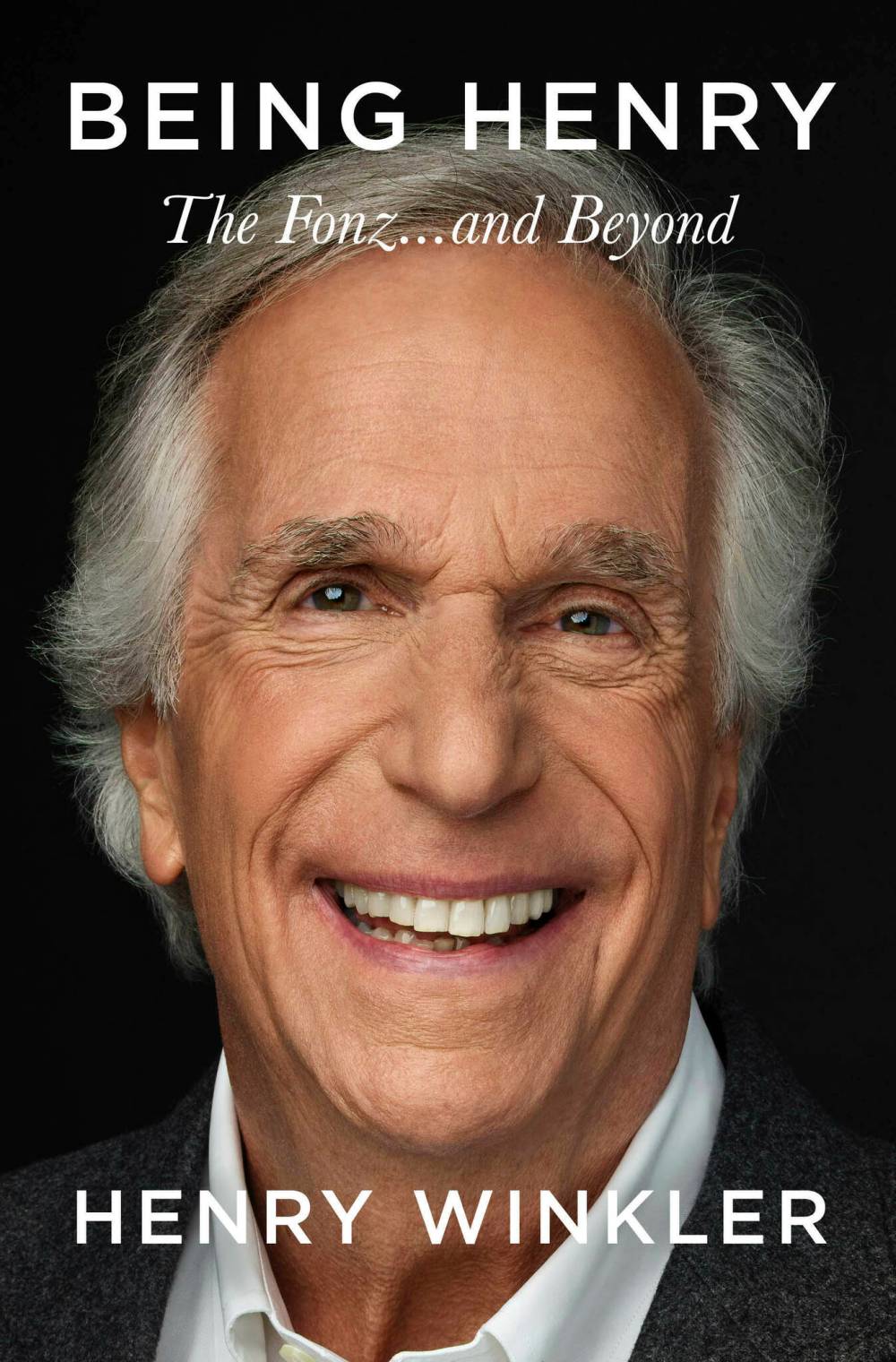
The character is preternaturally transcendent. Virtually anyone now over 40 will look at the cover of Being Henry and think, “Ehhhh, Fonzie” and be filled with a kind of overwhelming warmth, coupled with the odd comfort of imagining one is buddies with him, on the better side of “cool.” Big-hearted cool. Fonzie cool.
It is, really, magical. Winkler landed serendipitously in that magic, but he also helped craft it. From the very beginning of the memoir to its very end, Winkler incessantly reminds his reader that his dyslexia made him a terribly anxious and unorthodox — almost illiterate — actor, but simultaneously forced him to improvise and to lean on his natural good nature and gushing charm. That potion fired, on all cylinders.
The Associated Press files
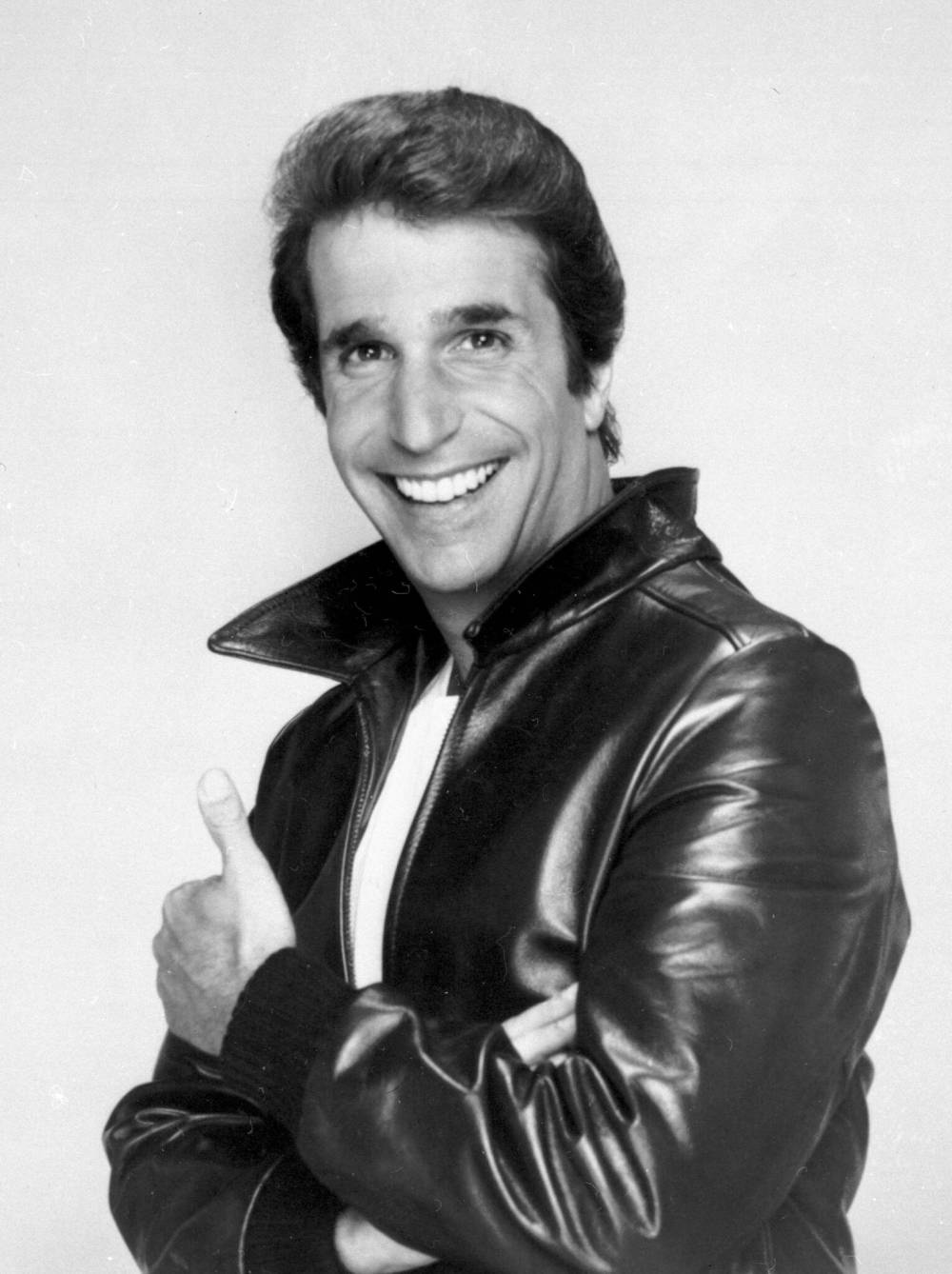
Winkler’s most iconic role was as Arthur Fonzarelli in the TV series Happy Days.
So, Winkler would get a much different role opposite the about-to-explode Michael Keaton in the slyly awesome Night Shift (1982). He would find himself in a lifelong friendship and partnership with Howard and later Adam Sandler. He would get plenty of shots as a director and producer of television shows and films. He would have side careers that many would fight fiercely for, in voice-over work and authoring the wildly successful children’s literature series (Hank Zipzer and Detective Duck).
He would also somehow garner both nostalgic and postmodern roles, such as the bumbling lawyer Barry Zuckerkorn in Arrested Development (2003-2019) or the vindictive obstetrician Dr. Lu Saperstein in Parks and Recreation (2013-2015). He would win two daytime Emmys and, in a climax seemingly willed by Hollywood as one breathing body, a long-yearned-for Prime-time Emmy for playing, naturally and fittingly, acting teacher Gene Cousineau in Bill Hader’s magnificent series Barry.
Henry Winkler will never step out of Arthur Fonzarelli’s blue jeans, nor will he ever be taken profoundly seriously, but he, too, will endure. Being Henry breaks no new ground and at times seems a bit tone deaf, but it is undeniably a quick, fun, enlightening tale about a character and by a man who both reside in our collective comforts.
Laurence Broadhurst teaches English and religion at St. Paul’s High School in Winnipeg.