Changing his tune
Success in the jukebox industry led Morden-born Wolfe Rabin to become money-laundering maven
Advertisement
Read this article for free:
or
Already have an account? Log in here »
To continue reading, please subscribe:

Digital Subscription
One year of digital access for only $205*
- Enjoy unlimited reading on winnipegfreepress.com
- Read the E-Edition, our digital replica newspaper
- Access News Break, our award-winning app
- Play interactive puzzles
*First annual payment billed as $205.00 + GST for one year. This annual subscription will automatically renew at $233.00 + GST every 52 weeks (10% off the regular annual price of $259.35). Offer available to new and qualified returning subscribers only. Cancel any time.
To continue reading, please subscribe:
Add Free Press access to your Brandon Sun subscription for only an additional
$1 for the first 4 weeks*
- Enjoy unlimited reading on winnipegfreepress.com
- Read the E-Edition, our digital replica newspaper
- Access News Break, our award-winning app
- Play interactive puzzles
*Your next Brandon Sun subscription payment will increase by $1.00 and you will be charged $17.95 plus GST for four weeks. After four weeks, your payment will increase to $24.95 plus GST every four weeks.
Read unlimited articles for free today:
or
Already have an account? Log in here »
Hey there, time traveller!
This article was published 13/01/2024 (989 days ago), so information in it may no longer be current.
The universe can, on occasion, be breathtakingly cruel.
Consider the life story of one William “Wolfe” Rabin, native son of the wholesome Prairie town of Morden, Man., population at the time about 2,000 people. Born in 1907, young Wolfe fled his hometown as soon as possible back in 1927 and for a time seemed to vanish completely. An excessively private person to begin with, he was happy to remain a mystery. The less people knew about him, even his family, the better.
As things turned out, Wolfe Rabin would desperately need to protect his secrecy — not just because the truth of his chosen life would humiliate anyone close to him, especially his respectable immigrant birth family back in Morden, but because certain information getting out could well have led to a spectacularly violent ending to his life story.
Supplied photo © David Rabinovitch
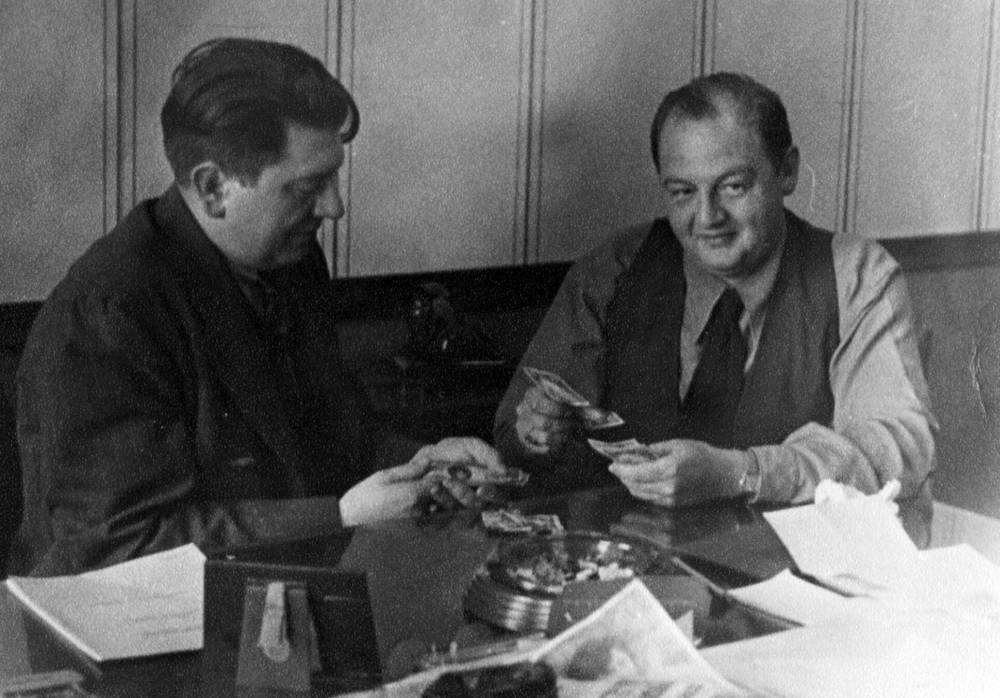
In this 1947 photo, Wolfe (right) counts out $1,000 bills for his brother Milton, author David Rabinovitch’s father, to take back to Canada ‘for a rainy day.’
Wolfe was drawn into, and succeeded within, America’s criminal underworld. He never became a household name like Bugsy Siegel or Al Capone; if there was an obituary when he died, nobody saw it. His story was better left alone.
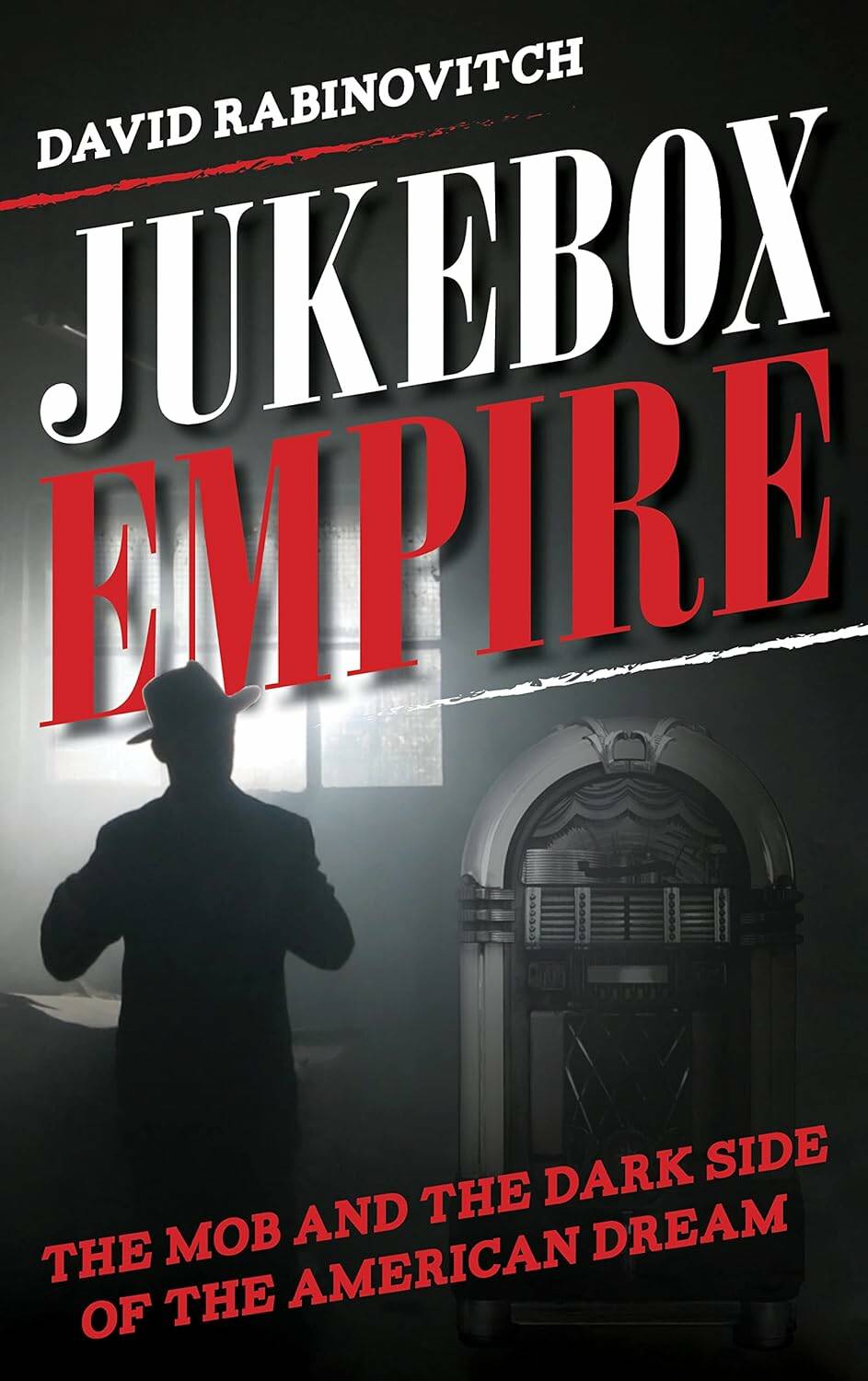
Except, unbeknownst to Wolfe, the universe had blessed him with a talented nephew who was not only insatiably curious about his absent uncle, but sublimely gifted in the art of storytelling. This nephew, author David Rabinovitch, was destined to uncover and document the hair-raising, compelling stories of Wolfe’s misadventures. And so, thankfully, we have Jukebox Empire: The Mob and the Dark Side of the American Dream.
Jukebox Empire is Rabinovitch’s first book, but it follows a career of outstanding journalism. Also a native of Morden, he is a previous winner of Emmy, Peabody and Gemini awards, and is known by many for his work Politics of Poison, a documentary which exposed and ended the use of the notorious chemical Agent Orange in the U.S. He’s known also for his television mini-series Secret Files of the Inquisition, an investigation into the history of the Catholic Church based on recently declassified archival material.
There is much to admire about Uncle Wolfe. His nephew/biographer compares him to the iconic entrepreneur Howard Hughes, also a self-taught designer, pilot and innovator. In Wolfe’s case, he brought a special genius to both the invention and promotion of the jukebox industry while based in Chicago. That industry was wildly profitable and quickly became the playground of organized crime, eventually bringing Wolfe into the corrupt casinos of Havana and Europe, and ultimately to his participation in what the FBI described as “the biggest bank robbery in the world.”

For the author, finding the true story of Wolfe’s life was more daunting than the pursuit of the classic needle in the haystack. Fired by family curiosity, David Rabinovitch relentlessly, assiduously chased mere scraps of evidence (letterheads, matchbooks, nightclub photos). His uncle’s name appeared in files released as part of the investigation of JFK’s assassination.
Jukebox Empire
Together, details revealed a life as chilling as the best crime fiction. Those more inclined to stories on screen will surely be able to enjoy it all when the true crime series is released — it’s bound to happen.
Wolfe Rabin died in 1967, having survived crushing legal struggles, a hitman who was trying to kill him, time in prison and the seemingly endless domestic drama of marriage to an ambitious beauty queen. Ironically, Wolfe’s deepest and most successful secret emerged after Jukebox Empire was written; a request of Ancestry.com revealed news of Wolfe’s hidden daughter Yvette, born in 1930, and the details of her extended family. This secret had been kept for 90 years.
David Rabinovitch has provided a cast of characters at the beginning of his book which will help readers follow the plot of Jukebox Empire. It’s a scandalous, entertaining and worthwhile read — not to mention Rabinovitch’s brilliant research into the history of music distribution. Uncle Wolfe Rabin would not be at all pleased.
Lesley Hughes is a Winnipeg writer.
Supplied photo © David Rabinovitch
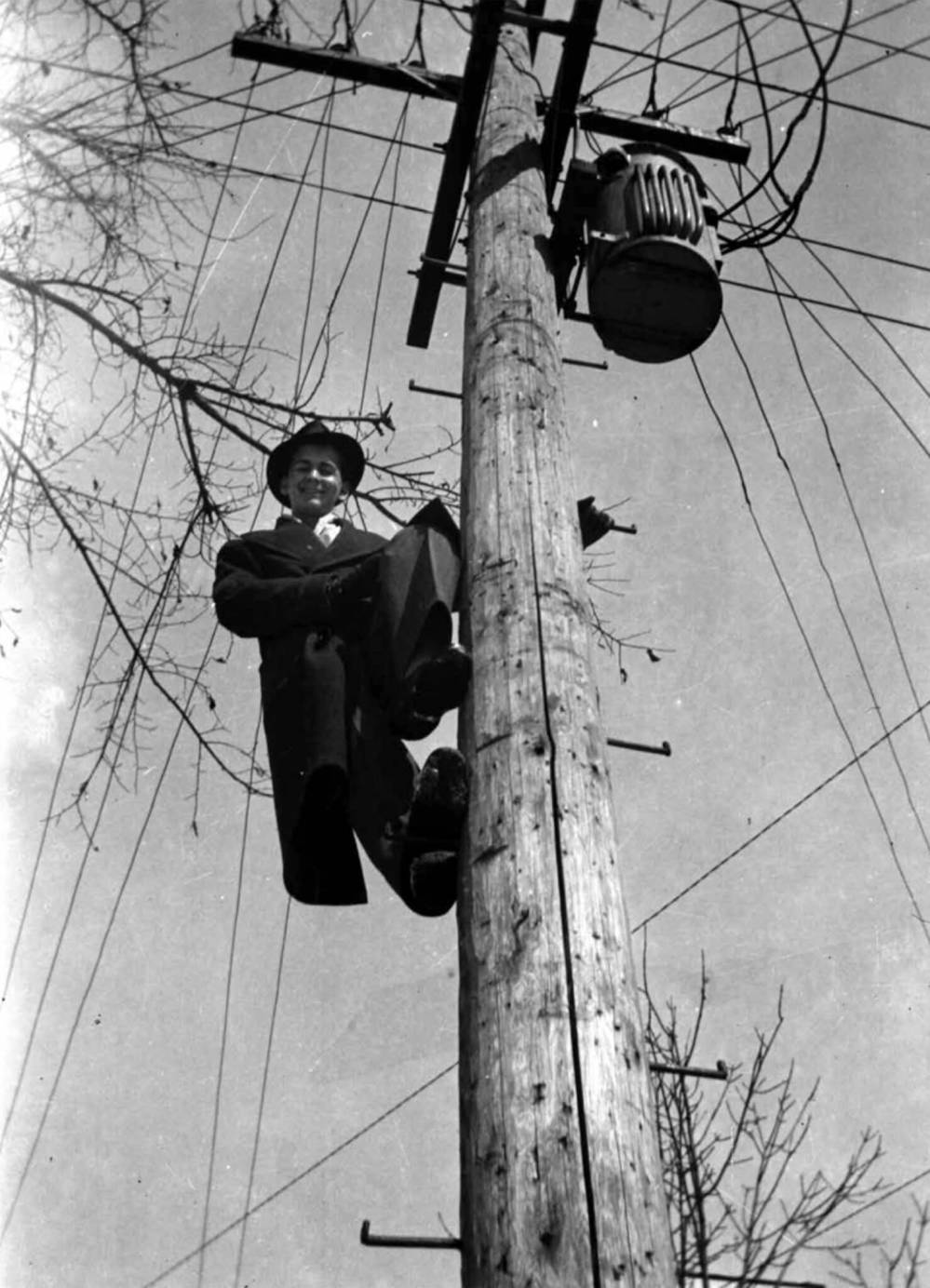
Wolfe Rabin, seen here in Morden circa 1927, the year he left town for greener pastures.

Melike Onay photo
David Rabinovitch