Hidden histories
Family secrets haunt intergenerational story in Rotenberg’s latest thriller

Advertisement
Read this article for free:
or
Already have an account? Log in here »
To continue reading, please subscribe:

Digital Subscription
One year of digital access for only $205*
- Enjoy unlimited reading on winnipegfreepress.com
- Read the E-Edition, our digital replica newspaper
- Access News Break, our award-winning app
- Play interactive puzzles
*First annual payment billed as $205.00 + GST for one year. This annual subscription will automatically renew at $233.00 + GST every 52 weeks (10% off the regular annual price of $259.35). Offer available to new and qualified returning subscribers only. Cancel any time.
To continue reading, please subscribe:
Add Free Press access to your Brandon Sun subscription for only an additional
$1 for the first 4 weeks*
- Enjoy unlimited reading on winnipegfreepress.com
- Read the E-Edition, our digital replica newspaper
- Access News Break, our award-winning app
- Play interactive puzzles
*Your next Brandon Sun subscription payment will increase by $1.00 and you will be charged $17.95 plus GST for four weeks. After four weeks, your payment will increase to $24.95 plus GST every four weeks.
Read unlimited articles for free today:
or
Already have an account? Log in here »
Hey there, time traveller!
This article was published 09/03/2024 (936 days ago), so information in it may no longer be current.
In Robert Rotenberg’s What We Buried, homicide detective Daniel Kennicott is walking to his quiet Toronto home when he’s ambushed by the requisite people in black cars with tinted windows and left lying shot, in critical condition, on his own doorstep.
Sure, it could be retribution from any one of the umpteen murders he’s worked, but then, he’s just returned from the same Italian village his brother Michael was about to visit when he was gunned down in front of a spiffy restaurant in Yorkville a decade ago — prompting Daniel to give up corporate law and become a cop.
Both men had asked uncomfortable questions about their parents’ deaths — killed by a drunk driver as they drove to their cottage north of Toronto.
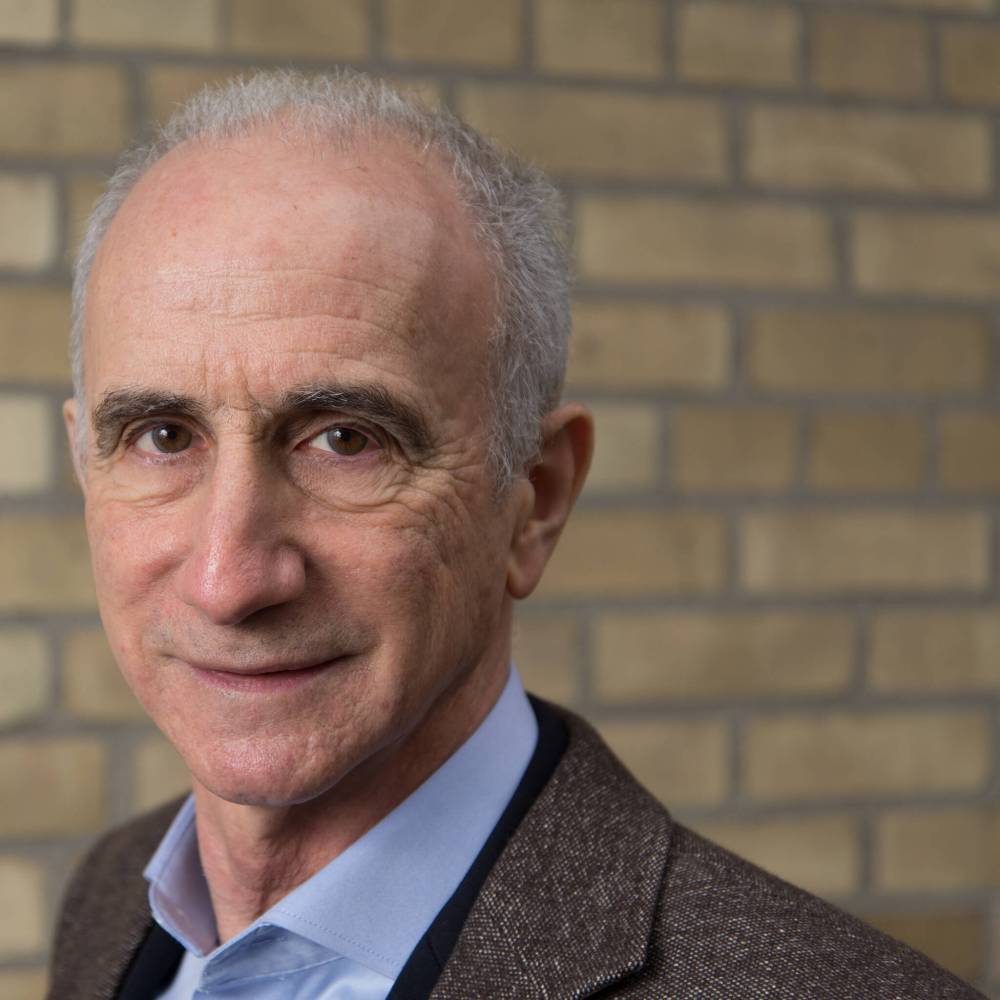
Ted Feld photo
Robert Rotenberg is a Toronto criminal defence lawyer and the author of seven previous murder mysteries.
One of the local cops in cottage country believed their deaths were more than just a tragic consequence of the town drunk getting behind the wheel — she suspected a deliberate hit, but was overruled and had her career derailed by the area Crown attorney who cut a deal for impaired driving causing death that she didn’t have to make.
That Crown? She’s now a judge. Is your spidey sense tingling?
Wise, kind and doggedly determined Ari Greene was the homicide detective leaning over Michael’s bleeding body when Daniel rushed to the scene in Yorkville and now, as head of homicide, he’s mentored Daniel’s police career. Could it be that Greene and Toronto police chief Nora Bering have been taking a keen but quiet interest in the deaths of Daniel’s family? You think?
And that tiny mountaintop Italian village?
Gubbio is real and it’s where the Nazi SS massacred 40 men in retaliation for an attack by resistance fighters that killed an officer and wounded a soldier.
We’ve met a lot of these people before in Toronto murder mysteries by Rotenberg, a criminal defence lawyer, but he doles out just enough backstory that What We Buried can be read as a standalone novel.
And what a good one too.
While What We Buried is a superb whodunit, it’s also a tale of family secrets and family beliefs.
The obvious problem about linking a contemporary murder to the Second World War is that anyone who even turned 18 on the last day of the war would now be closing in on 97 years old. Odds are exceptionally slim that anyone who took any part in the Gubbio massacre is still alive.
But memories are long and so can be the thirst for justice. A child, a grandchild — can they be held responsible as adults for evil committed by a grandparent before they were born? What if they share the beliefs that made their grandparent a monster and keep them hidden? How far would they go?
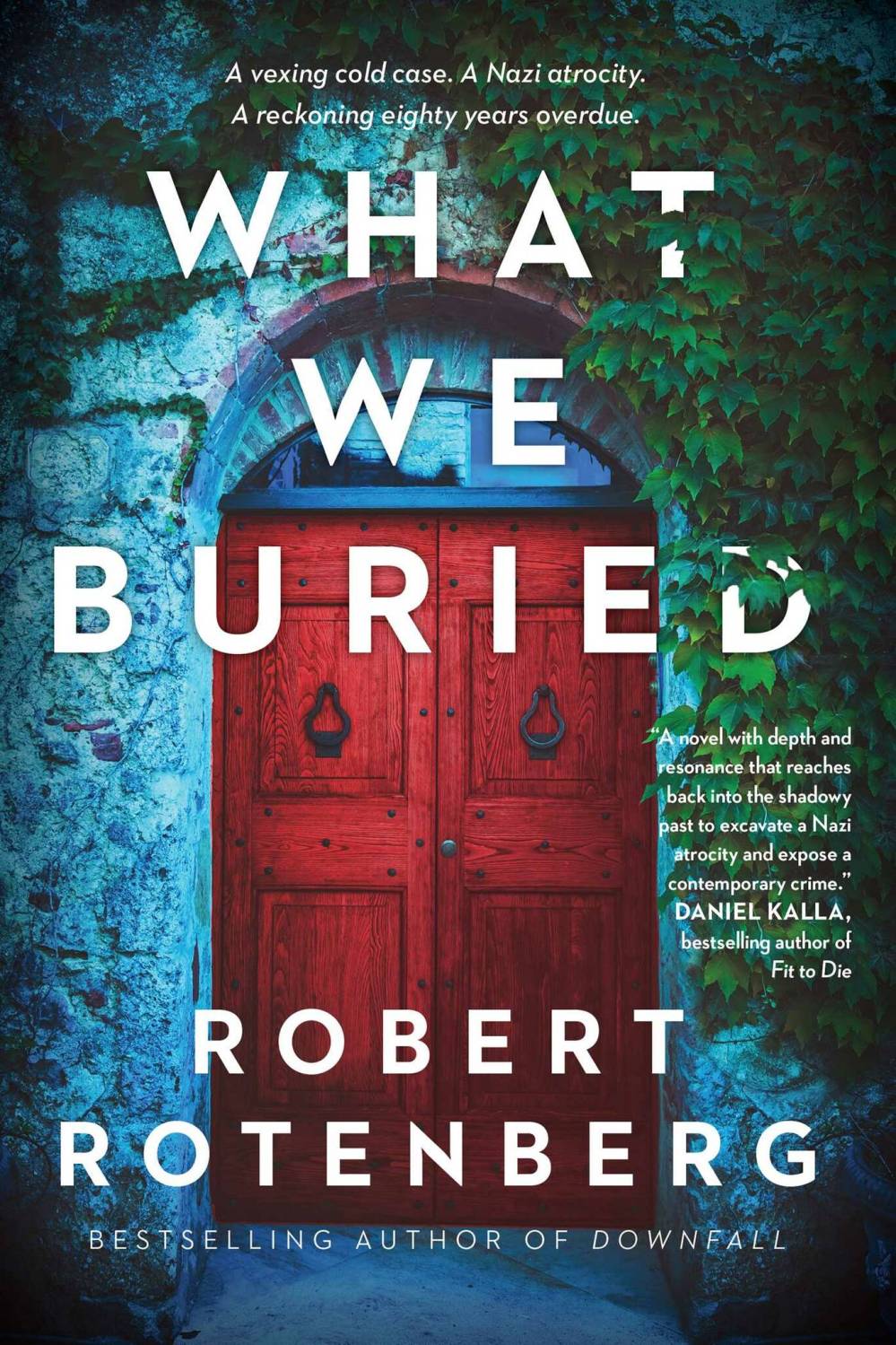
What We Buried
We have herein one family whose grandparents were British codebreakers and an RAF tailgunner on one side, and on the other — hmm, not all that much is known.
There’s a gentle, sweet old man who’s never talked before about surviving the Holocaust — or what he did after the war.
There’s Canadian history here too — about how many Germans were imprisoned here during the war and how many Nazis were among them. History about how many of those POWs never went back home after the war — POWs who maybe changed their names and identities.
Enough of that, lest we venture too close to a spoiler.
What We Buried is a terrific read, with some fabulous secondary characters.
Your book club may want to ask each other: how well do you know your grandparents?
Retired Free Press reporter Nick Martin could never afford as a young fellow to eat in Yorkville — he couldn’t even meet the standard to window shop.
Nick Martin
Former Free Press reporter Nick Martin, who wrote the monthly suspense column in the books section and was prolific in his standalone reviews of mystery/thriller novels, died Oct. 15 at age 77 while on holiday in Edinburgh, Scotland.
Our newsroom depends on a growing audience of readers to power our journalism. If you are not a paid reader, please consider becoming a subscriber.
Our newsroom depends on its audience of readers to power our journalism. Thank you for your support.
Nick Martin
Former Free Press reporter Nick Martin, who wrote the monthly suspense column in the books section and was prolific in his standalone reviews of mystery/thriller novels, died Oct. 15 at age 77 while on holiday in Edinburgh, Scotland.
Our newsroom depends on a growing audience of readers to power our journalism. If you are not a paid reader, please consider becoming a subscriber.
Our newsroom depends on its audience of readers to power our journalism. Thank you for your support.
Advertisement Advertise With Us
Advertisement Advertise With Us