A higher calling
Comedian’s memoir offers candid, funny reflections on family, faith and her career
Advertisement
Read this article for free:
or
Already have an account? Log in here »
To continue reading, please subscribe:

Digital Subscription
One year of digital access for only $205*
- Enjoy unlimited reading on winnipegfreepress.com
- Read the E-Edition, our digital replica newspaper
- Access News Break, our award-winning app
- Play interactive puzzles
*First annual payment billed as $205.00 + GST for one year. This annual subscription will automatically renew at $233.00 + GST every 52 weeks (10% off the regular annual price of $259.35). Offer available to new and qualified returning subscribers only. Cancel any time.
To continue reading, please subscribe:
Add Free Press access to your Brandon Sun subscription for only an additional
$1 for the first 4 weeks*
- Enjoy unlimited reading on winnipegfreepress.com
- Read the E-Edition, our digital replica newspaper
- Access News Break, our award-winning app
- Play interactive puzzles
*Your next Brandon Sun subscription payment will increase by $1.00 and you will be charged $17.95 plus GST for four weeks. After four weeks, your payment will increase to $24.95 plus GST every four weeks.
Read unlimited articles for free today:
or
Already have an account? Log in here »
Hey there, time traveller!
This article was published 22/06/2024 (816 days ago), so information in it may no longer be current.
Books by comedians carry heightened expectations for humour, wry perspective, pointed rants, etc. Effective philosophical musings, maybe not so much.
Canadian comedian, playwright and educator Deborah Kimmett’s amusing new memoir expands her earlier successful writing and performing, living up to its subtitle.
Kimmett appears on shows such as CBC’s The Debaters. Her books include Reality is Overrated and That Which Doesn’t Kill You Makes You Funnier, and the novel Outrunning Crazy. She is also a podcaster.
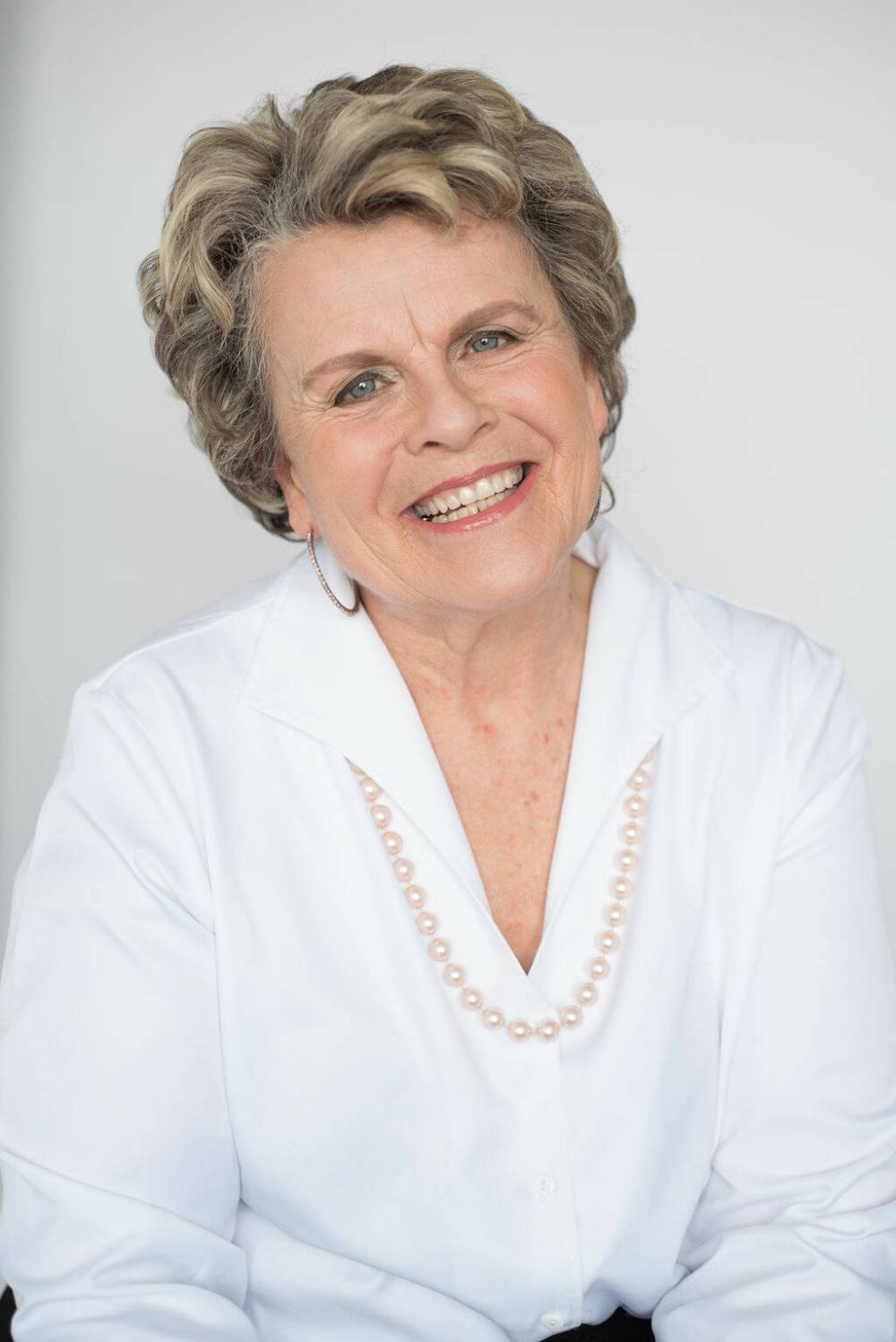
Sam Gaetz photo
Deborah Kimmett’s memoir revolves around her brother’s terminal cancer diagnosis.
Window Shopping for God revolves around her brother Kevin’s terminal cancer diagnosis. She begins with and often circles back to scenarios from family and her past, as well as religious instances. Kimmett “had bowed down to them all. Jesus, Buddha, Kali, Krishna. The real gods and the false. Booze, men, self-help and Facebook,” she writes.
Her Catholic mother and Protestant father contributed to her confusion, but she recounts episodes of their reactions to her developing a personality with wry perspective and real affection.
A near-fatal brain injury from a bicycle accident accentuated her high school feelings of alienation. Wearing a wig while her wounds healed brought her closer to her wig-wearing grandmother. She also gained experience which most teenagers don’t: “I knew life and death walked side by side.”
Kimmett doesn’t seem to hold grudges. One-night stands, drunken drummers and her fraught relationship with her family all provide thoughtful, positive reflections.
Experiences with a professed witch named Ruth and “The Crones of Casa Loma” find Kimmett listening to the coven’s stories, “the first time in my life I ever considered that there was a feminine side of the divine… These women taught me that my sense of humour was a gift from the goddesses that could be used to heal.”
She went on to become part of the Second City improv troupe and other comedic enterprises. After giving up alcohol, she still searched for more meaning; in one passage detailing this search, she recalls a hilarious misunderstanding at a Buddhist session with her sponsor, Sue.
She also regularly checks in with Kevin, who had been given a year to live. He wonders if her recorded listing of gratitude should instead be called “appreciation.” That worked for her.
“Appreciating what each day was bringing forth, good and bad, was hard work. But it forced me to stay present in a way I had never been before,” she writes.
Marriage and an unexpected child also helped Kimmett “stay present,” and soon after their son was born she became pregnant again; their daughter was born very premature (Kimmett’s play Miracle Mother, about having a premature baby, was shortlisted for the Governor-General’s Literary Award for drama in 1984).

Window Shopping For God
Focusing on that difficulty and people’s attempts at sympathy led her to decide “I would not be the object of anyone’s pity.”

Kimmett chronicles many steps along her road to finding meaning. An encounter with a terminal patient sitting in a graveyard “practicing” for his burial, and a “confessional” episode with some of her parents’ acquaintances, continue to push her toward more balanced, healthy ways of looking at life.
The section The Goldman Sessions recounts breakthroughs from two years of successful therapy and leads into the dramatic, touching phone calls with Kevin during the last two years of his life.
Kimmett would go on to raise money for hospices, and address her comedy toward appreciation of regular people. “Without kindness from my fellow travellers,” she notes, “the wisest words would have fallen on hollow ground… For me, God needed skin.”
Window Shopping for God is a humorous set of musings from a “fellow traveller” whose wisdom has something for everyone to appreciate.
Bill Rambo is a retired teacher who lives in Landmark.