Together and apart
Reprinted pair of Japanese manga stories highlight solitude, fractured families
Advertisement
Read this article for free:
or
Already have an account? Log in here »
To continue reading, please subscribe:

Digital Subscription
One year of digital access for only $205*
- Enjoy unlimited reading on winnipegfreepress.com
- Read the E-Edition, our digital replica newspaper
- Access News Break, our award-winning app
- Play interactive puzzles
*First annual payment billed as $205.00 + GST for one year. This annual subscription will automatically renew at $233.00 + GST every 52 weeks (10% off the regular annual price of $259.35). Offer available to new and qualified returning subscribers only. Cancel any time.
To continue reading, please subscribe:
Add Free Press access to your Brandon Sun subscription for only an additional
$1 for the first 4 weeks*
- Enjoy unlimited reading on winnipegfreepress.com
- Read the E-Edition, our digital replica newspaper
- Access News Break, our award-winning app
- Play interactive puzzles
*Your next Brandon Sun subscription payment will increase by $1.00 and you will be charged $17.95 plus GST for four weeks. After four weeks, your payment will increase to $24.95 plus GST every four weeks.
Read unlimited articles for free today:
or
Already have an account? Log in here »
Hey there, time traveller!
This article was published 14/09/2024 (717 days ago), so information in it may no longer be current.
Second Hand Love is a reprinted duo of linked stories by 1980s Japanese manga-ka Yamada Murasaki, translated to English by Ryan Holmberg. The stories provide firsthand perspectives of young women navigating their identities outside of traditional gender roles and domesticity. Through these compelling characters, Murasaki’s refusal to idealize domesticity, motherhood and even the thrill of romance remains both surprising and timeless.
Second Hand Love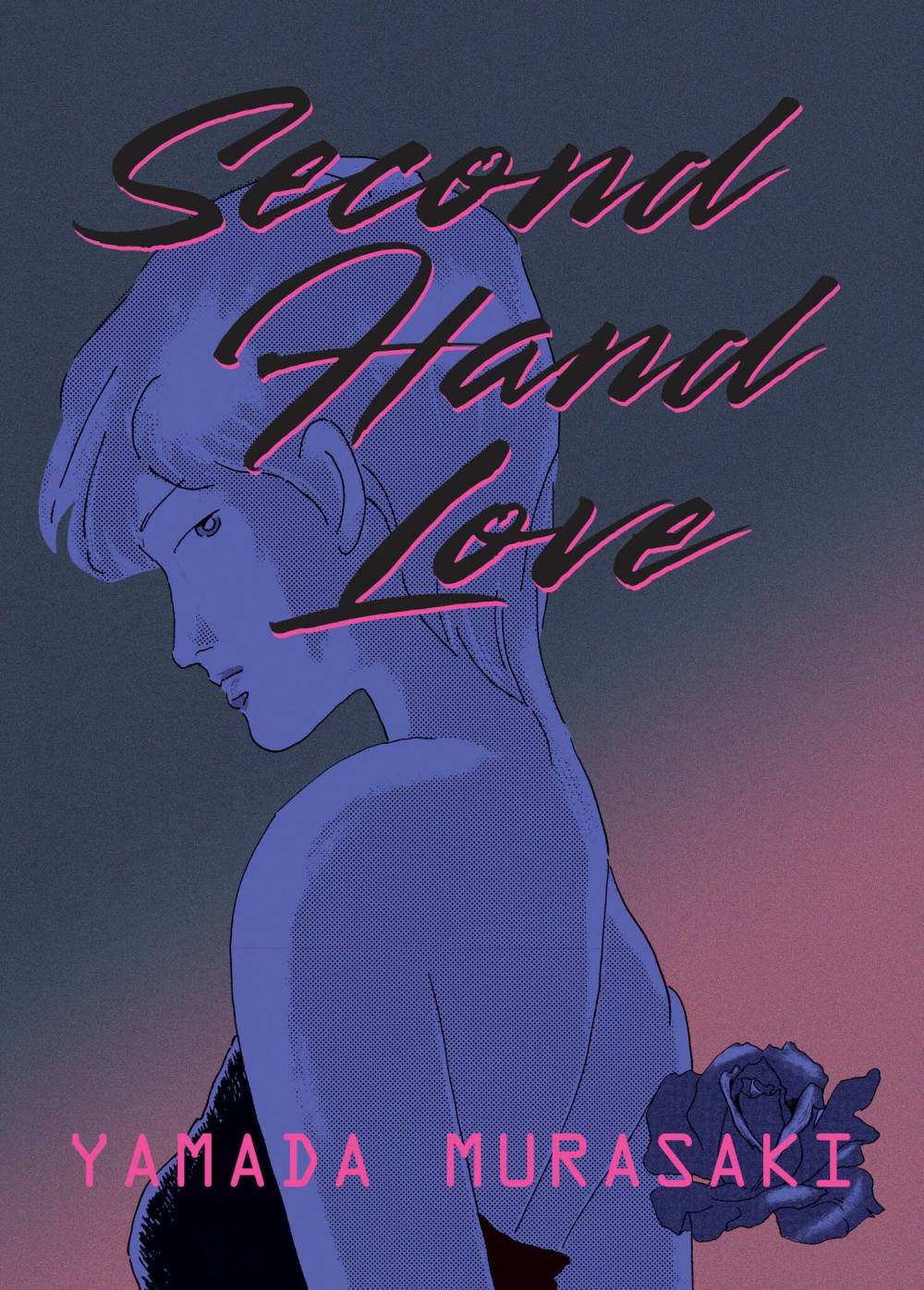
As a significant feminist voice in her medium, many of Murasaki’s previous works, including the critically acclaimed Talk to My Back, were serialized in the geigika (alt-manga) magazine Garo, from 1978 to 1986. As her work gained popularity, Murasaki, who died in 2009, also advocated for other women manga-ka to showcase their work in Garo, a usually male-dominated magazine.
At a glance, Murasaki’s work could be classified as josei manga; relatable, slice-of-life narratives with women characters who defy stereotypes surrounding gender and sexuality. Indeed, these are the kind of characters Murasaki’s nuanced writing and delicate line art bring to life, complete with expressive faces and eye-catching fashions.
This reprint also includes art from Mita Masahiro’s novel A Loving Family. Without the accompanying text, these illustrations make up a third, wordless comic that mirrors the ennui, solitude and keen sense of observation in the two full manga, further boasting Murasaki’s talent as a josei storyteller. However, in an interview appended to the volume, Murasaki highlights her reluctance to work with traditional manga publications for women and girls due to the artistic constraints they often presented.
The author’s sentiment becomes most obvious through the women’s roles showcased here; Blue Flame, for example, unfolds from Emi’s point of view, chronicling her relationship with an older, married man. Murasaki frames the dynamic plainly — Emi is a mistress who sees her partner a “fugitive,” essentially on the run from his home life. The tension in the relationship is evident — Emi is not interested in marriage, but replicates this same domesticity between the two of them, cooking an elaborate meal for her partner, but later remarking to him, “I hate people who don’t value their families.”
Emi’s ennui is a clear symptom of the vast efforts required to foster a mostly invisible relationship; when she passes her partner and his family on the street, she cannot acknowledge him, but must later assuage his infidelity-related guilt.
Likewise, Yuko, in the eponymous Second Hand Love, grapples with the way her father’s infidelity and her mother’s death have fractured her family. She too is made to ease her father’s guilt, even though she resents the loneliness he caused for her mother. Murasaki refracts the same situation from different angles as the reader discovers that, like Emi, Yuko is also a mistress to a married man. Similarly jaded from the experience, Yuko remarks how “men who cheat… light a fire… and then flap their limbs about frantically so they can pretend like nothing’s going on.”
Accordingly, both Emi and Yuko’s relationships are governed by absence, even though their partners seek affairs so they never have to be alone. But both relationships also grant the women their independence in choosing when to allow a man into their space. Notably, the only thing Murasaki visibly romanticizes is single living — the mundane solitude of a quiet meal alone, or the pleasure of leisurely doing laundry on a Sunday afternoon, during which Emi and Yuko are most at peace.
This chosen solitude (and meaningful interiority) is significant because characters like these often exist solely within the frame of a married couple, either as an extension of the husband’s infidelity or as the one responsible for an affair.
Though Murasaki grants Emi and Yuko their own perspectives and vivid inner lives, she does not present their relationships as viable alternatives to marriage. Instead, the author reveals traditional family structures as a significant cause of women’s isolation and grief, and bears witness to the labour they undertake to maintain relationships on either side of domesticity.
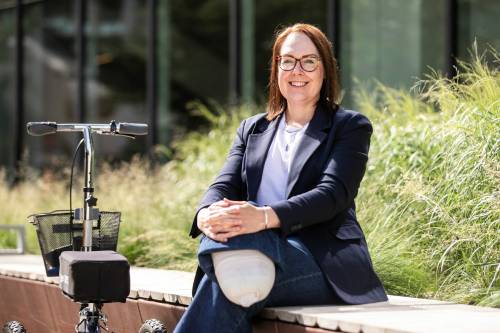
Nyala Ali writes about race and gender in contemporary narratives.
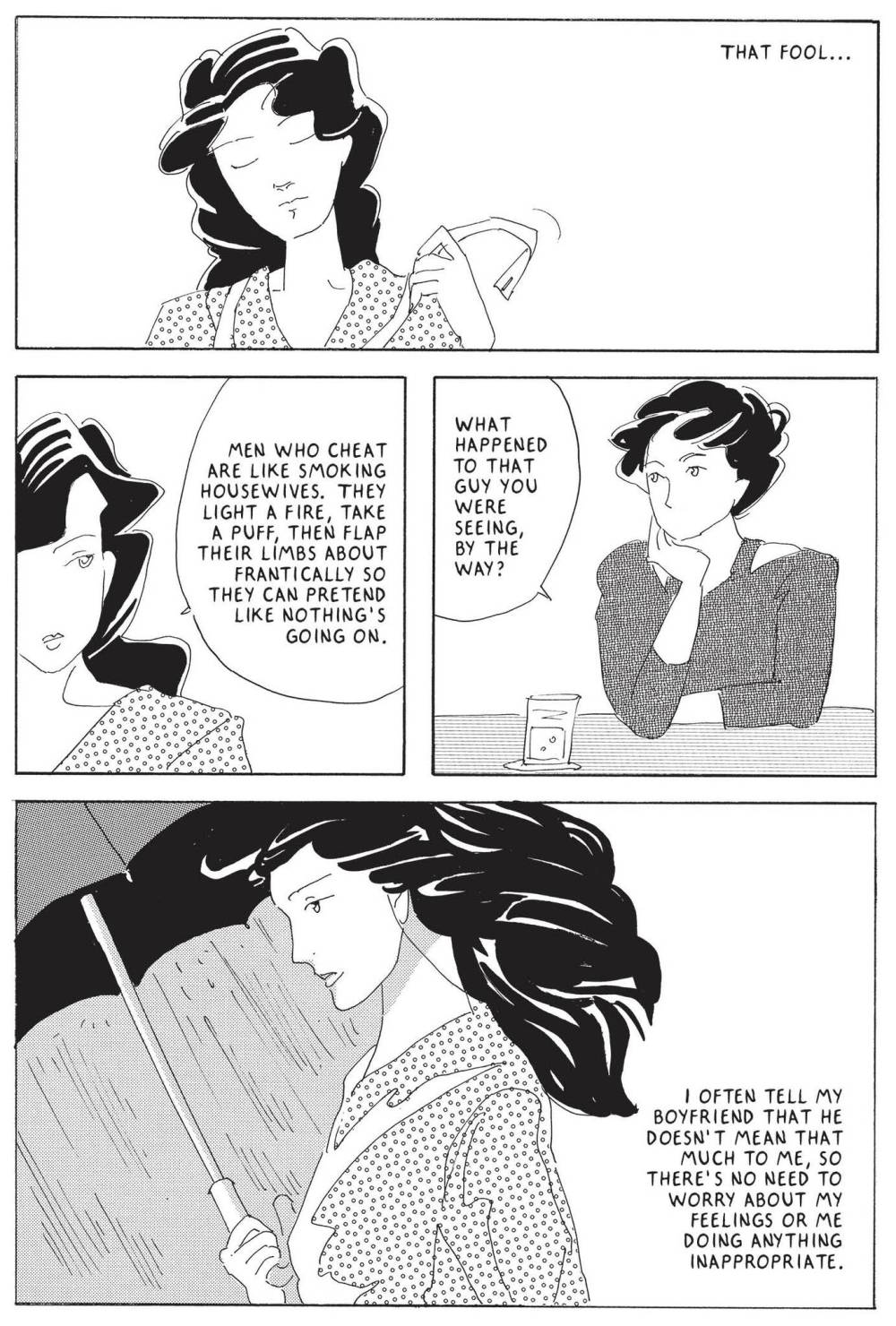
From Second Hand Love by Yamada Murasaki (Supplied)
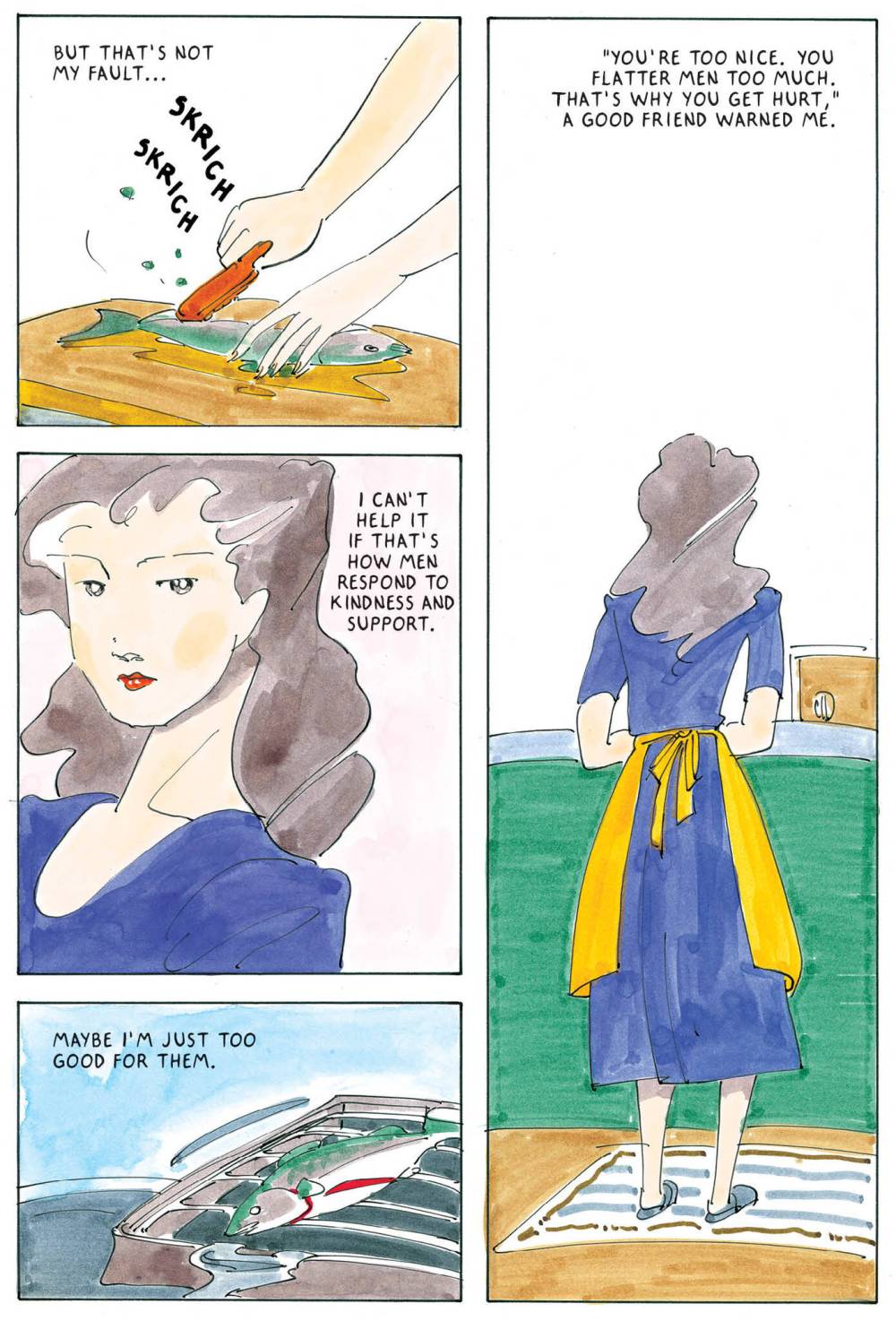
From Second Hand Love by Yamada Murasaki (Supplied)
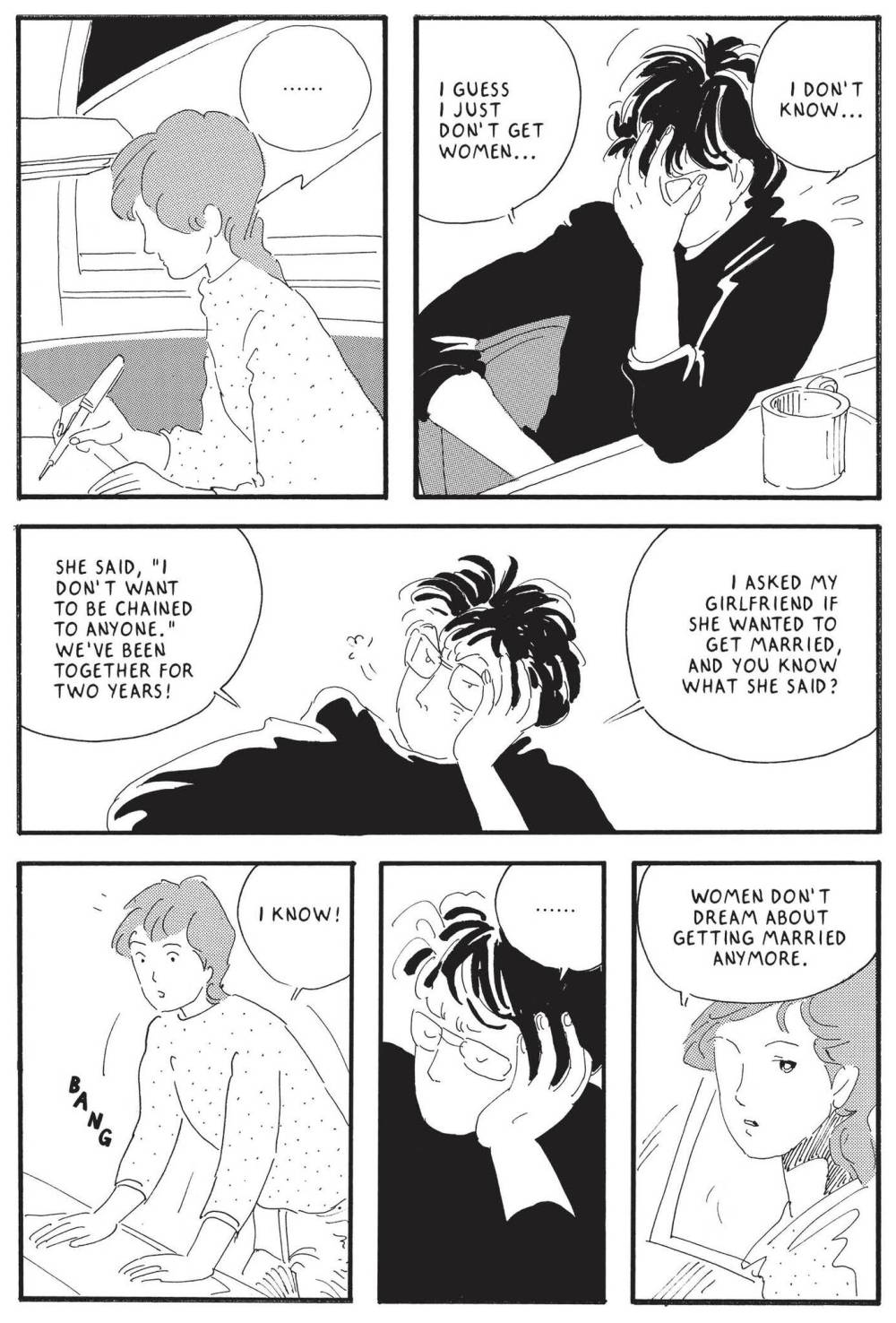
From Second Hand Love by Yamada Murasaki (Supplied)
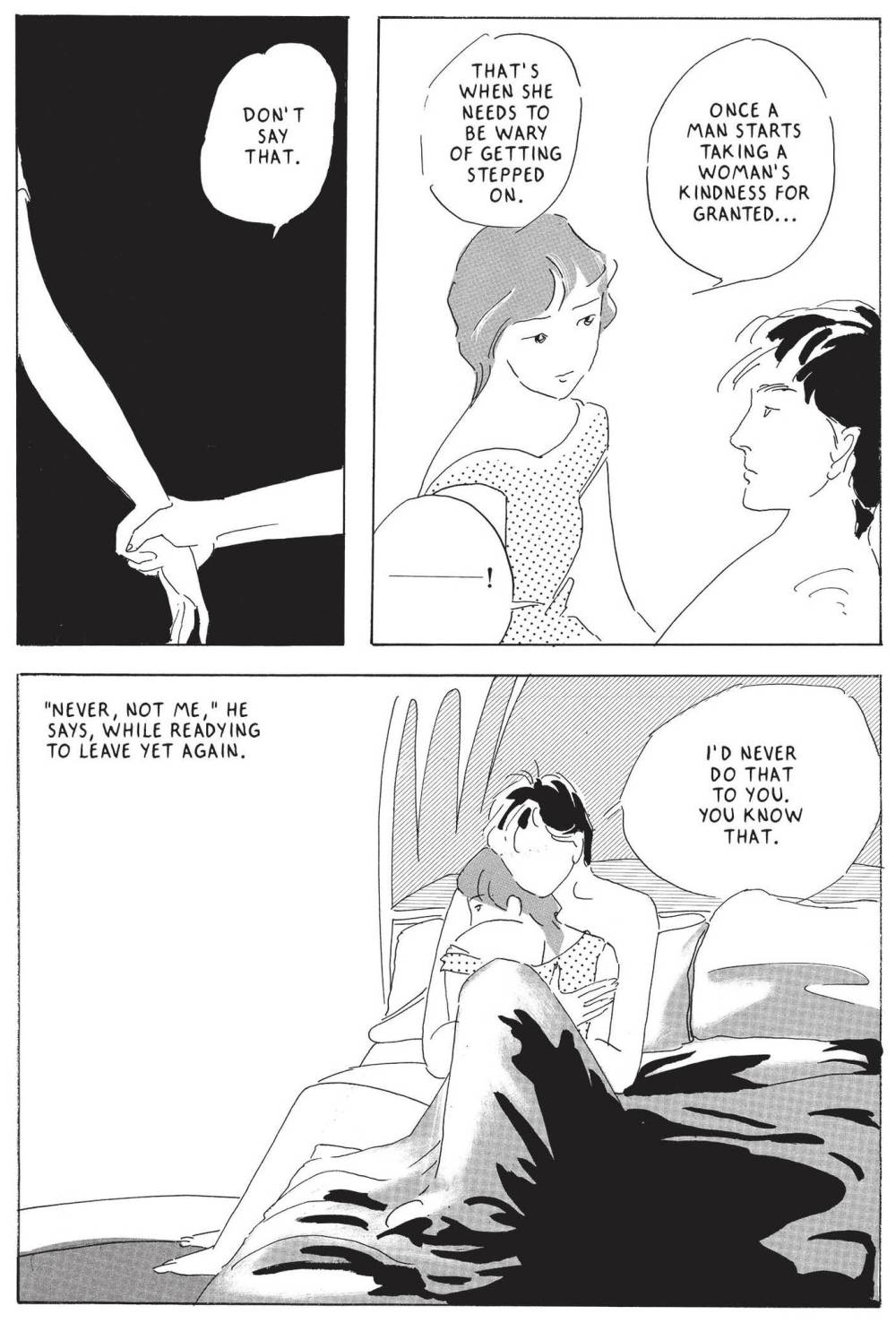
From Second Hand Love by Yamada Murasaki (Supplied)
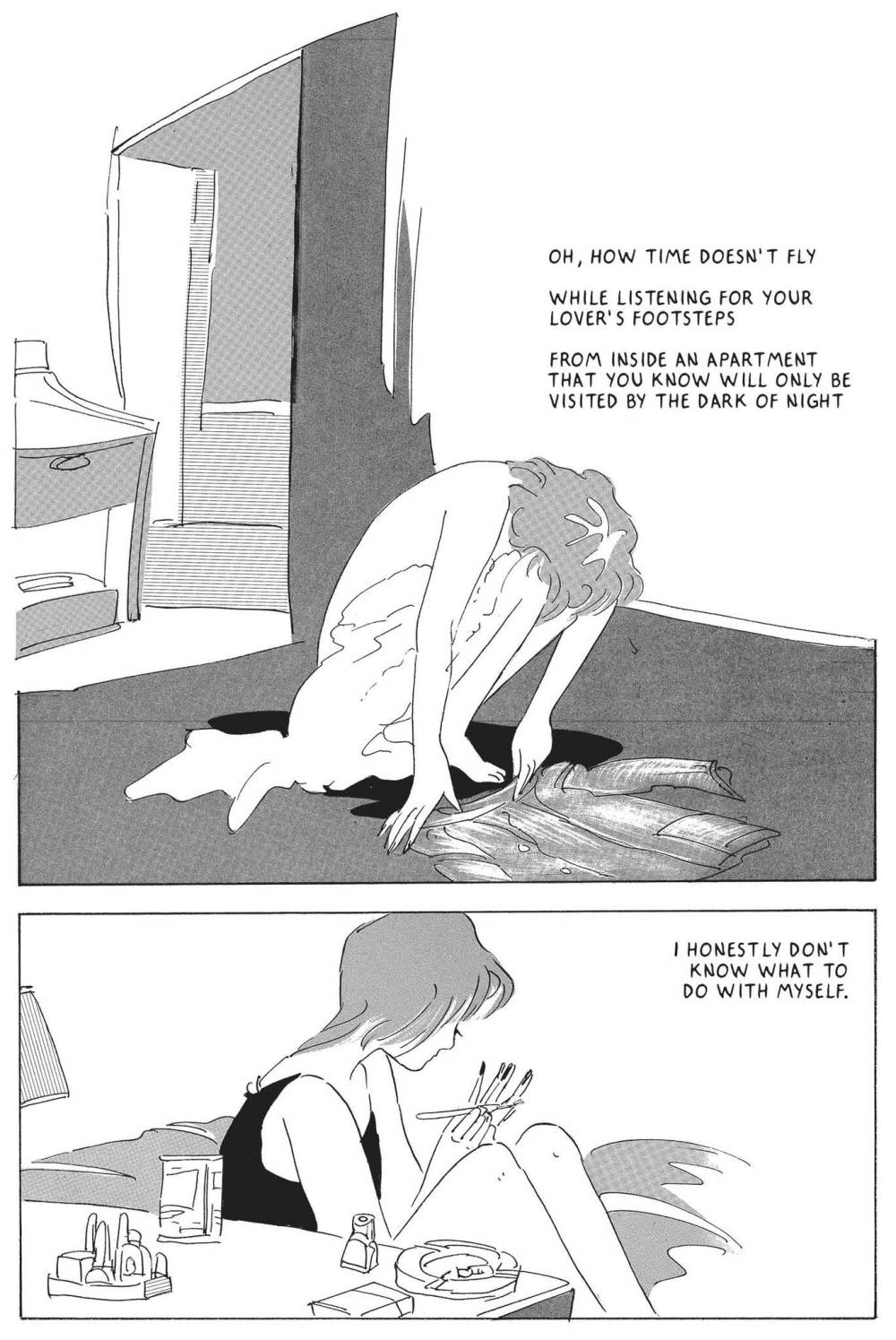
From Second Hand Love by Yamada Murasaki (Supplied)
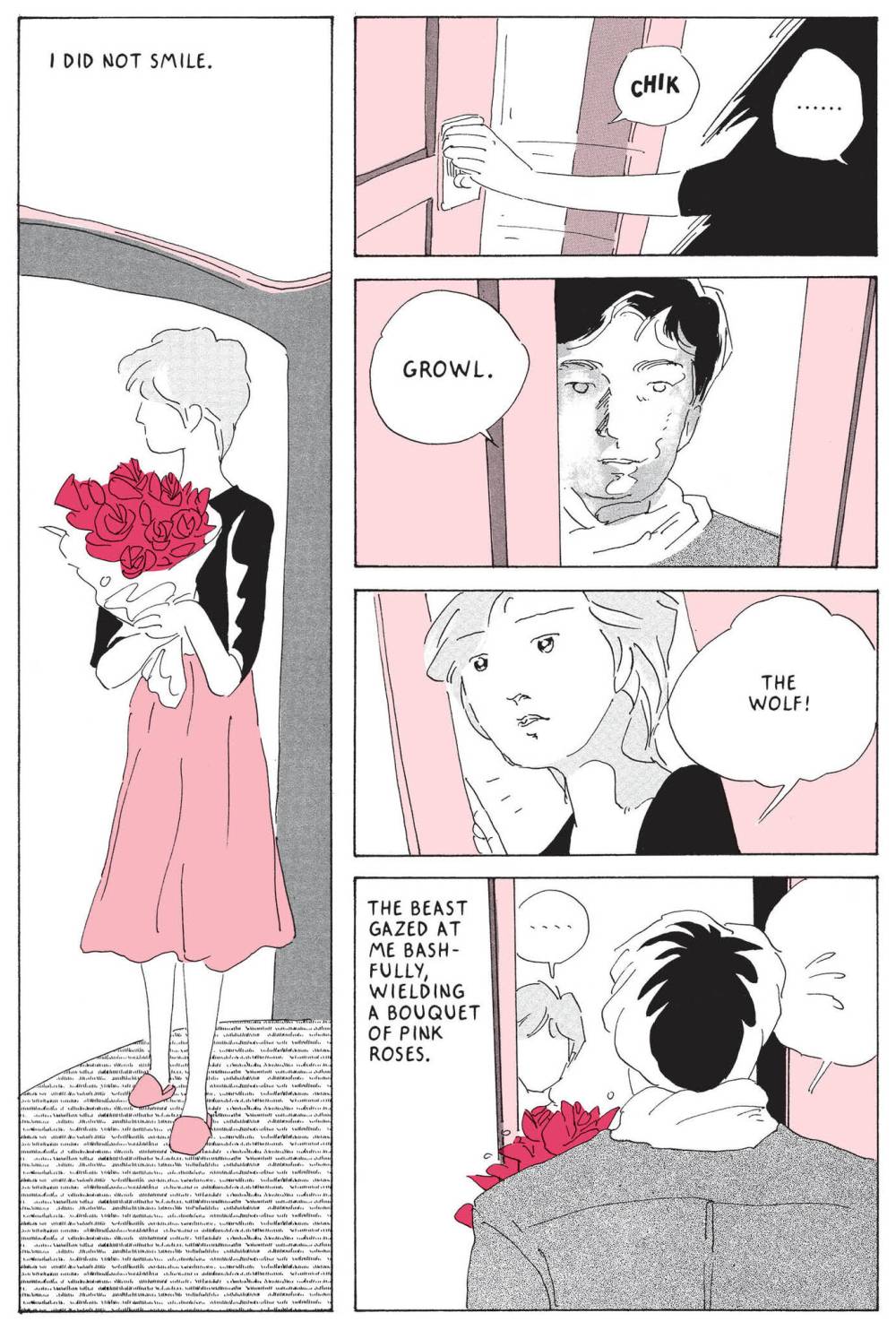
From Second Hand Love by Yamada Murasaki (Supplied)