Wicked wasteland
Winton’s epic post-apocalyptic outback novel a gritty, gripping read
Advertisement
Read this article for free:
or
Already have an account? Log in here »
To continue reading, please subscribe:

Digital Subscription
One year of digital access for only $205*
- Enjoy unlimited reading on winnipegfreepress.com
- Read the E-Edition, our digital replica newspaper
- Access News Break, our award-winning app
- Play interactive puzzles
*First annual payment billed as $205.00 + GST for one year. This annual subscription will automatically renew at $233.00 + GST every 52 weeks (10% off the regular annual price of $259.35). Offer available to new and qualified returning subscribers only. Cancel any time.
To continue reading, please subscribe:
Add Free Press access to your Brandon Sun subscription for only an additional
$1 for the first 4 weeks*
- Enjoy unlimited reading on winnipegfreepress.com
- Read the E-Edition, our digital replica newspaper
- Access News Break, our award-winning app
- Play interactive puzzles
*Your next Brandon Sun subscription payment will increase by $1.00 and you will be charged $17.95 plus GST for four weeks. After four weeks, your payment will increase to $24.95 plus GST every four weeks.
Read unlimited articles for free today:
or
Already have an account? Log in here »
Hey there, time traveller!
This article was published 01/02/2025 (567 days ago), so information in it may no longer be current.
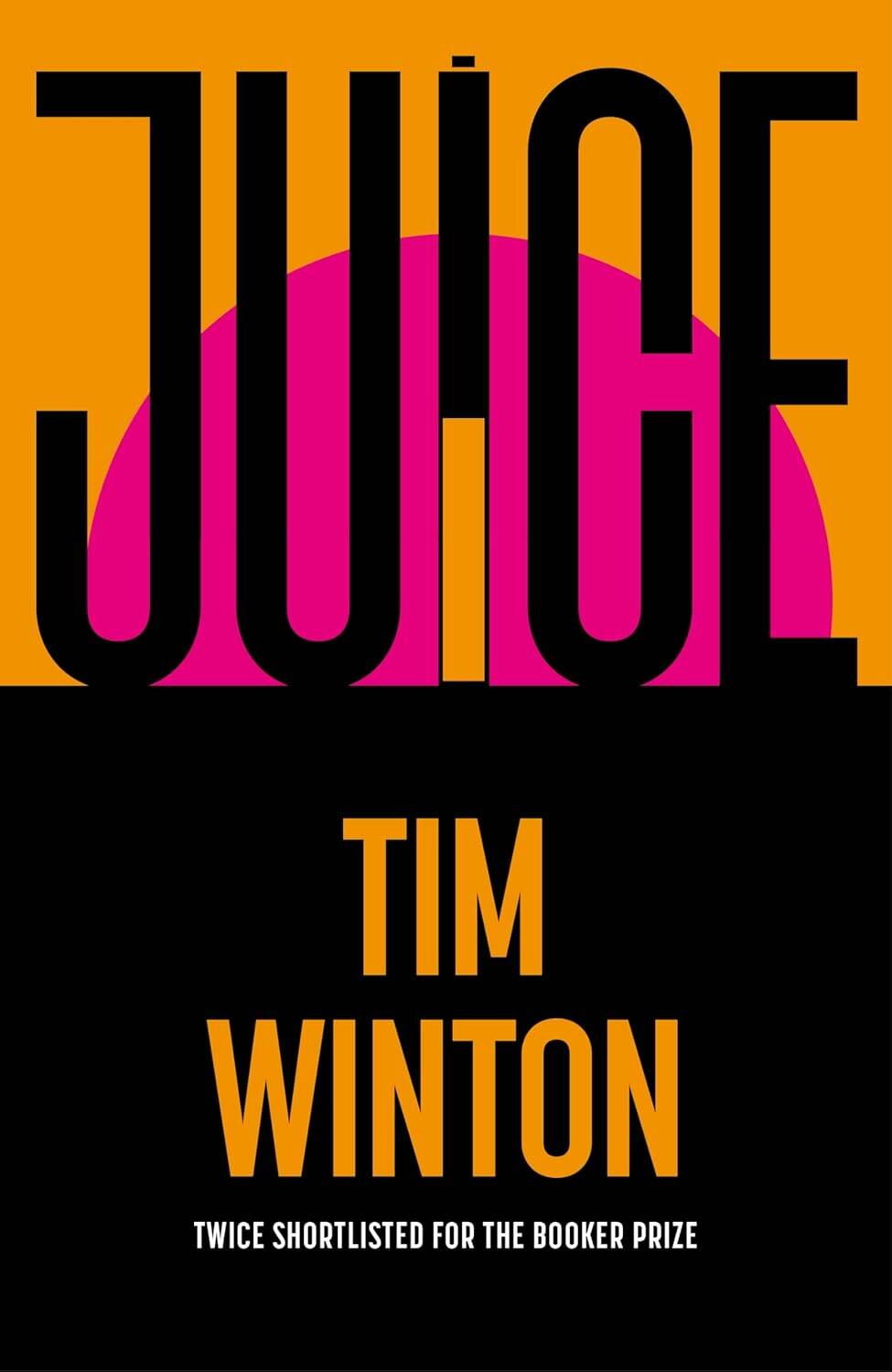
Australian author Tim Winton’s first foray into speculative fiction — in this case climate fiction, or cli-fi — is a gripping tale of destruction, despair and retribution centuries from now, after climate change has altered life several times over.
It opens with a man, the saga’s narrator, and a girl driving across the blackened landscape of the Australian outback through ash as deep as their ankles or shins. They travel at night because they have to sleep under camouflage during the searing daytime heat, which the narrator describes as “hard, roasting, wind-driven.”
The girl, who doesn’t talk, is frightened not only by their general situation — the reason she ended up with the man — but also by the “tool” (an electrically charged gun) she sees in the truck.

Denise Winton photo
Tim Winton’s latest is an enthralling, frightening depiction of a world ravaged by climate change.
“And despite myself,” the narrator thinks, “I wonder at what else she’s seen and endured. If not for the promise I made, I might have broken her neck out of kindness and pushed on alone. But here we are.”
That sets the tone of Winton’s lengthy but enthralling, frightening depiction of a world destroyed unbelievably by climate change and of societal collapse called The Terror, where equatorial regions became unlivable and where wars and mass migrations caused further suffering.
The remnants of human civilization, such as it is, are clustered in the far northern and southern regions on the globe, living bleak lives in weak mutual-dependency associations; those who don’t live more solitary lives trying to survive by hiding from the dangers of a world gone mad.
Winton’s protagonist and the child run into one of those solitary characters, a man with a crossbow, who locks them up in an underground cave for his own safety, and listens somewhat disagreeably and skeptically to the narrator’s life story.
Winton has published 30 books and won several awards as well as being shortlisted twice for the Booker Prize. He lives in Western Australia; its harsh beauty has been a presence in his work, as has Australia’s fragility in the face of climate chaos.
The narrator’s life story begins on the plains north of Perth, at the edge of livable terrain, where he and his mother, smothered in “sun paste,” grow vegetables in sheds during the winter to traded for needs such as batteries to power turbines and parts to keep machinery operating on solar power — on juice.
They spend the summer underground to avoid certain death by heat fever.
After the narrator falls in love with another teenager and they have a child, his real purpose becomes clear when he is recruited into The Service, a secretive paramilitary organization whose operations seek retribution against the corporations responsible for the climatic destruction of the world.
Juice

In this dystopia, the rich live in clans in vast, well-armed bunker fortresses. Gazprom, Amazon and Exxon are bloodlines rather than corporations, as venal as medieval royalty. The narrator is sent on many missions throughout the world to eradicate those clans in bloody battles.
The narrator realizes eventually that The Service itself has become a danger and flees with the child, looking for an isolated, safe place to make a subsistence living in what passes for peace in those times.
That is what he hopes for when they encounter the man with the crossbow.
His recounting of his life and the bowman’s mistrust of him drive the narrative, but is the narrator to be trusted? Will the bowman spare him?
Chris Smith is a Winnipeg writer.